Rwanda has become one of Africa’s most attractive destinations for tourists seeking wildlife, culture, and…
Backpacking Through Rwanda
Backpacking Through Rwanda is an exciting way for tourists to explore one of Africa’s most beautiful and inspiring destinations. Rwanda offers breathtaking landscapes, vibrant culture, rich wildlife, and welcoming communities. While the country is often associated with luxury safari experiences, it is also increasingly popular among budget-conscious tourists who prefer flexible and adventurous journeys.
Backpacking allows tourists to experience Rwanda at a slower pace, interact with local communities, and discover hidden gems beyond traditional tourist routes. From the energetic streets of the capital to the peaceful shores of Lake Kivu and the misty forests of Rwanda’s national parks, backpacking offers a rewarding way to experience the country’s diverse attractions.
Why Rwanda is Perfect for Backpacking
Rwanda’s compact size makes it one of the easiest African countries to explore on a backpacking trip. Distances between major attractions are relatively short, meaning tourists can travel from the capital city to national parks or lakeside towns within a few hours.
The country is also known for its safety and cleanliness, which makes it comfortable for tourists travelling independently. Roads are generally well maintained, public transport is widely available, and tourism infrastructure continues to improve every year.
In addition, Rwanda’s landscapes change dramatically across short distances. Tourists can explore vibrant cities, lush rainforests, volcanic mountains, and tranquil lakes all within a single trip. This variety makes backpacking through Rwanda both exciting and rewarding.
Starting the Journey in Kigali
Most backpacking adventures in Rwanda begin in Kigali, the country’s modern and well-organised capital. Kigali is often praised as one of the cleanest and safest cities in Africa, making it a comfortable starting point for tourists.
Backpackers can spend a few days exploring the city’s markets, restaurants, and cultural centers. One of the most important places to visit is the Kigali Genocide Memorial. This powerful memorial provides insight into Rwanda’s history and the country’s journey toward reconciliation and rebuilding.
Local markets such as Kimironko Market are also popular among tourists looking for authentic cultural experiences. Here, visitors can browse colorful fabrics, handmade crafts, and fresh produce while interacting with local vendors.
Kigali also has a growing number of hostels, guesthouses, and budget hotels that are ideal for backpackers seeking affordable accommodation.
Exploring Rwanda’s National Parks
Rwanda’s national parks are among the country’s biggest attractions, and backpacking tourists often include at least one park in their itinerary.
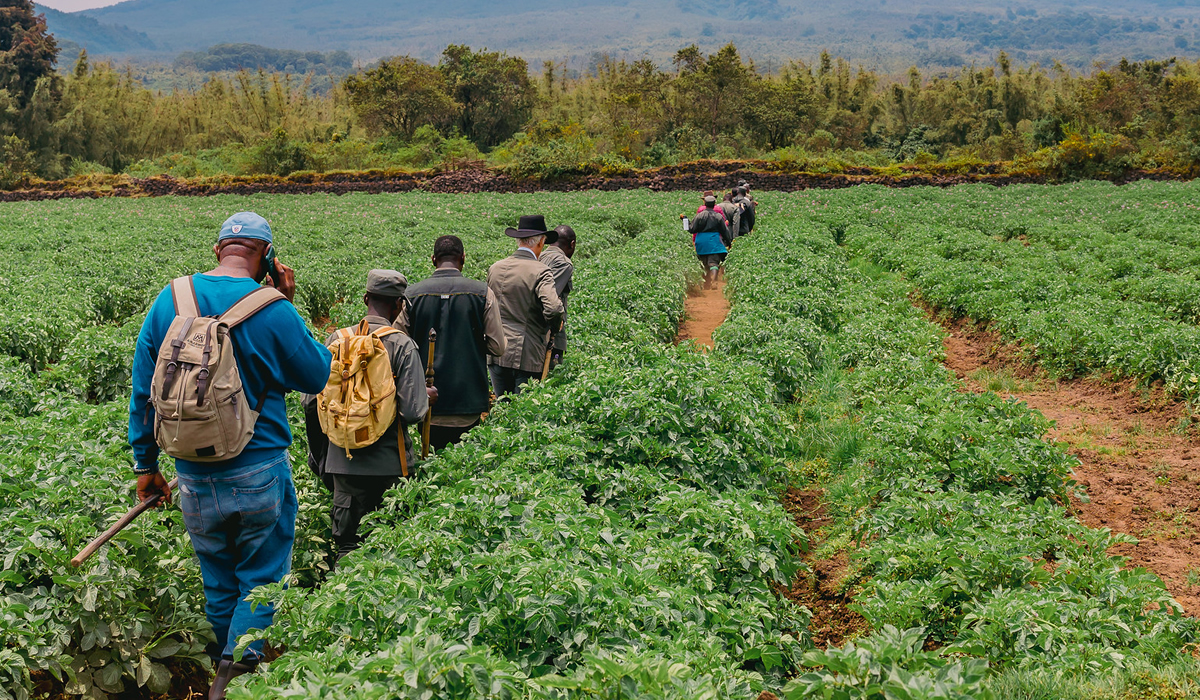
Volcanoes National Park is world famous for mountain gorilla trekking. This once-in-a-lifetime experience allows tourists to observe endangered gorillas in their natural habitat. Although gorilla permits are expensive, backpackers can still enjoy the region by taking guided hikes, visiting cultural villages, or participating in golden monkey trekking, which is more affordable.
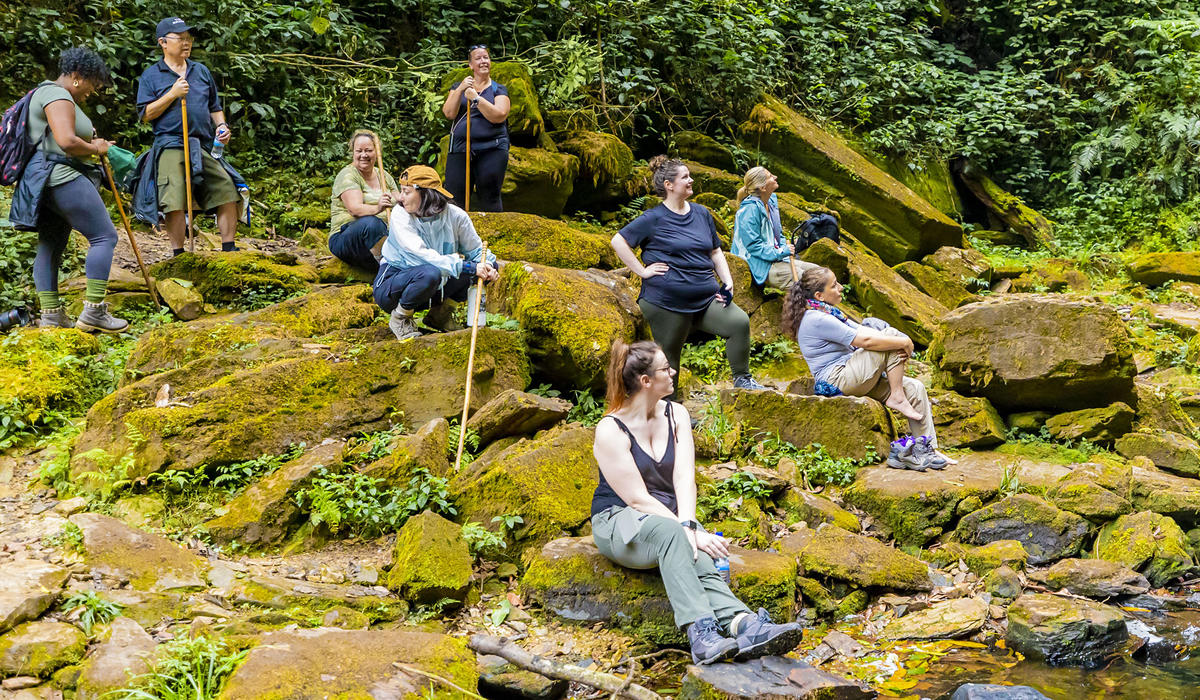
Another incredible destination is Nyungwe Forest National Park, one of Africa’s oldest rainforests. The park is home to numerous primate species, exotic birds, and lush vegetation. Backpacking tourists can explore the forest through guided nature walks, waterfall hikes, and the famous canopy walkway suspended high above the forest floor.
For a classic safari experience, Akagera National Park offers Savannah landscapes and diverse wildlife including elephants, giraffes, zebras, and lions. Backpackers can reduce costs by joining group game drives or taking self-guided day trips when possible.
Relaxing Along Lake Kivu
After exploring Rwanda’s forests and wildlife, many backpackers head to Lake Kivu for relaxation. This beautiful freshwater lake stretches along Rwanda’s western border and offers stunning views of surrounding hills.
Several lakeside towns provide welcoming stops for tourists. Gisenyi, Kibuye, and Cyangugu are among the most popular destinations along the lake. These towns feature sandy beaches, quiet waterfronts, and a relaxed atmosphere that contrasts with the energy of Kigali.
Backpackers can enjoy swimming, kayaking, boat rides, or simply relaxing along the shoreline. Many budget guesthouses and small hotels around Lake Kivu offer affordable accommodation with incredible lake views.
The scenic drive along the lake is also considered one of Rwanda’s most beautiful routes, making it a memorable part of any backpacking journey.
Cultural Experiences Along the Way
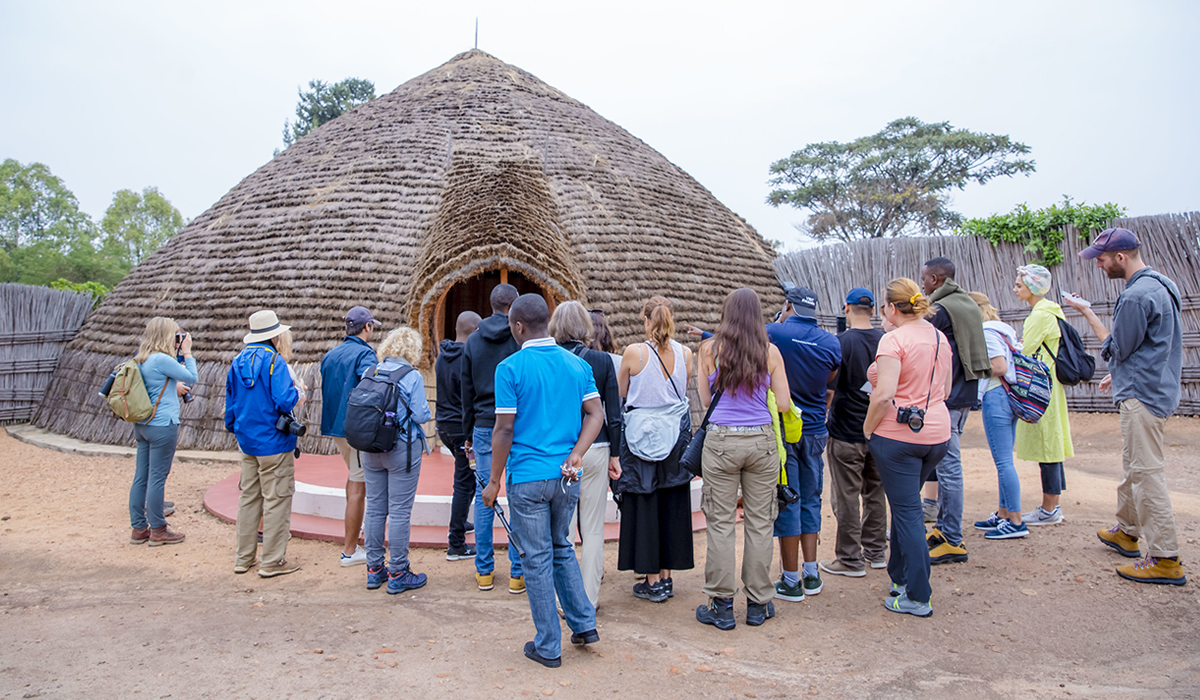
Backpacking through Rwanda offers tourists many opportunities to connect with local culture. Community-based tourism initiatives allow visitors to learn about traditional lifestyles, crafts, and music.
Tourists can attend cultural performances featuring traditional drumming and dance, visit local farms, or participate in craft-making workshops. These activities not only create memorable experiences but also support local communities and sustainable tourism.
The town of Huye is another interesting cultural stop for backpackers. Known for its academic institutions and museums, Huye offers insights into Rwanda’s intellectual and cultural heritage. The town’s relaxed environment and friendly locals make it a pleasant place to spend a few days.
Food is also an important part of Rwanda’s cultural experience. Backpackers can try local dishes such as brochettes, grilled fish, plantains, beans, and cassava. Small restaurants and roadside eateries provide delicious meals at affordable prices.
Getting Around Rwanda as a Backpacker
Transportation in Rwanda is relatively straightforward and affordable, which makes backpacking easier for tourists.
Public buses connect most major towns and cities. These buses are modern, reliable, and inexpensive, making them the most common form of long-distance transport.
Shared taxis operate on fixed routes and are another popular option for tourists travelling between towns. They are slightly faster than buses and remain affordable.
For short distances within cities, motorcycle taxis are widely used. Known locally as “moto taxis,” they are convenient and inexpensive. Tourists should always wear the helmet provided by the driver for safety.
Backpackers travelling in small groups sometimes choose to hire a car with a driver, which can become cost-effective when the cost is shared.
Practical Tips for Backpacking in Rwanda
Tourists planning to backpack through Rwanda can benefit from a few practical tips that make the journey smoother and more affordable.
Packing light is essential since Rwanda’s hilly terrain means that tourists may frequently move between destinations. Comfortable walking shoes are also important for hiking trails and city exploration.
Tourists should carry some local currency for small purchases, especially in rural areas where card payments may not be widely accepted.
Respect for local culture is also important. Rwanda is known for its orderly and respectful society, and tourists are encouraged to follow local customs and guidelines.
Finally, planning an itinerary that balances cities, national parks, and lakeside destinations will allow backpackers to experience Rwanda’s full diversity.
A Unique Backpacking Destination in Africa
Backpacking through Rwanda offers tourists a unique opportunity to experience one of Africa’s most inspiring countries. From the vibrant streets of Kigali to the mist-covered mountains of Volcanoes National Park and the tranquil waters of Lake Kivu, Rwanda delivers unforgettable adventures at every turn.
With its welcoming people, stunning landscapes, and improving tourism infrastructure, Rwanda continues to grow as a destination for independent tourists seeking meaningful experiences. Backpacking allows visitors to explore the country in a flexible, affordable, and immersive way.
For tourists who want to discover Rwanda beyond luxury safaris, a backpacking journey through the Land of a Thousand Hills promises adventure, cultural connection, and memories that last a lifetime.
Related Posts