
Bird Watching in Volcanoes National Park is one of the most rewarding wildlife experiences in Rwanda, offering visitors the opportunity to discover remarkable forest birds, colorful sunbirds, and rare Albertine Rift endemic species. Located in northwestern Rwanda, this beautiful conservation area is famous for its endangered mountain gorillas, but its rich birdlife makes it an equally fascinating destination for birdwatchers and nature enthusiasts.
Volcanoes National Park is among the best places to visit in Rwanda for travelers interested in mountain scenery, primate encounters, and highland bird species. Approximately 200 bird species have been recorded in the park, including 17 Albertine Rift endemics, making it an important destination for specialized birding experiences.
The spectacular Volcanoes National Park protects a diverse landscape of bamboo forests, montane woodland, grasslands, wetlands, and volcanic slopes. These habitats provide feeding, nesting, and sheltering opportunities for numerous bird species, including the Rwenzori Turaco, Strange Weaver, Rwenzori Batis, and Rwenzori Double-collared Sunbird.
Whether you are an experienced birder searching for Albertine Rift specialties or a beginner hoping to observe beautiful forest birds, Bird Watching in Volcanoes National Park offers an excellent opportunity to appreciate Rwanda’s remarkable biodiversity.

Highlights of Bird Watching in Volcanoes National Park
- Explore a national park with approximately 200 recorded bird species.
- Search for 17 Albertine Rift endemic bird species.
- Spot the spectacular Rwenzori Turaco in montane forest habitats.
- Look for Rwenzori Batis, Strange Weaver, and colorful sunbirds.
- Discover bamboo forests, volcanic slopes, and high-altitude vegetation.
- Enjoy bird photography surrounded by the beautiful Virunga Mountains.
- Learn about bird identification and conservation from experienced guides.
- Combine birdwatching with gorilla trekking, golden monkey tracking, or nature hikes.
Why Volcanoes National Park Is an Excellent Birding Destination
Volcanoes National Park is one of Rwanda’s most interesting birding destinations because of its location within the Albertine Rift region. This mountainous landscape supports bird species adapted to cool temperatures, thick forests, high elevations, and specialized feeding environments.
The park covers approximately 160 square kilometers and includes the Rwandan slopes of five Virunga volcanoes: Karisimbi, Bisoke, Sabyinyo, Gahinga, and Muhabura. Changes in elevation create different vegetation zones, allowing birdwatchers to encounter species associated with forest edges, bamboo stands, montane woodland, and higher-altitude habitats.
Bird watching is particularly enjoyable in the early morning when many species are actively feeding, calling, and moving through the vegetation. With a knowledgeable guide, visitors can identify birds by their appearance, songs, preferred habitats, and behavior.
Although bird sightings can never be guaranteed, the combination of diverse habitats, Albertine Rift specialties, and beautiful mountain scenery makes the park a rewarding destination for both photography enthusiasts and dedicated birdwatchers.
Bird Species Found in Volcanoes National Park
Bird Watching in Volcanoes National Park introduces visitors to a fascinating selection of forest and highland species. Some birds are colorful and relatively distinctive, while others are small, shy, or difficult to observe within the dense vegetation.
1. Rwenzori Turaco
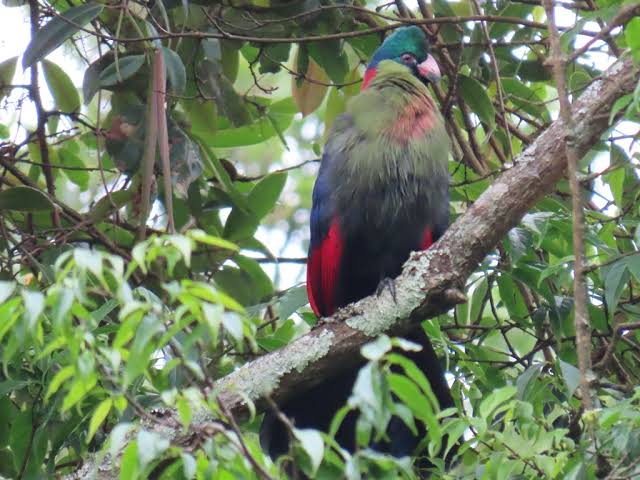
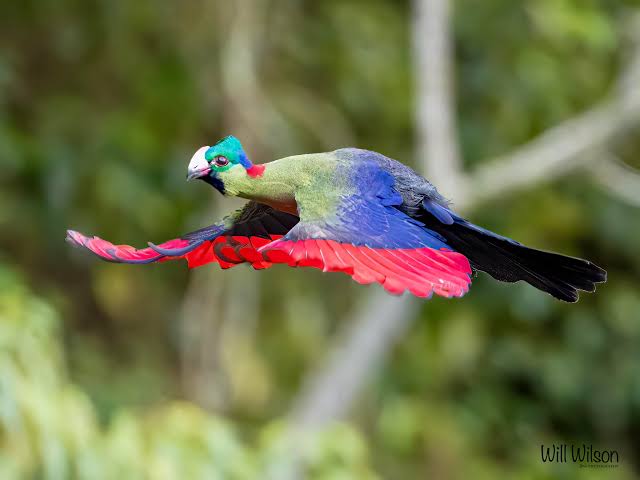
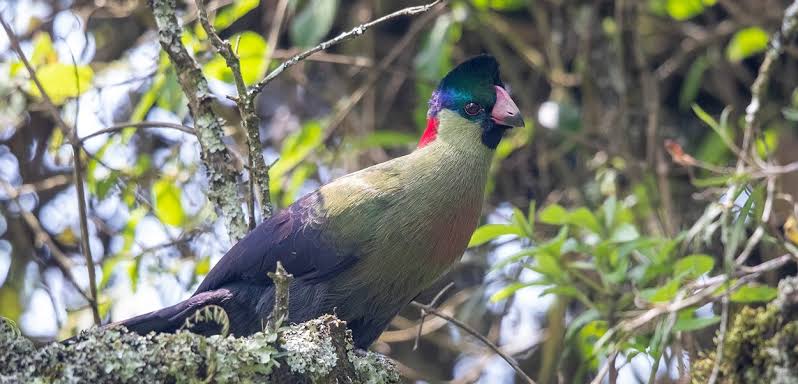
The Rwenzori Turaco is among the most recognizable and sought-after birds in Volcanoes National Park. This striking forest species is admired for its colorful plumage, prominent crest, and distinctive calls that can often be heard echoing through the montane forest.
Birdwatchers frequently search for Rwenzori Turacos in wooded habitats where they move between branches and feed on fruits. Their beautiful appearance makes them particularly attractive to wildlife photographers.
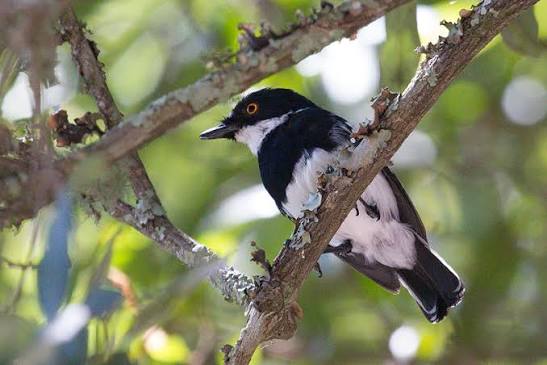
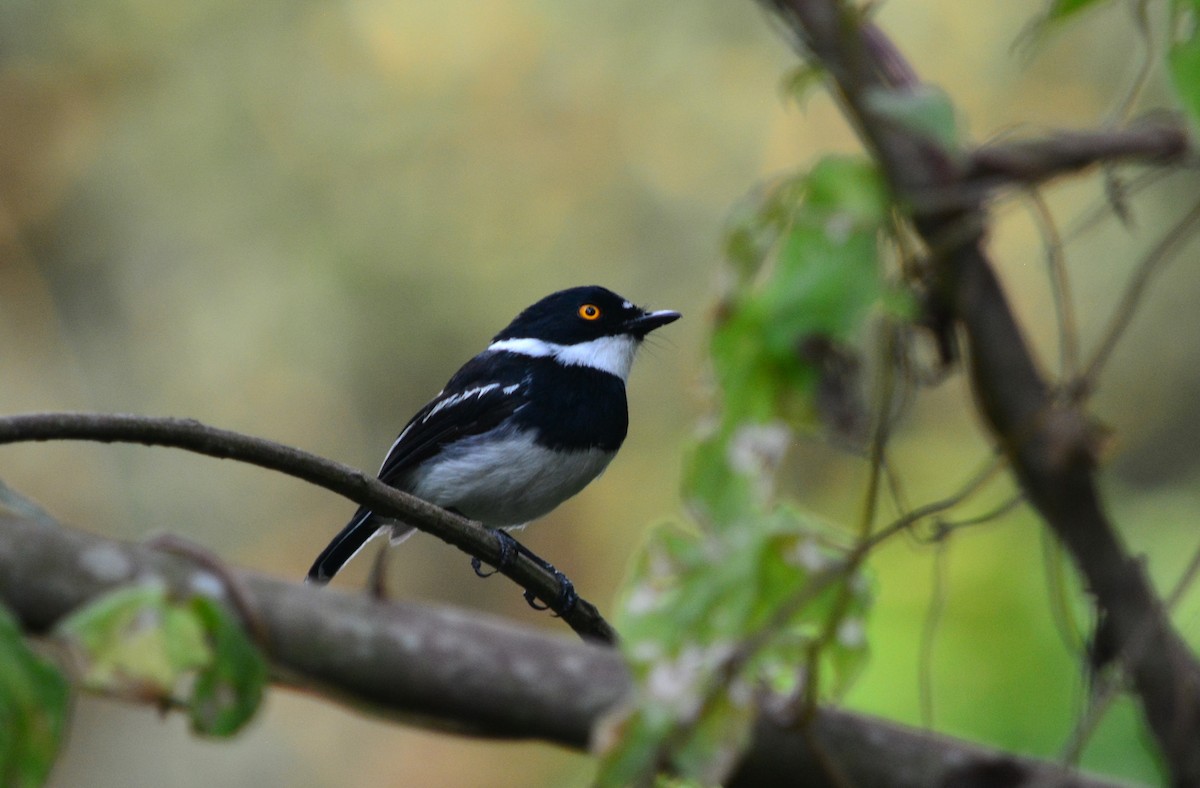
2. Rwenzori Batis
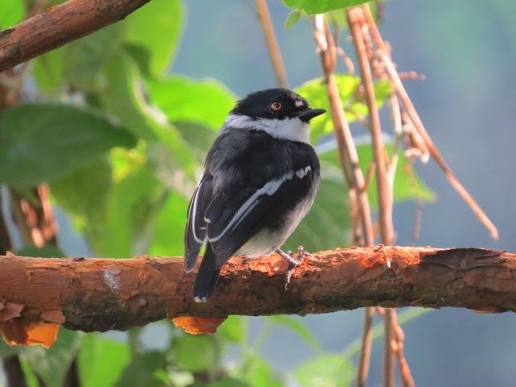
The Rwenzori Batis is a small and attractive forest bird associated with the montane habitats of the Albertine Rift. Its contrasting plumage and active movements make it a fascinating species to observe during guided birdwatching walks.
This bird often moves among branches while searching for insects. Visitors may hear its calls before locating it within the forest canopy or understory. A good pair of binoculars is especially helpful when observing small birds such as the Rwenzori Batis.
3. Strange Weaver
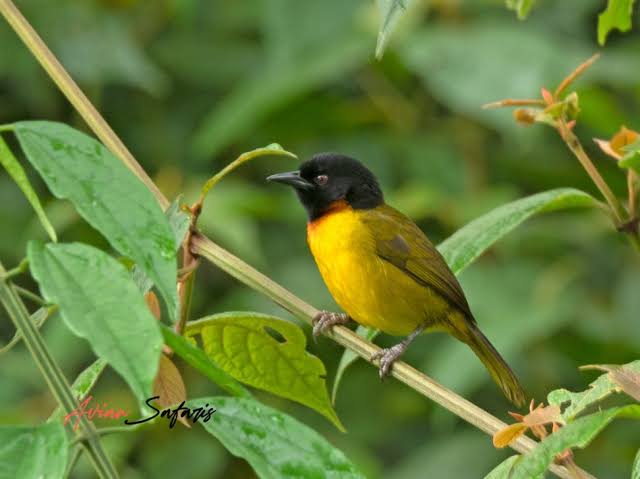
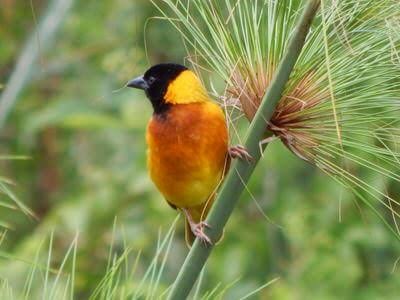
The Strange Weaver is another interesting Albertine Rift endemic bird that visitors may search for during Bird Watching in Volcanoes National Park. Unlike some familiar weaver species found around open grasslands and villages, this bird is associated with montane forest environments.
Strange Weavers are often observed searching for food among forest vegetation. Their distinctive appearance and preference for wooded habitats make them valuable additions to a dedicated Rwanda birding checklist.
4. Rwenzori Double-collared Sunbird
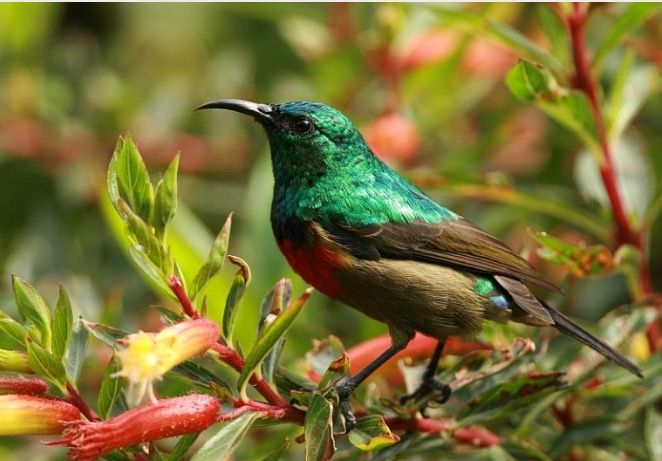
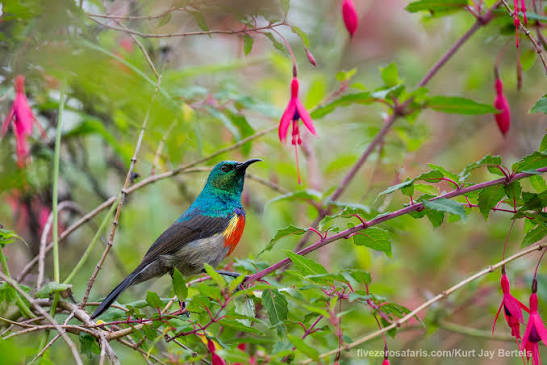
The Rwenzori Double-collared Sunbird is a beautiful highland bird known for the iridescent plumage of the male and its energetic movements around flowering plants. These small birds feed on nectar and also consume insects, making them important members of the mountain ecosystem.
Sunbirds provide excellent opportunities for bird photography, particularly when they pause around flowering shrubs. Their rapid movements can make photography challenging, so patience and a suitable camera lens are useful.
5. Other Notable Bird Species
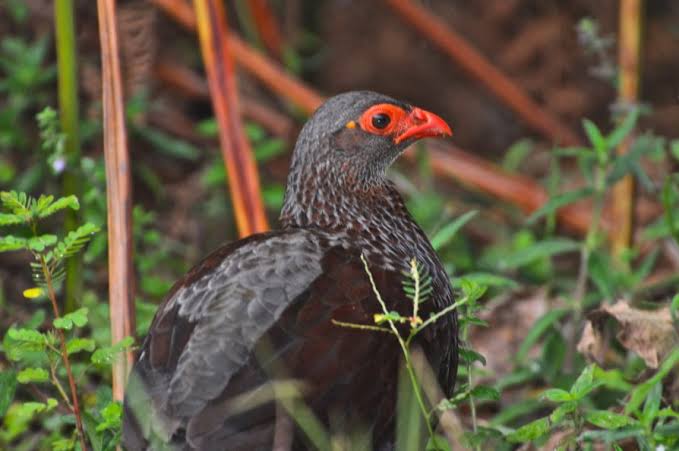
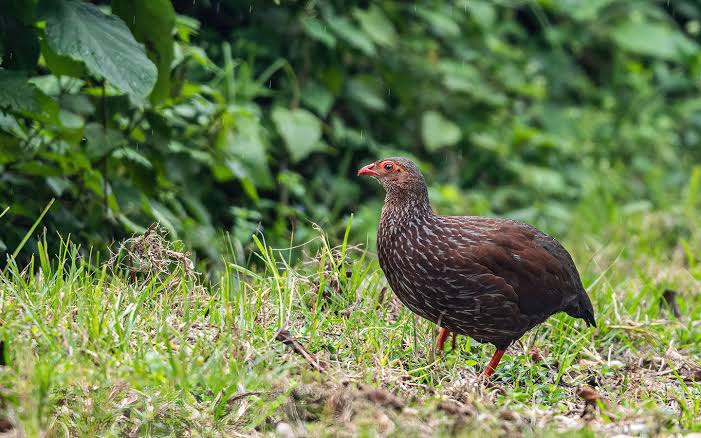
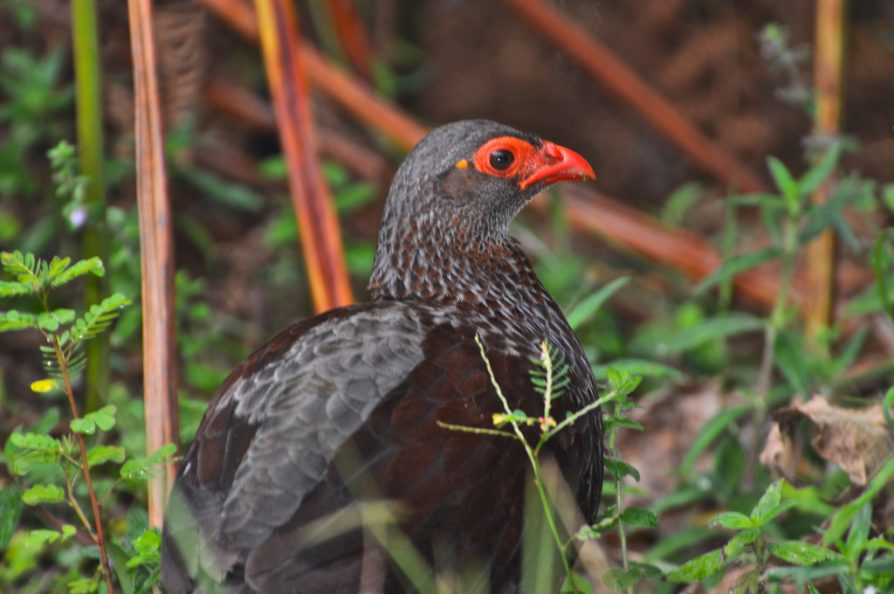
In addition to the featured species, birdwatchers may search for Handsome Spurfowl, Dusky Crimsonwing, Collared Apalis, Red-faced Woodland Warbler, Archer’s Robin-Chat, Rwenzori Nightjar, and Grauer’s Swamp Warbler in suitable habitats.
Other birds recorded around the park include the Narina Trogon, Brown-necked Parrot, Dusky Turtle Dove, and several birds of prey. The Scarlet-tufted Sunbird is a particularly notable high-altitude specialty associated with the Mount Bisoke area, although reaching its habitat requires a more demanding excursion.
The bird species encountered on any excursion depend on the route, vegetation, weather, season, and time spent observing. A dedicated birding guide can help visitors identify different species and understand their behavior.
Albertine Rift Endemic Birds in Volcanoes National Park
One of the greatest attractions of Bird Watching in Volcanoes National Park is the opportunity to search for species associated with the Albertine Rift, an important biodiversity region extending along the western branch of the East African Rift system.
Volcanoes National Park supports 17 Albertine Rift endemic bird species. These specialized birds are among the main reasons experienced birdwatchers include Rwanda’s mountain forests in their East African birding itineraries.
Notable examples include the Rwenzori Turaco, Strange Weaver, Rwenzori Batis, Rwenzori Double-collared Sunbird, Handsome Spurfowl, Dusky Crimsonwing, and Red-faced Woodland Warbler.
Finding some of these species can be challenging because they occupy dense vegetation, move quickly, or prefer particular elevations. Spending sufficient time in suitable habitats and birding with an experienced local guide can improve the overall experience.
Best Bird Watching Habitats in Volcanoes National Park
Montane Forests
The montane forests provide some of the most interesting birdwatching opportunities in the park. These wooded habitats support species such as the Rwenzori Turaco, Rwenzori Batis, and other forest birds that depend on dense mountain vegetation.
Bamboo Forests
Bamboo forests are an important feature of Volcanoes National Park, particularly along parts of the volcanic slopes. Birdwatchers exploring permitted routes through these habitats may observe forest birds moving between bamboo stands and surrounding vegetation.
Forest Edges and Lower Slopes
Forest edges and the lower slopes around the park can provide accessible birdwatching opportunities. Flowering plants, shrubs, and scattered trees attract sunbirds and other species, making these areas useful for introductory birding and photography.
High-altitude Habitats
The upper volcanic slopes contain specialized vegetation adapted to cooler temperatures and high elevations. Some bird species are associated with these habitats, although access can require strenuous hiking and suitable weather conditions.
Birding tip: Access to trails inside Volcanoes National Park is regulated. Arrange guided birdwatching and any necessary permissions in advance. Birding around Musanze, nearby forest edges, and surrounding lakes may offer additional opportunities outside the park’s main trekking routes.
Best Time for Bird Watching in Volcanoes National Park
Bird Watching in Volcanoes National Park is possible throughout the year. However, seasonal rainfall influences hiking conditions, visibility, and bird activity. Travelers should select their preferred period according to whether they prioritize easier walks, photography, or particular bird species.
Drier Months: June to September
The relatively drier months often provide more comfortable walking conditions and easier access to forest trails. These months are popular with travelers who want to combine birdwatching with gorilla trekking and other outdoor experiences.
December to February
This period is generally another favorable time for birdwatching, although rainfall remains possible. Birders may enjoy active forest birds, flowering vegetation, and opportunities for mountain wildlife photography.
Wetter Months: March to May
Rainfall creates lush vegetation and vibrant forest scenery. Bird activity can still be rewarding, but muddy trails, mist, and changing weather conditions may make some excursions more challenging.
October to November
The shorter rainy period can provide productive birding opportunities, including the possibility of observing seasonal visitors. Birdwatchers should prepare for wet conditions and allow flexibility in their plans.
For many visitors, June to September and December to February offer a practical balance between birdwatching opportunities and hiking conditions. However, dedicated birders can explore the park in any season with appropriate preparation.
What to Pack for Bird Watching in Volcanoes National Park
Preparing the right equipment can make your birdwatching experience more comfortable and productive. Mountain weather changes quickly, and some forest trails may become muddy even during relatively drier periods.
- A good pair of binoculars for identifying birds.
- A camera with a suitable telephoto lens.
- Waterproof hiking boots with reliable grip.
- A lightweight waterproof rain jacket.
- Long-sleeved shirts and comfortable trousers.
- A Rwanda or East Africa bird field guide.
- A small waterproof backpack.
- Drinking water and energy snacks.
- A notebook or bird checklist.
- Extra camera batteries and memory cards.
- Insect repellent and personal medication.
- Warm layers for cool mountain mornings.
Neutral-colored clothing is generally suitable for forest birdwatching. Walk quietly, avoid disturbing nesting birds, and follow your guide’s instructions throughout the activity.
Other Activities to Enjoy in Volcanoes National Park
Mountain Gorilla Trekking
Gorilla trekking is the park’s best-known wildlife activity. Visitors join experienced rangers to track a habituated mountain gorilla family and spend up to one hour observing these remarkable primates. The activity requires a separate gorilla trekking permit and advance planning.
Golden Monkey Tracking
Golden monkey tracking provides another opportunity to explore the park’s bamboo forests. These energetic primates are recognized by their striking golden-orange coloring and playful behavior. The experience can be combined with birdwatching on a multi-day Rwanda safari.
Hiking to the Dian Fossey Tomb
Visitors interested in Rwanda’s conservation history can experience hiking to the Dian Fossey tomb, a meaningful excursion honoring the American primatologist who dedicated much of her life to mountain gorilla research and protection.
Volcano Hiking and Nature Experiences
Volcanoes National Park offers hiking experiences associated with Mount Bisoke and other volcanic landscapes. Visitors can also explore the wider Musanze region, enjoy countryside scenery, and learn about Rwanda’s unique mountain ecosystem.
Cultural Experiences
The Gorilla Guardians cultural experience, formerly associated with the Iby’Iwacu Cultural Village, introduces travelers to local traditions, music, dancing, and community life. Such visits provide an opportunity to learn about cultural heritage and the relationship between tourism and surrounding communities.
Why Choose a Guided Bird Watching Safari in Rwanda?
Experienced Bird Identification
Professional birding guides understand the habitats, calls, and behavior of Rwanda’s forest birds. Their experience can help visitors recognize species that would otherwise be difficult to identify.
Better Opportunities for Forest Bird Photography
Photographing birds in montane forests requires patience and careful observation. A guide can help locate suitable viewing areas while minimizing disturbance to wildlife and vegetation.
Flexible Birding Experiences
Guided birdwatching arrangements can be tailored to different interests, including casual nature observation, bird photography, or searching for particular Albertine Rift endemic species.
Combine Birdwatching with Other Rwanda Adventures
Travelers can combine Bird Watching in Volcanoes National Park with gorilla trekking, golden monkey tracking, guided hiking, and cultural activities to create a more comprehensive Rwanda wildlife experience.
Support Responsible Wildlife Tourism
Responsible birdwatching encourages appreciation of natural habitats while supporting local guiding services and conservation awareness. Visitors should follow park regulations and avoid disturbing birds or other wildlife.
Frequently Asked Questions About Bird Watching in Volcanoes National Park
1. How many bird species are found in Volcanoes National Park?
Approximately 200 bird species have been recorded in Volcanoes National Park, including 17 Albertine Rift endemic species. The park’s montane forests, bamboo habitats, and volcanic landscapes support a diverse collection of mountain birds.
2. What are the best birds to see in Volcanoes National Park?
Notable species include the Rwenzori Turaco, Rwenzori Batis, Strange Weaver, Rwenzori Double-collared Sunbird, Handsome Spurfowl, Dusky Crimsonwing, Collared Apalis, and Red-faced Woodland Warbler. Sightings depend on habitat, season, and field conditions.
3. What is the best time for birdwatching in Volcanoes National Park?
Birdwatching is possible throughout the year. June to September and December to February generally offer relatively drier hiking conditions, while wetter months can provide lush vegetation and active forest birdlife.
4. Can I combine birdwatching with gorilla trekking?
Yes. Travelers can combine birdwatching with mountain gorilla trekking, golden monkey tracking, and other guided experiences. Separate permits or arrangements may be necessary for activities inside the national park.
5. Do I need a guide for birdwatching in Volcanoes National Park?
Guided birdwatching is recommended, particularly for visitors searching for Albertine Rift endemic species. Access inside the protected park is regulated, and travelers should confirm the appropriate guide and entry arrangements beforehand.
6. Is Volcanoes National Park suitable for beginner birdwatchers?
Yes. Beginners can enjoy identifying colorful birds, listening to forest calls, and learning from experienced guides. More demanding birding routes may require greater fitness, but easier observation opportunities can be arranged in accessible areas around Musanze.
7. What equipment do I need for birdwatching in Rwanda?
Recommended equipment includes binoculars, waterproof hiking boots, a rain jacket, comfortable long-sleeved clothing, a bird field guide, and a camera if you enjoy photography. A small backpack, drinking water, and spare batteries are also useful.
8. Where is Volcanoes National Park located?
Volcanoes National Park is situated in northwestern Rwanda, close to Musanze and the Virunga Mountains. It protects part of Rwanda’s highland volcanic ecosystem and is famous for mountain gorillas, golden monkeys, and specialized forest birds.
9. How much time should I allow for birdwatching?
A half-day or full-day guided experience can provide an enjoyable introduction to local birdlife. Dedicated birdwatchers may prefer two or more days to explore different habitats and increase their chances of identifying particular species.
10. Can I photograph birds in Volcanoes National Park?
Bird photography is a rewarding part of the experience. A telephoto lens is useful for photographing small or distant birds. Visitors should avoid disturbing nesting birds, stay on approved routes, and follow all park photography guidelines.
Plan Your Bird Watching Safari in Volcanoes National Park
Discover Rwanda’s remarkable mountain birdlife with an unforgettable Bird Watching in Volcanoes National Park experience. From colorful Rwenzori Turacos and beautiful sunbirds to elusive Albertine Rift endemic species, the park offers an exciting opportunity to explore one of East Africa’s distinctive highland ecosystems.
Whether you are a professional birdwatcher, wildlife photographer, or nature enthusiast, your Rwanda birding adventure can be planned around your preferred interests, travel dates, and desired wildlife experiences.
Enquire Now – Book Your Rwanda Birding Safari