Rwanda is often celebrated for gorilla trekking and classic African safaris, but it is also…
Community Tourism Projects in Rwanda
Rwanda has earned global recognition for its conservation success, clean cities, and remarkable transformation over the past decades. Yet beyond its famous wildlife experiences lies something equally powerful, community tourism projects that place local people at the heart of the tourism value chain. For socially conscious tourists seeking authentic engagement, Rwanda offers opportunities to connect with communities, support livelihoods, and experience culture in meaningful ways.
At Fruits of Hope Adventure Tours and Travel, we believe tourism should benefit both visitors and host communities. Community tourism projects in Rwanda demonstrate how responsible tourism can preserve culture, protect nature, and generate sustainable income for local families.
What Is Community Tourism in Rwanda?
Community tourism in Rwanda refers to tourism initiatives owned or managed by local communities, cooperatives, or grassroots associations. Instead of profits flowing only to external investors, a significant portion of revenue supports local development such as education, healthcare, conservation programs, and small business growth.
These projects are often located near national parks and rural villages, allowing tourists to explore Rwanda’s cultural heritage alongside its natural attractions. Many are supported by conservation authorities such as the Rwanda Development Board, which promotes sustainable tourism policies nationwide.
Community-based tourism experiences in Rwanda include village walks, traditional dance performances, craft workshops, agricultural visits, homestays, and conservation activities. The result is a deeper connection between tourists and local communities.
Why Community Tourism Matters in Rwanda
Rwanda’s tourism sector is closely tied to conservation, especially around protected areas like Volcanoes National Park and Nyungwe Forest National Park. Community tourism projects help reduce human wildlife conflict by providing alternative income sources for residents living near these parks.
When tourists participate in community experiences, they contribute directly to:
- Job creation for local youth and women
- Preservation of traditional Rwandan culture
- Environmental conservation
- Infrastructure development in rural areas
- Education and healthcare initiatives
This model ensures that communities see tangible benefits from tourism, strengthening support for wildlife conservation and sustainable practices.
Iby’Iwacu Cultural Village, A Model for Community Tourism
One of Rwanda’s most recognized community tourism projects is the Iby’Iwacu Cultural Village, located near Volcanoes National Park. Originally formed to provide alternative livelihoods for former poachers, the village has transformed into a vibrant cultural hub.
Here, tourists can experience:
- Traditional Rwandan dance and drumming performances
- Intore warrior demonstrations
- Local banana beer brewing
- Traditional healing practices
- Community storytelling sessions
Revenue generated supports community welfare programs, education initiatives, and social development. Visiting Iby’Iwacu not only enriches the cultural understanding of tourists but also supports rehabilitation and economic empowerment efforts.
Red Rocks Rwanda, Arts, Culture, and Sustainability
Another impactful initiative is Red Rocks Rwanda, a cultural center that blends tourism, arts, environmental conservation, and community development. Red Rocks partners with local artists, farmers, and women’s cooperatives to create immersive experiences for tourists.
Activities include:
- Art and craft workshops
- Banana beer brewing experiences
- Traditional cooking classes
- Tree planting initiatives
- Coffee and agricultural tours
Red Rocks Rwanda demonstrates how creative tourism can empower communities while preserving cultural identity. It is a prime example of sustainable tourism in Rwanda.
Women-Led Cooperatives and Handicraft Tourism
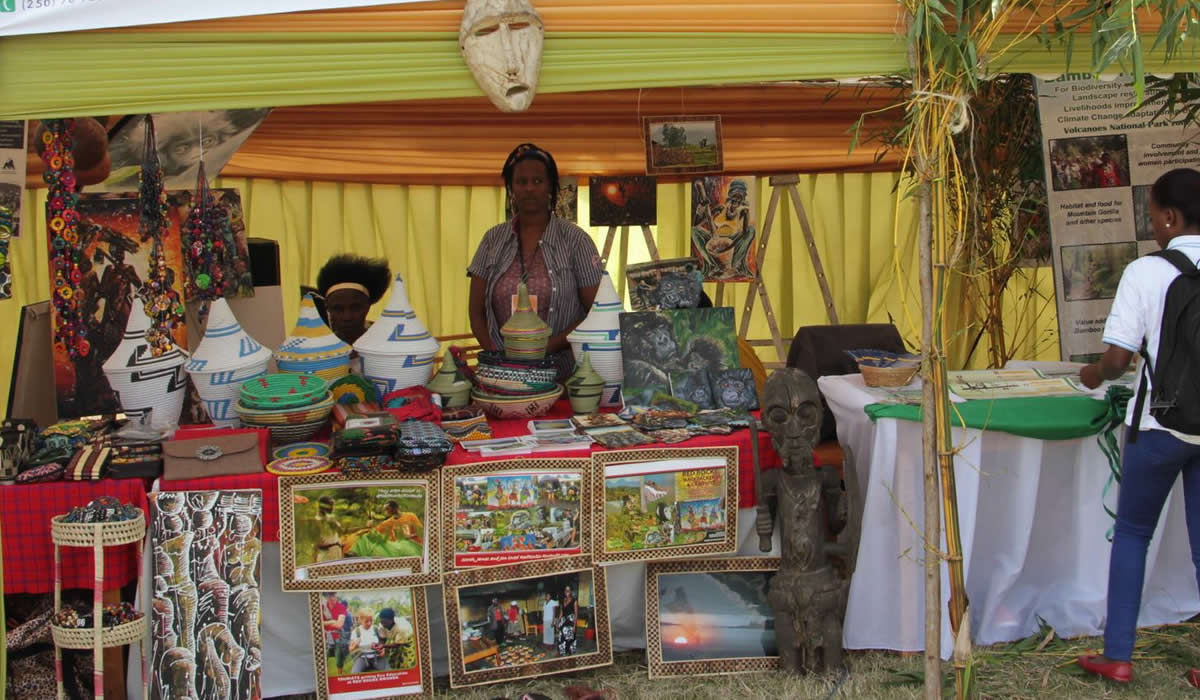
Across Rwanda, women’s cooperatives play a significant role in community tourism projects. In rural areas near Akagera National Park, women’s groups produce baskets, textiles, and handmade crafts sold to tourists.
These cooperatives provide:
- Income for single mothers and widows
- Skills training in weaving and entrepreneurship
- Financial independence for women
- Educational support for children
Tourists who purchase locally made handicrafts contribute directly to women’s economic empowerment. Many community visits also allow tourists to participate in weaving sessions, creating an interactive and meaningful experience.
Community Tourism in Nyungwe Forest Region
The communities surrounding Nyungwe Forest National Park have developed tourism projects that complement chimpanzee trekking and canopy walk experiences. Local associations organize:
- Tea plantation tours
- Cultural dance performances
- Traditional farming experiences
- Guided nature walks led by trained community guides
Revenue from these initiatives supports conservation awareness and reduces dependency on forest resources. This is a sustainable model where tourism protects biodiversity while improving livelihoods.
Gorilla Guardians and Conservation-Based Tourism
Near Volcanoes National Park, the Gorilla Guardians initiative works to preserve Rwanda’s cultural heritage while supporting conservation. Former hunters are now cultural ambassadors, sharing traditional knowledge with tourists.
This transformation highlights how tourism can reduce poaching and foster positive change. By participating in such programs, tourists contribute to conservation efforts while gaining authentic insights into Rwanda’s history and traditions.
Coffee Tourism and Agricultural Experiences
Rwanda is internationally recognized for its high-quality Arabica coffee. Community tourism projects often include coffee farm tours where tourists learn about cultivation, harvesting, washing, roasting, and tasting processes.
Many cooperatives in Rwanda’s rural districts offer immersive coffee experiences that support smallholder farmers. Tourists can walk through plantations, meet farmers, and understand the journey from bean to cup. Revenue helps improve farming techniques and community welfare.
Agricultural tourism is particularly impactful because it strengthens local value chains while offering tourists an educational and sensory experience.
Homestays and Village Immersion Programs
For tourists seeking deeper cultural immersion, community homestay programs offer an opportunity to live with local families. These programs are carefully organized to ensure safety, comfort, and cultural respect.
Homestays provide:
- Home-cooked traditional meals
- Language exchange experiences
- Participation in daily activities such as farming or cooking
- Direct income to host families
Such experiences allow tourists to move beyond observation and truly engage with Rwandan life. It is tourism rooted in connection rather than consumption.
Economic and Social Impact of Community Tourism in Rwanda
Community tourism projects in Rwanda have generated measurable socio-economic impact:
- Increased household incomes in rural areas
- Reduced reliance on illegal forest activities
- Improved access to education through tourism-funded scholarships
- Stronger community participation in conservation efforts
- Promotion of Rwanda’s cultural heritage globally
Tourism revenue sharing schemes, supported by national authorities, allocate a percentage of park revenues to surrounding communities. This reinforces the link between conservation and community development.
Sustainable Tourism and Responsible Travel Practices
Responsible tourism is essential for maintaining the integrity of community projects. Tourists visiting Rwanda should:
- Respect local customs and traditions
- Seek permission before taking photographs
- Support locally owned businesses
- Avoid exploitative or staged experiences
- Travel with ethical tour operators
At Fruits of Hope Adventure Tours and Travel, we design itineraries that integrate community tourism projects responsibly. Our goal is to ensure that every experience adds value to both tourists and host communities.
How Fruits of Hope Adventure Tours and Travel Supports Community Tourism
As a responsible tour company operating in East Africa, Fruits of Hope Adventure Tours and Travel partners with verified community-based organizations across Rwanda. We carefully select projects that demonstrate transparency, local ownership, and measurable impact.
Our Rwanda community tourism packages combine:
- Gorilla trekking experiences
- Cultural village visits
- Women’s cooperative tours
- Coffee farm experiences
- Conservation education programs
We work closely with local leaders to ensure fair compensation and authentic engagement. By booking with us, tourists contribute directly to Rwanda’s sustainable tourism ecosystem.
Why Tourists Should Choose Community Tourism in Rwanda
Community tourism in Rwanda offers something beyond sightseeing. It provides meaningful encounters, shared stories, and genuine cultural exchange. Instead of simply observing, tourists become participants in local life.
The benefits include:
- Authentic cultural experiences.
- Direct contribution to local livelihoods.
- Deeper understanding of Rwanda’s resilience and transformation.
- Support for conservation and environmental protection.
- Memorable human connections.
In a world where tourism can sometimes feel commercialized, Rwanda’s community tourism projects offer authenticity and purpose.
Community tourism projects in Rwanda represent a powerful model of inclusive and sustainable tourism. From cultural villages near Volcanoes National Park to women’s cooperatives around Akagera and tea experiences near Nyungwe Forest, these initiatives ensure that tourism revenue supports the people who call Rwanda home.
For tourists seeking responsible and impactful experiences, Rwanda offers an inspiring example of how tourism can drive positive change.
At Fruits of Hope Adventure Tours and Travel, we are committed to connecting tourists with Rwanda’s vibrant communities in ways that respect culture, empower local people, and protect the environment. Community tourism is not just an add-on to a safari itinerary, it is a meaningful journey into the heart of Rwanda.
Related Posts