Rwanda is widely known for its breathtaking landscapes and unforgettable wildlife safaris, but the country…
How to Plan a Rwanda Safari
Rwanda has become one of Africa’s most sought-after safari destinations. Rwanda offers extraordinary wildlife experiences, breathtaking scenery, and a strong commitment to conservation. From unforgettable gorilla trekking adventures to classic Savannah game drives, Rwanda offers tourists a safari experience that combines wildlife, culture, and comfort. This guide explains how to plan a Rwanda Safari and enjoy one of Africa’s most remarkable wildlife destinations.
Planning a Rwanda safari requires thoughtful preparation to ensure the experience is smooth and rewarding. From choosing the best time to visit to selecting national parks and organising permits, every detail matters.
Choosing the Best Time for a Rwanda Safari
One of the most important steps when planning a Rwanda safari is deciding when to visit. Rwanda is a year-round destination, but weather patterns can influence safari activities.
The dry seasons, typically from June to September and December to February, are considered the best times for wildlife viewing. During these months, forest trails are less muddy and trekking conditions are more comfortable for tourists searching for primates.
Gorilla trekking in Volcanoes National Park is possible throughout the year, but the dry seasons generally make hiking easier. Wildlife viewing in Akagera National Park is also excellent during these months because animals gather near water sources.
The rainy seasons, from March to May and October to November, can still offer rewarding safaris. Although trails may be muddy, the landscapes become incredibly lush and green, and there are often fewer tourists in the parks.
Selecting the Best National Parks
Rwanda may be small in size, but it offers remarkable ecological diversity. Choosing the right parks is essential when planning a safari.
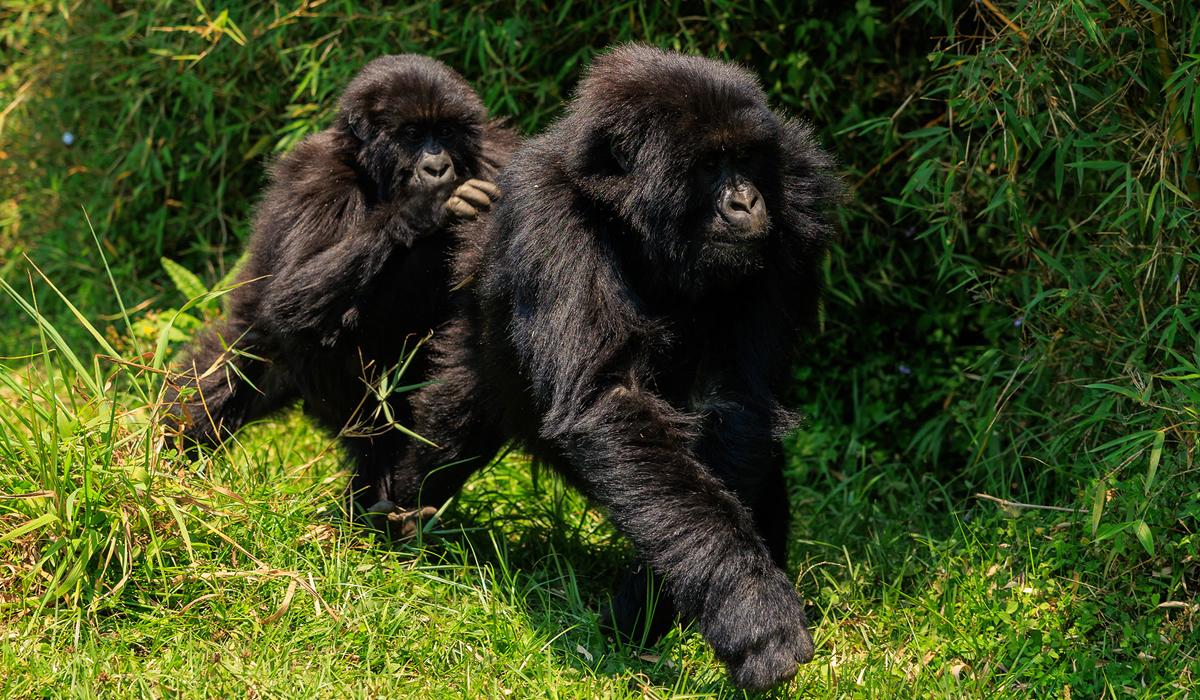
Most Rwanda safari itineraries include Volcanoes National Park, which is world famous for mountain gorilla trekking. Tourists hike through misty forests to observe families of Mountain Gorilla in their natural habitat. This is often considered one of the most powerful wildlife experiences on Earth.
For tourists interested in classic African wildlife safaris, Akagera National Park is the perfect destination. The park features savannah landscapes, lakes, and wetlands where tourists can see animals such as the Lion, African Elephant, Leopard, African Buffalo, and Rhinoceros, collectively known as the Big Five.
Another incredible destination is Nyungwe Forest National Park, one of Africa’s oldest rainforests. The park is famous for chimpanzee tracking and the chance to observe the intelligent Chimpanzee in the wild. Nyungwe is also home to several other primate species and offers the famous canopy walk above the forest.
Planning Gorilla Trekking Permits
For many tourists, gorilla trekking is the main reason for visiting Rwanda. Because only a limited number of tourists are allowed to visit gorilla families each day, permits must be secured well in advance.
Gorilla trekking permits in Rwanda are issued for visits to Volcanoes National Park and are highly regulated to protect the endangered gorillas. Each permit allows a small group of tourists to spend one hour observing a habituated gorilla family.
Booking permits several months ahead is strongly recommended, especially during peak travel seasons. Many tourists choose to work with experienced safari operators who arrange permits, transportation, and accommodations as part of a safari package.
Deciding How Long Your Safari Should Be
The ideal Rwanda safari length depends on what tourists want to experience. Some visitors come primarily for gorilla trekking, while others want a broader wildlife itinerary.
A short safari of three to four days can include gorilla trekking in Volcanoes National Park and time to explore the nearby lakes and cultural attractions.
A five to seven day safari allows tourists to combine gorilla trekking with chimpanzee tracking in Nyungwe Forest National Park and wildlife viewing in Akagera National Park. This type of itinerary provides a complete Rwanda safari experience.
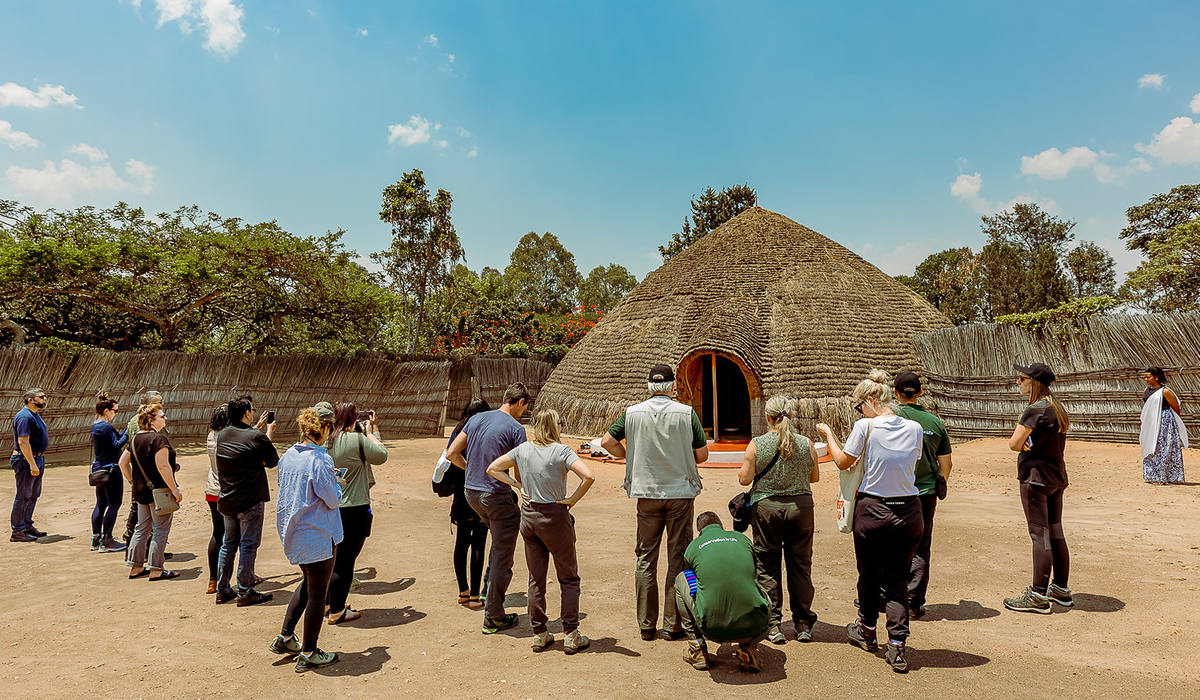
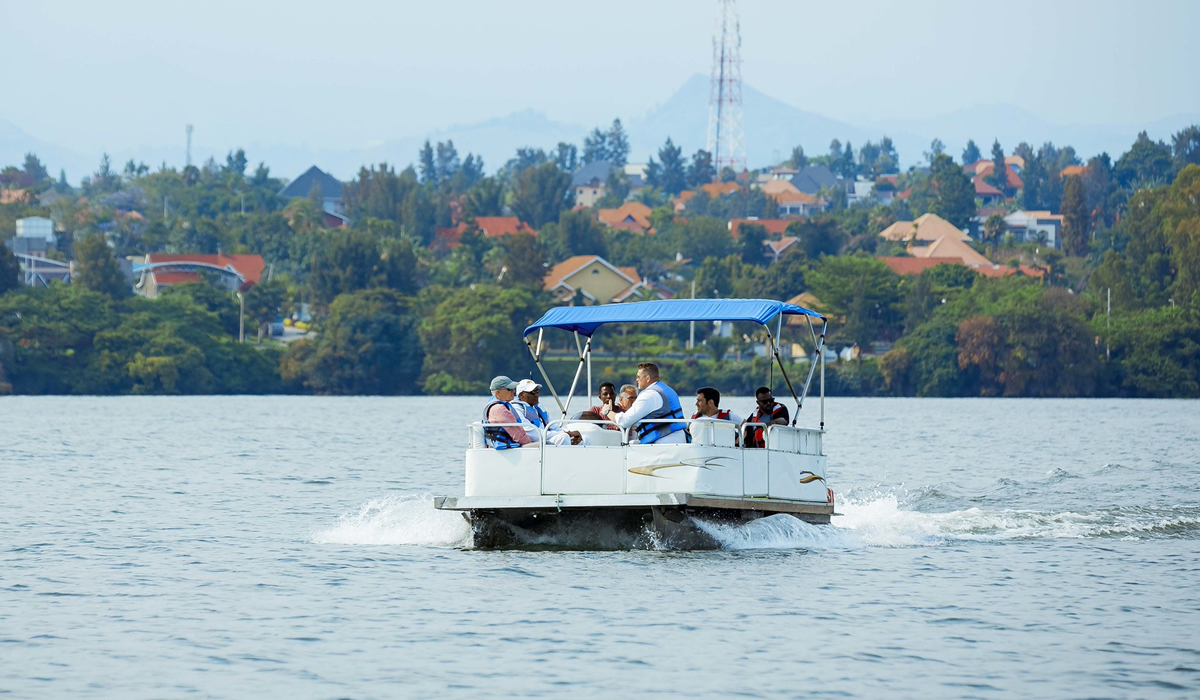
Longer safaris can also include relaxation at Lake Kivu or visits to cultural sites in Kigali, creating a balanced adventure that combines wildlife and culture.
Choosing the Right Safari Accommodation
Accommodation is another important factor when planning a Rwanda safari. The country offers a wide range of options, from luxury lodges to mid-range safari camps.
Near Volcanoes National Park, tourists can stay in comfortable lodges surrounded by forested mountains. These lodges often offer spectacular views of the Virunga volcanoes and easy access to gorilla trekking starting points.
In Akagera National Park, safari lodges and tented camps overlook lakes and Savannah plains, providing excellent opportunities for wildlife viewing.
Nyungwe also offers beautiful forest lodges where tourists can relax after chimpanzee tracking or hiking through the rainforest.
Packing for a Rwanda Safari
Packing properly can greatly improve the safari experience. Rwanda’s climate varies depending on altitude and region, so tourists should prepare for changing conditions.
Lightweight clothing is recommended for daytime activities, while warmer layers are useful for cool mornings in the mountains. Comfortable hiking boots are essential for gorilla trekking and forest walks.
Tourists should also pack rain jackets, insect repellent, sunscreen, binoculars, and a good camera. Waterproof bags are helpful during the rainy season, especially when trekking through dense forests.
Starting Your Safari in Kigali
Most Rwanda safaris begin in Kigali, the country’s vibrant capital. Kigali is known for its cleanliness, safety, and welcoming atmosphere.
Many tourists spend a day exploring the city before heading to the national parks. A visit to the Kigali Genocide Memorial provides important historical context and helps tourists understand Rwanda’s journey toward peace and reconciliation.
From Kigali, all major national parks are accessible by road within a few hours, making it easy to begin a safari adventure.
Working with a Professional Safari Operator
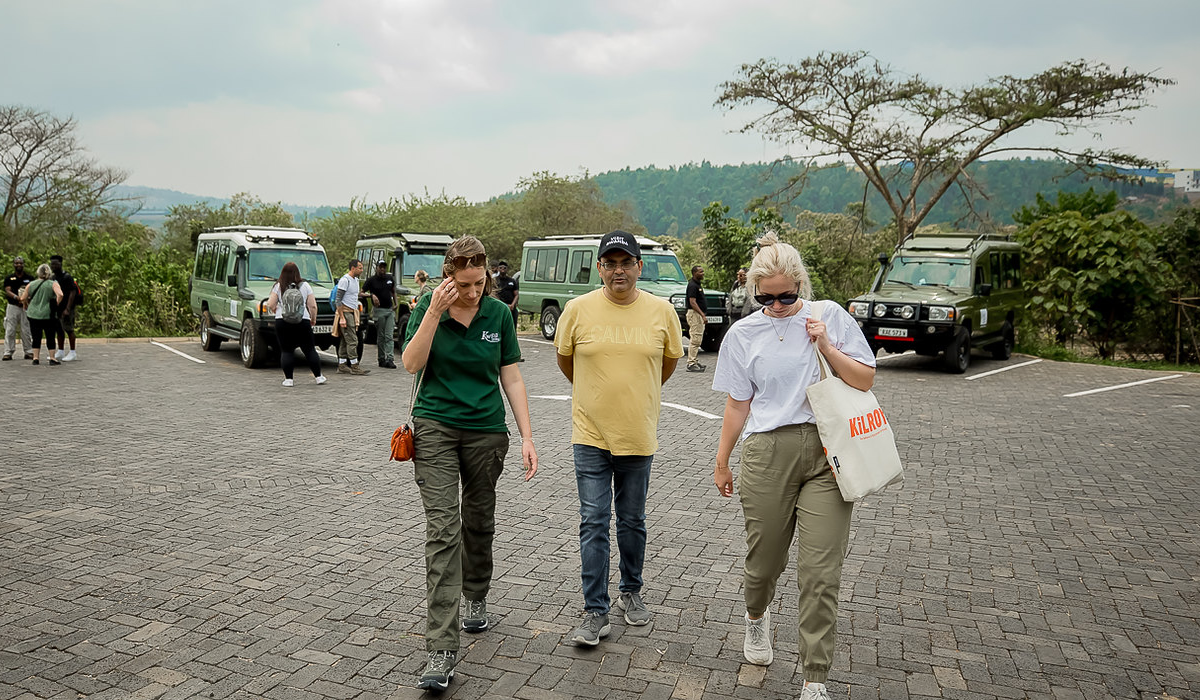
While independent travel is possible, many tourists prefer to work with a professional safari operator when planning a Rwanda safari. Experienced tour companies arrange permits, transportation, park guides, and accommodations, allowing tourists to focus entirely on the experience.
Local safari operators also provide valuable knowledge about wildlife, park regulations, and cultural experiences. Their expertise ensures that tourists enjoy a safe and well-organised adventure.
A Safari Experience Like No Other
Planning a Rwanda safari is an exciting journey that leads to unforgettable wildlife encounters and breathtaking landscapes. From trekking through misty forests in search of mountain gorillas to watching elephants roam the Savannah, Rwanda offers a safari experience that is both diverse and deeply rewarding.
With careful planning, the right itinerary, and a spirit of adventure, tourists can discover why Rwanda has become one of Africa’s most remarkable safari destinations. A Rwanda safari is more than a holiday, it is an immersive experience in nature, conservation, and the incredible wildlife that calls this beautiful country home.
Related Posts