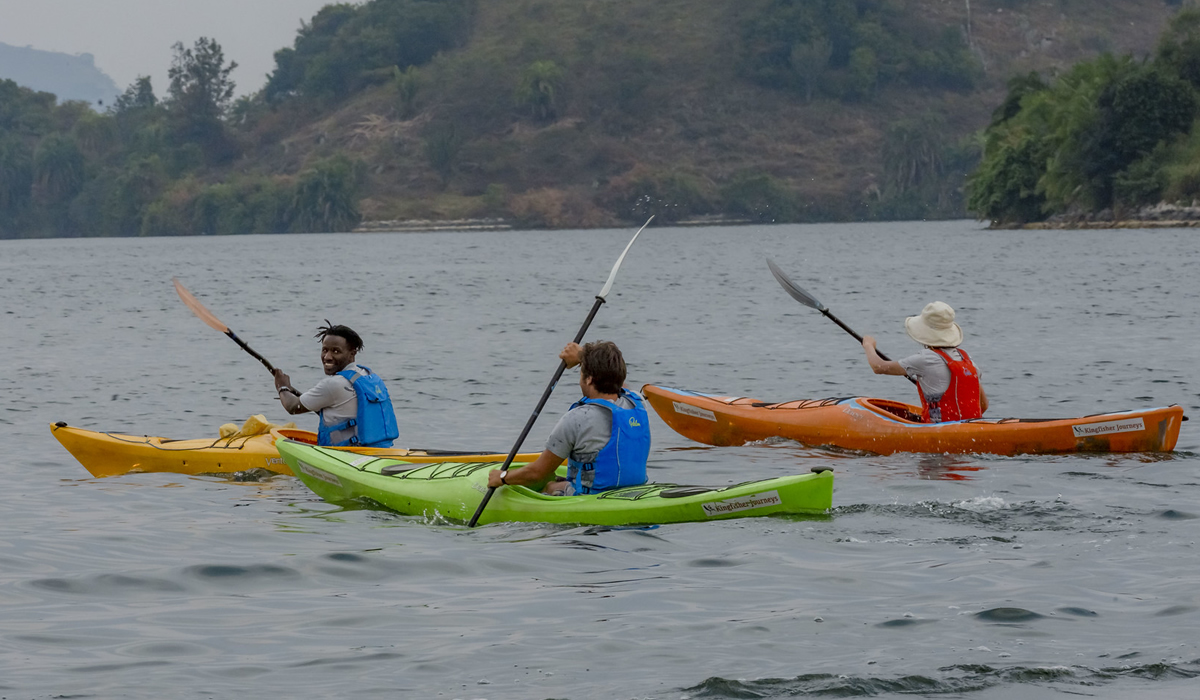
Rwanda has steadily positioned itself as one of Africa’s most exciting destinations for immersive, nature…
Rwanda Coffee Tourism Experiences
Rwanda is globally recognised for its mountain gorillas, scenic hills, and vibrant culture, but another treasure is steadily gaining international attention, Rwandan coffee. Grown on rich volcanic soils and nurtured by ideal high altitude conditions, Rwanda coffee has become one of Africa’s most celebrated specialty exports. For tourists seeking immersive and authentic experiences, coffee tourism in Rwanda offers a unique opportunity to connect agriculture, culture, sustainability, and adventure in one journey. Rwanda coffee tourism experiences allow visitors to go beyond simply tasting a cup of coffee. Tourists can walk through plantations, meet local farmers, observe traditional processing methods, and understand how smallholder communities contribute to global specialty markets. These experiences combine education, cultural exchange, and sensory discovery, making Rwanda a rising destination for agro tourism in Africa.
The Rise of Rwanda as a Specialty Coffee Destination
Over the past two decades, Rwanda has built a strong reputation in the specialty coffee industry. The country’s high altitude regions, abundant rainfall, and fertile volcanic soil create ideal growing conditions for Arabica beans. Coffee grown in Rwanda is known for its bright acidity, floral aromas, and fruity notes, often featuring hints of citrus and berries.
Government support, cooperative development, and international partnerships have helped Rwanda move from commodity coffee production to premium specialty coffee exports. As global demand for traceable and ethically sourced coffee increases, tourists are becoming more interested in seeing the origin of their favourite brew.
Coffee tourism in Rwanda aligns with this shift. It provides transparency, promotes sustainable practices, and allows tourists to witness how quality coffee is cultivated, harvested, and processed from farm to cup.
Coffee Plantation Tours Around Lake Kivu
The areas surrounding Lake Kivu are among the most popular regions for Rwanda coffee tourism experiences. The combination of altitude, moderate climate, and volcanic soils creates ideal coffee growing conditions. Towns such as Gisenyi and Kibuye are surrounded by smallholder coffee farms that welcome visitors.
During a coffee plantation tour, tourists walk through terraced hills covered with coffee trees. Guides explain the life cycle of coffee plants, from flowering to harvesting ripe red cherries. Visitors learn about selective hand picking, which ensures only mature cherries are collected for processing.
Many experiences are community based and operated by cooperatives. Tourists often meet farmers directly, hear their personal stories, and understand how coffee farming supports local livelihoods. This interaction transforms a simple tour into a meaningful cultural exchange.
The Coffee Washing Station Experience
One of the most educational aspects of Rwanda coffee tourism is visiting a coffee washing station. These facilities play a crucial role in producing high quality specialty coffee. After harvest, cherries are delivered to washing stations where they are sorted, pulped, fermented, washed, and dried.
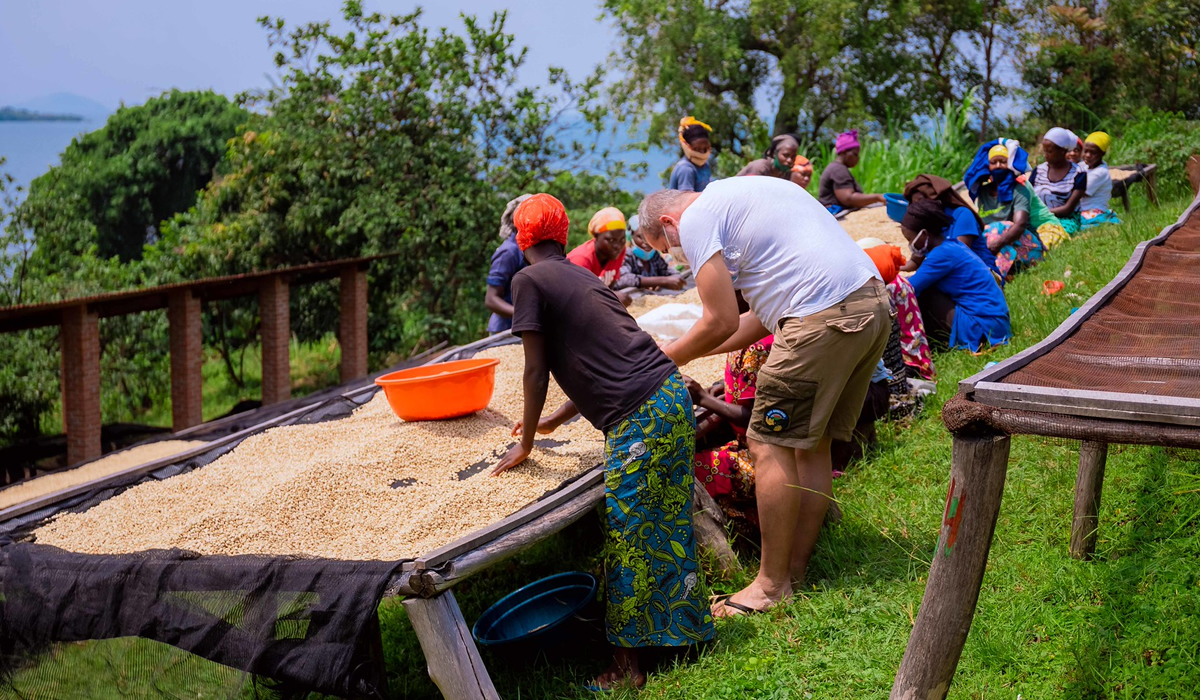
Tourists can observe each step of the process. Guides demonstrate how defective cherries are removed, how fermentation enhances flavour profiles, and how beans are carefully dried on raised beds under the sun. The meticulous attention to detail explains why Rwanda coffee consistently scores highly in international competitions.
For tourists interested in sustainable tourism in Rwanda, washing stations highlight environmental responsibility. Many stations practice water recycling and invest in community projects such as schools and healthcare initiatives.
Coffee and Community Tourism in Rural Rwanda
Coffee tourism in Rwanda is deeply connected to community development. Most coffee farms are small family owned plots, and cooperatives empower farmers by pooling resources and improving bargaining power in global markets.
When tourists participate in coffee experiences, they contribute directly to local income. Some tours include traditional music performances, local cuisine tastings, or handicraft demonstrations, creating a holistic rural experience. Visitors gain insight into daily life in Rwanda’s countryside while supporting grassroots economic growth.
These interactions provide depth to a Rwanda safari itinerary. Instead of focusing solely on wildlife, tourists engage with the human stories that define Rwanda’s agricultural backbone.
Coffee Experiences Near Kigali
While rural plantations offer immersive farm experiences, coffee tourism in Kigali focuses on roasting, brewing, and tasting. The capital has a growing specialty coffee scene, with modern cafes and artisan roasteries showcasing locally sourced beans.
Tourists can participate in guided coffee tastings where baristas explain flavour notes, roast profiles, and brewing techniques. These sessions often compare beans from different regions of Rwanda, demonstrating how altitude and processing methods influence taste.
Kigali coffee tours are ideal for tourists with limited time who still want to explore Rwanda coffee culture. Combining city exploration with a coffee tasting experience creates a balanced itinerary.
Combining Coffee Tourism with Wildlife Safaris
One of Rwanda’s advantages is its compact geography. Tourists can easily combine coffee tourism with iconic wildlife experiences. After gorilla trekking in Volcanoes National Park or chimpanzee trekking in Nyungwe Forest National Park, visitors can extend their journey to nearby coffee regions.
Nyungwe, in particular, is surrounded by tea and coffee plantations. The scenic drive through rolling hills offers breathtaking landscapes and opportunities to stop at local farms. This combination of primate trekking and agro tourism provides a well rounded Rwanda travel experience.
Tourists interested in responsible tourism appreciate how coffee tours support conservation indirectly. Income diversification reduces pressure on forest resources and promotes sustainable land use practices.
The Sensory Experience of Rwanda Coffee
Coffee tourism is not only educational but also sensory. Tourists engage sight, smell, and taste throughout the journey. Walking among flowering coffee trees introduces delicate jasmine like aromas. Observing red cherries against green leaves creates striking visual contrasts. At the tasting stage, the complexity of Rwanda coffee becomes fully apparent.
Professional cupping sessions allow tourists to evaluate aroma, acidity, body, and finish. Guides teach visitors how to identify flavour notes such as citrus, chocolate, or tropical fruit. This interactive experience transforms casual coffee drinkers into informed enthusiasts.
For many tourists, understanding the craftsmanship behind each cup enhances appreciation long after returning home.
Sustainability and Ethical Impact
Sustainable tourism in Rwanda is a national priority, and coffee tourism reflects this commitment. Many cooperatives emphasise fair wages, gender inclusion, and youth employment. Women play a significant role in coffee production, and tourism revenue often supports social programs aimed at empowering female farmers.
Environmental sustainability is also central. Shade grown coffee preserves biodiversity, while responsible water management protects surrounding ecosystems. Tourists participating in coffee tours gain firsthand knowledge of how ethical sourcing practices contribute to long term resilience.
This transparency resonates strongly with global audiences seeking meaningful travel experiences that align with their values.
Best Time for Rwanda Coffee Tourism
Coffee harvest seasons in Rwanda typically occur between March and July, depending on the region. Visiting during harvest allows tourists to witness cherry picking and active processing at washing stations. However, coffee tours operate year round, and each season offers unique insights into cultivation and maintenance.
Dry seasons, generally from June to September and December to February, are particularly convenient for combining coffee experiences with wildlife safaris.
Why Rwanda Coffee Tourism Is Growing in Popularity
As experiential travel continues to rise globally, tourists increasingly seek authentic connections with local communities and production processes. Rwanda coffee tourism experiences meet this demand by blending agriculture, sustainability, and culture into one engaging narrative.
Unlike mass tourism attractions, coffee tours are often intimate and interactive. Visitors feel welcomed into communities rather than observing from a distance. This personal touch creates memorable and meaningful encounters.
Furthermore, Rwanda’s global recognition for specialty coffee enhances its appeal among international tourists who are already familiar with the brand in cafes around the world.
Rwanda coffee tourism experiences offer far more than a tasting session. They provide a journey into the heart of rural livelihoods, environmental stewardship, and artisanal craftsmanship. From plantation walks along Lake Kivu to specialty tastings in Kigali, coffee becomes a lens through which tourists understand Rwanda’s resilience and innovation.
When combined with wildlife adventures in Volcanoes National Park or Nyungwe Forest National Park, coffee tourism adds cultural and agricultural depth to a Rwanda safari. It allows tourists to connect not only with landscapes and wildlife but also with the people whose dedication produces one of Africa’s finest specialty coffees.
For those seeking immersive, sustainable, and enriching travel experiences, Rwanda coffee tourism stands as a compelling and unforgettable addition to any itinerary.
Related Posts