Rwanda is widely known for its breathtaking landscapes and unforgettable wildlife safaris, but the country…
Rwanda Eco Tourism Safaris
Rwanda has emerged as a premier destination for eco-tourism in Africa, offering tourists unique opportunities to explore pristine natural landscapes while supporting conservation and sustainable development. Rwanda combines breathtaking scenery, rare wildlife, and responsible tourism practices that appeal to environmentally conscious visitors. Rwanda Eco Tourism Safaris provide unforgettable experiences that balance adventure with respect for nature, making them increasingly popular among tourists seeking meaningful travel.
From gorilla trekking in misty forests to boat safaris on tranquil lakes, Rwanda’s eco-tourism offerings allow tourists to experience wildlife responsibly while contributing to the protection of the country’s fragile ecosystems. By prioritising sustainability, these safaris ensure that future generations will continue to enjoy Rwanda’s remarkable biodiversity.
The Concept of Rwanda Eco Tourism
Eco-tourism in Rwanda emphasises responsible travel that conserves natural habitats, protects wildlife, and benefits local communities. Unlike traditional tourism, eco-tourism focuses on minimising environmental impact and creating meaningful interactions between tourists and nature.
National parks, protected areas, and community-based tourism projects in Rwanda all embrace eco-tourism principles. For tourists, this means participating in safaris and activities that are carefully managed to preserve wildlife, reduce waste, and promote sustainable practices. Eco-tourism also encourages visitors to learn about conservation efforts and understand the vital role local communities play in protecting natural resources.
Gorilla Trekking: A Flagship Eco-Tourism Experience
One of Rwanda’s most iconic eco-tourism activities is gorilla trekking in Volcanoes National Park. This unique adventure allows tourists to observe endangered Mountain Gorilla families in their natural habitat under strict conservation regulations.
Gorilla trekking is highly regulated to minimise human impact. Only a limited number of permits are issued each day, ensuring small groups of tourists visit the gorillas. Guides and rangers enforce rules such as maintaining a safe distance, limiting contact, and discouraging tourists from visiting if they are unwell, all to protect the health and well-being of the gorillas.
By participating in gorilla trekking, tourists contribute directly to conservation efforts. Revenue from permits helps fund park management, anti-poaching initiatives, and community development projects, making each safari both an adventure and a meaningful contribution to environmental protection.
Golden Monkey Tracking
Another eco-tourism safari in Rwanda is golden monkey tracking, which takes place in the bamboo forests of Volcanoes National Park. These rare primates are smaller and more active than gorillas, offering tourists a lively and engaging wildlife encounter.
Golden monkey tracking follows the same eco-tourism principles as gorilla trekking. Groups are kept small, and visitors are guided through the forest by experienced rangers who minimize disturbances to the animals. The revenue generated from permits also supports conservation and local community projects.
For tourists seeking a unique primate experience, golden monkey tracking provides an exciting and sustainable alternative to traditional wildlife tours.
Akagera National Park: Eco-Friendly Savannah Safaris
While Rwanda is famous for its primates, eco-tourism extends to Savannah landscapes in Akagera National Park. This park offers classic African safari experiences with a strong focus on environmental sustainability.
Akagera is home to the Big Five; Lion, African Elephant, Leopard, African Buffalo, and Rhinoceros alongside giraffes, zebras, hippos, and crocodiles. Eco-friendly safari tours are conducted in small, guided groups using vehicles designed to minimise environmental disturbance.
Many lodges and tented camps within Akagera follow sustainable practices, including solar energy usage, eco-friendly waste management, and water conservation. Tourists staying in these lodges enjoy luxurious comfort while knowing their presence supports sustainable tourism.
Boat Safaris on Lake Ihema
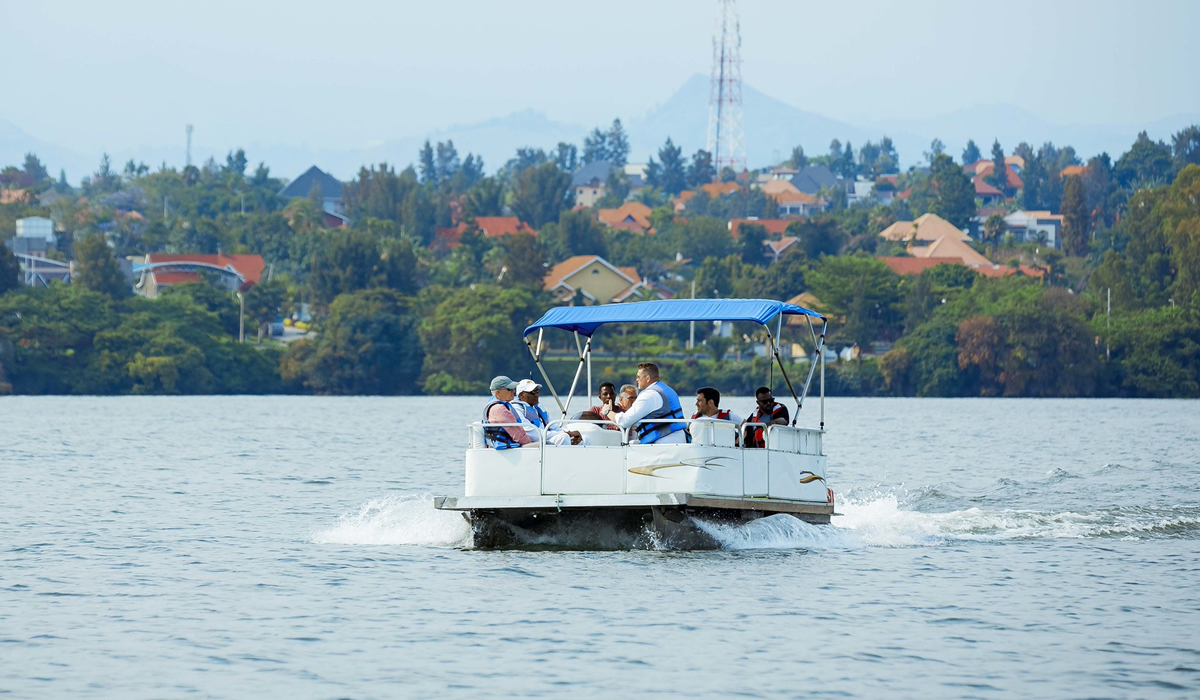
Lake Ihema, located within Akagera National Park, provides an excellent setting for eco-tourism boat safaris. Tourists can glide quietly along the water, observing hippos, crocodiles, and a variety of bird species in their natural environment.
Boat safaris are designed to have minimal impact on wildlife. Guides maintain safe distances from animals, ensure noise levels are low, and emphasise educational aspects of the tour. This approach allows tourists to enjoy the beauty of the lake while supporting conservation efforts that protect aquatic ecosystems.
Chimpanzee Tracking and Forest Exploration
In Nyungwe Forest National Park, eco-tourism takes the form of rainforest adventures and chimpanzee tracking. Tourists can follow expert guides through ancient forest trails to observe Chimpanzee troops, colobus monkeys, and diverse bird species.
Eco-tourism principles are central to these safaris. Groups are limited in size, and strict rules govern human interaction with wildlife. The tours focus on education, highlighting the importance of preserving rainforest habitats and the interconnectedness of species within the ecosystem.
Additionally, Nyungwe’s canopy walk offers tourists a unique perspective of the forest, allowing them to explore treetops with minimal disturbance to the environment.
Community-Based Eco-Tourism
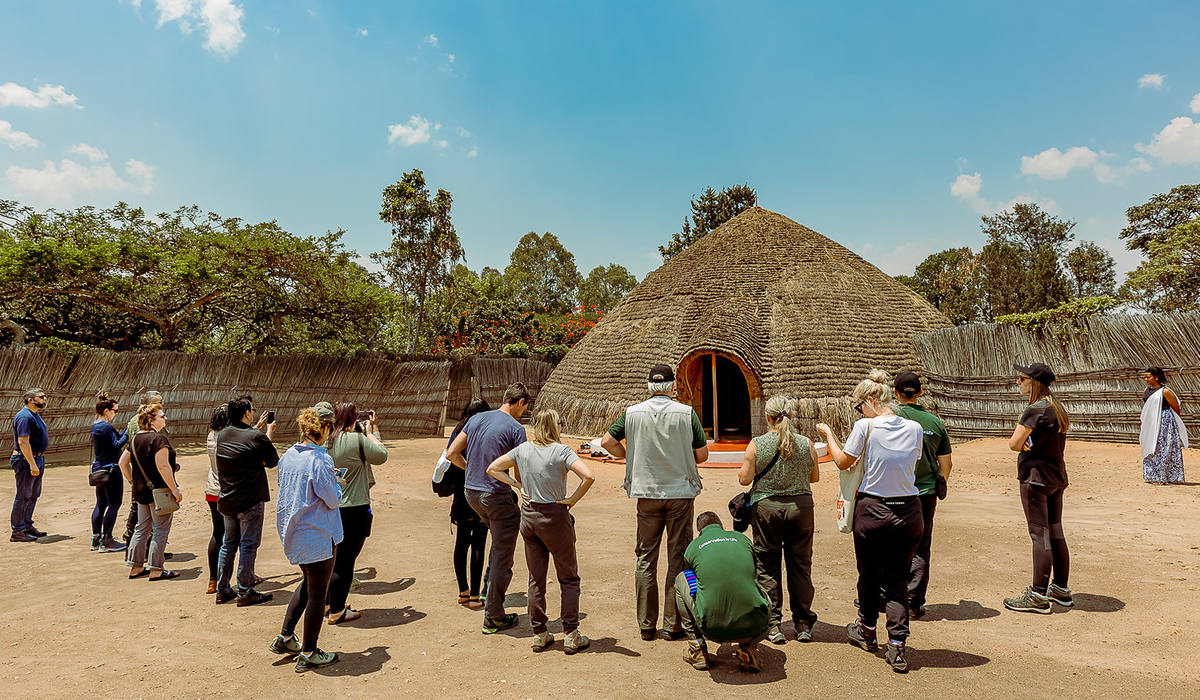
Rwanda’s eco-tourism model integrates community participation, ensuring that local populations benefit directly from tourism activities. Many cultural and eco-tourism projects involve nearby villages, offering tourists the chance to engage with local traditions while contributing to sustainable development.
Community-based experiences include craft workshops, guided village tours, and visits to local markets. By purchasing handmade baskets, textiles, and other artisanal goods, tourists support livelihoods and encourage the preservation of cultural heritage. This approach reinforces the connection between eco-tourism and social responsibility, creating meaningful experiences for visitors.
Sustainability and Conservation Initiatives
Sustainability is at the core of Rwanda’s eco-tourism safaris. National parks and lodges implement a wide range of eco-friendly practices, including renewable energy, waste reduction, and habitat restoration. Tourists are educated about the importance of conservation and encouraged to respect wildlife and local communities.
Revenue from eco-tourism activities funds anti-poaching efforts, wildlife monitoring, and habitat management. It also supports programs that provide employment, healthcare, and education for communities living near national parks. Tourists participating in eco-tourism safaris can see firsthand how their visit contributes to the preservation of Rwanda’s natural and cultural resources.
A Responsible Safari Experience
Rwanda’s eco-tourism safaris offer a unique combination of adventure, luxury, and sustainability. Tourists can experience some of Africa’s most iconic wildlife, explore pristine forests, and engage with local communities, all while knowing that their visit supports environmental protection.
From gorilla trekking in Volcanoes National Park to Savannah safaris in Akagera, boat excursions on Lake Ihema, and rainforest exploration in Nyungwe, Rwanda provides a diverse range of eco-tourism experiences. By prioritising responsible tourism practices, the country ensures that these natural treasures are preserved for future generations.
Eco-tourism safaris in Rwanda represent a new standard of responsible travel in Africa. Tourists can enjoy unforgettable wildlife encounters, immerse themselves in stunning landscapes, and engage with local communities while supporting conservation and sustainability.
Whether trekking with mountain gorillas, spotting Big Five wildlife in Akagera, or exploring the lush forests of Nyungwe, eco-tourism in Rwanda combines adventure, education, and luxury in a way that few destinations can match. For tourists seeking meaningful experiences that leave a positive impact on the environment and society, Rwanda’s eco-tourism safaris offer a once-in-a-lifetime opportunity to explore the country responsibly and sustainably.
Related Posts