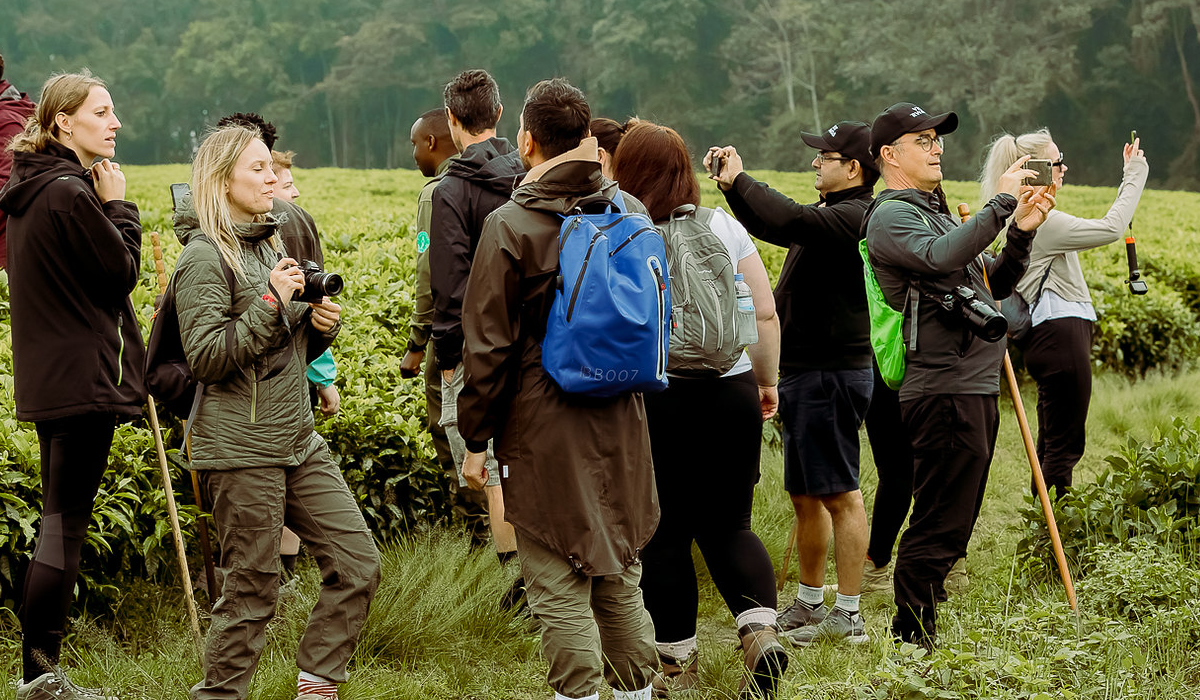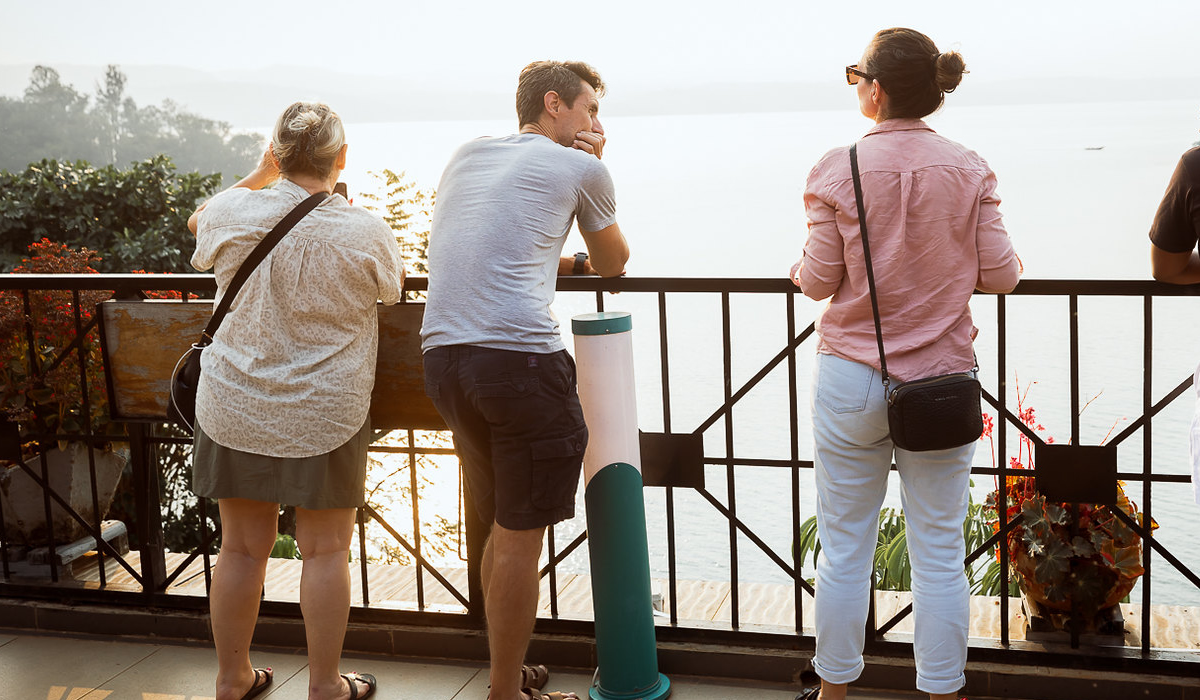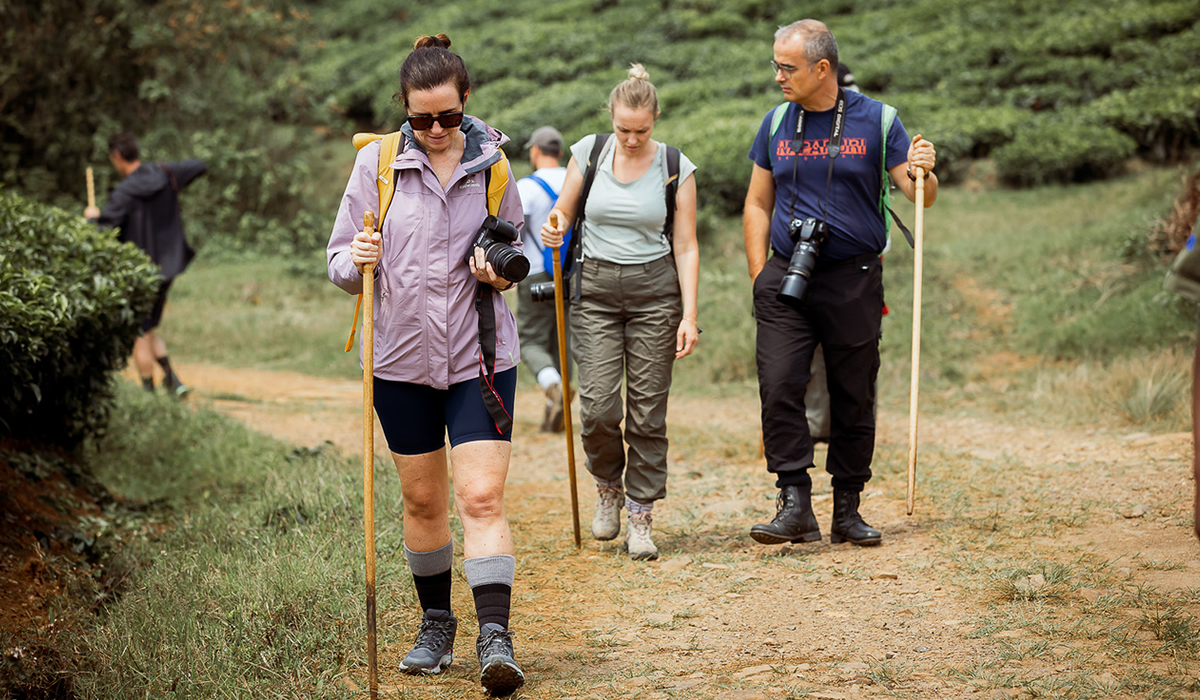
Rwanda has become one of Africa’s most compelling tourism destinations, attracting thousands of international tourists…
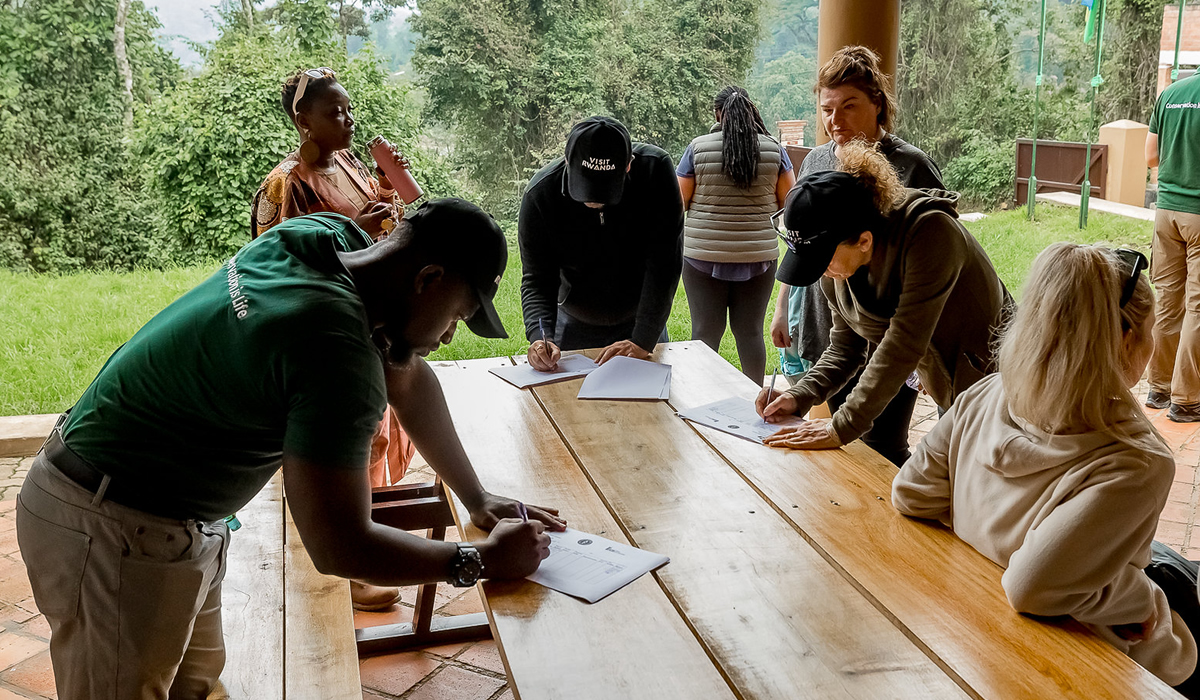
Rwanda Travel Advice for UK Visitors
Rwanda has rapidly become one of Africa’s most remarkable tourism destinations, attracting tourists from around the world with its stunning landscapes, rare wildlife, and inspiring conservation efforts. Rwanda offers breathtaking scenery, vibrant culture, and unique safari experiences that are difficult to find elsewhere. For tourists from the United Kingdom, Rwanda provides an exciting opportunity to explore East Africa in a safe, organised, and environmentally conscious country. This guide provides essential Rwanda Travel Advice for UK Visitors planning to explore this extraordinary African destination.
From the world-famous mountain gorilla trekking experience to scenic national parks and a modern capital city, Rwanda has something to offer every type of tourist. However, planning a trip to a new destination requires preparation. Understanding entry requirements, health precautions, cultural expectations, and the best time to visit will help ensure a smooth and memorable journey.
Entry Requirements for UK Tourists
UK tourists visiting Rwanda will find the visa process relatively straightforward. Rwanda has simplified entry procedures to encourage international tourism and make travel more accessible.
Most UK passport holders can obtain a tourist visa on arrival at Kigali International Airport or at designated land border crossings. The standard tourist visa typically allows visitors to stay for up to 30 days.
Passports must be valid for at least six months from the date of entry and should have at least one blank page for immigration stamps. Tourists are also advised to carry proof of onward travel, accommodation bookings, and travel insurance documentation.
For tourists who plan to explore multiple East African destinations, the East African Tourist Visa can be a convenient option. This visa allows entry into Rwanda, Uganda, and Kenya using a single permit, making it easier to plan a regional safari itinerary.
Best Time for UK Tourists to Visit Rwanda
Rwanda’s climate allows tourism activities throughout the year, but certain seasons offer more comfortable conditions for outdoor adventures.
The dry seasons from June to September and December to February are generally considered the best times to visit. During these months, hiking trails are less muddy, wildlife is easier to spot, and overall travel conditions are more favorable.
These dry months are especially ideal for tourists planning gorilla trekking in Volcanoes National Park. Trekking through the forest becomes easier when the ground is dry, and photography conditions are often better.
The rainy seasons typically occur between March and May and again between October and November. Although rain can be frequent during these months, Rwanda becomes exceptionally green and scenic. Some tourists prefer visiting during this time because the parks are quieter and the landscapes are incredibly vibrant.
Rwanda’s high altitude keeps temperatures relatively mild throughout the year, making it a comfortable destination even when compared to many other equatorial countries.
Health and Vaccination Advice
Health preparation is an important part of travel planning for UK tourists visiting Rwanda. It is advisable to consult a travel health clinic several weeks before departure.
A Yellow Fever vaccination certificate may be required depending on the country from which tourists are arriving. Even when not mandatory, many health professionals recommend the vaccination for visitors traveling within East Africa.
Other recommended vaccinations may include hepatitis A, hepatitis B, typhoid, and tetanus.
Malaria is present in Rwanda, so tourists should take preventative measures. Doctors often recommend anti-malarial medication before and during travel. In addition, tourists should use mosquito repellent, wear long-sleeved clothing in the evenings, and sleep under mosquito nets where necessary.
Comprehensive travel insurance is strongly recommended for UK tourists. Insurance should cover medical treatment, emergency evacuation, and outdoor activities such as trekking in national parks.
Currency and Payment Tips
The official currency in Rwanda is the Rwandan Franc (RWF). While many hotels, safari lodges, and restaurants accept credit cards, cash is still important for smaller purchases and local markets.
Tourists should consider bringing US dollars in clean and recent notes because they are widely accepted within the tourism sector.
Currency exchange services are available in Kigali as well as at banks and exchange bureaus. ATMs are also widely available in the capital city.
Tourists heading to national parks or rural areas should withdraw sufficient cash before leaving Kigali, as banking facilities may be limited in remote locations.
It is also important to note that Rwanda is considered a premium safari destination. Activities such as gorilla trekking require permits that must be booked in advance and can represent a significant part of a travel budget.
Wildlife Experiences for UK Tourists
Wildlife encounters are the highlight of many visits to Rwanda. Tourists from the UK often visit specifically for the chance to see mountain gorillas in their natural habitat.
Gorilla trekking in Volcanoes National Park is widely regarded as one of the most extraordinary wildlife experiences in the world. Guided treks lead tourists through dense forests where they spend time observing habituated gorilla families.
Another excellent wildlife destination is Akagera National Park. This park offers classic African safari experiences, including sightings of elephants, lions, giraffes, zebras, and numerous antelope species.
For tourists interested in rainforest ecosystems and primates, Nyungwe Forest National Park provides opportunities for chimpanzee trekking and an impressive canopy walkway that offers panoramic views of the forest.
These national parks highlight Rwanda’s commitment to conservation and responsible tourism.
Cultural Etiquette and Local Customs
Rwanda is known for its welcoming people, clean environment, and strong cultural values. UK tourists often find the country both friendly and well organised.
Politeness and respect are highly valued in Rwandan culture. Greeting people properly and maintaining courteous interactions helps create positive connections with locals.
Modest dress is recommended, particularly when visiting villages, cultural sites, or religious locations. While the capital city is modern and cosmopolitan, many communities maintain traditional values.
Rwanda is also known for its strict environmental regulations. Plastic bags are banned nationwide, and tourists should avoid bringing them into the country.
When taking photographs, tourists should ask permission before photographing individuals, especially in rural communities.
Transportation and Getting Around
Rwanda’s small size makes it relatively easy to travel between destinations.
Most international visitors arrive at Kigali International Airport, which serves as the main gateway to the country.
Many tourists begin their journey in Kigali before travelling to national parks and other attractions. Road infrastructure between major destinations is generally good, and travel times are shorter than in many other African safari countries.
Tourists often rely on private safari vehicles arranged by tour operators, which provide comfortable transportation and experienced guides.
Within Kigali, taxis and ride-hailing services make it easy to explore the city.
Exploring Kigali Before Your Safari
Before heading to Rwanda’s national parks, many tourists spend time exploring the capital city.
Kigali is widely regarded as one of Africa’s cleanest and most organised cities. It offers modern restaurants, art galleries, craft markets, and cultural experiences.
One of the most important historical sites is the Kigali Genocide Memorial. The memorial provides a powerful educational experience about Rwanda’s history and the country’s journey toward unity and reconciliation.
Kigali is also famous for its vibrant coffee culture, with many cafés serving locally grown Rwandan coffee that is highly regarded around the world.
Rwanda is a remarkable destination for UK tourists seeking wildlife adventures, cultural experiences, and stunning landscapes. Its well-managed national parks, commitment to conservation, and welcoming communities make it one of Africa’s most rewarding places to visit.
With proper preparation, respect for local customs, and careful planning of wildlife activities, tourists can enjoy a safe and unforgettable journey.
Whether trekking through misty forests to see mountain gorillas, exploring lush rainforests filled with primates, or discovering the dynamic culture of Kigali, Rwanda offers experiences that will stay with visitors long after they return home.
Related Posts