Rwanda has steadily positioned itself as one of Africa’s most exciting destinations for immersive, nature…
Safari Photography in Rwanda
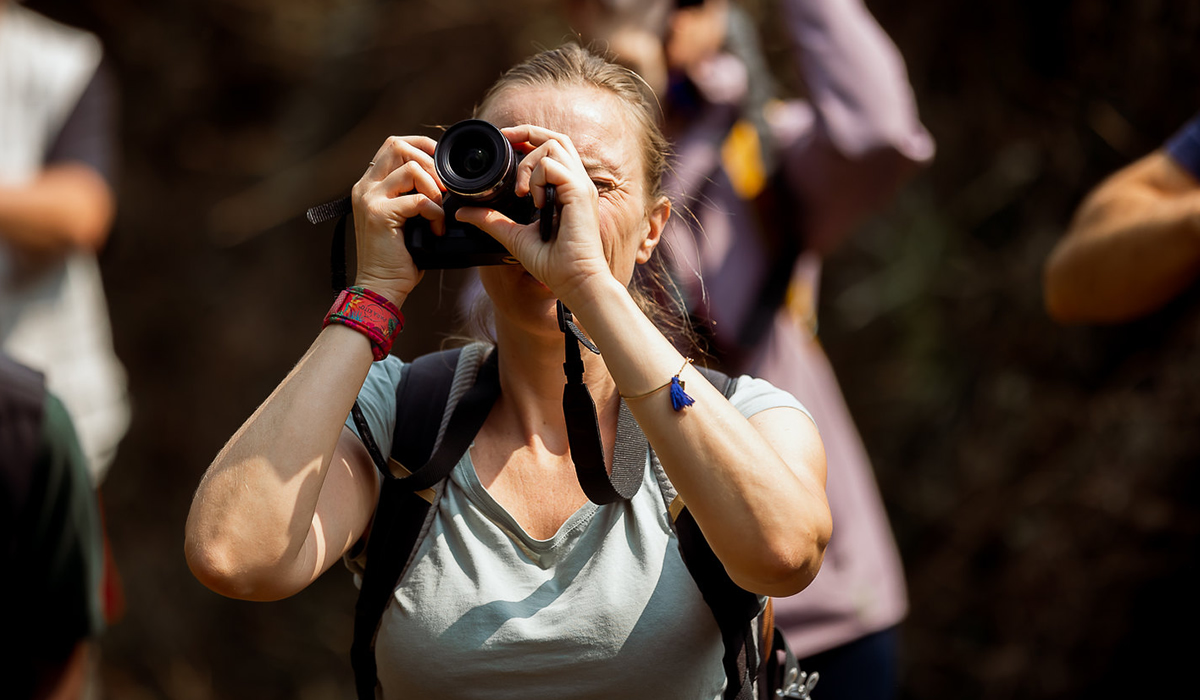
Rwanda is often described as the Land of a Thousand Hills, but for photography enthusiasts it is also a land of a thousand moments. From mist covered volcanoes and dense rainforests to sweeping Savannah plains and shimmering lakes, Rwanda offers extraordinary opportunities for safari photography. For tourists who want more than snapshots, Rwanda provides dramatic landscapes, rare wildlife encounters, and vibrant cultural scenes that translate beautifully through the lens. Safari photography in Rwanda is not limited to wildlife alone. It encompasses primates in ancient forests, golden sunsets over Lake Kivu, rolling tea plantations, and dynamic urban life in Kigali. With thoughtful planning and an understanding of lighting, terrain, and wildlife behaviour, tourists can capture truly unforgettable images.
Why Rwanda Is Ideal for Safari Photography
One of Rwanda’s strongest advantages for photography is its diversity within a compact area. Tourists can photograph mountain gorillas in the morning, scenic highland landscapes in the afternoon, and lakeside sunsets by evening, all within manageable driving distances.
The country’s elevation contributes to dramatic light conditions. Early morning mist in volcanic regions and soft evening light over the Savannah create natural atmospheric effects that enhance images. Rwanda’s relatively controlled tourism numbers also mean less congestion around wildlife sightings, giving photographers cleaner compositions.
In addition, conservation efforts have made wildlife viewing more predictable and sustainable, which improves the chances of meaningful photography experiences.
Gorilla Photography in Volcanoes National Park
Gorilla trekking is Rwanda’s most iconic wildlife experience, and it is also one of the most powerful photography opportunities in Africa. Volcanoes National Park, located in the northwest, is home to several habituated mountain gorilla families.
Photographing gorillas requires preparation and adaptability. The terrain can be steep and muddy, and lighting conditions vary due to dense vegetation. Tourists should use cameras capable of performing well in low light, as flash photography is strictly prohibited to protect the animals.
The key to compelling gorilla photography is capturing emotion and interaction. Close ups of expressive eyes, mothers nurturing infants, or silverbacks displaying strength create powerful visual narratives. Patience and respect for park regulations are essential, as maintaining a safe distance ensures both conservation and better long term access for tourists.
Chimpanzee Photography in Nyungwe Forest National Park
Nyungwe Forest National Park offers a different primate photography experience. Chimpanzees are energetic and often move quickly through the forest canopy, making them more challenging subjects than gorillas.
To photograph chimpanzees successfully, tourists should use fast shutter speeds and continuous autofocus settings. Early morning treks provide the best opportunity, as chimps are most active at this time.
Beyond chimpanzees, Nyungwe is home to colobus monkeys and numerous bird species. The forest canopy walk also offers dramatic perspectives for landscape photography, allowing tourists to capture sweeping views of the rainforest from above.
Big Five Photography in Akagera National Park
For classic Savannah wildlife photography, Akagera National Park in eastern Rwanda delivers exceptional results. The park is home to the Big Five, lion, leopard, elephant, buffalo, and rhinoceros, as well as giraffes, zebras, and antelopes.
Game drives in Akagera provide open landscapes that allow for dynamic wildlife compositions. Early morning and late afternoon are ideal for capturing golden light and active animals. Silhouettes of elephants against sunrise skies or lions resting under acacia trees create iconic African safari imagery.
Boat safaris on Lake Ihema within Akagera offer additional photography opportunities. Tourists can capture hippos, crocodiles, and diverse birdlife from water level perspectives, adding variety to their portfolio.
Landscape Photography Across Rwanda
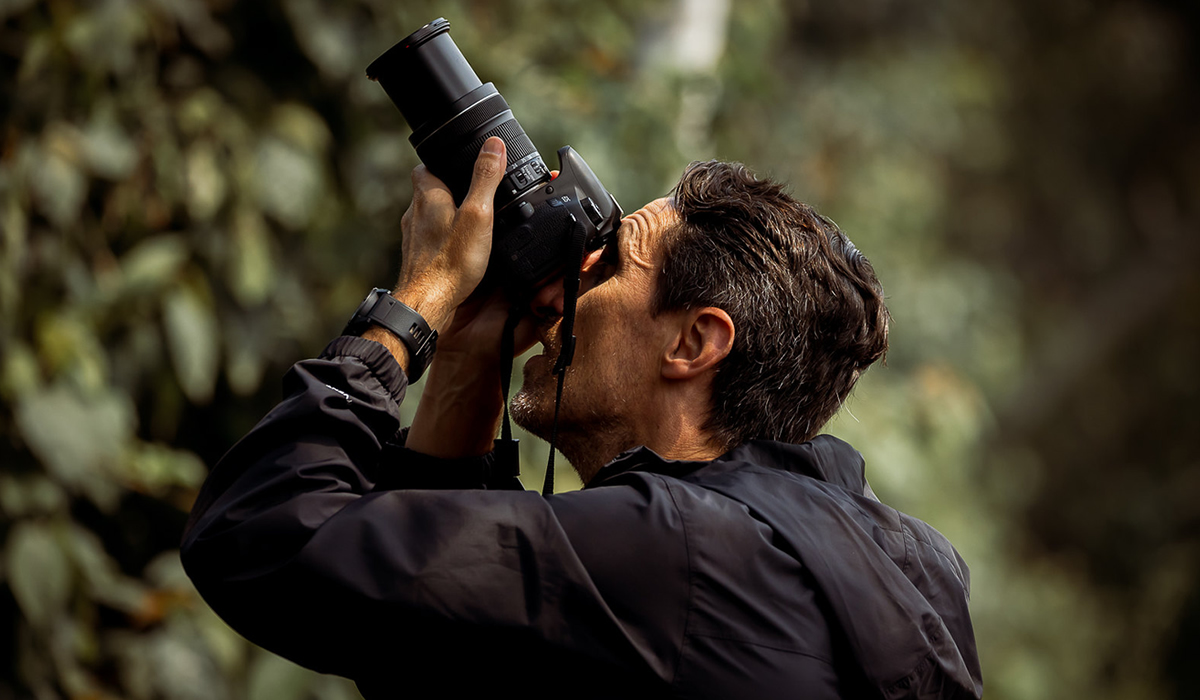
Safari photography in Rwanda extends beyond wildlife. The country’s rolling hills, terraced farms, and crater lakes provide breathtaking scenery.
The drive along Lake Kivu is particularly scenic. Reflections of fishing boats at sunset, layered hills fading into the distance, and vibrant local markets create compelling visual stories. The interplay of water, sky, and hillside villages makes Lake Kivu a prime destination for landscape photography.
Tea plantations near Nyungwe offer geometric patterns of green fields that contrast beautifully with misty backdrops. Early morning fog adds depth and texture to wide angle shots.
Cultural Photography in Kigali and Rural Communities
Photography in Rwanda is not only about wildlife and landscapes. Cultural encounters provide rich storytelling opportunities.
In Kigali, tourists can photograph modern architecture, art galleries, and colorful markets. The city’s cleanliness and organization create striking urban compositions. Street photography, when done respectfully, captures daily life and the resilience of Rwandan society.
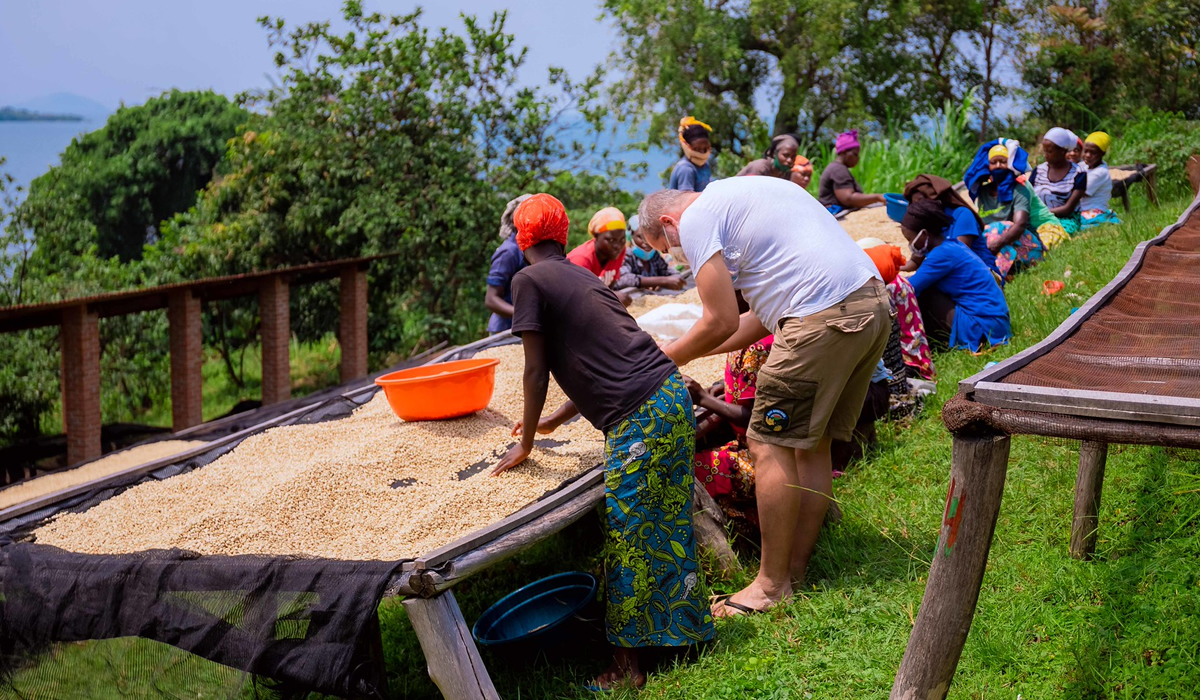
Rural communities offer additional depth. Portraits of farmers in tea or coffee plantations, traditional dance performances, and local craftspeople at work highlight Rwanda’s human dimension. Tourists should always request permission before taking close up portraits to maintain ethical photography practices.
Essential Gear for Safari Photography in Rwanda
Preparation plays a crucial role in successful safari photography. Tourists should consider carrying a DSLR or mirrorless camera with interchangeable lenses. A telephoto lens, ideally in the 200mm to 400mm range, is recommended for wildlife photography. A wide angle lens is valuable for landscapes and environmental portraits.
Weather conditions can change quickly, especially in forested regions. Waterproof covers and protective bags help safeguard equipment during rain or muddy treks. Extra batteries and memory cards are essential, as charging opportunities may be limited in remote lodges.
While professional gear enhances results, even advanced smartphones can produce impressive images when used thoughtfully.
Best Time for Safari Photography in Rwanda
Rwanda’s dry seasons, typically from June to September and December to February, are generally ideal for safari photography. During these months, trails are more accessible, and wildlife is easier to spot near water sources.
However, the rainy seasons bring lush greenery and dramatic skies that can enhance landscape shots. Mist in Volcanoes National Park during rainy periods creates atmospheric gorilla images that are uniquely Rwandan.
Tourists should choose their timing based on the type of photography they prioritize, wildlife clarity or moody landscapes.
Ethical and Responsible Photography
Responsible tourism is central to Rwanda’s conservation philosophy. Safari photography must align with ethical guidelines to protect wildlife and communities.
Flash photography is prohibited during gorilla and chimpanzee trekking. Maintaining recommended distances prevents stress to animals. Tourists should avoid obstructing wildlife movement or altering natural behavior for the sake of a photograph.
When photographing people, seeking consent is essential. Respectful engagement fosters trust and results in more authentic images.
Why Safari Photography in Rwanda Is Unique
Unlike larger safari destinations with heavy vehicle traffic, Rwanda offers a more intimate photography experience. Limited permits for gorilla trekking and regulated park access reduce overcrowding. This creates cleaner backgrounds, fewer distractions, and a more personal connection with subjects.
The diversity of ecosystems within short distances means tourists can capture rainforest primates, Savannah predators, highland farms, and urban culture in one compact itinerary. Few countries offer such variety in a manageable travel radius.
Rwanda’s commitment to conservation also ensures that wildlife populations remain protected, sustaining photography opportunities for future generations.
Safari photography in Rwanda is a journey of patience, creativity, and connection. From locking eyes with a mountain gorilla in Volcanoes National Park to capturing a lion under golden light in Akagera, each moment tells a story of resilience and natural beauty.
Beyond wildlife, Rwanda’s hills, lakes, tea plantations, and vibrant communities provide layers of visual richness that elevate any photography portfolio. For tourists seeking more than ordinary vacation snapshots, Rwanda delivers immersive and meaningful photographic experiences.
With thoughtful preparation, ethical awareness, and a keen eye for light and emotion, safari photography in Rwanda becomes more than an activity, it becomes a powerful way to document one of Africa’s most inspiring destinations.
Related Posts