Rwanda has steadily positioned itself as one of Africa’s most exciting destinations for immersive, nature…
Touring Rwanda’s Tea Plantations
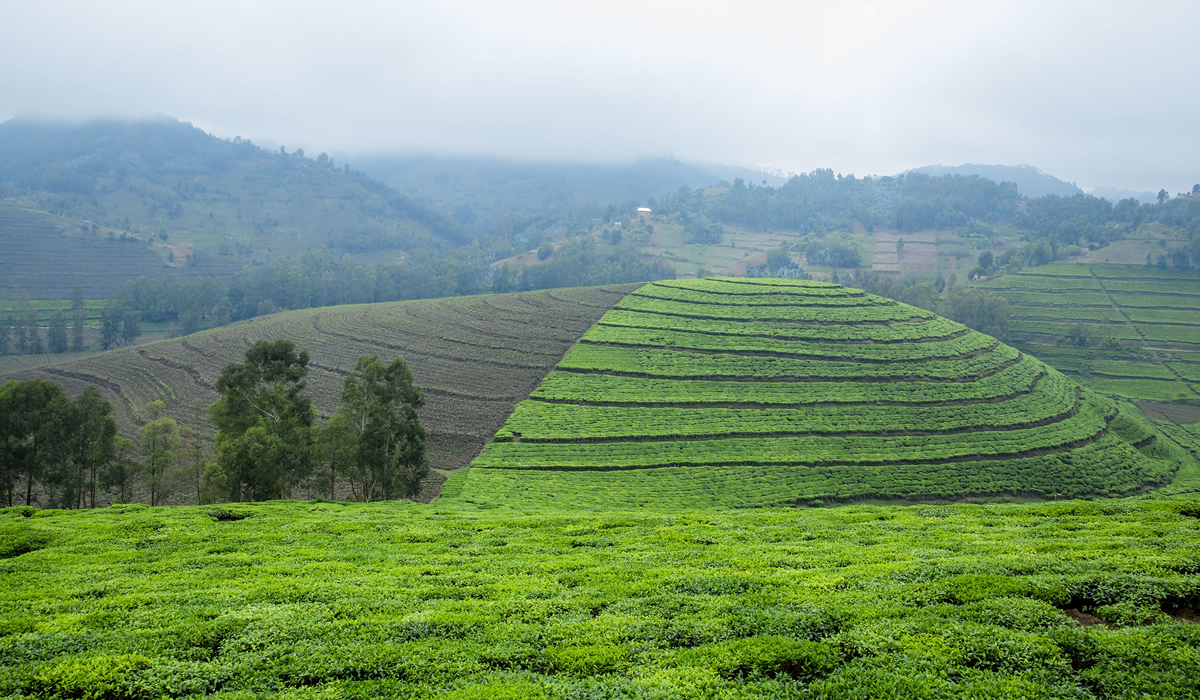
Rwanda is widely celebrated for its mountain gorillas, rolling hills, and thriving wildlife reserves, but another remarkable treasure grows quietly across its highlands, tea. With lush green fields stretching across mist covered hills, Touring Rwanda’s Tea Plantations offers some of the most scenic agricultural landscapes in Africa. For tourists seeking immersive, off the beaten path experiences, touring Rwanda’s tea plantations provides a refreshing blend of nature, culture, and sustainable agro tourism.
Rwanda tea tourism is steadily gaining popularity among visitors who want to connect with local communities and understand the country beyond its national parks. From plantation walks to factory tours and tea tasting sessions, this experience allows tourists to witness the full journey from leaf to cup.
The Legacy of Tea in Rwanda
Tea cultivation in Rwanda dates back to the mid 20th century and has since grown into one of the country’s most important export industries. Thanks to fertile volcanic soil, high altitudes, and consistent rainfall, Rwanda produces high quality black tea that is appreciated in international markets.
The country’s western and southern regions are particularly well suited for tea farming. The cool climate and misty hills create ideal conditions for cultivating tea bushes that thrive at elevations above 1,500 meters. For tourists, these highland landscapes offer spectacular panoramic views that are both calming and photogenic.
Today, Rwanda tea plantations are not only centers of agricultural production but also emerging attractions for sustainable tourism in Rwanda.
Scenic Tea Estates Near Nyungwe Forest National Park
One of the most iconic regions for touring Rwanda’s tea plantations is the area surrounding Nyungwe Forest National Park. This ancient rainforest in southwestern Rwanda is bordered by expansive tea estates that blanket the hills in vibrant green patterns.
Tourists visiting Nyungwe for chimpanzee trekking or canopy walks often extend their stay to explore nearby tea plantations. Walking through neatly trimmed tea bushes while overlooking rolling valleys creates a tranquil and immersive experience.
Many estates near Nyungwe offer guided tours where tourists learn about planting, pruning, harvesting, and processing tea leaves. The combination of rainforest adventure and tea plantation exploration provides a well balanced Rwanda itinerary that blends wildlife and agro tourism.
What to Expect on a Rwanda Tea Plantation Tour
Touring Rwanda’s tea plantations typically begins with a walk through the fields. Tourists are introduced to the basics of tea cultivation, including how tea bushes are maintained and why only the top two leaves and a bud are hand plucked for quality production.
Visitors often have the opportunity to try hand plucking themselves, guided by experienced tea pickers. This hands on interaction deepens appreciation for the skill and precision required in tea harvesting.
After the field visit, many tours continue to a tea processing factory. Here, tourists observe the stages of withering, rolling, oxidation, drying, and grading. Seeing large machinery transform freshly picked leaves into finished tea offers insight into Rwanda’s agro industrial development.
The experience usually concludes with a tea tasting session. Tourists sample freshly brewed Rwandan tea while learning how flavour, aroma, and colour vary depending on processing methods.
The Beauty of Rwanda’s Tea Landscapes
Few landscapes in Africa are as visually captivating as Rwanda’s tea growing regions. The geometric patterns formed by neatly arranged tea bushes create a striking contrast against the country’s naturally undulating hills.
For photographers and nature lovers, tea estates offer countless opportunities for scenic shots. Early mornings are particularly magical, when mist drapes over the hills and sunlight gradually illuminates the vibrant green fields.
The peaceful environment of tea plantations provides a slower pace compared to safari activities. Tourists who include tea tours in their Rwanda safari itinerary often describe it as a calming complement to more physically demanding adventures such as gorilla trekking.
Tea Tourism and Community Development
Tea production in Rwanda supports thousands of rural households. Touring Rwanda’s tea plantations gives tourists a chance to understand how agriculture sustains local communities.
Many tea estates employ workers from nearby villages, providing stable income and social benefits. By participating in tea tours, tourists indirectly contribute to these local economies. Some estates invest in schools, health facilities, and infrastructure projects that benefit surrounding communities.
This connection between tourism and community empowerment makes tea plantation tours an important part of responsible tourism in Rwanda.
Combining Tea Tours with Wildlife Experiences
Rwanda’s compact size makes it easy to combine tea tourism with other major attractions. After exploring tea plantations near Nyungwe, tourists can venture into the forest for chimpanzee trekking or canopy walks.
Similarly, visitors traveling from Kigali to Nyungwe often pass through picturesque tea regions along the way. These scenic drives add depth to the journey and allow for spontaneous stops at viewpoints and estates.
For tourists seeking a diverse Rwanda travel experience, combining tea plantation visits with primate safaris, cultural encounters, and lake excursions creates a well rounded itinerary.
Tea and Cultural Encounters
Beyond agriculture, touring Rwanda’s tea plantations often includes cultural interaction. Local guides share stories about traditional farming practices and the role tea plays in household livelihoods.
In some regions, tourists can visit nearby villages to learn about daily life, sample local cuisine, or watch traditional dance performances. These experiences enrich the tea tour by adding a human dimension to the agricultural landscape.
Cultural immersion enhances the authenticity of Rwanda tea tourism, allowing tourists to form genuine connections with the people behind the product.
The Sustainability of Rwanda’s Tea Industry
Sustainability is central to Rwanda’s agricultural vision. Many tea plantations implement environmentally responsible practices, including soil conservation, responsible water usage, and reforestation efforts.
Shade trees are often planted around tea estates to protect biodiversity and prevent soil erosion. Waste management systems are designed to reduce environmental impact during processing.
For environmentally conscious tourists, understanding these practices reinforces the value of sustainable tourism in Rwanda. Visiting tea plantations becomes not only an educational activity but also a way to support eco friendly initiatives.
Best Time to Tour Rwanda’s Tea Plantations
Tea is harvested multiple times throughout the year in Rwanda, thanks to its favourable climate. However, the most active plucking seasons generally coincide with rainy periods when leaves grow abundantly.
Tourists can visit tea plantations year round, but combining the experience with Rwanda’s dry seasons, typically from June to September and December to February, makes travel between regions more comfortable.
Regardless of season, the highland scenery remains lush and green, offering spectacular views for visitors.
Why Tea Tourism Is Growing in Rwanda
As global tourism trends shift toward experiential and sustainable travel, Rwanda’s tea plantations are attracting more international attention. Tourists increasingly seek authentic activities that connect them with local production systems and rural communities.
Tea tourism offers a unique narrative, one that complements Rwanda’s wildlife fame. It highlights agricultural innovation, community resilience, and environmental stewardship.
For tourists who have already experienced traditional safaris elsewhere in Africa, touring Rwanda’s tea plantations introduces a fresh and distinctive dimension to their journey.
Touring Rwanda’s tea plantations is an enriching experience that blends natural beauty, agricultural education, and cultural connection. From walking through emerald green hills near Nyungwe Forest National Park to sampling freshly brewed tea in a hillside factory, tourists gain a deeper understanding of Rwanda’s rural heart.
Tea plantation tours provide a peaceful contrast to wildlife safaris while maintaining the sense of discovery that defines travel in Rwanda. They showcase the dedication of farmers, the strength of local communities, and the country’s commitment to sustainable growth.
For tourists seeking meaningful, scenic, and immersive experiences, Rwanda tea tourism stands out as a compelling addition to any Rwanda itinerary.
Related Posts