Rwanda has become one of Africa’s most attractive destinations for tourists seeking wildlife, culture, and…
Wildlife Conservation Efforts in Rwanda
Rwanda has emerged as one of Africa’s leading examples of successful wildlife conservation. Despite its small size and challenging history, the country has made remarkable progress in protecting biodiversity, restoring ecosystems, and promoting sustainable tourism. Today, Wildlife Conservation Efforts in Rwanda not only protect endangered wildlife but also create opportunities for tourists to experience nature responsibly.
From the protection of mountain gorillas in the misty volcanic forests to the restoration of Savannah ecosystems and rainforest habitats, Rwanda’s conservation initiatives demonstrate how environmental protection and tourism can work together. For tourists visiting the country, these efforts provide the chance to witness thriving wildlife populations while supporting long term sustainability.
Rwanda’s Commitment to Conservation
Wildlife conservation is a national priority in Rwanda. Over the past two decades, the government and conservation organisations have invested heavily in protecting natural habitats and wildlife populations.
The country’s national parks serve as the foundation of these conservation efforts. Protected areas such as Volcanoes National Park, Akagera National Park, and Nyungwe Forest National Park safeguard some of the region’s most important ecosystems.
Rwanda has also implemented strong environmental policies that limit deforestation, promote reforestation, and encourage responsible tourism practices. These initiatives help preserve wildlife habitats while allowing tourists to enjoy nature without causing long term damage.
Protecting the Mountain Gorillas
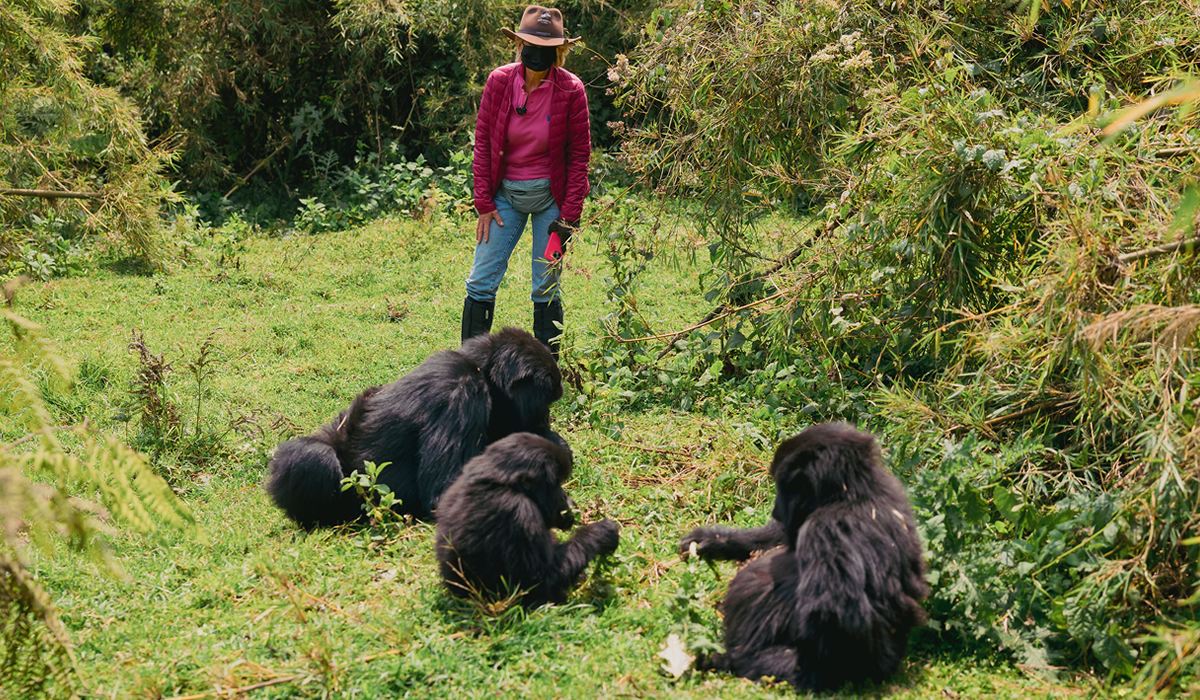
One of Rwanda’s most famous conservation success stories involves the protection of mountain gorillas. These critically endangered primates live in the volcanic forests along the borders of Rwanda, Uganda, and the Democratic Republic of Congo.
Volcanoes National Park plays a central role in the conservation of these gorillas. The park provides a protected habitat where gorilla families can live and reproduce safely.
Strict regulations govern gorilla trekking experiences. Only a limited number of tourists are allowed to visit each gorilla group per day, and visits are carefully managed to minimise disturbance. Tourists must also follow guidelines such as maintaining a safe distance and limiting time spent with the animals.
Revenue from gorilla trekking permits directly supports conservation programs, park management, and community development projects. As a result, gorilla populations in the region have gradually increased, demonstrating the positive impact of responsible tourism.
Reviving Wildlife in Akagera National Park
Another impressive conservation achievement can be seen in Akagera National Park, Rwanda’s only Savannah park.
In the past, wildlife populations in Akagera declined significantly due to poaching and habitat loss. However, a major restoration initiative transformed the park into a thriving wildlife sanctuary.
Partnerships between the Rwandan government and conservation organisations helped strengthen anti poaching measures, restore habitats, and reintroduce key wildlife species. Lions were successfully reintroduced in 2015, followed by black rhinos a few years later.
Today, Akagera is home to the “Big Five” animals, including lions, elephants, rhinos, leopards, and buffalo. Tourists visiting the park can enjoy classic African safari experiences while supporting conservation efforts that protect these species.
Conserving Rainforests in Nyungwe
Nyungwe Forest National Park is one of Africa’s oldest and most biologically diverse rainforests. The park is home to a remarkable variety of wildlife, including numerous primate species, birds, and rare plants.
Conservation efforts in Nyungwe focus on protecting this fragile ecosystem from deforestation and human encroachment. Strict park regulations and community engagement programs help ensure that the forest remains intact.
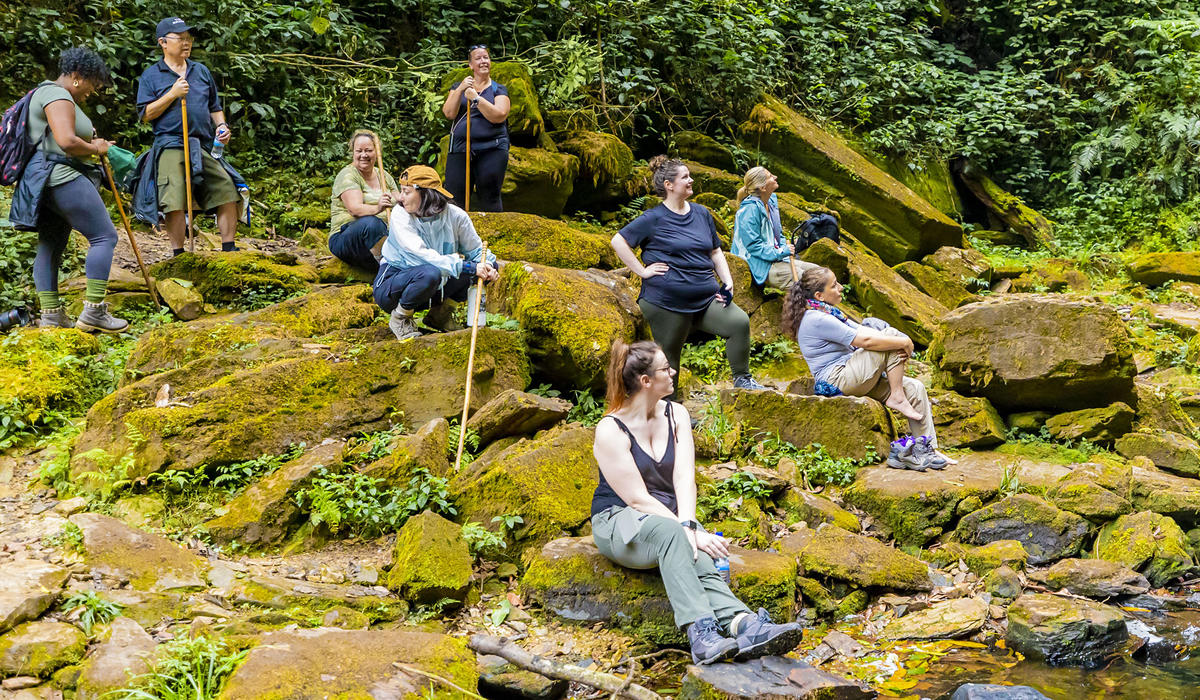
Tourists visiting Nyungwe can participate in activities such as chimpanzee tracking, birdwatching, and guided forest hikes. These experiences are carefully managed to maintain ecological balance while providing educational opportunities for visitors.
Nyungwe also plays a critical role in climate regulation and water conservation for the region, making its protection essential for both wildlife and human communities.
Community Involvement in Conservation
A key element of Rwanda’s conservation strategy is the involvement of local communities. Many conservation programs recognise that protecting wildlife must also benefit the people living near national parks.
One of the most effective initiatives is the revenue sharing program, which allocates a portion of tourism income to nearby communities. These funds support schools, healthcare facilities, infrastructure projects, and local businesses.
By ensuring that communities benefit from conservation, Rwanda encourages local residents to protect wildlife rather than exploit it. This approach reduces conflicts between humans and animals while strengthening long term conservation outcomes.
Community based tourism initiatives also allow tourists to engage with local culture through activities such as traditional dance performances, craft workshops, and village visits.
Anti Poaching and Wildlife Protection
Strong anti poaching measures have played an important role in Rwanda’s conservation success. Rangers patrol national parks regularly to monitor wildlife and prevent illegal activities.
Advanced technologies such as surveillance equipment and wildlife tracking systems are increasingly used to protect endangered species. Rangers also collaborate with international conservation organisations to share expertise and resources.
Education campaigns further support these efforts by raising awareness about the importance of wildlife protection among local communities and visitors.
For tourists, these protective measures ensure that wildlife encounters occur in safe and sustainable environments.
Sustainable Tourism and Conservation
Tourism plays a major role in funding conservation efforts in Rwanda. Park entrance fees, gorilla trekking permits, and other tourism activities generate significant revenue that supports wildlife protection.
Sustainable tourism practices help ensure that these activities do not harm the natural environment. Strict visitor limits, trained guides, and environmental guidelines all contribute to responsible tourism.
Tourists visiting Rwanda are encouraged to respect park rules, maintain safe distances from wildlife, and avoid activities that could disrupt natural ecosystems.
By following these principles, tourists actively contribute to conservation while enjoying unforgettable wildlife experiences.
Reforestation and Habitat Restoration
In addition to protecting existing ecosystems, Rwanda has also launched several reforestation and habitat restoration programs.
Projects aimed at restoring degraded land have helped reconnect wildlife habitats and increase forest coverage. These initiatives benefit both wildlife and local communities by improving soil quality, water resources, and biodiversity.
Tree planting campaigns and conservation education programs involve schools, community groups, and environmental organisations across the country.
Such initiatives demonstrate Rwanda’s long term commitment to protecting its natural environment for future generations.
A Model for Conservation in Africa
Rwanda’s wildlife conservation efforts have gained international recognition for their effectiveness and innovation. By combining strong government leadership, community involvement, and sustainable tourism, the country has created a successful model for protecting biodiversity.
Tourists visiting Rwanda can witness firsthand how conservation initiatives have transformed landscapes and wildlife populations. From the thriving gorilla families of Volcanoes National Park to the restored Savannah ecosystems of Akagera, Rwanda offers powerful examples of what dedicated conservation can achieve.
Protecting Rwanda’s Natural Heritage
Wildlife conservation in Rwanda is about more than protecting animals. It is about preserving ecosystems, supporting communities, and creating sustainable opportunities for tourism.
Through continued investment in conservation programs and responsible tourism practices, Rwanda ensures that its extraordinary wildlife remains protected for generations to come.
For tourists exploring this remarkable country, every visit contributes to the ongoing mission of protecting Rwanda’s natural heritage while experiencing the unforgettable beauty of its landscapes and wildlife.
Related Posts