
An Africa Safari Lake Manyara adventure offers an unforgettable opportunity to discover one of Tanzania’s most beautiful and diverse wildlife destinations. Located in northern Tanzania near the town of Mto wa Mbu, Lake Manyara National Park is famous for its remarkable wildlife, spectacular Great Rift Valley scenery, lush groundwater forests and beautiful alkaline lake. Visitors can encounter elephants, giraffes, buffaloes, zebras, hippos, monkeys and numerous bird species while exploring a landscape that changes dramatically between forests, open grasslands and lakeside wetlands. The park is also celebrated for its unusual tree-climbing lions, making it an attractive destination for wildlife enthusiasts, photographers, families and travelers interested in a memorable African safari.


Lake Manyara National Park is part of Tanzania’s famous northern safari circuit, making it convenient to combine with Serengeti National Park, Tarangire National Park and the Ngorongoro Conservation Area. Africa Safari Lake Manyara,Whether planning a short wildlife excursion or an extended all-inclusive African safari, Lake Manyara provides an exciting introduction to the natural beauty of Tanzania. With Fruits of Hope Adventure Tours, travelers can explore personalized safari arrangements combining wildlife game drives, scenic landscapes, cultural experiences and comfortable accommodation according to their preferred travel duration and budget.
Why Choose an Africa Safari Lake Manyara Experience?
Lake Manyara National Park offers an extraordinary combination of wildlife, landscapes and natural habitats within a relatively compact protected area. Unlike Tanzania’s vast Serengeti plains, Lake Manyara brings together lush forests, savannah vegetation, wetlands, hot springs and an alkaline lake beneath the dramatic cliffs of the Great Rift Valley. This diversity allows visitors to observe different ecosystems during a single safari, making the destination particularly attractive for travelers with limited time. The park’s scenic character also makes it rewarding for nature lovers who appreciate beautiful landscapes alongside traditional wildlife encounters.
Another advantage of an Africa Safari Lake Manyara experience is its convenient position within Tanzania’s northern safari circuit. Africa Safari Lake Manyara,Travelers can enjoy a morning or full-day wildlife excursion before continuing toward Ngorongoro or the Serengeti. The nearby town of Mto wa Mbu also provides opportunities for cultural excursions, local food experiences and community visits. For travelers interested in understanding the wider African safari experience, our guide explaining what a game drive is provides additional information about guided wildlife viewing.
Where Is Lake Manyara National Park Located?
Lake Manyara National Park is situated in northern Tanzania at the base of the Great Rift Valley escarpment, close to Mto wa Mbu and approximately 125 kilometers by road from Arusha. The park is easily incorporated into safari itineraries traveling between Arusha, Karatu, the Ngorongoro Conservation Area and Serengeti National Park. Africa Safari Lake Manyara. Its location makes it an excellent destination for visitors arriving through Kilimanjaro International Airport or beginning their journey in Arusha.
The national park protects an impressive landscape of approximately 649 square kilometers, including the expansive alkaline lake that gives the destination its name. Its habitats include groundwater forests, acacia woodlands, grasslands, wetlands and volcanic hot springs. Africa Safari Lake Manyara, Visitors entering the park experience a changing landscape, from dense forest vegetation to open areas overlooking the water. This remarkable environmental diversity is one of the reasons Lake Manyara remains an important destination within Tanzania’s northern safari circuit.
Wildlife at Lake Manyara National Park
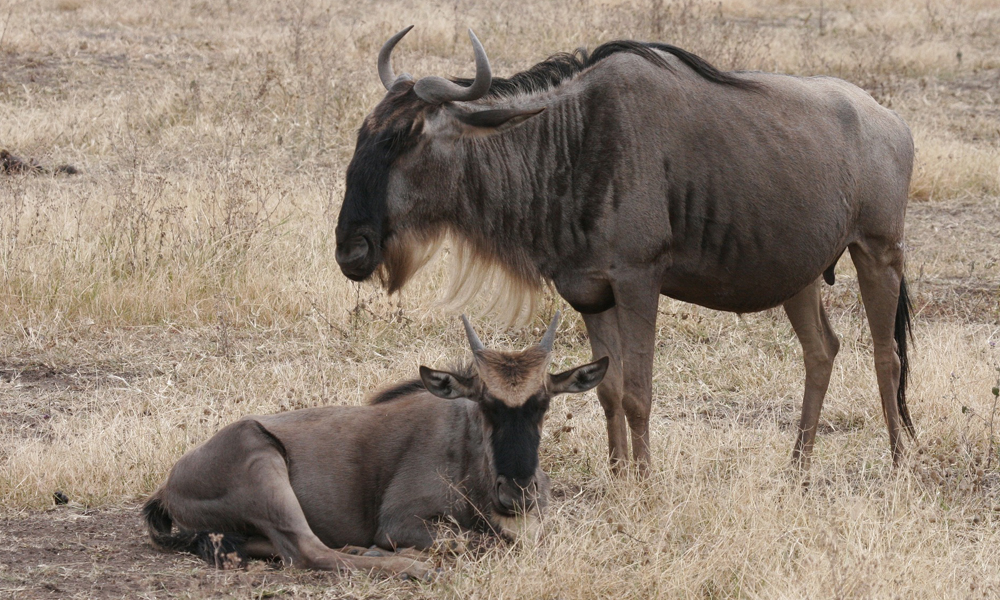
Wildlife viewing is one of the main attractions of an Africa Safari Lake Manyara adventure. The park supports a diverse range of animals adapted to its different habitats, including elephants, giraffes, buffaloes, zebras, wildebeests, warthogs and several antelope species. Visitors may encounter troops of baboons along forest roads, blue monkeys moving through the trees and hippos resting in wetland areas. Wildlife sightings vary according to season, habitat conditions and natural animal movements, making every game drive a different experience.
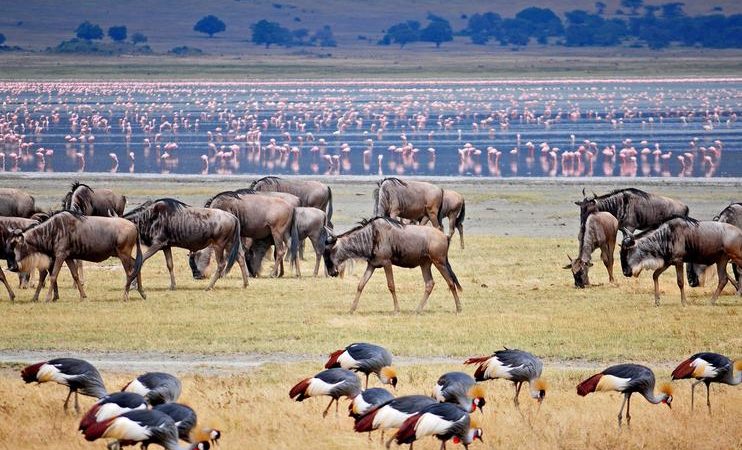
The park is particularly attractive because visitors can appreciate wildlife within contrasting environments. Elephants may be seen near the forest edge, giraffes browsing in woodland areas and grazing animals moving through open grasslands. Birdwatchers can explore forest habitats before continuing toward wetland areas where herons, pelicans, flamingos and other waterbirds may be observed.Africa Safari Lake Manyara, These experiences make Lake Manyara a valuable addition to a broader Tanzania wildlife safari focused on appreciating different ecosystems.
Tree-Climbing Lions at Lake Manyara
Lake Manyara National Park is internationally recognized for its tree-climbing lions, an unusual behavior that has attracted wildlife enthusiasts for many years.Africa Safari Lake Manyara, Although lions are traditionally associated with resting on the ground in savannah landscapes, some lions in Lake Manyara have been observed resting in trees. Seeing a lion stretched across a branch can be a memorable wildlife encounter and an excellent photographic opportunity for visitors exploring the park.
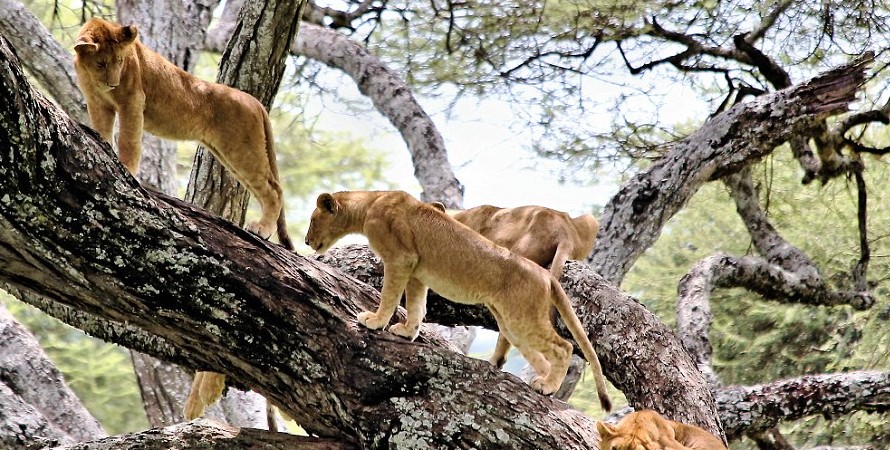
However, travelers should understand that tree-climbing lion sightings are never guaranteed. Lions move freely through the national park, and their visibility depends on location, vegetation and behavior. Africa Safari Lake Manyara, Experienced safari guides can search suitable habitats while explaining the ecology and behavior of these impressive predators. Even when lions are not encountered, the park’s elephants, primates, birds and beautiful Rift Valley scenery make a visit rewarding.
Elephants, Giraffes and Other Wildlife at Lake Manyara
Elephants are among the most impressive animals visitors may encounter during a Lake Manyara game drive. The park’s groundwater forests and surrounding habitats provide feeding areas for these large mammals, and visitors may observe individuals or family groups moving through the vegetation. Africa Safari Lake Manyara, Their social interactions, feeding behavior and movements across the landscape can provide excellent opportunities for wildlife photography and observation.
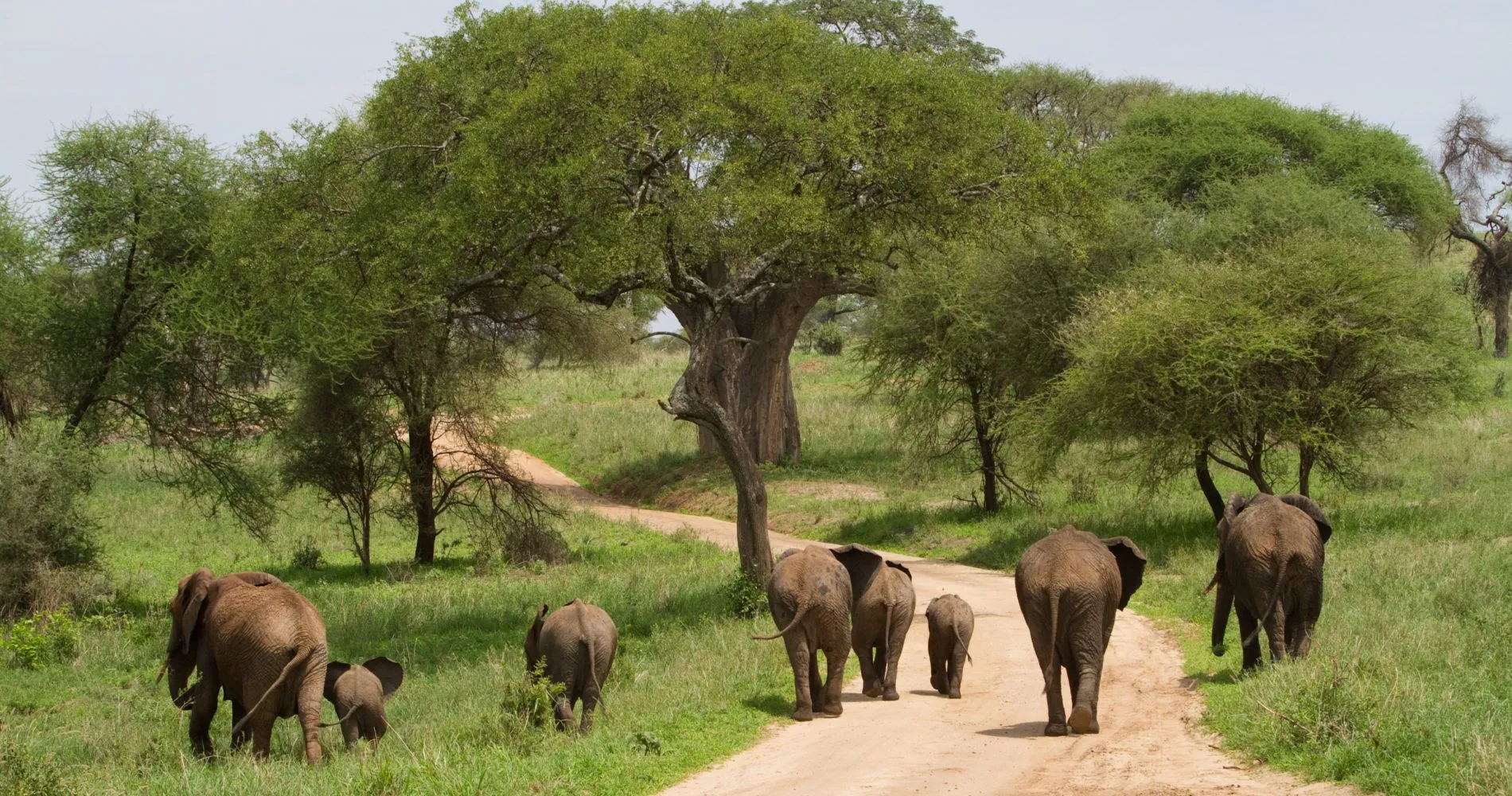
Giraffes, buffaloes, zebras and antelopes may also be encountered in suitable woodland and open habitats. Africa Safari Lake Manyara,Hippos occupy designated wetland areas, while large troops of baboons are frequently associated with the park’s forest environment. The variety of animals makes Lake Manyara particularly rewarding for visitors who appreciate observing wildlife behavior rather than focusing exclusively on Africa’s largest predators.
Birdwatching at Lake Manyara National Park
Lake Manyara is one of Tanzania’s outstanding birdwatching destinations, with more than 400 bird species recorded across its diverse habitats. Africa Safari Lake Manyara,The alkaline lake and surrounding wetlands attract different waterbirds, including flamingos, pelicans, herons and storks. The number and location of flamingos vary according to lake conditions, seasonal water levels and food availability, so visitors should not assume that large flamingo concentrations will be present throughout the year.
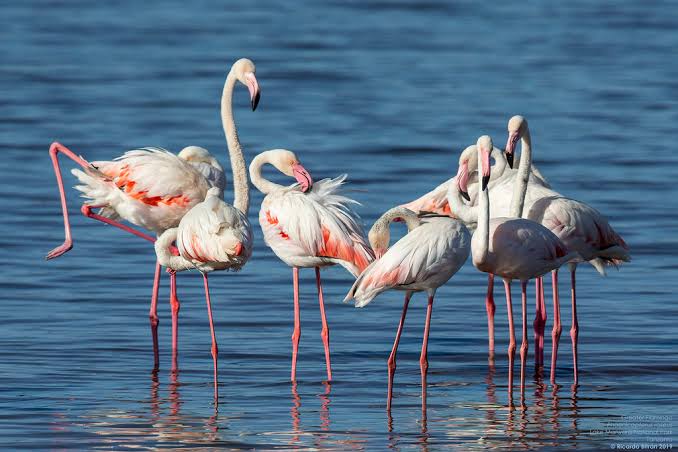
The park’s forests and woodland habitats also support numerous bird species, making birdwatching rewarding beyond the lakeshore. Visitors may encounter hornbills, kingfishers, bee-eaters and other forest or savannah birds during their game drives. Travelers interested in wildlife photography should carry binoculars and a camera suitable for distant subjects. Early morning excursions can be especially enjoyable because many bird species are active during the cooler hours.
Beautiful Landscapes of Lake Manyara National Park
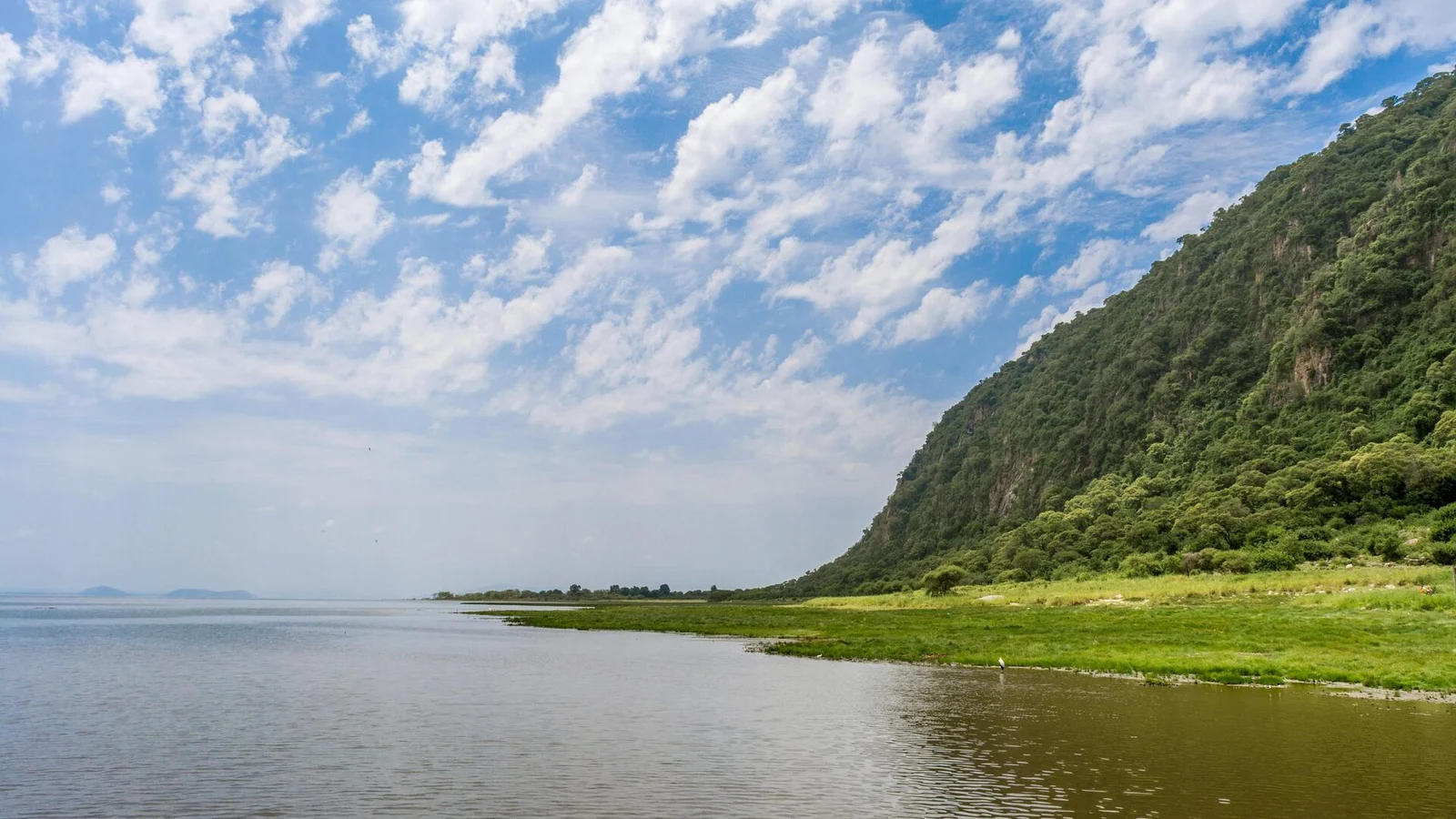
The landscapes of Lake Manyara are among the most distinctive features of the national park. Africa Safari Lake Manyara,The Great Rift Valley escarpment rises dramatically above the surrounding countryside, creating a spectacular backdrop to the lake, forests and grasslands. This impressive geographical setting gives the park a scenic character that differs from the vast open plains of the Serengeti.
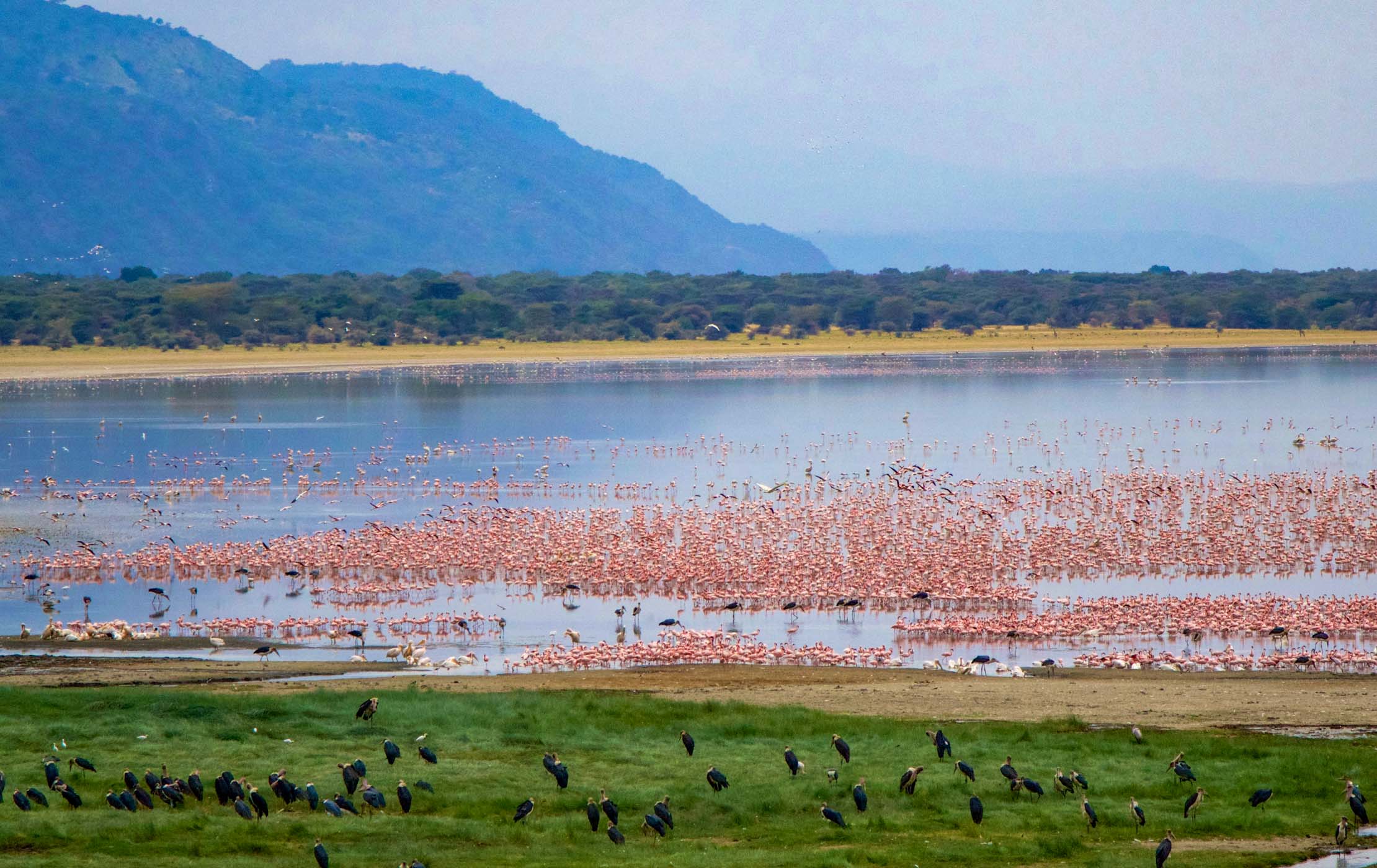
Visitors exploring the park can pass through lush groundwater forests containing tall trees and dense vegetation before reaching more open areas overlooking the lake. Wetlands, hot springs, acacia woodland and grassy floodplains contribute to the park’s ecological diversity. The changing scenery makes Lake Manyara particularly suitable for travelers who enjoy landscape photography alongside wildlife observation.
Best Things to Do During an Africa Safari Lake Manyara
Wildlife Game Drives
Game drives are the main activity during an Africa Safari Lake Manyara experience. Visitors explore designated park roads in a safari vehicle accompanied by a knowledgeable guide who helps identify animals and explain their behavior. Africa Safari Lake Manyara,Game drives provide opportunities to observe elephants, giraffes, buffaloes, monkeys, antelopes and numerous bird species while appreciating the park’s changing landscapes.
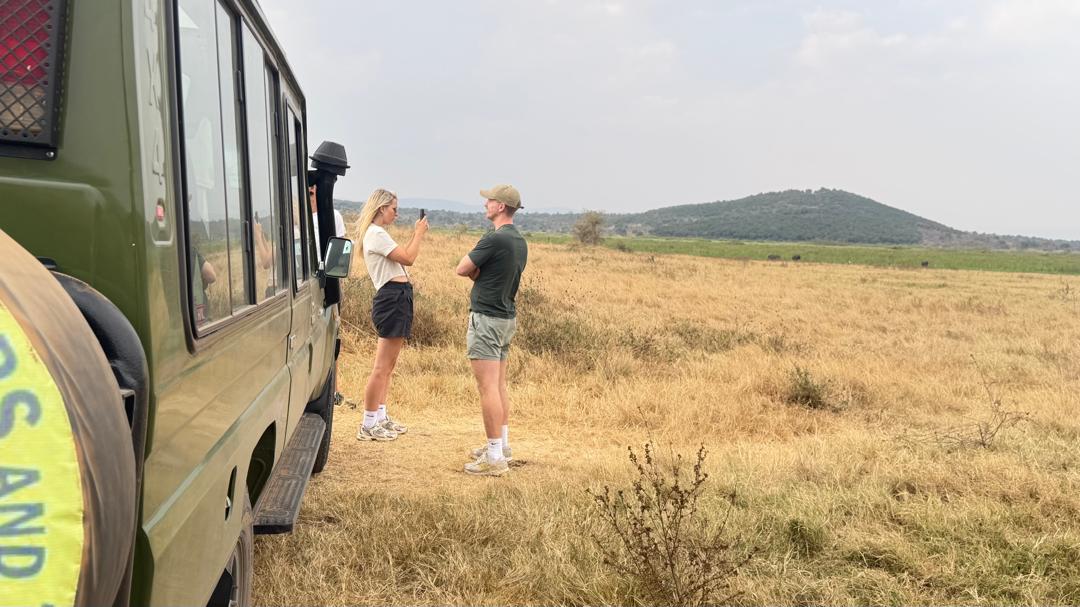
Morning game drives are particularly attractive because temperatures are often cooler and some animals are more active. Longer visits allow travelers to explore different sections of the park, including forest roads, open woodland and wetland viewpoints. Wildlife viewing depends on natural conditions, so a flexible itinerary and experienced guide are valuable for making the most of the experience.
Best Time to Visit Lake Manyara National Park
Lake Manyara National Park can be visited throughout the year, although different seasons provide changing wildlife viewing conditions and landscapes. The generally drier months from June to October are popular for northern Tanzania safaris because road conditions may be more manageable and some wildlife becomes easier to observe in less dense vegetation. However, animal distribution still depends on water availability and natural movements.
The wetter months bring greener vegetation, beautiful landscapes and rewarding birdwatching opportunities. Seasonal rainfall can also influence lake levels and the presence of flamingos and other waterbirds. Travelers should therefore choose their safari dates according to their preferred experiences rather than assuming that one season guarantees particular wildlife sightings.
How to Get to Lake Manyara National Park
Most travelers reach Lake Manyara National Park by road from Arusha, with the journey generally taking approximately two to three hours depending on traffic, weather and road conditions. The park’s location near Mto wa Mbu makes it convenient for day visits or overnight safaris. Visitors traveling toward Ngorongoro and Serengeti often include Lake Manyara as an early stop in their northern Tanzania itinerary.
Fly-in arrangements may also be possible through nearby airstrips, depending on available flight services and the wider safari route. Private road transportation remains a popular option because it allows scenic stops and flexible scheduling. Travelers planning multiple destinations should consider driving distances carefully to avoid spending too much time transferring between parks.
Where to Stay During a Lake Manyara Safari
Accommodation around Lake Manyara ranges from comfortable guesthouses and mid-range lodges to luxury safari properties. Mto wa Mbu and Karatu provide useful accommodation bases, with properties offering different levels of comfort, dining facilities and views of the surrounding landscape. Visitors staying near the park can begin their wildlife activities early and spend more time exploring.
Some travelers prefer accommodation near the Rift Valley escarpment, where elevated locations may offer panoramic views of the surrounding countryside. Others choose lodges closer to Karatu when continuing toward Ngorongoro. The best accommodation depends on the itinerary, travel budget and preferred level of comfort.
Combine Lake Manyara With Serengeti National Park
Lake Manyara is an excellent addition to a safari featuring Serengeti National Park, one of Africa’s most famous wildlife destinations. While Lake Manyara is known for its diverse habitats and scenic Rift Valley landscape, the Serengeti is celebrated for its extensive grasslands, large wildlife populations and the Great Migration. Combining both destinations allows visitors to experience contrasting ecosystems during one Tanzania holiday.
Travelers interested in a longer wildlife adventure can explore our 3 Days Serengeti National Park Safari and request an extended itinerary incorporating Lake Manyara. This combination is especially rewarding for wildlife photographers, couples and travelers interested in observing different animal species across northern Tanzania.
Combine Lake Manyara With Ngorongoro Crater
The Ngorongoro Conservation Area is another remarkable destination that combines conveniently with Lake Manyara National Park. Ngorongoro is famous for its enormous volcanic caldera and the diverse wildlife found on the crater floor. Visitors may encounter elephants, buffaloes, lions, zebras, wildebeests and other species while exploring one of Tanzania’s most celebrated safari landscapes.
A combined Lake Manyara and Ngorongoro safari provides an excellent balance of forest, lake, grassland and crater ecosystems. Travelers can enjoy wildlife viewing in Lake Manyara before continuing toward Karatu and the Ngorongoro highlands. Those comparing regional safari destinations can also read our guide to Kenya or Tanzania for Safari when deciding how to structure a broader East African holiday.
Recommended Lake Manyara Safari Itineraries
1 Day Lake Manyara National Park Safari
A one-day Lake Manyara safari is ideal for travelers staying in Arusha or nearby northern Tanzania destinations. The journey begins with a morning transfer toward the park, followed by a guided game drive through its forest, woodland and wetland habitats. Visitors can enjoy wildlife photography, birdwatching and scenic views of the Great Rift Valley before returning to their accommodation later in the day.
3 Days Lake Manyara and Ngorongoro Crater Safari
A three-day safari can combine Lake Manyara National Park with the spectacular Ngorongoro Crater. The first day includes transportation from Arusha and wildlife viewing in Lake Manyara, followed by accommodation near Karatu. The second day features a guided Ngorongoro Crater excursion, while the final day includes a return transfer to Arusha or additional sightseeing according to the itinerary.
5 Days Lake Manyara, Serengeti and Ngorongoro Safari
A five-day northern Tanzania safari provides opportunities to visit three famous wildlife destinations. Travelers can begin with Lake Manyara, continue to the Serengeti for extensive game drives and later explore the Ngorongoro Crater. This itinerary offers a remarkable combination of ecosystems, wildlife and scenic landscapes, making it particularly attractive for visitors seeking a comprehensive introduction to Tanzania.
Why Book an Africa Safari Lake Manyara With Fruits of Hope Adventure Tours?
Fruits of Hope Adventure Tours helps travelers plan personalized wildlife experiences across East Africa, including Tanzania’s celebrated northern safari destinations. Whether visiting Lake Manyara for a short wildlife excursion or combining it with the Serengeti and Ngorongoro Crater, visitors can request an itinerary suited to their travel dates, accommodation preferences and interests.
Our safari planning can include private transportation, experienced local guiding arrangements, suitable accommodation and carefully coordinated wildlife activities. Travelers interested in broader regional adventures can also explore options for an all-inclusive African safari that combines several wildlife destinations into one memorable journey.
Frequently Asked Questions About Africa Safari Lake Manyara
1. Where is Lake Manyara National Park located?
Lake Manyara National Park is located in northern Tanzania near Mto wa Mbu, at the base of the Great Rift Valley escarpment. It is approximately 125 kilometers from Arusha and forms part of Tanzania’s popular northern safari circuit.
2. What animals can I see during an Africa Safari Lake Manyara?
Visitors may encounter elephants, giraffes, zebras, buffaloes, hippos, warthogs, baboons, monkeys and various antelope species. Lions may also be seen, although wildlife sightings depend on natural animal movements and cannot be guaranteed.
3. Are there tree-climbing lions in Lake Manyara?
Yes. Lake Manyara is famous for lions that sometimes rest in trees. However, these sightings are unpredictable, and visitors should not expect to see tree-climbing lions during every game drive.
4. What is the best time for an Africa Safari Lake Manyara?
Lake Manyara can be visited throughout the year. The relatively dry season from June to October is popular for wildlife viewing, while wetter months provide greener landscapes and excellent opportunities for birdwatching.
5. Can I see flamingos at Lake Manyara?
Yes. Flamingos occur around Lake Manyara when lake conditions and food availability are suitable. Their numbers vary seasonally, so large concentrations are not guaranteed.
6. How many days should I spend at Lake Manyara?
One full day can provide a rewarding introduction to Lake Manyara National Park. Travelers interested in additional activities or combining the park with nearby destinations can plan two or more days as part of a longer Tanzania safari.
7. Can I combine Lake Manyara with Serengeti National Park?
Yes. Lake Manyara combines conveniently with Serengeti National Park and the Ngorongoro Conservation Area. Many travelers include these destinations in four-to-seven-day northern Tanzania safari itineraries.
8. Is Lake Manyara suitable for wildlife photography?
Yes. The park offers excellent photography opportunities featuring elephants, giraffes, birds, forest vegetation, wetland habitats and spectacular views of the Great Rift Valley.
9. Is an Africa Safari Lake Manyara suitable for families?
Yes. Lake Manyara can be an excellent family safari destination because game drives allow visitors to observe wildlife from a vehicle. Families should follow national park safety regulations and confirm age requirements for any additional activities.
10. How can I book an Africa Safari Lake Manyara with Fruits of Hope Adventure Tours?
Travelers can arrange an Africa Safari Lake Manyara experience by sharing their preferred travel dates, number of participants, desired safari duration and accommodation preferences. Fruits of Hope Adventure Tours can help coordinate a personalized itinerary featuring Lake Manyara and other northern Tanzania safari destinations.
Book Your Africa Safari Lake Manyara Adventure
An Africa Safari Lake Manyara offers a memorable combination of beautiful scenery, exceptional wildlife, fascinating birdlife and relaxing natural surroundings. Whether exploring the park’s lush groundwater forests, searching for tree-climbing lions or admiring the spectacular Great Rift Valley landscapes, visitors can enjoy one of Tanzania’s most distinctive safari experiences.
Lake Manyara is also an excellent destination to combine with Serengeti National Park, Ngorongoro Crater and other northern Tanzania attractions, creating a well-rounded African wildlife holiday.
Plan your Tanzania safari with Fruits of Hope Adventure Tours and discover the extraordinary wildlife and landscapes of Lake Manyara National Park.