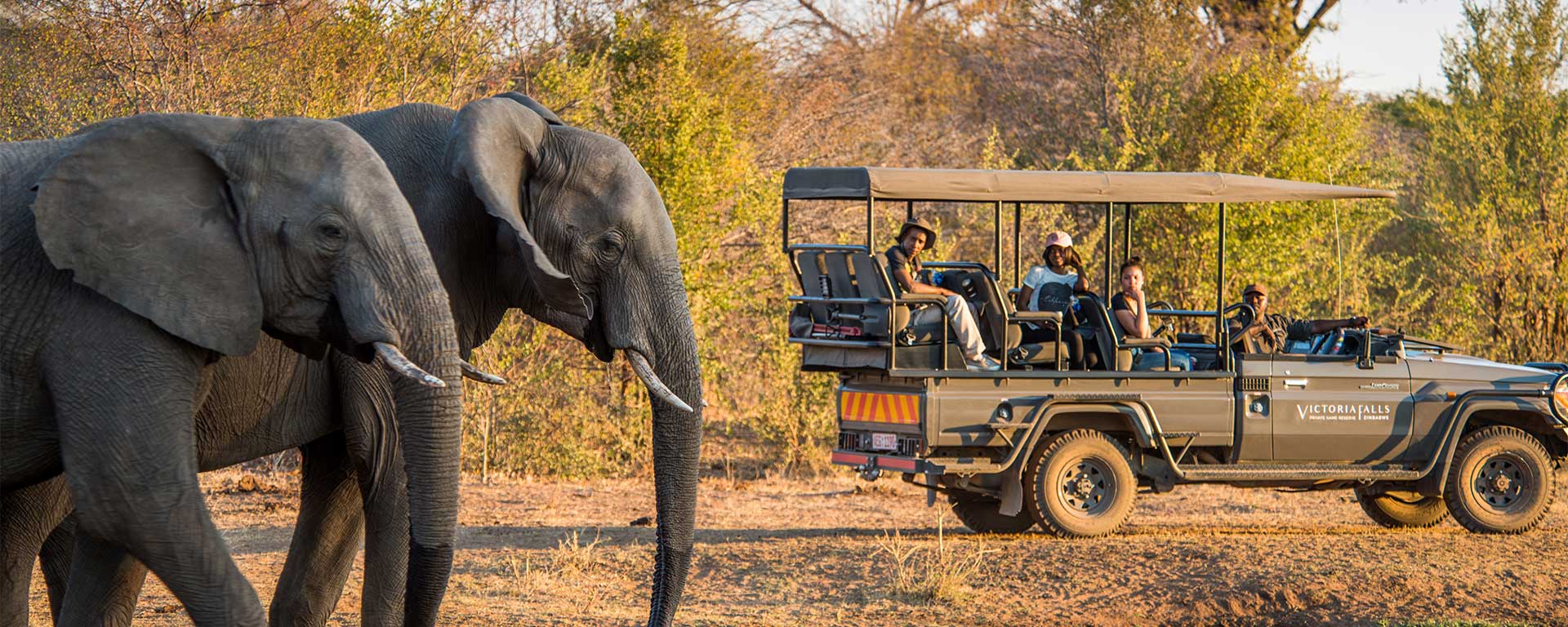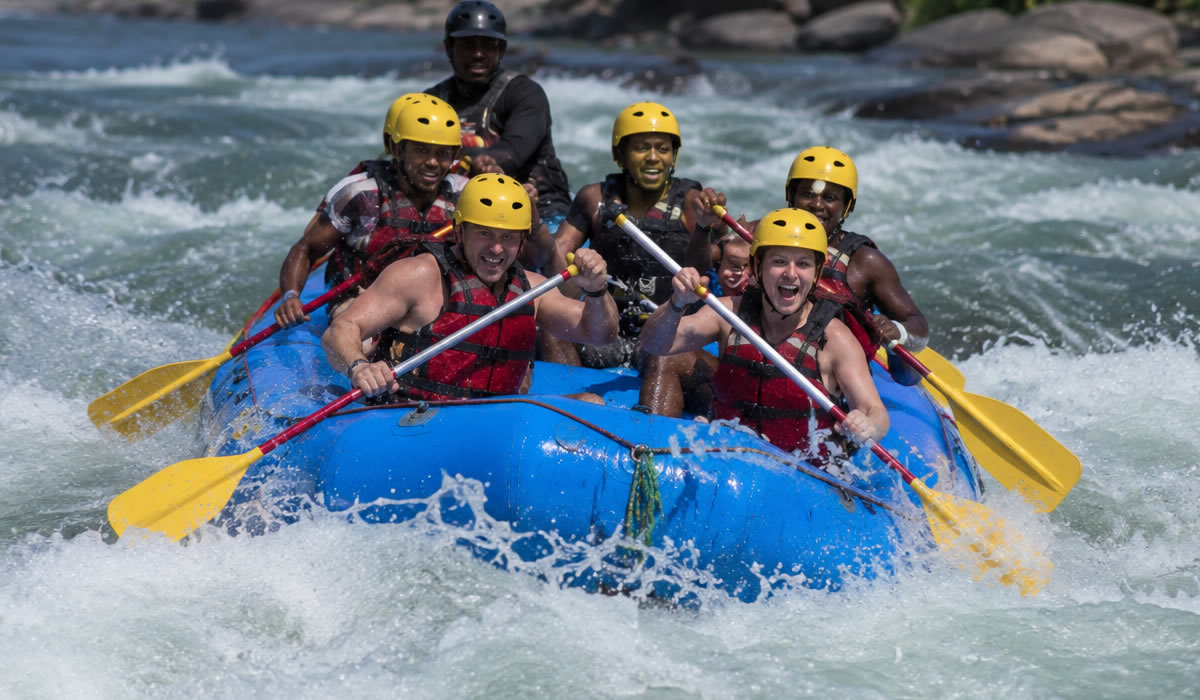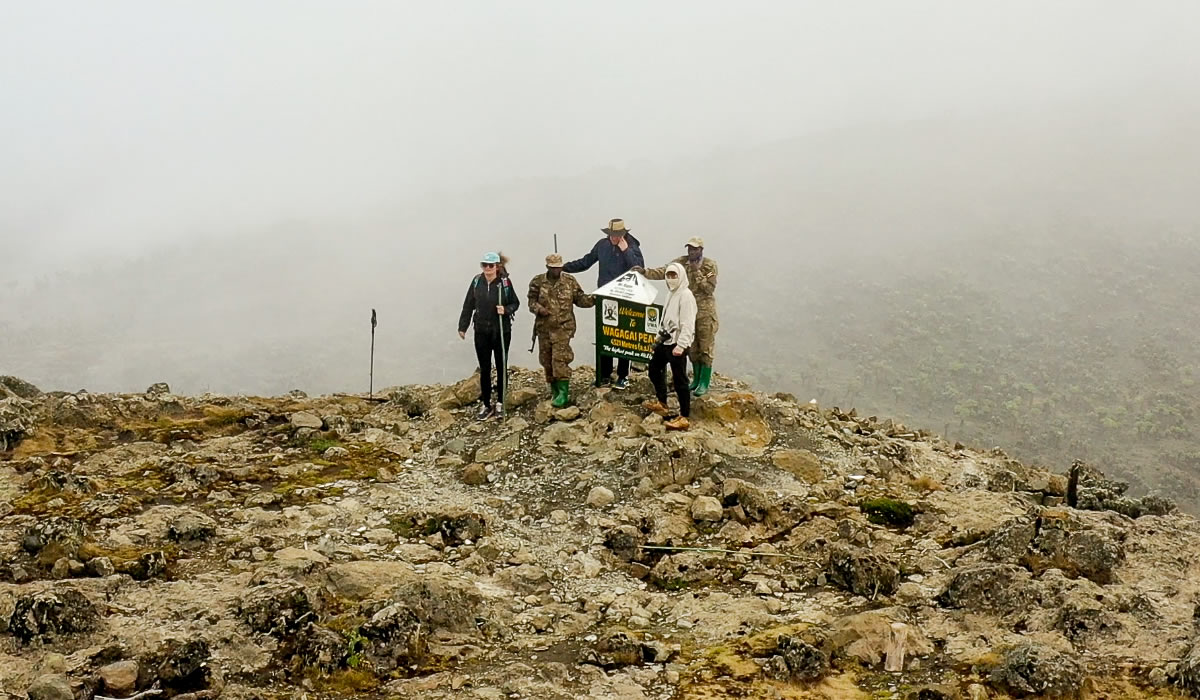
What is the best country for a safari in Africa? This is one of the…
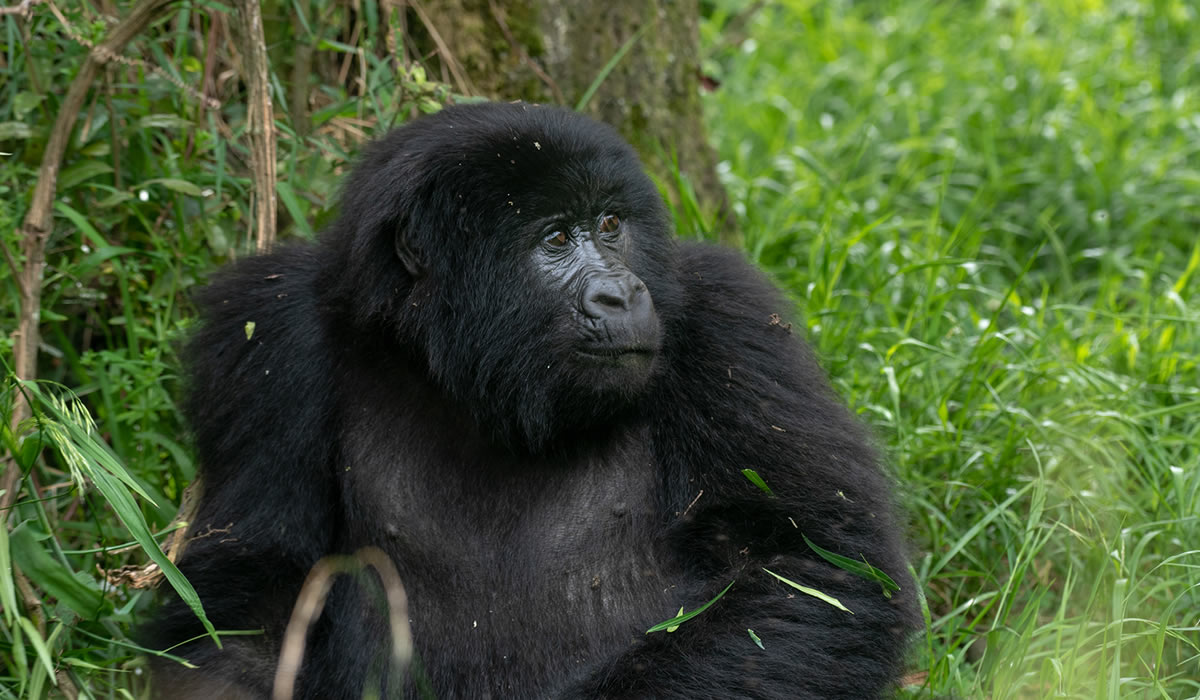
The Nyakagezi Gorilla Family in Mgahinga National Park
The Nyakagezi Gorilla Family is one of Uganda’s most famous mountain gorilla groups and a major attraction for tourists visiting Mgahinga Gorilla National Park. This habituated gorilla family has become internationally recognised for offering exceptional gorilla trekking experiences in Uganda.
Located in south western Uganda near the borders of Rwanda and Democratic Republic of the Congo, Mgahinga Gorilla National Park forms part of the greater Virunga Conservation Area. The park protects endangered mountain gorillas and spectacular volcanic landscapes, making it one of the best destinations for wildlife tourism in East Africa.
For tourists searching for gorilla trekking in Uganda, Uganda safaris, mountain gorilla tours, or wildlife experiences in Africa, the Nyakagezi Gorilla Family remains a highlight of any Uganda itinerary.
Location of the Nyakagezi Gorilla Family
The Nyakagezi Gorilla Family inhabits the forests of Mgahinga Gorilla National Park, Uganda’s smallest national park covering approximately 33.7 square kilometres.
Despite its size, the park offers remarkable biodiversity and lies within the Virunga Mountains ecosystem. The park is surrounded by three volcanic peaks including Mount Muhabura, Mount Gahinga, and Mount Sabyinyo.
The Nyakagezi group is the only habituated gorilla family available for trekking in Mgahinga National Park, making it particularly special for tourists.
History of the Nyakagezi Gorilla Family
The Nyakagezi Gorilla Family became famous partly because of its movement patterns. For many years, the group frequently crossed borders between Uganda, Rwanda, and the Democratic Republic of the Congo, making sightings less predictable.
However, the family eventually settled more permanently within Mgahinga Gorilla National Park, creating reliable opportunities for gorilla trekking experiences.
This stability significantly increased tourism activities in the park and strengthened Mgahinga’s reputation as a premier gorilla trekking destination in Uganda.
The family has long been admired for its calm behaviour and social interactions, making encounters especially rewarding for tourists and researchers.
Composition of the Nyakagezi Gorilla Family
The Nyakagezi Gorilla Family has experienced changes in membership over time due to births, deaths, and natural social dynamics. The group is notable for having multiple silverbacks living together peacefully, which is relatively uncommon among mountain gorilla families.
Historically, the family was led by the dominant silverback known as Mark. Other important members included silverbacks such as Mafia, Mathew, and Rukundo.
The presence of several mature males created fascinating social interactions that attracted researchers and wildlife enthusiasts.
The group also includes adult females, juveniles, infants, and blackbacks, creating a dynamic family structure that tourists often observe during gorilla trekking.
Gorilla Trekking Experience with the Nyakagezi Family
Gorilla trekking with the Nyakagezi Family is among the most sought after wildlife experiences in Uganda. The activity begins early in the morning at the park headquarters with a briefing conducted by park rangers.
Tourists receive guidance regarding trekking rules, safety procedures, and gorilla conservation practices before entering the forest.
The trek itself can last from one to several hours depending on the gorillas’ location. The journey passes through bamboo forests, montane vegetation, and volcanic slopes while offering scenic views of the Virunga Mountains.
Once the gorillas are located, tourists are allowed one hour to observe and photograph them. This close encounter provides unforgettable opportunities to watch feeding behaviour, grooming interactions, playfulness among juveniles, and family dynamics.
Why the Nyakagezi Gorilla Family is Unique
The Nyakagezi Gorilla Family stands out among Uganda’s gorilla groups because of several distinctive characteristics.
One major feature is the coexistence of multiple silverbacks within the same family. Their peaceful interactions provide rare opportunities for tourists to observe gorilla social structures.
The group is also known for its relaxed temperament, which contributes to excellent trekking experiences and photography opportunities.
Another advantage is that Mgahinga Gorilla National Park receives fewer visitors compared to Bwindi Impenetrable National Park. This means tourists often enjoy quieter trekking experiences with fewer crowds.
Best Time to Visit the Nyakagezi Gorilla Family
Gorilla trekking in Mgahinga Gorilla National Park can be undertaken throughout the year. However, the dry seasons from June to September and December to February are generally preferred.
During these months, forest trails are less slippery and visibility improves, enhancing the trekking experience.
Rainy seasons still offer rewarding experiences because the park remains lush and scenic. Tourists should nevertheless prepare with waterproof clothing and suitable hiking boots.
Gorilla Permits for Nyakagezi Gorilla Trekking
Tourists planning to visit the Nyakagezi Gorilla Family require a gorilla trekking permit issued by the Uganda Wildlife Authority.
Permits are essential because gorilla tourism is carefully regulated to protect the endangered mountain gorillas and their habitat.
Advance booking is highly recommended due to limited availability, particularly during peak tourism seasons.
Many Uganda safari packages include permits together with accommodation, transport, and guiding services.
Other Activities in Mgahinga Gorilla National Park
Besides visiting the Nyakagezi Gorilla Family, Mgahinga Gorilla National Park offers several additional attractions.
Golden Monkey Tracking
The park is renowned for Golden Monkey tracking experiences. These endangered primates inhabit bamboo forests and provide exciting wildlife encounters.
Volcano Hiking
Tourists can hike the Virunga volcanoes including Mount Muhabura, Mount Gahinga, and Mount Sabyinyo. The hikes offer panoramic views and adventurous experiences.
Batwa Cultural Experience
The Batwa cultural trail introduces tourists to the indigenous Batwa people who historically lived within the forests before the park’s establishment.
Visitors learn traditional hunting techniques, medicinal plant use, music, and storytelling.
Conservation Importance of the Nyakagezi Gorilla Family
Mountain gorillas remain endangered, making conservation efforts extremely important. Gorilla tourism centred around the Nyakagezi Family contributes significantly to conservation funding and local community development.
Tourism revenues support park management, anti poaching initiatives, habitat protection, and community projects.
Responsible gorilla tourism also creates awareness regarding wildlife conservation while generating employment opportunities around Mgahinga.
The success of gorilla conservation in Uganda is frequently cited as one of Africa’s major conservation achievements.
Accommodation Options Near Mgahinga Gorilla National Park
Tourists visiting the Nyakagezi Gorilla Family can choose from luxury, mid range, and budget accommodation facilities around Kisoro and the park area.
Many lodges offer views of the Virunga volcanoes and provide convenient access to trekking activities. Luxury eco lodges are particularly popular among tourists seeking premium gorilla safari experiences. Accommodation packages often combine gorilla trekking with golden monkey tracking and volcano hikes.
The Nyakagezi Gorilla Family in Mgahinga Gorilla National Park offers one of the finest gorilla trekking experiences in Uganda. Its fascinating social structure, calm temperament, and scenic location within the Virunga Mountains make it an exceptional wildlife attraction.
For tourists searching for Uganda gorilla trekking tours, mountain gorilla safaris, wildlife holidays in Africa, or Mgahinga National Park adventures, visiting the Nyakagezi Gorilla Family promises an unforgettable encounter with one of the world’s most endangered primates.
Related Posts