

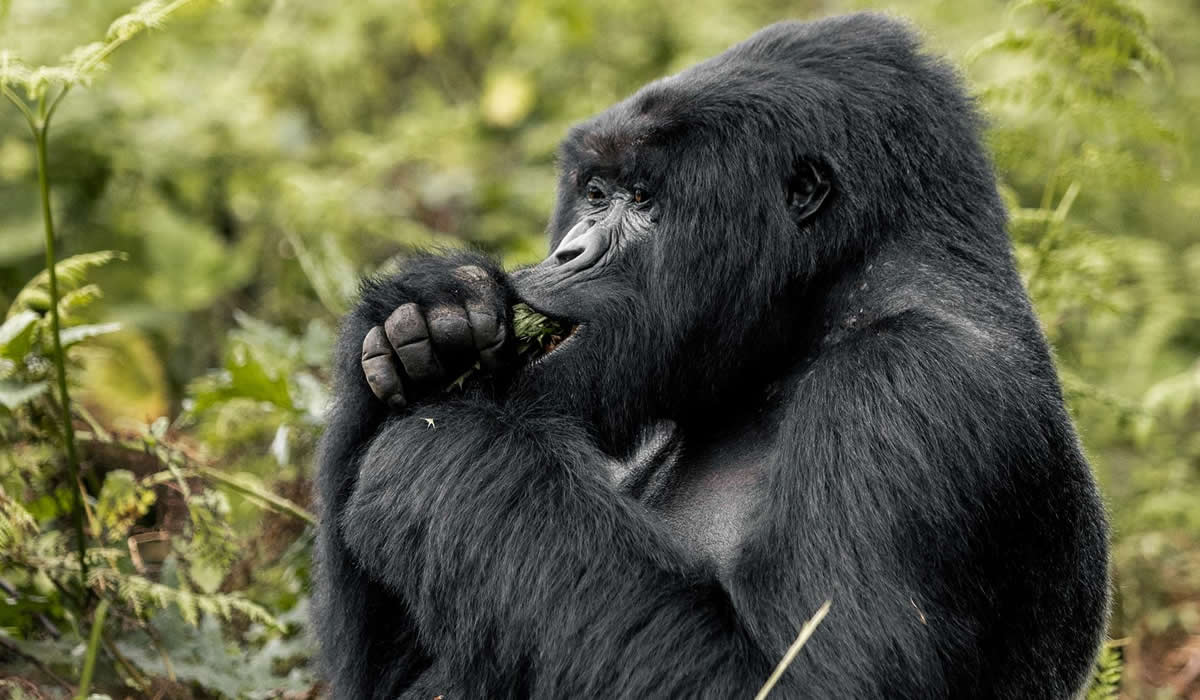
Gorilla Trekking in Volcanoes National Park is one of Africa’s most extraordinary wildlife experiences, offering visitors the opportunity to observe endangered mountain gorillas in their natural forest habitat. Located in northwestern Rwanda, Volcanoes National Park is famous for its beautiful volcanic mountains, dense bamboo forests, remarkable biodiversity and close encounters with mountain gorilla families. Travellers from around the world visit this protected conservation area to experience the unique opportunity of spending time with some of humanity’s closest living relatives.
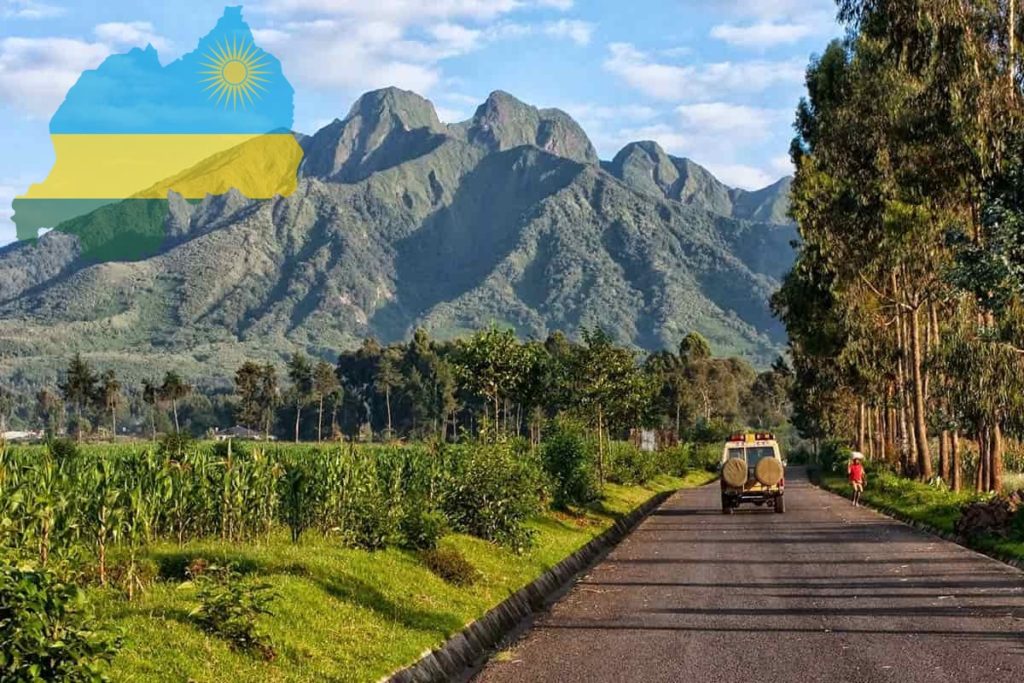
Volcanoes National Park is one of Africa’s historic protected areas, with its conservation history dating back to 1925. The park forms part of the Virunga Mountains, a remarkable volcanic landscape extending across Rwanda, Uganda and the Democratic Republic of Congo. Five of the eight Virunga volcanoes are found within Rwanda’s section of this mountain range: Mount Karisimbi, Mount Bisoke, Mount Sabyinyo, Mount Gahinga and Mount Muhabura. These mountains provide important habitats for mountain gorillas, golden monkeys, forest birds and other wildlife species.
Gorilla Trekking in Volcanoes National Park allows visitors to explore this beautiful mountainous environment with experienced park rangers and trackers before encountering a habituated mountain gorilla family. The activity combines wildlife observation, forest hiking, conservation education and breathtaking scenery, making it particularly appealing to nature enthusiasts, wildlife photographers, couples and travellers interested in authentic African safari adventures.
The park is also closely associated with the conservation work of American primatologist Dian Fossey, whose research helped raise international awareness of mountain gorillas and the threats facing their survival. Her remarkable work was portrayed in the famous film Gorillas in the Mist, introducing many people around the world to Rwanda’s mountain gorillas and the importance of protecting their natural habitat.
Today, Gorilla Trekking in Volcanoes National Park remains one of the highlights of Rwanda safari experiences, with carefully regulated trekking activities that support responsible tourism and mountain gorilla conservation.
What Is Gorilla Trekking in Volcanoes National Park?


Gorilla Trekking in Volcanoes National Park is a guided wildlife activity that involves hiking through the protected forest in search of a habituated mountain gorilla family. Unlike animals kept in wildlife sanctuaries or zoos, the mountain gorillas in Volcanoes National Park live freely within their natural environment, moving through bamboo forests, montane vegetation and mountainous terrain in search of food.
The experience begins at the park headquarters in Kinigi, where visitors receive a briefing from professional park rangers before being assigned to a gorilla trekking group. Each group is accompanied by experienced guides and trackers who understand the forest environment and the movements of the gorilla families.
Once the assigned gorilla family is located, visitors are normally permitted to spend up to one hour observing the primates. During this time, travellers may see gorillas feeding, grooming one another, resting, playing or interacting within their family group.
This hour of observation is the highlight of Gorilla Trekking in Volcanoes National Park. Watching a silverback calmly supervising his family, mothers caring for young gorillas and juveniles playing in the forest provides an exceptional opportunity to understand the behaviour of these intelligent animals.
Although mountain gorillas are generally peaceful when undisturbed, they remain powerful wild animals. Visitors must follow their guides’ instructions and maintain appropriate distances throughout the encounter.
Mountain Gorillas in Volcanoes National Park
Mountain gorillas, scientifically known as Gorilla beringei beringei, are a subspecies of the eastern gorilla and among the largest living primates in the world. They inhabit high-altitude forest environments in the Virunga Mountains and Uganda’s Bwindi Impenetrable National Park.
These remarkable animals are primarily herbivorous, feeding on leaves, shoots, stems, roots and other vegetation found within their forest habitat. Their diet varies according to the available plants and seasonal conditions. Mountain gorillas spend much of their day feeding, resting and moving through the forest, creating opportunities for visitors to observe a wide range of natural behaviours.
Mountain gorillas live in social groups commonly led by a dominant adult male known as a silverback. The silverback is responsible for protecting the group, making important movement decisions and maintaining social relationships among its members. A typical family may include adult females, younger males, juveniles and infants, although group sizes and compositions vary considerably.
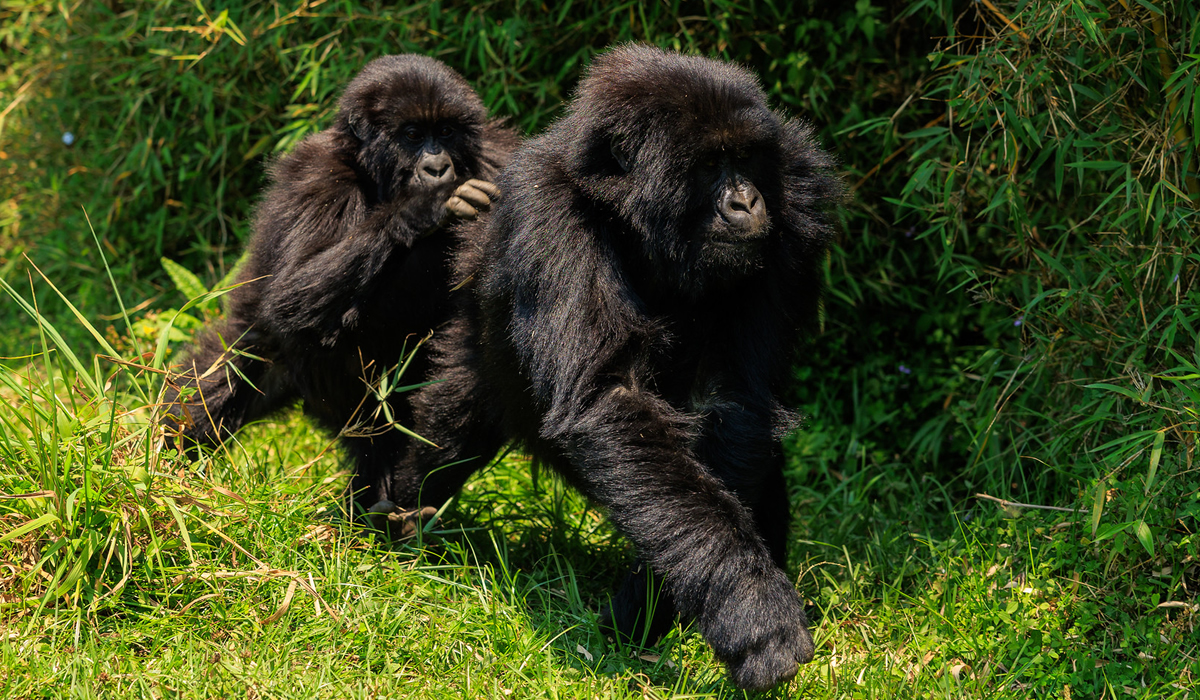
Young gorillas are particularly entertaining to observe because they frequently engage in playful behaviour, including climbing, chasing and interacting with other members of the family. Mothers maintain close relationships with their infants, carrying and protecting them during their early development.
Gorilla Trekking in Volcanoes National Park gives visitors an opportunity to observe these fascinating family relationships while learning about mountain gorilla ecology and conservation from experienced guides.
Mountain gorillas are currently classified as Endangered. Although conservation efforts have contributed to population recovery, their restricted habitats and vulnerability to disease, habitat pressure and other threats mean continued protection remains essential.
What to Expect During Gorilla Trekking in Volcanoes National Park
Morning Briefing at Kinigi Park Headquarters
Gorilla Trekking in Volcanoes National Park begins early in the morning at the park headquarters in Kinigi, located near Musanze in northwestern Rwanda. Visitors are expected to report at approximately 7:00 AM for registration and the official briefing.
During the briefing, park rangers explain the trekking procedures, conservation rules, expected behaviour around mountain gorillas and important safety considerations. Visitors also receive information about the forest environment and the importance of protecting endangered wildlife.
Tourists are organised into small groups, with no more than eight visitors allocated to a gorilla family. After the briefing, the guides coordinate the movement towards the appropriate forest entry point.
Experienced advance trackers may already be monitoring the general location of the assigned gorilla families. Their communication with the trekking guides helps direct visitors towards the most suitable routes through the forest.
Hiking Through the Virunga Mountain Forest
After the briefing, visitors travel to their assigned trekking starting point before entering the forest on foot. The hike passes through beautiful mountain vegetation, including bamboo forests, dense undergrowth, forest clearings and sections of steep volcanic terrain.
The duration of the hike varies according to the location of the gorilla family. Some visitors may reach their assigned gorillas within a relatively short period, while others may spend several hours navigating the mountainous environment.
The landscape can be physically demanding because it includes steep slopes, muddy trails, uneven ground and thick vegetation. Weather conditions may also change quickly, with rainfall and mist common in the Virunga Mountains.
Gorilla Trekking in Volcanoes National Park therefore requires preparation and a reasonable level of physical fitness. However, visitors should not assume that every trek is extremely difficult. The experience varies according to the assigned family, route and prevailing conditions.
Professional guides help visitors navigate the forest safely, while local porters may be hired to carry backpacks and provide practical assistance along challenging sections of the trail.
Encountering a Mountain Gorilla Family
The most memorable moment of Gorilla Trekking in Volcanoes National Park occurs when the trackers locate the assigned mountain gorilla family.
Visitors may first hear vegetation moving or notice the presence of gorillas feeding quietly among the plants. As the group approaches the permitted viewing area, guides provide instructions about maintaining appropriate distances and behaving calmly.
Watching mountain gorillas in their natural habitat is a remarkable experience. A large silverback may be resting nearby while younger gorillas play, mothers feed and other family members move through the surrounding vegetation.
The gorillas may continue their normal activities without paying much attention to the visitors, although every encounter is different because these are wild animals.
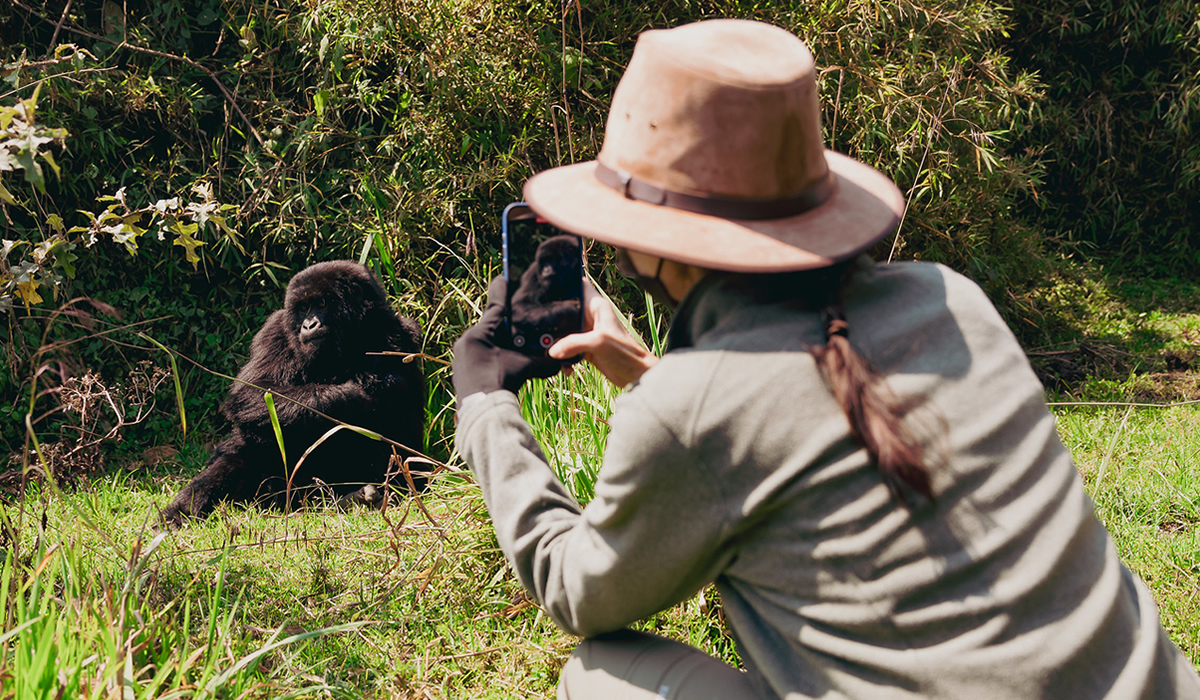
Visitors are permitted up to one hour with the gorilla family. During this period, photography is allowed without flash, provided that all park regulations are respected.
Returning from the Gorilla Trek
After the permitted observation period, visitors begin their return journey through the forest towards the designated trailhead.
The walk back may take additional time, particularly when the gorilla family has been located far from the starting point. Visitors should therefore allow most of the morning, and potentially longer, for the complete activity.
After returning from Gorilla Trekking in Volcanoes National Park, travellers can enjoy lunch, relax at their accommodation or explore selected cultural activities around Musanze, depending on their energy levels and available time.
How Long Does Gorilla Trekking in Volcanoes National Park Take?
The duration of Gorilla Trekking in Volcanoes National Park depends primarily on the location and movement of the assigned gorilla family, the condition of the forest trails and the physical abilities of the trekking group.
Some gorilla families may be located within approximately one or two hours of walking, while others require longer hikes through steep or densely vegetated sections of the forest.
The complete activity includes the morning briefing, transport to the trailhead, hiking through the forest, the permitted one-hour gorilla observation period and the return walk.
Travellers should avoid scheduling important onward transfers immediately after their trek because the exact finishing time cannot be guaranteed.
For a more comfortable safari, it is advisable to reserve the trekking day primarily for the gorilla experience and allow sufficient time for relaxation afterwards.

What to Expect During Gorilla Trekking in Volcanoes National Park
Morning Briefing at Kinigi Park Headquarters
Gorilla Trekking in Volcanoes National Park begins early in the morning at the park headquarters in Kinigi, located near Musanze in northwestern Rwanda. Visitors are expected to report at approximately 7:00 AM for registration and the official briefing.
During the briefing, park rangers explain the trekking procedures, conservation rules, expected behaviour around mountain gorillas and important safety considerations. Visitors also receive information about the forest environment and the importance of protecting endangered wildlife.
Tourists are organised into small groups, with no more than eight visitors allocated to a gorilla family. After the briefing, the guides coordinate the movement towards the appropriate forest entry point.
Experienced advance trackers may already be monitoring the general location of the assigned gorilla families. Their communication with the trekking guides helps direct visitors towards the most suitable routes through the forest.
Hiking Through the Virunga Mountain Forest
After the briefing, visitors travel to their assigned trekking starting point before entering the forest on foot. The hike passes through beautiful mountain vegetation, including bamboo forests, dense undergrowth, forest clearings and sections of steep volcanic terrain.
The duration of the hike varies according to the location of the gorilla family. Some visitors may reach their assigned gorillas within a relatively short period, while others may spend several hours navigating the mountainous environment.
The landscape can be physically demanding because it includes steep slopes, muddy trails, uneven ground and thick vegetation. Weather conditions may also change quickly, with rainfall and mist common in the Virunga Mountains.
Gorilla Trekking in Volcanoes National Park therefore requires preparation and a reasonable level of physical fitness. However, visitors should not assume that every trek is extremely difficult. The experience varies according to the assigned family, route and prevailing conditions.
Professional guides help visitors navigate the forest safely, while local porters may be hired to carry backpacks and provide practical assistance along challenging sections of the trail.
Encountering a Mountain Gorilla Family
The most memorable moment of Gorilla Trekking in Volcanoes National Park occurs when the trackers locate the assigned mountain gorilla family.
Visitors may first hear vegetation moving or notice the presence of gorillas feeding quietly among the plants. As the group approaches the permitted viewing area, guides provide instructions about maintaining appropriate distances and behaving calmly.
Watching mountain gorillas in their natural habitat is a remarkable experience. A large silverback may be resting nearby while younger gorillas play, mothers feed and other family members move through the surrounding vegetation.
The gorillas may continue their normal activities without paying much attention to the visitors, although every encounter is different because these are wild animals.
Visitors are permitted up to one hour with the gorilla family. During this period, photography is allowed without flash, provided that all park regulations are respected.
Returning from the Gorilla Trek
After the permitted observation period, visitors begin their return journey through the forest towards the designated trailhead.
The walk back may take additional time, particularly when the gorilla family has been located far from the starting point. Visitors should therefore allow most of the morning, and potentially longer, for the complete activity.
After returning from Gorilla Trekking in Volcanoes National Park, travellers can enjoy lunch, relax at their accommodation or explore selected cultural activities around Musanze, depending on their energy levels and available time.
Gorilla Trekking Rules and Regulations in Volcanoes National Park
Gorilla Trekking in Volcanoes National Park is regulated to protect both mountain gorillas and visitors. These rules are particularly important because mountain gorillas are susceptible to some human diseases and can be disturbed by inappropriate behaviour.
The standard minimum age for mountain gorilla trekking in Rwanda is 15 years. Visitors below this age are not permitted to participate in the regular tracking experience.
A maximum of eight tourists is allowed to visit each habituated gorilla family, and the permitted observation period is limited to one hour after the family has been located.
Rwanda Development Board’s booking guidance specifies a minimum viewing distance of seven metres. Visitors must follow the instructions of their assigned rangers, who may require greater separation depending on the circumstances.
Visitors suffering from flu, colds or other contagious illnesses may be refused permission to track gorillas because of the risk of transmitting infections to the animals.
Flash photography is prohibited. Visitors should also avoid sudden movements, loud conversations, unnecessary noise or any attempt to touch or feed the gorillas.
Eating, drinking and smoking near gorillas are not permitted. Littering is prohibited, and anyone needing to use the toilet during the forest hike should ask their ranger for instructions on the appropriate procedure.
Following these regulations helps ensure that Gorilla Trekking in Volcanoes National Park remains a responsible wildlife experience that prioritises conservation and animal welfare.
Gorilla Trekking Permit Costs in Volcanoes National Park
Gorilla Trekking in Volcanoes National Park requires a valid permit issued through the authorised Rwanda tourism booking system.
The standard mountain gorilla trekking permit for international visitors is USD 1,500 per person. This fee is charged for the regulated gorilla trekking experience and provides access to an assigned habituated gorilla family under the supervision of authorised park guides.
Different permit rates may be available to eligible Rwandan citizens, East African Community citizens, African citizens and qualifying residents, depending on the applicable tourism regulations and promotional arrangements.
Special rates can also be subject to travel dates, eligibility requirements and conditions established by the Rwanda Development Board.
Visitors should confirm the current tariff for their nationality or residency category before booking.
Gorilla trekking permits are separate from accommodation, private transfers, meals and additional safari activities unless these services are included in a complete tour package.
Because the number of trekking permits is limited, advance reservations are strongly recommended, particularly during popular travel months.
What to Expect During Gorilla Trekking in Volcanoes National Park
Morning Briefing at Kinigi Park Headquarters
Gorilla Trekking in Volcanoes National Park begins early in the morning at the park headquarters in Kinigi, located near Musanze in northwestern Rwanda. Visitors are expected to report at approximately 7:00 AM for registration and the official briefing.
During the briefing, park rangers explain the trekking procedures, conservation rules, expected behaviour around mountain gorillas and important safety considerations. Visitors also receive information about the forest environment and the importance of protecting endangered wildlife.
Tourists are organised into small groups, with no more than eight visitors allocated to a gorilla family. After the briefing, the guides coordinate the movement towards the appropriate forest entry point.
Experienced advance trackers may already be monitoring the general location of the assigned gorilla families. Their communication with the trekking guides helps direct visitors towards the most suitable routes through the forest.
Hiking Through the Virunga Mountain Forest
After the briefing, visitors travel to their assigned trekking starting point before entering the forest on foot. The hike passes through beautiful mountain vegetation, including bamboo forests, dense undergrowth, forest clearings and sections of steep volcanic terrain.
The duration of the hike varies according to the location of the gorilla family. Some visitors may reach their assigned gorillas within a relatively short period, while others may spend several hours navigating the mountainous environment.
The landscape can be physically demanding because it includes steep slopes, muddy trails, uneven ground and thick vegetation. Weather conditions may also change quickly, with rainfall and mist common in the Virunga Mountains.
Gorilla Trekking in Volcanoes National Park therefore requires preparation and a reasonable level of physical fitness. However, visitors should not assume that every trek is extremely difficult. The experience varies according to the assigned family, route and prevailing conditions.
Professional guides help visitors navigate the forest safely, while local porters may be hired to carry backpacks and provide practical assistance along challenging sections of the trail.
Encountering a Mountain Gorilla Family
The most memorable moment of Gorilla Trekking in Volcanoes National Park occurs when the trackers locate the assigned mountain gorilla family.
Visitors may first hear vegetation moving or notice the presence of gorillas feeding quietly among the plants. As the group approaches the permitted viewing area, guides provide instructions about maintaining appropriate distances and behaving calmly.
Watching mountain gorillas in their natural habitat is a remarkable experience. A large silverback may be resting nearby while younger gorillas play, mothers feed and other family members move through the surrounding vegetation.
The gorillas may continue their normal activities without paying much attention to the visitors, although every encounter is different because these are wild animals.
Visitors are permitted up to one hour with the gorilla family. During this period, photography is allowed without flash, provided that all park regulations are respected.
Returning from the Gorilla Trek
After the permitted observation period, visitors begin their return journey through the forest towards the designated trailhead.
The walk back may take additional time, particularly when the gorilla family has been located far from the starting point. Visitors should therefore allow most of the morning, and potentially longer, for the complete activity.
After returning from Gorilla Trekking in Volcanoes National Park, travellers can enjoy lunch, relax at their accommodation or explore selected cultural activities around Musanze, depending on their energy levels and available time.
How to Book Gorilla Trekking in Volcanoes National Park
Booking Gorilla Trekking in Volcanoes National Park involves selecting a suitable trekking date, confirming permit availability and arranging payment through authorised booking channels.
Visitors may reserve permits directly through the official Rwanda tourism reservation system or arrange the activity through an established safari operator.
When booking through a tour operator, travellers can also coordinate accommodation, airport transfers, private transport, park visits and other activities within one itinerary.
It is important to provide accurate personal information when making a reservation because passport details and visitor eligibility documents may be required.
The trekking permit is normally associated with a specific travel date, and changes or cancellations are governed by the applicable booking conditions.
Travellers planning a Rwanda gorilla safari should ideally confirm their permits before finalising non-refundable accommodation or transport arrangements.
For visitors who prefer a fully organised journey, Fruits of Hope Adventure Tours can assist with safari planning, permit arrangements and private transfers.
Best Time for Gorilla Trekking in Volcanoes National Park
Gorilla Trekking in Volcanoes National Park is available throughout the year, although weather conditions influence hiking comfort, trail accessibility and photography opportunities.
Rwanda experiences relatively drier periods from approximately June to September and December to February. During these months, some trekking routes may be easier to navigate because forest trails are less muddy.
The drier conditions are particularly appealing to visitors who want to combine gorilla trekking with other outdoor activities such as golden monkey tracking, scenic hiking and cultural experiences around Musanze.
However, Volcanoes National Park is a mountainous rainforest environment where rain can occur during any month. Even during the relatively dry season, visitors should prepare for cool temperatures, mist and occasional showers.
The wetter periods generally occur from March to May and around October to November. During these months, the forest becomes particularly lush and beautiful, creating dramatic scenery and excellent opportunities for atmospheric landscape photography.
Although trekking conditions may be more challenging after heavy rainfall, gorilla encounters remain possible throughout the year.
The best travel period ultimately depends on personal preferences, permit availability, accommodation choices and the wider safari itinerary.
What to Wear and Pack for Gorilla Trekking in Volcanoes National Park
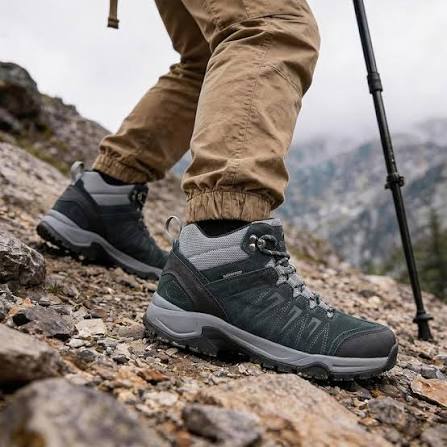
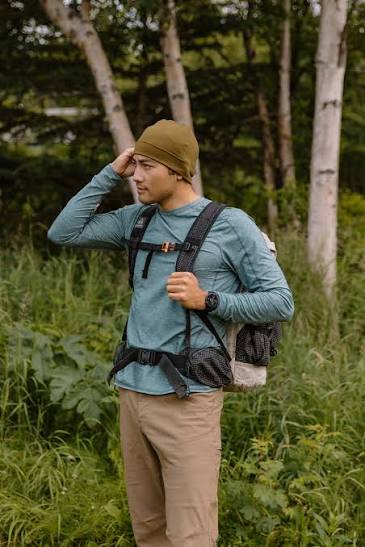

Preparing appropriate clothing and equipment is essential for Gorilla Trekking in Volcanoes National Park because the experience takes place in mountainous forest terrain where temperatures and weather conditions may change quickly.
Waterproof hiking boots with reliable ankle support and good grip are highly recommended. The forest trails may be muddy, slippery or uneven, particularly after rainfall.
Long-sleeved shirts and trousers help protect visitors against vegetation, insects and stinging nettles. Durable outdoor clothing is generally preferable to delicate fabrics because trekking may involve brushing against plants and walking through dense undergrowth.
A lightweight waterproof jacket or rain poncho is important because showers can occur unexpectedly. Gaiters may also be useful for protecting the lower legs and preventing mud or debris from entering hiking boots.
Gardening gloves or similar protective gloves can help visitors manage sections of dense vegetation where guides permit the use of hands for support.
A small daypack should contain drinking water, a light snack for the hike away from the gorillas, insect repellent, personal medication and essential equipment.
Visitors interested in photography should bring a camera with suitable protection against rain and moisture. Flash photography is not permitted during the gorilla encounter, so understanding how to use available natural light is helpful.
Hiring a porter can also make the experience more comfortable, particularly for visitors carrying photographic equipment or those who prefer assistance on difficult forest sections.
How Difficult Is Gorilla Trekking in Volcanoes National Park?
Gorilla Trekking in Volcanoes National Park can range from moderately challenging to physically demanding, depending on the assigned gorilla family and the prevailing forest conditions.
The Virunga Mountains contain steep slopes, high-altitude vegetation and uneven trails. Some gorilla families may remain relatively close to accessible routes, while others move into more challenging sections of the forest.
Visitors do not necessarily need advanced mountaineering experience, but a reasonable level of fitness can make the trek more enjoyable.
Walking regularly before travel, using comfortable hiking shoes and preparing for uphill sections can help visitors manage the activity.
Travellers with reduced mobility, older visitors or anyone concerned about the physical demands should communicate their needs in advance. The park may be able to advise on suitable arrangements, although a particular trekking difficulty cannot be guaranteed.
Porters can provide valuable assistance with equipment and uneven terrain. Visitors should also communicate openly with their guides during the hike and avoid attempting to maintain an uncomfortable pace.
The goal is to enjoy the wildlife encounter safely while respecting the natural environment.
Gorilla Trekking Photography in Volcanoes National Park
Photography is an important part of Gorilla Trekking in Volcanoes National Park because visitors have the opportunity to capture images of mountain gorillas in their natural habitat.
The forest provides a beautiful setting, with bamboo vegetation, moss-covered trees and mountain scenery creating natural backgrounds for wildlife photographs.
However, photographing gorillas can be challenging because the rainforest often has limited natural light, particularly beneath dense vegetation.
A camera with good low-light performance and an appropriate zoom lens can be helpful, although modern mobile phones may also produce rewarding photographs when conditions allow.
Visitors should avoid flash photography and should never approach gorillas more closely merely to obtain a better image.
The most meaningful photographs often capture natural behaviour, including silverbacks watching over their families, mothers caring for infants and young gorillas playing together.
Photographers should follow the guide’s instructions and remember that observing the animals responsibly is more important than obtaining a particular photograph.
How to Get to Volcanoes National Park from Kigali
Gorilla Trekking in Volcanoes National Park is conveniently accessible from Kigali, Rwanda’s capital city.
The park lies in northwestern Rwanda, with the road journey from Kigali to the Musanze and Kinigi area generally taking approximately two to three hours, depending on traffic, road conditions and the exact departure point.
Visitors arriving through Kigali International Airport can travel directly towards Volcanoes National Park by private safari vehicle.
The journey passes through Rwanda’s scenic countryside, offering beautiful views of rolling hills, cultivated landscapes, villages and distant mountains.
Private transport is particularly convenient because the gorilla trekking briefing begins early in the morning. Staying near Kinigi or Musanze the night before the trek allows visitors to arrive at the park headquarters without an unnecessarily early transfer from Kigali.
Travellers with additional time can enjoy a Kigali city tour before or after their gorilla trekking adventure.
A well-planned itinerary normally allows time for arrival, relaxation, the trekking experience and the return journey rather than attempting to fit every activity into one rushed day.
Where to Stay During Gorilla Trekking in Volcanoes National Park
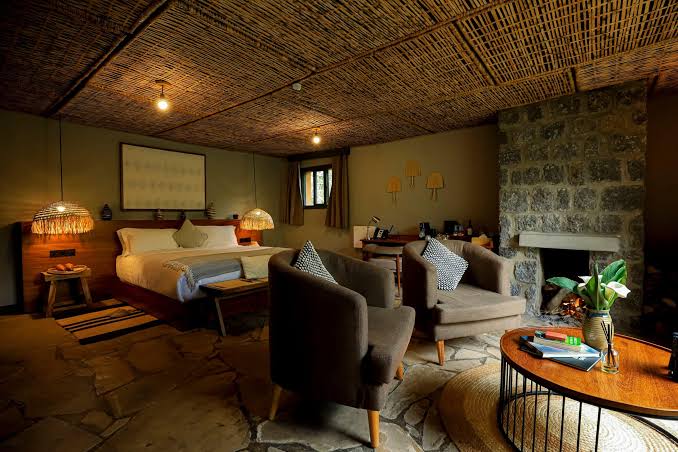
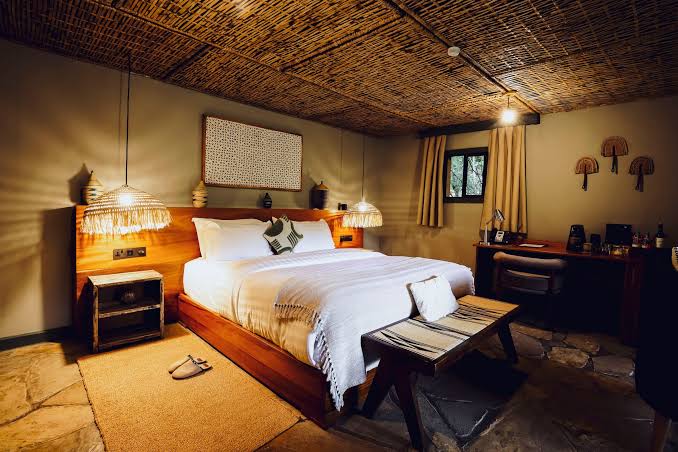
Visitors planning Gorilla Trekking in Volcanoes National Park can choose from a range of accommodation options around Kinigi, Musanze and the surrounding volcanic landscapes.
The region offers budget guesthouses, comfortable mid-range lodges and exclusive luxury properties designed for travellers seeking privacy and personalised service.
Accommodation near Kinigi is particularly convenient because the park headquarters serves as the meeting point for the early morning gorilla trekking briefing.
Mid-range accommodation can provide comfortable rooms, meals and access to the park while keeping the overall safari cost manageable.
Luxury lodges may offer spacious accommodation, attractive mountain views, private services and additional facilities such as wellness treatments or personalised dining experiences.
When choosing accommodation, visitors should consider travel time to the park headquarters, available services, road access and their preferred level of comfort.
For a relaxed gorilla safari, spending at least one night near Volcanoes National Park before trekking is generally recommended.
Other Activities to Combine with Gorilla Trekking in Volcanoes National Park
Golden Monkey Tracking in Volcanoes National Park
Golden monkey tracking is one of the best complementary primate experiences for visitors exploring Volcanoes National Park.
These endangered monkeys inhabit the bamboo forests along the slopes of the Virunga Mountains and are recognised by their beautiful golden-orange colouring and energetic movements.
Unlike mountain gorillas, which are often observed feeding or resting on the ground, golden monkeys frequently jump between bamboo stems and move actively through their forest habitat.
Combining golden monkey tracking with Gorilla Trekking in Volcanoes National Park allows visitors to experience two different primate species within the same protected conservation area.
Travellers should arrange the activities on separate mornings because each has its own permit and scheduled guided excursion.


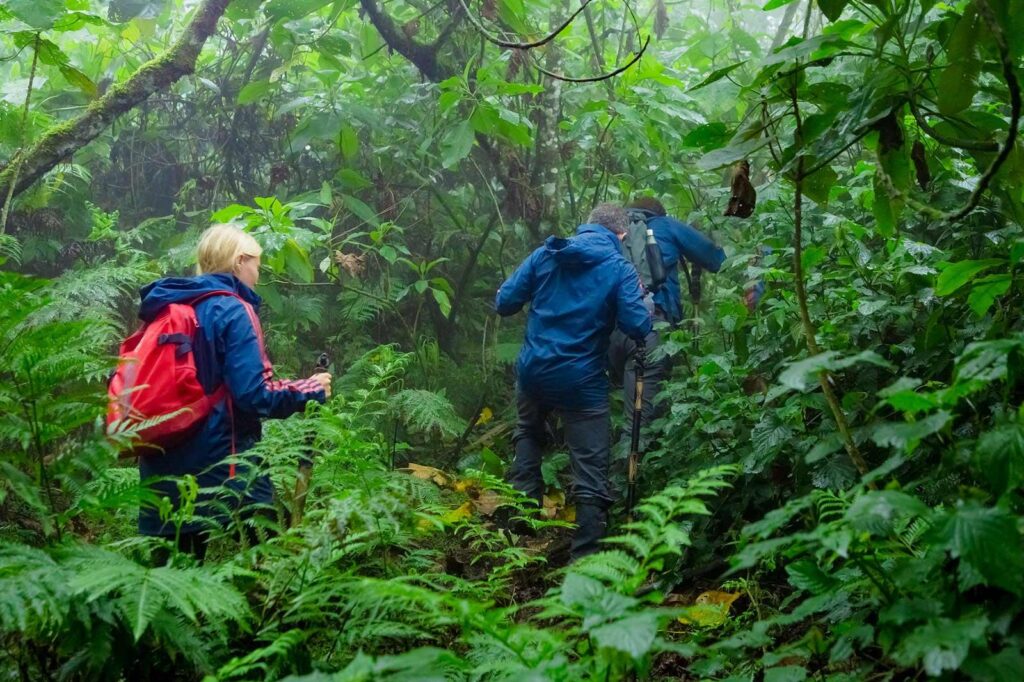
Hiking to the Dian Fossey Tomb
The Dian Fossey tomb hike is a meaningful experience for visitors interested in the history of mountain gorilla research and conservation.
Dian Fossey dedicated much of her life to studying mountain gorillas in the Virunga Mountains, and her research helped improve international understanding of gorilla behaviour and the threats facing their survival.
The guided hike takes visitors through beautiful forest landscapes towards the area of the former Karisoke Research Centre.
For travellers interested in conservation history, this activity provides additional context to the experience of observing mountain gorillas in the wild.
Mount Bisoke Hiking
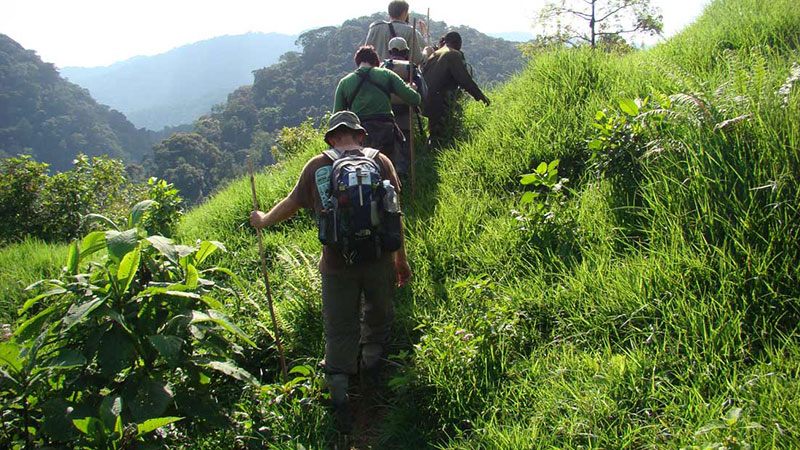
Mount Bisoke is one of the Virunga volcanoes within Volcanoes National Park and is particularly famous for its scenic crater lake near the summit.
The guided hike offers opportunities to experience different vegetation zones, dramatic volcanic landscapes and beautiful mountain views.
Unlike a regular gorilla trek, hiking Mount Bisoke is a demanding mountain activity that requires suitable fitness, appropriate hiking equipment and preparation for high-altitude conditions.
Travellers who enjoy outdoor adventure can include the hike within a longer Volcanoes National Park itinerary.
Cultural Experiences Around Musanze
Musanze and the surrounding communities provide opportunities to explore Rwanda’s cultural heritage and learn about local traditions.
Visitors may participate in organised cultural experiences involving traditional performances, local crafts, community initiatives and demonstrations of everyday activities.
These experiences add a cultural dimension to a wildlife-focused journey and provide opportunities to appreciate the relationship between local communities, tourism and conservation.
Combining Gorilla Trekking with Nyungwe and Akagera
Visitors with more time can extend their safari beyond Volcanoes National Park to explore other remarkable destinations in Rwanda.
Nyungwe Forest National Park offers chimpanzee tracking, birdwatching, guided nature walks and the exciting canopy walkway.
Akagera National Park provides a contrasting savannah experience with opportunities for wildlife game drives and sightings of lions, elephants, buffaloes, rhinoceroses, leopards and other animals.
Combining these destinations creates an excellent opportunity to experience mountain forests, tropical rainforests and savannah ecosystems during one Rwanda safari.
Mountain Gorilla Conservation in Rwanda
Gorilla Trekking in Volcanoes National Park plays an important role in Rwanda’s conservation tourism model.
Mountain gorillas were once classified as Critically Endangered, but successful conservation initiatives contributed to their reclassification as Endangered in 2018. Despite this improvement, the species remains vulnerable because of its limited geographical distribution and continued conservation challenges.
Habitat protection, veterinary monitoring, anti-poaching patrols and collaboration between conservation organisations have contributed to efforts to protect mountain gorilla populations.
Rwanda’s regulated gorilla tourism also supports park management and creates economic opportunities linked to wildlife conservation.
The strict limits on visitor numbers and observation time help reduce disturbance to habituated gorilla families, while regulations concerning human illness are particularly important because gorillas can be vulnerable to diseases transmitted by people.
Visitors contribute to responsible tourism by following park regulations, maintaining safe distances, avoiding littering and respecting wildlife behaviour.
Frequently Asked Questions About Gorilla Trekking in Volcanoes National Park
1. Is Gorilla Trekking in Volcanoes National Park worth it?
Yes. Gorilla Trekking in Volcanoes National Park offers a rare opportunity to observe endangered mountain gorillas in their natural habitat. The combination of wildlife encounters, beautiful mountain forests and guided conservation education makes it one of Rwanda’s most memorable safari experiences.
2. How much does gorilla trekking cost in Rwanda?
The standard gorilla trekking permit for international visitors costs USD 1,500 per person. Eligible visitor categories may qualify for different rates or promotional arrangements, depending on the applicable tourism regulations.
3. How long does gorilla trekking take?
The complete trekking experience may last several hours, depending on the location of the assigned gorilla family, the hiking terrain and the time required to return from the forest. Visitors are normally permitted up to one hour with the gorillas after locating them.
4. What is the minimum age for gorilla trekking in Rwanda?
The minimum age for Gorilla Trekking in Volcanoes National Park is 15 years under the standard Rwanda Development Board regulations.
5. Is gorilla trekking difficult?
Gorilla trekking can range from moderate to challenging because the activity involves walking through mountainous forest terrain. The difficulty depends on the gorilla family’s location, weather conditions and the route followed by the guides.
6. What is the best time to go gorilla trekking in Rwanda?
Gorilla trekking is available throughout the year. The relatively drier periods from June to September and December to February are often preferred for more comfortable hiking conditions, although rain can occur in any month.
7. How close can visitors get to mountain gorillas?
Rwanda’s standard booking guidance specifies a minimum distance of seven metres. Visitors must follow their ranger’s instructions, including any requirement to remain farther away.
8. Can I take photographs during gorilla trekking?
Yes. Photography is permitted during the observation period, but flash photography is prohibited. Visitors should avoid sudden movements and maintain the appropriate distance from the gorillas.
9. How far is Volcanoes National Park from Kigali?
The road journey from Kigali to the Musanze and Kinigi area generally takes approximately two to three hours, depending on road conditions, traffic and the exact starting point.
10. Can gorilla trekking be combined with golden monkey tracking?
Yes. Gorilla trekking and golden monkey tracking can be combined during one visit to Volcanoes National Park. The activities require separate permits and are generally arranged on different mornings.
11. How many people are allowed to visit a gorilla family?
A maximum of eight tourists may visit one habituated gorilla family during the standard daily trekking experience.
12. How do I book Gorilla Trekking in Volcanoes National Park?
Visitors can book through authorised Rwanda tourism reservation channels or arrange a complete safari through a licensed tour operator. Advance permit reservations are recommended, especially during popular travel periods.
Plan Your Gorilla Trekking in Volcanoes National Park
Gorilla Trekking in Volcanoes National Park offers one of the most remarkable wildlife encounters in Africa. From hiking through beautiful bamboo forests to observing mountain gorilla families in their natural environment, the experience combines adventure, wildlife photography, conservation education and breathtaking volcanic landscapes.
Whether you are planning a short Rwanda gorilla trekking holiday or an extended safari combining golden monkeys, chimpanzees, wildlife game drives and cultural experiences, a carefully organised itinerary will help you make the most of your visit.
Fruits of Hope Adventure Tours can help organise Gorilla Trekking in Volcanoes National Park, including gorilla permit reservations, private airport transfers, comfortable accommodation, experienced safari guiding and personalised travel arrangements.
Discover the remarkable mountain gorillas of Rwanda and experience the natural beauty of Volcanoes National Park on a carefully planned African safari.