
The best time to visit Rwanda depends on the extraordinary experiences you want to enjoy, including mountain gorilla trekking in Volcanoes National Park, chimpanzee tracking in Nyungwe Forest National Park, wildlife game drives in Akagera National Park, birdwatching, nature walks and relaxing holidays along Lake Kivu. Known as the Land of a Thousand Hills, Rwanda is one of Africa’s most rewarding destinations for travellers seeking unforgettable primate encounters, beautiful landscapes, rich cultural experiences and exciting wildlife adventures. Whether you dream of observing endangered mountain gorillas in their natural rainforest habitat, following chimpanzees through ancient tropical forests or searching for lions, elephants, rhinos and giraffes across the savannas of Akagera, understanding Rwanda’s seasons will help you choose the most suitable dates for your African safari.
For many travellers, the best time to visit Rwanda is during the relatively dry months from June to September, when mountain gorilla trekking conditions are often more comfortable, hiking trails are easier to navigate and wildlife viewing in Akagera National Park can be particularly rewarding. December to February is another favourable period for combining primate tracking, wildlife safaris and sightseeing. However, Rwanda remains an attractive destination throughout the year, including the rainy seasons, when its forests become exceptionally green, mountain landscapes are covered in mist and birdwatching opportunities remain excellent. With careful planning, visitors can enjoy rewarding adventures in all four of Rwanda’s national parks while discovering the country’s warm hospitality, conservation achievements and natural beauty.
Understanding Rwanda’s Climate and Travel Seasons
Rwanda enjoys a relatively mild tropical highland climate because much of the country lies at a considerable elevation above sea level. Although the country is located close to the Equator, its mountainous terrain helps moderate temperatures, especially around Kigali, Musanze and the Virunga Mountains. The eastern lowlands surrounding Akagera National Park are generally warmer than the higher-altitude forests of Volcanoes and Nyungwe national parks.
When deciding on the best time to visit Rwanda, it is important to understand that the country experiences two relatively dry periods and two wetter periods. The principal dry season generally runs from June to September, while December to February offers another period with comparatively less rainfall. The longer rainy season is usually experienced between March and May, although rainfall can begin earlier, while the shorter rainy period generally falls around October and November and may extend into December.
Weather conditions vary between destinations. Travellers visiting Volcanoes National Park should expect cooler temperatures, mountain mist and occasional showers even during the dry season. Those exploring Akagera National Park will experience warmer conditions, while Nyungwe’s rainforest remains humid and receives substantial rainfall throughout the year.
These seasonal differences influence trekking comfort, wildlife visibility, photography conditions and the overall travel experience.
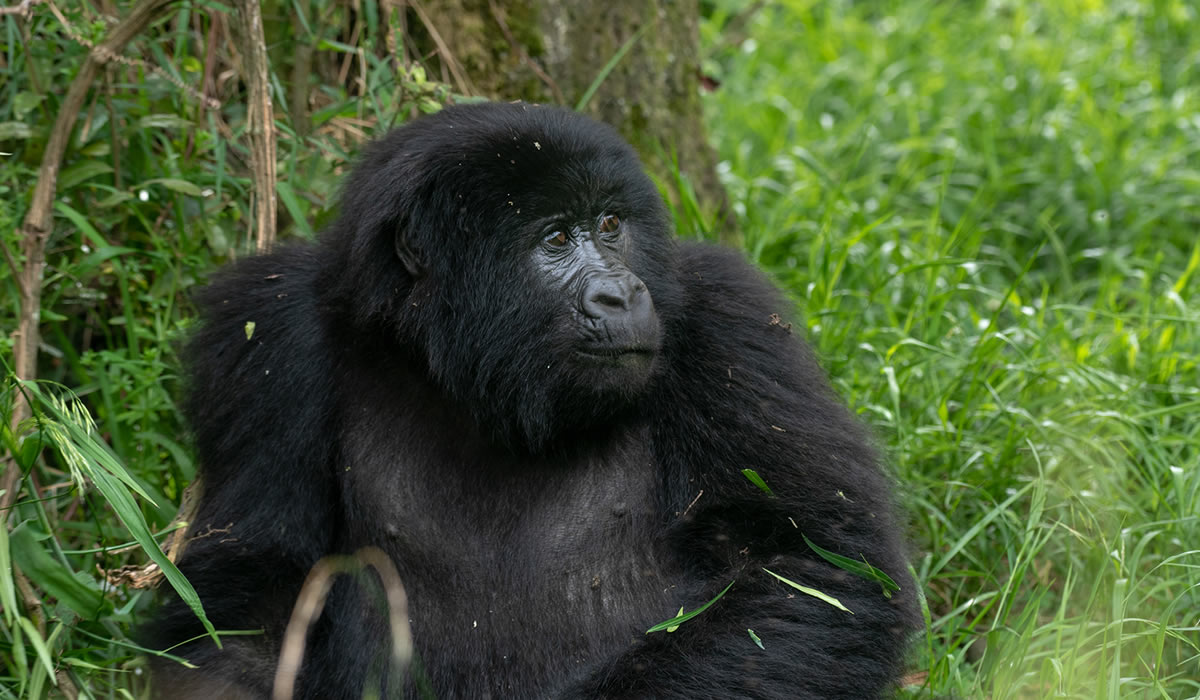

Rwanda Seasonal Travel Comparison
| Travel Period | Typical Weather Conditions | Recommended Experiences |
|---|---|---|
| June–September | Main dry season, relatively less rainfall and generally easier trekking trails | Gorilla trekking, chimpanzee tracking, Akagera wildlife safaris, hiking |
| October–November | Shorter rainy season with green landscapes and occasional heavy showers | Forest birdwatching, photography, chimpanzee tracking and cultural experiences |
| December–February | Relatively drier weather, although showers remain possible | Gorilla trekking, wildlife game drives, Lake Kivu holidays and sightseeing |
| March–May | Longer rainy season with frequent rainfall and lush vegetation | Rainforest photography, birdwatching, quieter travel and flexible safari experiences |
Best Time to Visit Rwanda During the Main Dry Season: June to September
June to September is widely considered one of the most convenient periods for exploring Rwanda’s national parks, especially for visitors interested in gorilla trekking, chimpanzee tracking and wildlife safaris. During these months, rainfall is generally reduced, allowing travellers to enjoy better walking conditions in forest environments and more comfortable sightseeing across different regions of the country.
The best time to visit Rwanda for travellers combining several outdoor experiences often falls within this period because it provides a favourable balance between rainforest trekking and savanna wildlife viewing.
In Volcanoes National Park, the trails leading towards habituated mountain gorilla families can be less muddy, although the mountainous landscape remains challenging in certain areas. Guided hikes, golden monkey tracking and scenic photography are also popular activities during this season.
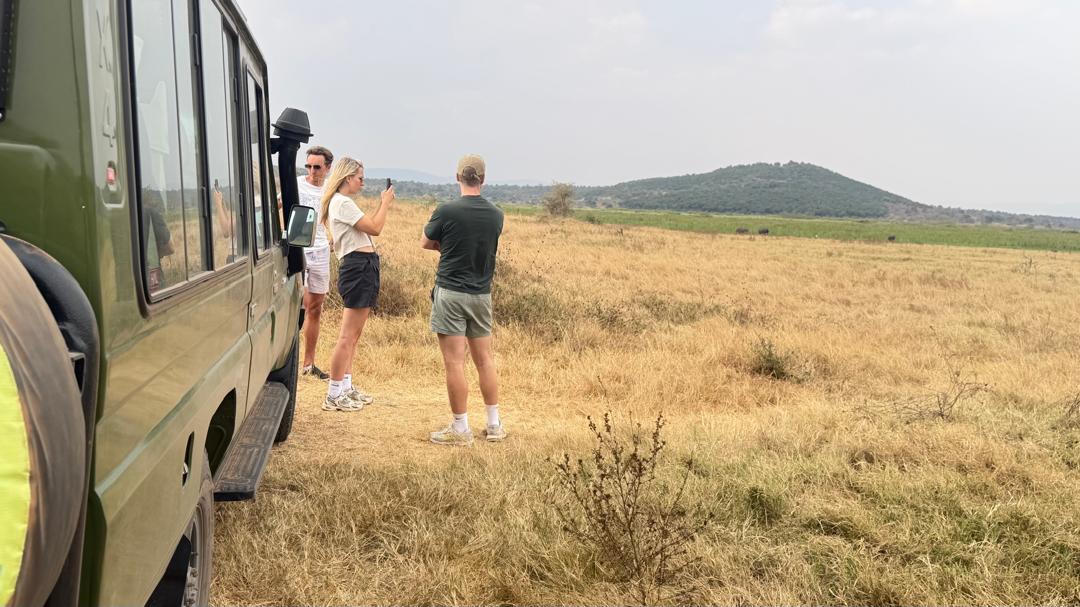
In Akagera National Park, some wildlife species may become easier to observe as vegetation becomes less dense and animals visit accessible water sources. Morning and afternoon game drives offer opportunities to encounter elephants, buffaloes, zebras, giraffes, antelopes and predators.
However, this is also a popular international travel period. Gorilla trekking permits and desirable accommodation options may be in greater demand, particularly during July and August. Visitors planning luxury gorilla safaris or family holidays should therefore arrange their travel dates and reservations well in advance.

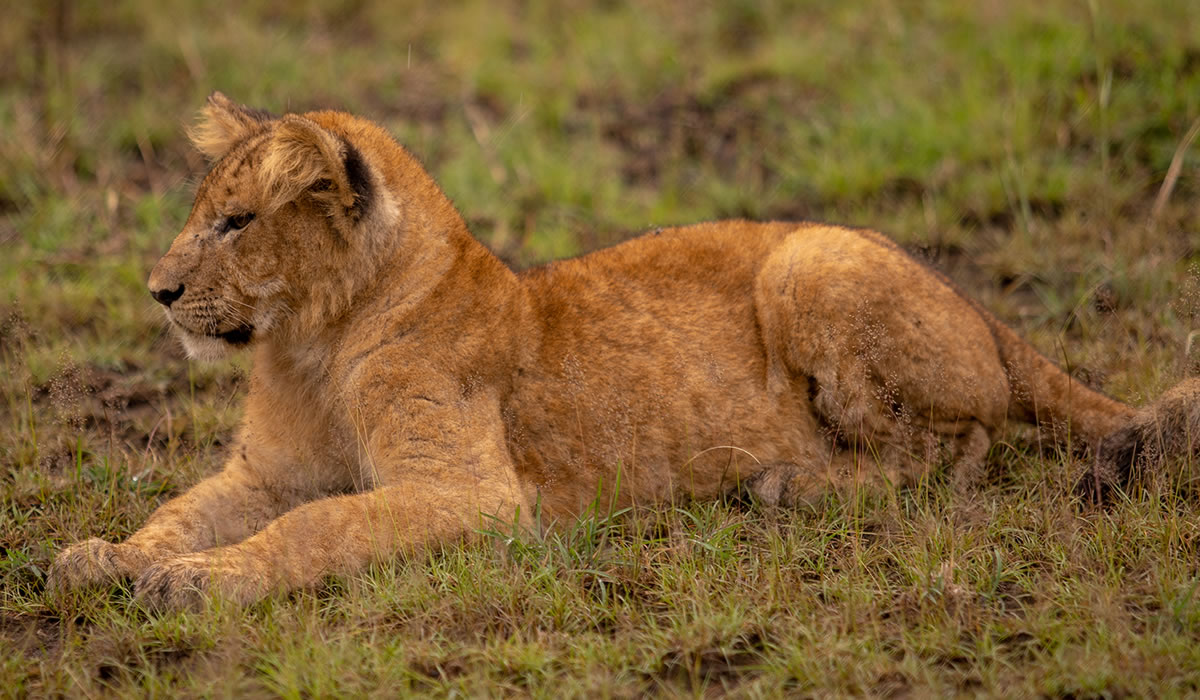

Best Time to Visit Rwanda During December, January and February
December to February is another attractive period for travellers seeking memorable wildlife experiences while avoiding some of the challenges associated with the longer rainy season. Conditions are often relatively dry, although occasional showers can occur in the mountains and rainforest destinations.
For travellers organising a Christmas holiday, a romantic honeymoon or a private African safari, the best time to visit Rwanda may be between late December and February, depending on accommodation preferences and the availability of gorilla trekking permits.
Mountain gorilla trekking in Volcanoes National Park remains particularly rewarding during this period. Visitors can enjoy beautiful views of the Virunga Mountains while exploring the bamboo forests and volcanic slopes that support endangered mountain gorillas.
Chimpanzee tracking in Nyungwe Forest also takes place during these months, with opportunities to observe chimpanzees, colobus monkeys and other forest primates.
Visitors interested in wildlife safaris can combine their primate experiences with game drives in Akagera National Park. This creates a varied itinerary featuring Rwanda’s mountain forests, open savannas and freshwater lakes.
Lake Kivu is another attractive destination during this period, offering peaceful lakeside accommodation, boat excursions and beautiful scenery after several days of wildlife adventures.
Best Time to Visit Rwanda During the Long Rainy Season: March to May
The longer rainy season generally occurs between March and May, bringing increased rainfall to many parts of Rwanda. Forest trails become wetter, mountain slopes are frequently covered in mist and some rural roads may require additional travel time.
Although these conditions can make certain outdoor activities more demanding, the rainy season offers a different perspective on Rwanda’s natural beauty.
For travellers who appreciate lush vegetation, dramatic landscapes and atmospheric photography, the best time to visit Rwanda may actually fall during these greener months.
The hills surrounding Volcanoes National Park become particularly beautiful, with fresh vegetation covering the volcanic slopes. Nyungwe Forest develops a vibrant green appearance, while waterfalls and streams can become more impressive following periods of rainfall.
Gorilla trekking and chimpanzee tracking remain available, but visitors should prepare for muddy trails, slippery sections and unpredictable weather. Waterproof hiking boots, rain jackets, gaiters and suitable outdoor clothing are especially important.
Another advantage is that some destinations may experience fewer visitors than during the busiest dry-season months. Travellers who prefer quieter environments may appreciate this period, provided they remain flexible with their daily activities.
Wildlife safaris in Akagera also continue throughout the rainy season. Although taller vegetation can make some animals more difficult to locate, the park’s landscapes become exceptionally green and attractive for photography.
Best Time to Visit Rwanda During October and November
October and November generally form an important part of Rwanda’s shorter rainy season. Rainfall increases in many regions, bringing fresh vegetation, cooler conditions in the mountains and beautiful scenery throughout the countryside.
For visitors interested in combining primate tracking with birdwatching and landscape photography, the best time to visit Rwanda may include these months because the forests are vibrant and many destinations can feel less crowded.
In Nyungwe Forest National Park, the wet season creates an atmospheric rainforest environment with mist-covered trees, lush vegetation and abundant birdlife. Guided forest walks remain rewarding, although visitors should expect wet or slippery trails.
Volcanoes National Park continues offering gorilla trekking and golden monkey tracking experiences. Travellers should prepare for changing weather conditions and wear appropriate trekking equipment.
Akagera National Park also offers beautiful scenery during this period, with green savannas, attractive wetlands and opportunities for wildlife viewing.
October and November are therefore suitable for travellers who enjoy nature, do not mind occasional rainfall and prefer a flexible travel schedule.
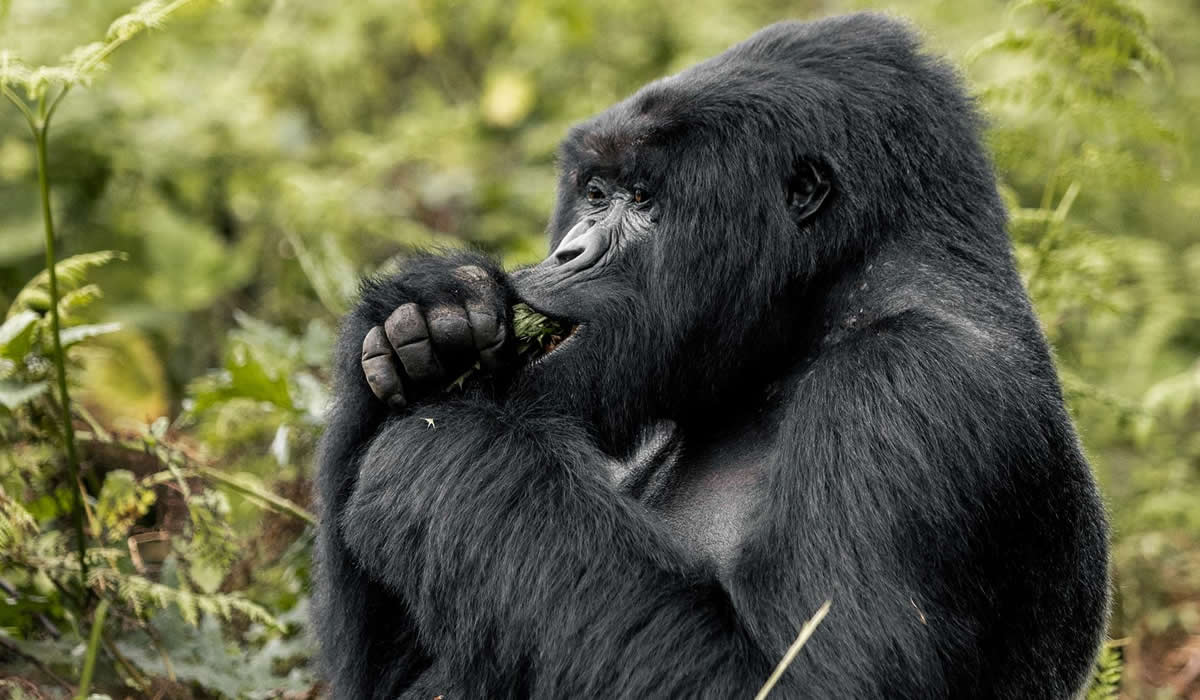
Best Time to Visit Rwanda for Mountain Gorilla Trekking
Mountain gorilla trekking is one of Rwanda’s most celebrated wildlife experiences and a major reason why international travellers visit the country.
The best time to visit Rwanda for mountain gorilla trekking is generally during the drier periods from June to September and December to February. During these months, the forest trails of Volcanoes National Park can be easier to navigate, making trekking more comfortable for visitors with different levels of hiking experience.
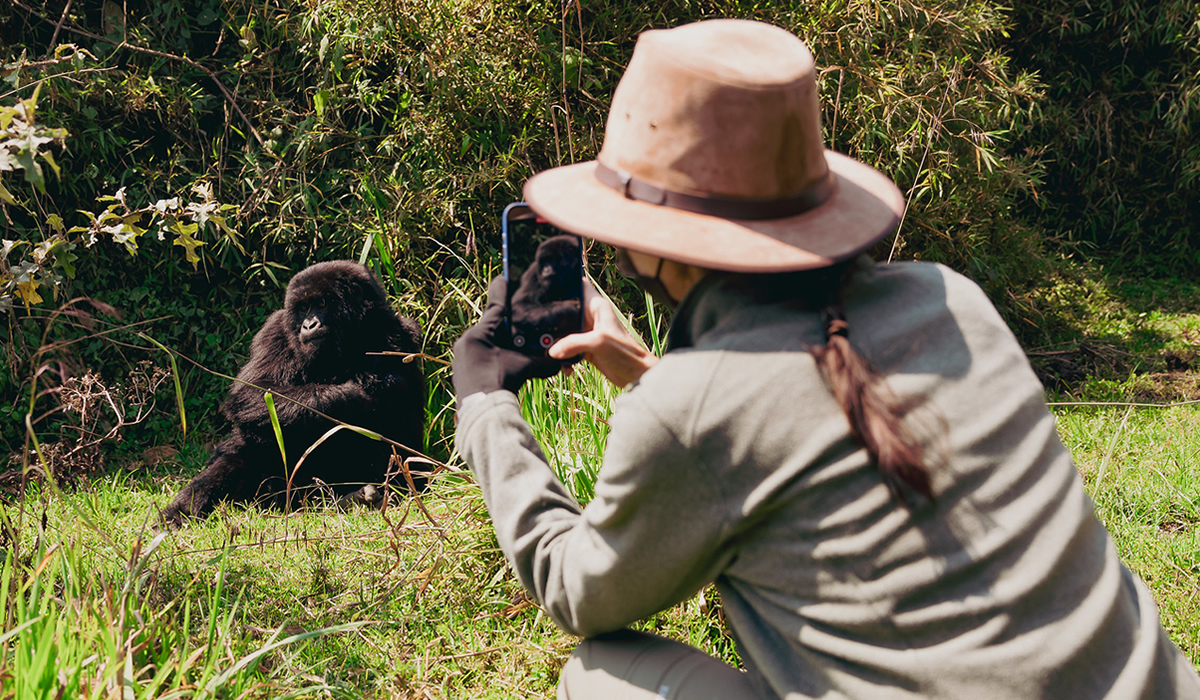
Gorilla trekking begins with a briefing at the park headquarters, where visitors receive instructions about conservation guidelines, trekking procedures and responsible behaviour around mountain gorillas.
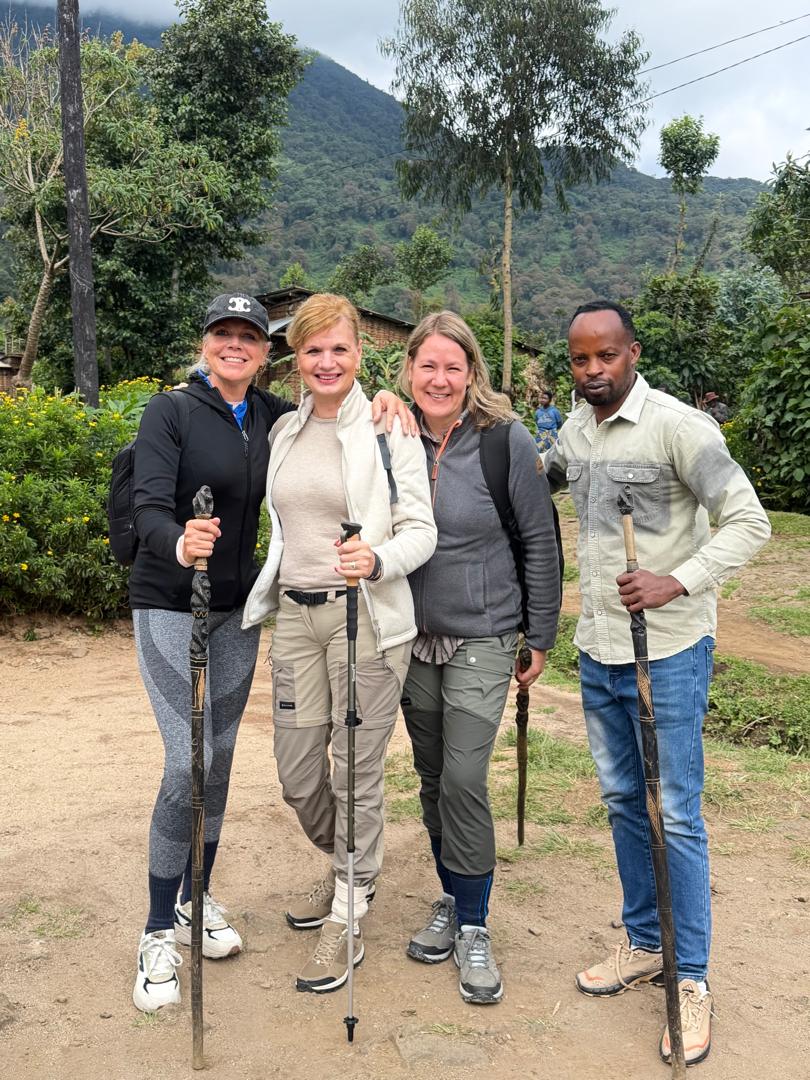
Accompanied by experienced park rangers and trackers, visitors enter the forest in search of a habituated gorilla family. The duration of the trek depends on the location of the gorillas, terrain conditions and individual hiking pace.
Once the gorillas are located, visitors generally spend up to one unforgettable hour observing them in their natural environment.
Gorilla trekking remains possible throughout the year, and encounters are not restricted to the dry season. However, wet conditions may increase the difficulty of the trek.
Travellers should also understand that the best time to visit Rwanda for gorilla trekking does not necessarily mean the month with the highest chance of sightings. Ranger teams track habituated gorilla families throughout the year, and the quality of the experience depends on many factors beyond rainfall.
For the most rewarding experience, visitors should secure gorilla trekking permits early and choose accommodation near the park to minimise morning travel time.
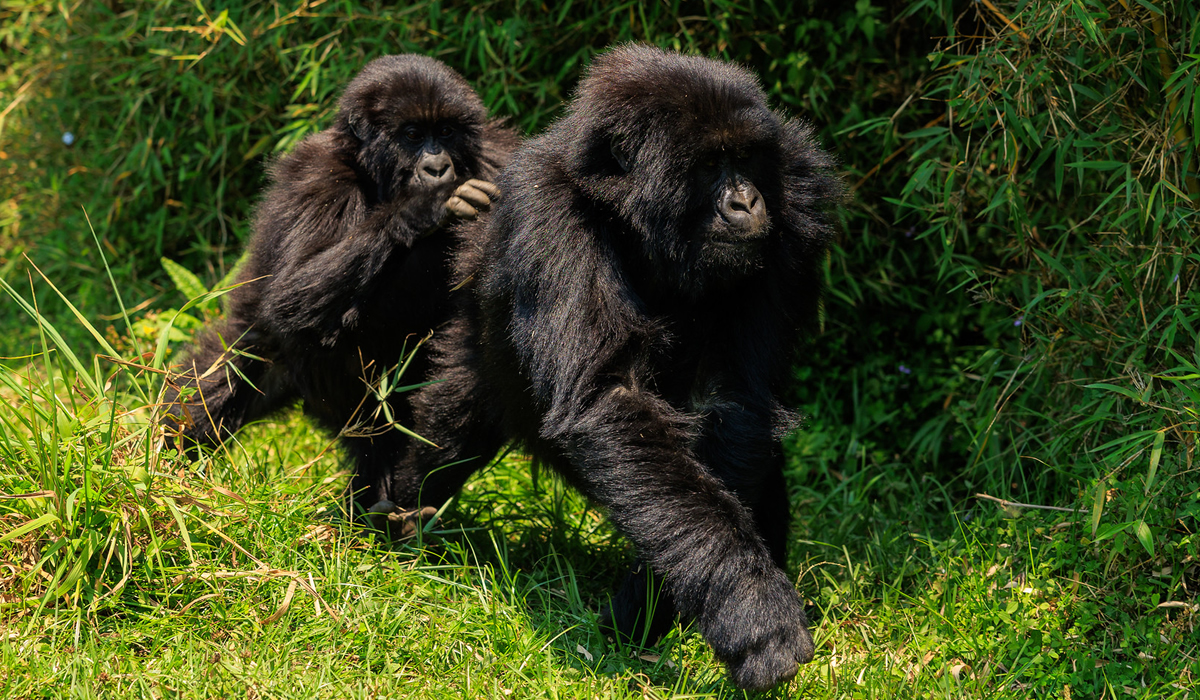
Best Time to Visit Rwanda for Chimpanzee Tracking in Nyungwe Forest
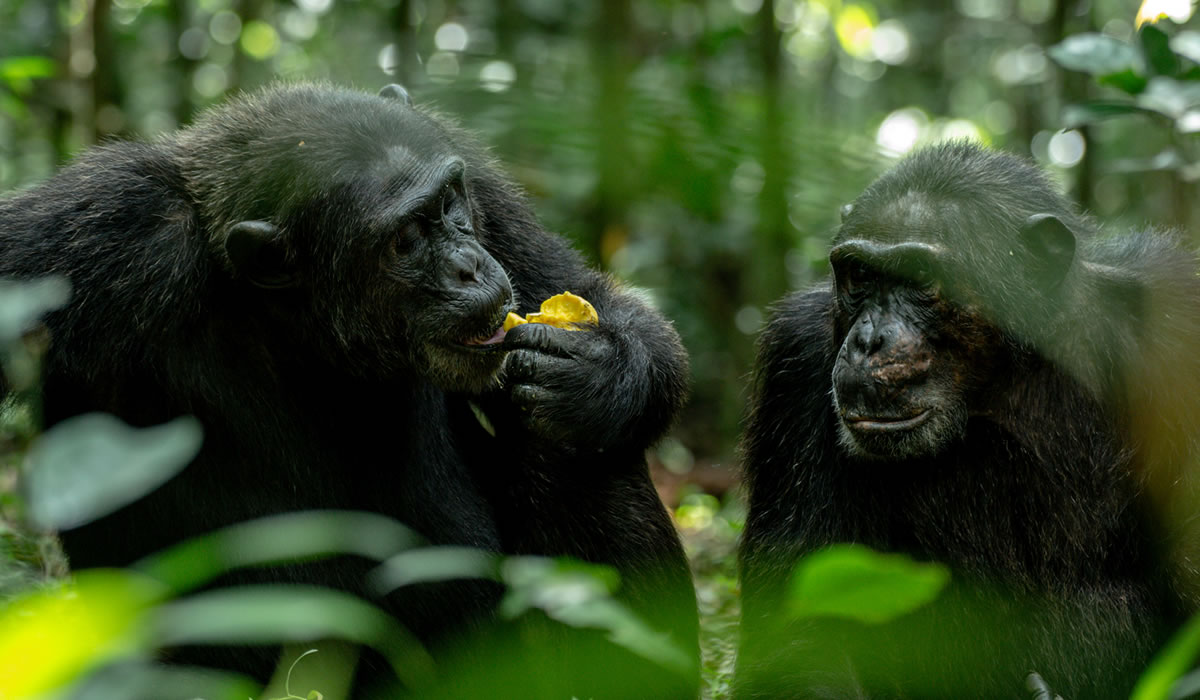
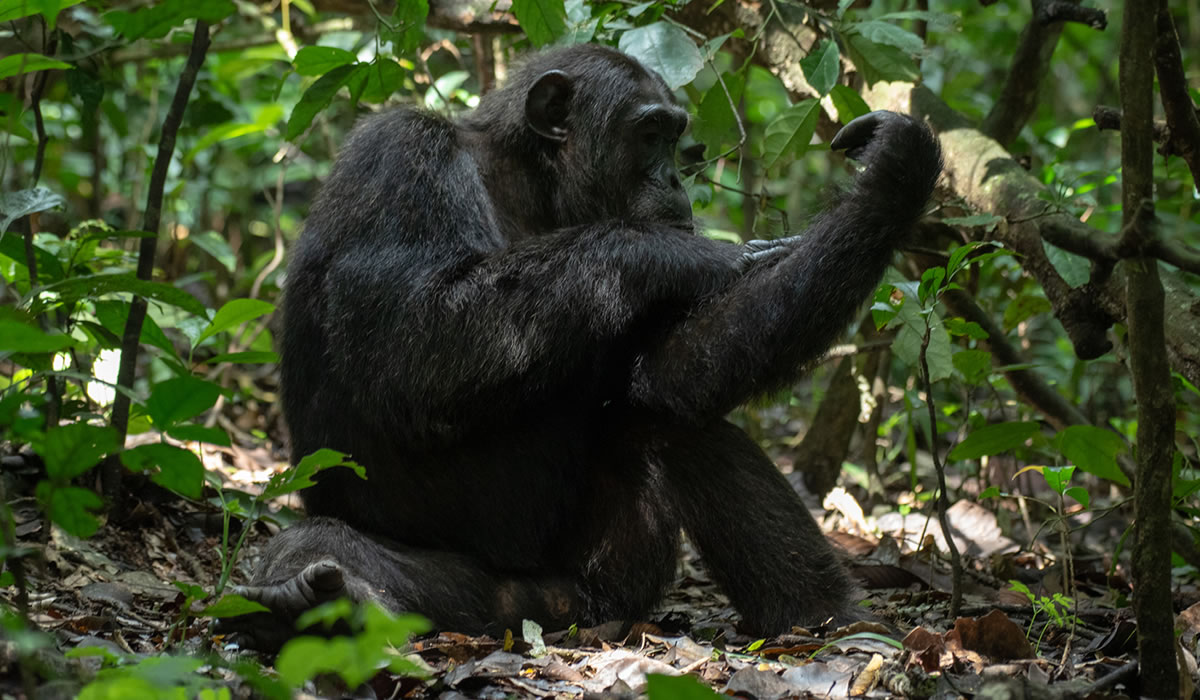
Chimpanzee tracking is another exceptional primate experience that deserves a place on any comprehensive Rwanda wildlife itinerary.
The best time to visit Rwanda for chimpanzee tracking is often during the relatively drier months, when trails through Nyungwe’s montane rainforest can be easier to navigate. However, tracking remains possible throughout the year, and the movements of chimpanzees are influenced by their natural feeding behaviour and forest conditions rather than the calendar alone.
Nyungwe Forest National Park, located in southwestern Rwanda, protects an extraordinary rainforest ecosystem inhabited by chimpanzees, black-and-white colobus monkeys, L’Hoest’s monkeys and several other primate species.
Chimpanzee tracking excursions generally begin early in the morning, accompanied by experienced guides who follow signs of chimpanzee activity and listen for vocalisations echoing through the forest.
Unlike mountain gorillas, chimpanzees are often highly active and can move quickly through the forest canopy. Their unpredictable movements make tracking exciting, although encounters can sometimes require patience and considerable walking.
During the wetter months, rainforest vegetation becomes particularly lush, creating beautiful photographic opportunities. However, muddy trails can make hiking more challenging.
Travellers combining chimpanzee tracking with gorilla trekking should allow enough time to explore both destinations comfortably rather than rushing between national parks.
A well-planned itinerary can also include Nyungwe’s canopy walkway, guided forest hikes and specialised birdwatching excursions.

Best Time to Visit Rwanda for Wildlife Safaris in Akagera National Park
For visitors dreaming of traditional African game drives, the best time to visit Rwanda for wildlife viewing is often during the main dry season from June to September.
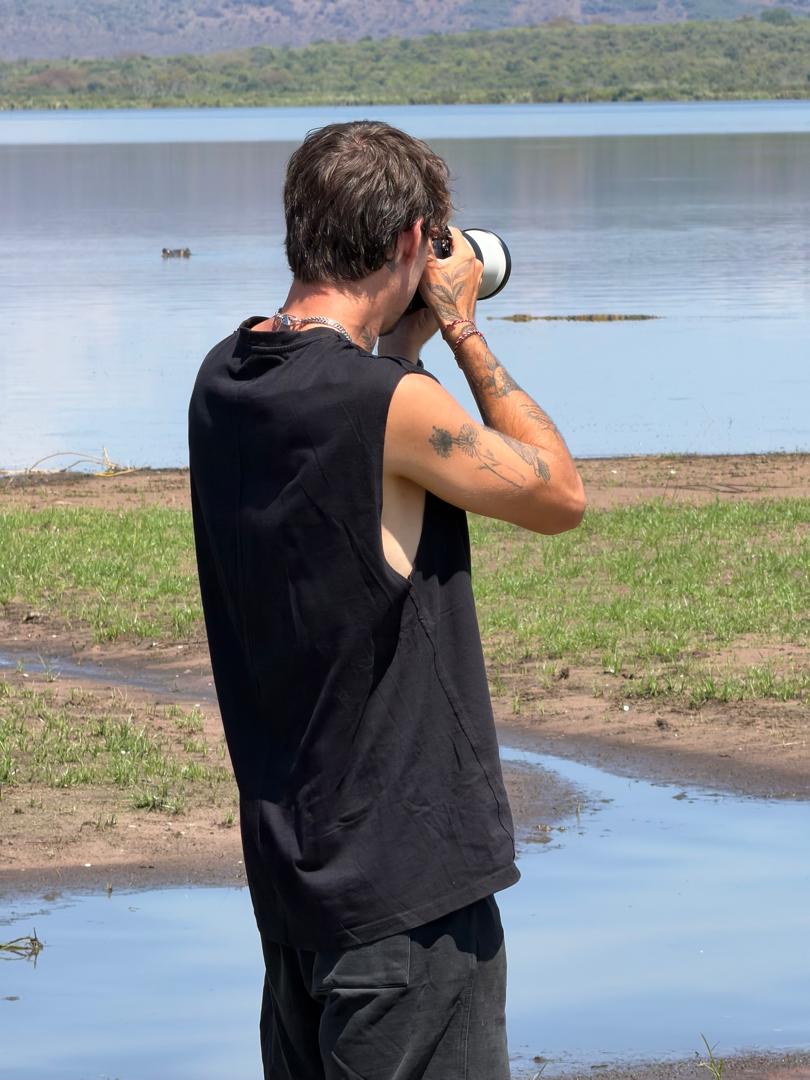
Located in eastern Rwanda near the Tanzanian border, Akagera National Park features beautiful savannas, acacia woodlands, rolling hills, lakes and extensive wetlands.
The park is home to elephants, lions, leopards, buffaloes, rhinos, giraffes, zebras, antelopes, hippos and numerous bird species.
During drier months, some animals may be easier to observe because vegetation is less dense and wildlife frequently visits accessible water sources. Professional safari guides can explore different game tracks while searching for mammals and identifying interesting bird species.
Morning game drives are particularly rewarding because temperatures are generally cooler and animals may be more active.
Afternoon wildlife excursions also provide beautiful photographic opportunities as the changing sunlight illuminates the surrounding grasslands.
White Rhinos in Rwanda Thriving After Historic Translocation – AFAR
However, Akagera remains an excellent safari destination throughout the year.
During rainy periods, the vegetation becomes greener, lakes and wetlands create beautiful scenery, and the landscapes provide a refreshing contrast to the drier months.
Wildlife sightings are never guaranteed, regardless of the travel season. Travellers seeking a more comprehensive experience should consider spending at least one or two nights in the park rather than limiting their visit to a brief excursion.
Best Time to Visit Rwanda for Birdwatching
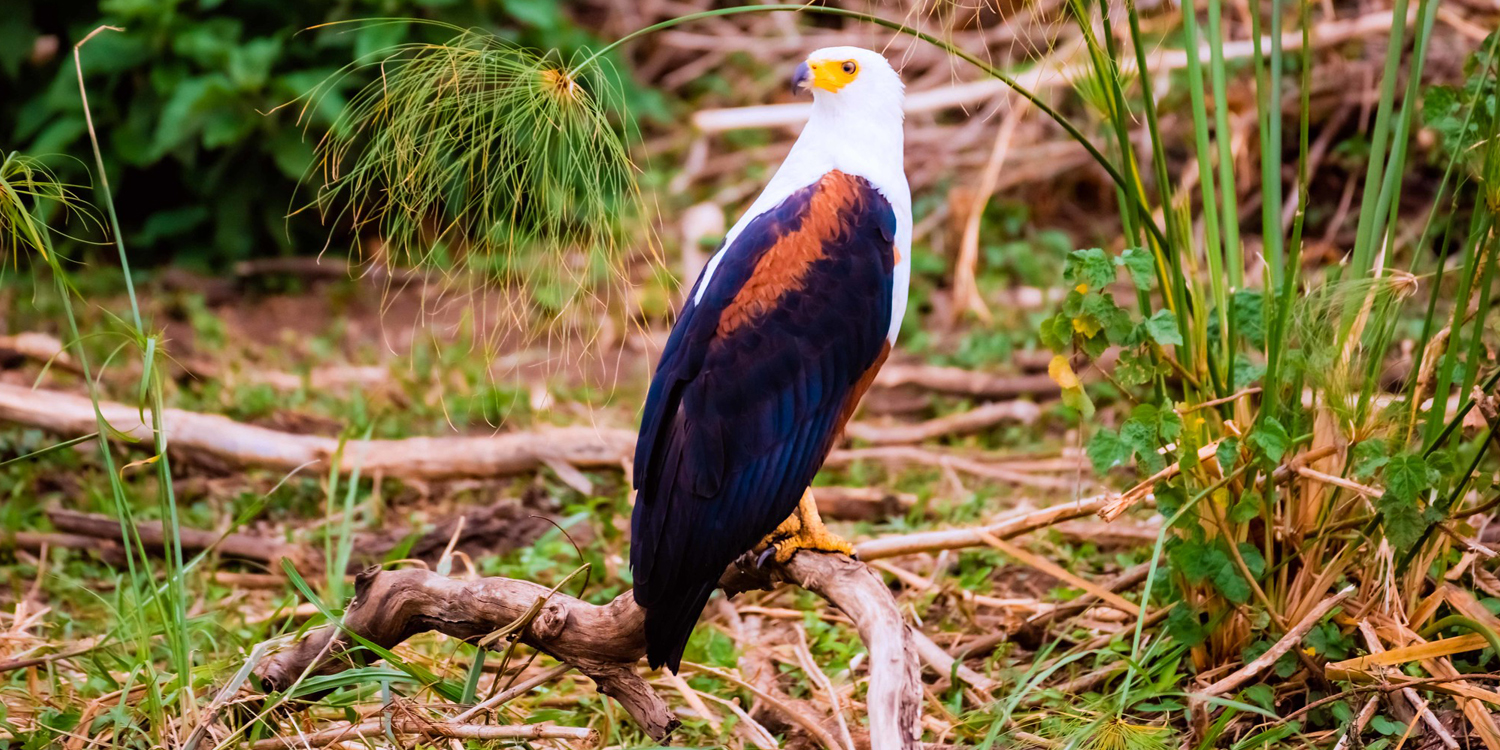
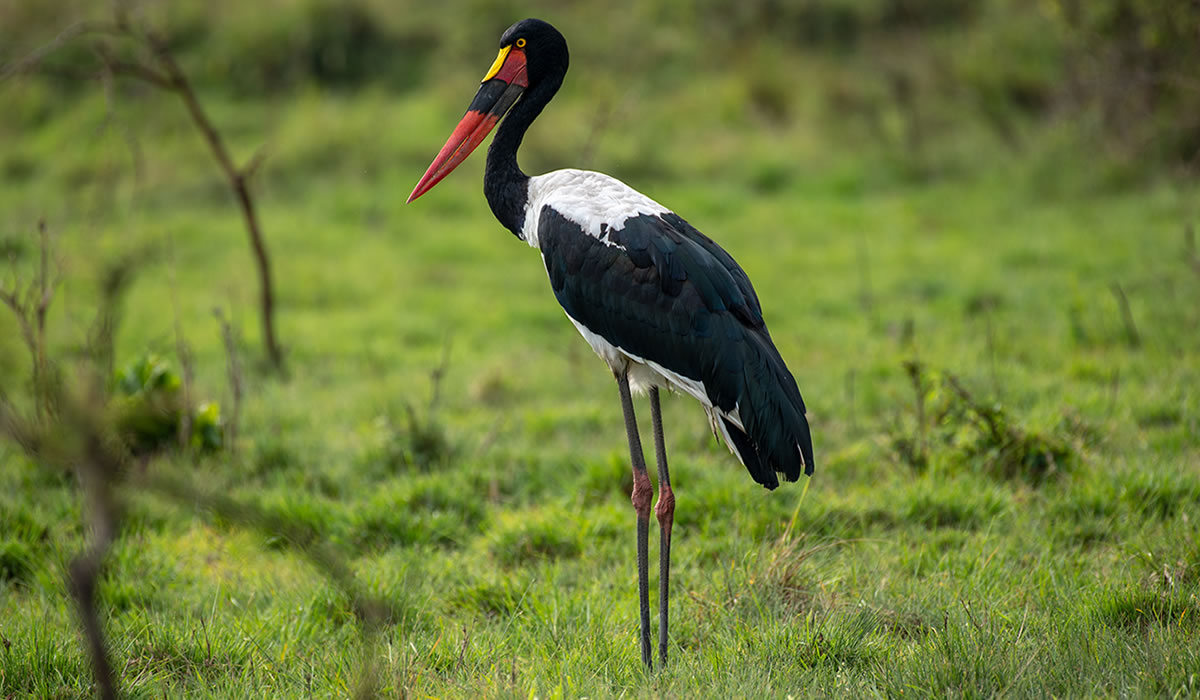
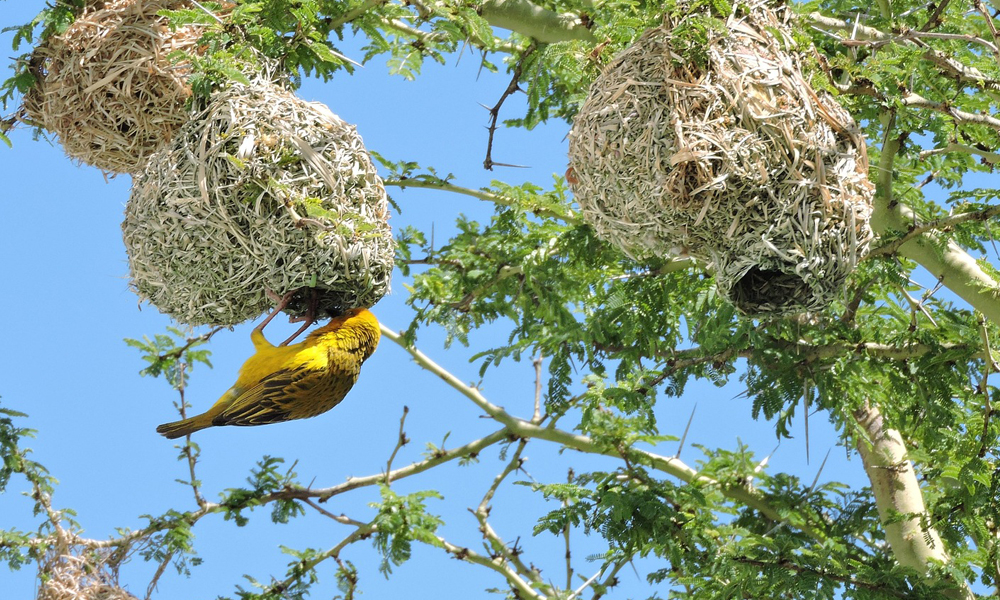
Rwanda is an outstanding birdwatching destination, with diverse habitats ranging from montane rainforests and volcanic slopes to savanna grasslands, freshwater lakes and wetlands.
The best time to visit Rwanda for birdwatching depends on the habitats and species you want to explore. Birding can be productive throughout the year, although rainfall, breeding activity and the presence of migratory species influence what travellers may encounter.
Nyungwe Forest National Park is especially attractive to serious birdwatchers because of its rich forest birdlife and Albertine Rift endemic species. Visitors can search for the Rwenzori turaco, red-collared babbler, colourful sunbirds, forest warblers and many other fascinating birds.
Akagera National Park provides a contrasting birdwatching environment, with savanna species, raptors and waterbirds inhabiting its open grasslands, lakes and wetlands.
For visitors interested in bird photography, the best time to visit Rwanda may include the wetter months when vegetation is lush and bird activity can be particularly rewarding.
However, drier periods often provide greater comfort for extended guided walks and outdoor photography.
A knowledgeable local birding guide can help travellers identify species, select suitable habitats and arrange excursions according to seasonal conditions.
Best Time to Visit Rwanda for Lake Kivu Holidays
Lake Kivu is one of Rwanda’s most beautiful destinations, offering peaceful lakeside scenery, attractive accommodation, boat excursions and opportunities to explore the surrounding countryside.
The best time to visit Rwanda for a Lake Kivu holiday is often during the drier months, when visitors may experience more settled conditions for outdoor relaxation, boat trips and walking excursions.
Located along Rwanda’s western border, Lake Kivu provides a beautiful contrast to the mountainous landscapes of Volcanoes National Park and the dense rainforest of Nyungwe.
Popular lakeside destinations include Rubavu, also known as Gisenyi, and Karongi, commonly known as Kibuye.
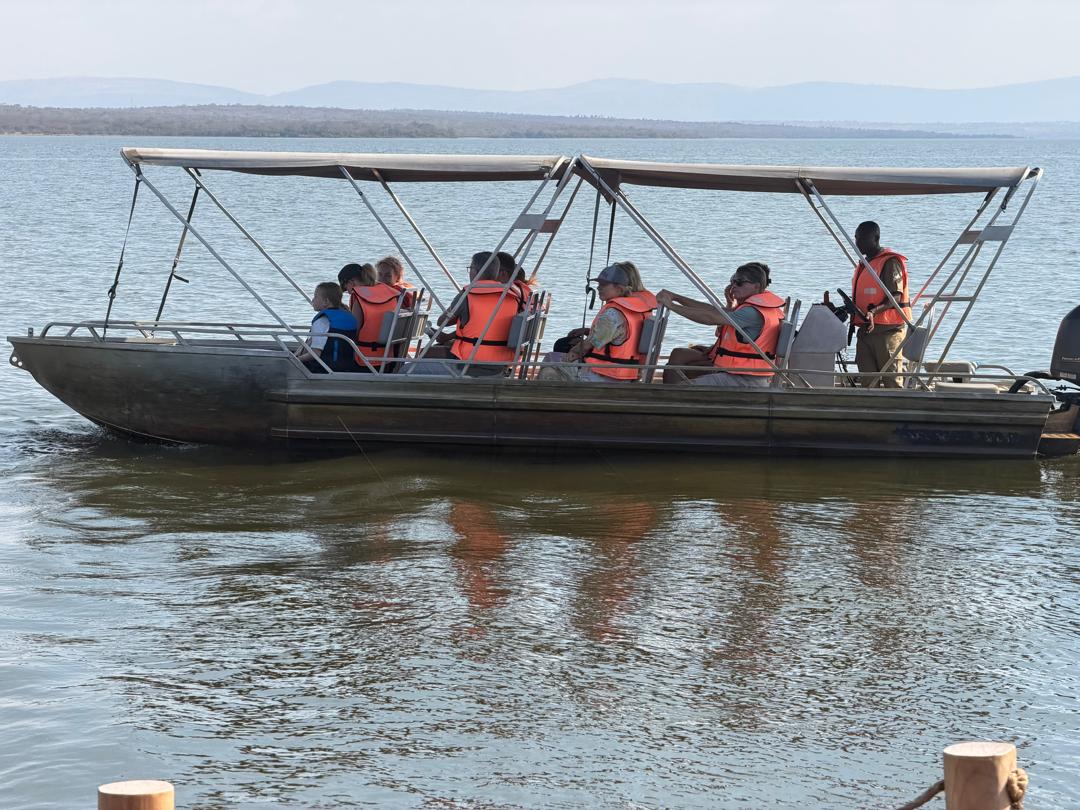
Visitors can enjoy scenic boat excursions, explore nearby islands, discover local fishing communities or simply relax beside the lake.
Lake Kivu is particularly attractive for travellers seeking a peaceful break after physically demanding gorilla or chimpanzee trekking experiences.
Although the lake can be visited throughout the year, rainfall may affect boat activities and outdoor excursions. Local weather conditions should always be considered when arranging water-based experiences.
Combining Gorilla Trekking, Chimpanzees and Wildlife in One Rwanda Safari
One of the most rewarding ways to explore Rwanda is to combine several national parks within one carefully planned itinerary.
For travellers seeking mountain gorillas, chimpanzees and wildlife game drives, the best time to visit Rwanda is usually during the relatively dry months, especially June to September or December to February.
A comprehensive wildlife journey can begin in Kigali before continuing to Akagera National Park for savanna game drives and wildlife photography.
After exploring Akagera, travellers can return towards Kigali and continue to Nyungwe Forest National Park for chimpanzee tracking, birdwatching and guided rainforest walks.
The journey can then follow Rwanda’s scenic western landscapes towards Lake Kivu, offering opportunities for relaxation and beautiful photography.
From Lake Kivu, visitors can travel north towards Volcanoes National Park for mountain gorilla trekking and golden monkey tracking.
This combination introduces travellers to Rwanda’s exceptional ecological diversity, including tropical rainforests, volcanic mountains, open savannas, wetlands and freshwater lakes.
However, the best time to visit Rwanda for a combined safari should also take travel distances, available accommodation and activity permits into consideration.
A private safari with an experienced driver-guide can make the journey more comfortable, allowing travellers to enjoy scenic stops and explore different destinations without unnecessary pressure.
How to Choose the Best Time to Visit Rwanda for Your Budget and Travel Style
Different travellers have different priorities, which means there is no single ideal travel month for everyone.
Visitors seeking luxury gorilla trekking accommodation may prefer travelling during the drier seasons when outdoor activities are often easier to enjoy. However, popular travel periods can also bring greater demand for accommodation and gorilla permits.
Travellers with flexible schedules may find attractive accommodation options during quieter periods, although availability and promotional rates depend on the individual lodge and travel dates.
The best time to visit Rwanda for photographers may differ from the preferred season for families or experienced hikers.
Photographers often appreciate dramatic cloud formations, green landscapes and mist-covered forests, while families may prioritise comfortable weather and convenient travel schedules.
Visitors interested in longer walking excursions should consider the physical demands of forest trails and the effects of rainfall.
When comparing travel periods, consider the number of destinations you want to visit, your preferred accommodation standard, your fitness level and how much flexibility you have in your schedule.
Planning around these factors will help you choose travel dates that provide the most enjoyable overall experience.
What to Pack for Rwanda During Different Seasons
Packing appropriately is important regardless of when you visit Rwanda.
For gorilla trekking and chimpanzee tracking, comfortable waterproof hiking boots, long trousers, long-sleeved clothing and a lightweight rain jacket are recommended. Forest environments can remain wet even during relatively dry months.
Travellers should also consider carrying gardening-style gloves for trekking, a small daypack, reusable water bottles and suitable camera protection.
During the rainy season, additional waterproof equipment can be especially useful.
Visitors planning wildlife game drives in Akagera should pack comfortable safari clothing, sun protection, binoculars and a camera with a suitable lens.
Those visiting the higher elevations around Volcanoes National Park may appreciate warmer clothing for cool mornings and evenings.
The best time to visit Rwanda should influence your packing choices, but visitors should prepare for changing weather conditions throughout the country.
Frequently Asked Questions About the Best Time to Visit Rwanda
1. What is the best month to visit Rwanda?
June, July, August and September are generally among the most popular months for visiting Rwanda because of the relatively dry conditions. However, the ideal month depends on whether your main interests are gorilla trekking, chimpanzee tracking, wildlife safaris or birdwatching.
2. What is the best time to visit Rwanda for gorilla trekking?
The best time to visit Rwanda for gorilla trekking is generally June to September or December to February. These periods often offer more comfortable hiking conditions, although mountain gorilla trekking remains available throughout the year.
3. Can I track chimpanzees in Rwanda during the rainy season?
Yes. Chimpanzee tracking in Nyungwe Forest National Park operates throughout the year. Rainy conditions can make trails slippery, so suitable hiking equipment and reasonable physical fitness are important.
4. Is Rwanda good for wildlife safaris?
Yes. Akagera National Park offers rewarding wildlife safaris with opportunities to observe elephants, lions, rhinos, buffaloes, giraffes, zebras and numerous other animals. Wildlife viewing is possible throughout the year.
5. Is Rwanda worth visiting during March and April?
Yes. March and April are generally wetter months, but they offer beautiful green landscapes, atmospheric rainforest scenery and opportunities for travellers who prefer quieter experiences.
6. When is the best time for birdwatching in Rwanda?
Birdwatching is rewarding throughout the year, particularly in Nyungwe Forest and Akagera National Park. The most suitable travel period depends on your target species, preferred habitats and tolerance for rainfall.
7. Is December a good month to visit Rwanda?
December can be an attractive travel month, especially later in the month when conditions may become relatively drier. Visitors should still prepare for occasional rainfall, particularly in mountain and forest destinations.
8. How many days should I spend in Rwanda?
A journey of approximately seven to ten days can provide a rewarding combination of gorilla trekking, chimpanzee tracking, wildlife game drives and cultural experiences. Travellers wishing to explore more destinations may prefer a longer itinerary.
9. Can I combine gorilla trekking and a wildlife safari in Rwanda?
Yes. Travellers can combine mountain gorilla trekking in Volcanoes National Park with wildlife game drives in Akagera National Park. Nyungwe Forest can also be included for chimpanzee tracking and birdwatching.
10. Should I book Rwanda gorilla permits before travelling?
Yes. Gorilla trekking permits should be arranged in advance, particularly during popular travel months. Early planning also helps secure preferred accommodation and coordinate travel between national parks.
So, What Is the Best Time to Visit Rwanda?
The best time to visit Rwanda ultimately depends on your preferred safari experiences, travel budget and expectations. For travellers interested in combining mountain gorilla trekking, chimpanzee tracking, wildlife game drives, forest hiking and Lake Kivu relaxation, the relatively dry months from June to September and December to February are often convenient choices.
However, Rwanda’s rainy seasons offer their own attractions, including lush landscapes, beautiful rainforest scenery, rewarding birdwatching and opportunities to explore popular destinations during potentially quieter periods.
Whether you want to encounter endangered mountain gorillas in Volcanoes National Park, track chimpanzees through Nyungwe Forest, photograph elephants and lions in Akagera National Park or enjoy peaceful moments beside Lake Kivu, Rwanda provides extraordinary travel opportunities throughout the year.
At Fruits of Hope Adventure Tours, we help travellers plan personalised Rwanda holidays featuring gorilla trekking, chimpanzee tracking, wildlife safaris, comfortable accommodation and professionally guided experiences.
Contact our safari specialists to plan your Rwanda adventure and discover the best time to visit Rwanda for your preferred activities