The Congo Nile Trail in Rwanda is one of the country’s most spectacular outdoor adventures, offering an unforgettable journey through rolling green hills, peaceful villages, coffee plantations and breathtaking scenery along the shores of Lake Kivu. Located in western Rwanda, this beautiful trail provides an opportunity to discover the country’s countryside beyond its famous gorilla trekking destinations and national parks. Whether you enjoy hiking, mountain biking, photography or cultural exploration, the Congo Nile Trail combines natural beauty, outdoor adventure and authentic Rwandan experiences.
Stretching approximately 227 kilometres from Rubavu in the north to Rusizi in the south, the trail follows the eastern side of Lake Kivu, passing through lush farmland, forested hillsides and traditional communities. Along the journey, travelers experience remarkable lake views, beautiful valleys and the daily activities of people living in rural Rwanda. With Fruits of Hope Adventure Tours, visitors can arrange guided hiking and cycling experiences, scenic excursions and customized Rwanda holidays that combine the Congo Nile Trail with other fascinating destinations.
What Is the Congo Nile Trail in Rwanda?
The Congo Nile Trail is a scenic hiking and cycling route running through Rwanda’s Western Province, approximately parallel to the eastern shoreline of Lake Kivu. It begins around Rubavu, also known as Gisenyi, and continues south through areas including Rutsiro, Karongi and Nyamasheke before reaching Rusizi. The trail takes its name from the Congo–Nile watershed, the geographical divide separating rivers that flow toward the Congo Basin from those draining toward the Nile Basin.
The complete route covers approximately 227 kilometres and generally takes around ten days to complete on foot or five days by mountain bike, depending on fitness, weather and the itinerary selected. However, travelers do not need to complete the entire trail to enjoy its scenery. Shorter sections can be explored over one, two or three days, making the experience suitable for visitors with different travel schedules. Visit Rwanda+1
One of the most attractive features of the Congo Nile Trail is its combination of outdoor adventure and community tourism. Rather than passing exclusively through protected wilderness, the route connects villages, agricultural landscapes, lakeside settlements and peaceful countryside. Travelers can interact with local guides, visit small businesses and experience a side of Rwanda that is often overlooked during conventional safari holidays.
Hiking the Congo Nile Trail
Hiking is one of the most rewarding ways to explore the Congo Nile Trail because it allows travelers to experience the landscapes at a relaxed and personal pace. Walking through the hills overlooking Lake Kivu provides opportunities to admire distant mountain scenery, observe birds, photograph traditional villages and enjoy the peaceful atmosphere of Rwanda’s countryside. The route follows a mixture of rural roads, footpaths and hillside tracks, occasionally passing through cultivated farmland and small settlements where local residents go about their daily activities.

Although the scenery is beautiful, hiking the Congo Nile Trail can be physically demanding. Some sections involve steep climbs, uneven surfaces and long walking distances, particularly when completing multiple stages. Travelers should have reasonable fitness and wear comfortable hiking boots with reliable grip. Hiring an experienced local guide is highly recommended because guides understand the route, suitable resting places, local conditions and accommodation arrangements.
Visitors who prefer less demanding adventures can choose shorter walking sections near Rubavu or Karongi, allowing them to experience the scenery without committing to a full multi-day expedition. Visit Rwanda
Cycling the Congo Nile Trail
Cycling the Congo Nile Trail is a fantastic adventure for travelers who enjoy exploring beautiful countryside on two wheels. The route has become one of Rwanda’s best-known mountain biking experiences, attracting cycling enthusiasts interested in challenging terrain, magnificent lake views and cultural encounters. Riders travel through rolling hills, small farming communities and peaceful rural landscapes while enjoying spectacular views across Lake Kivu.
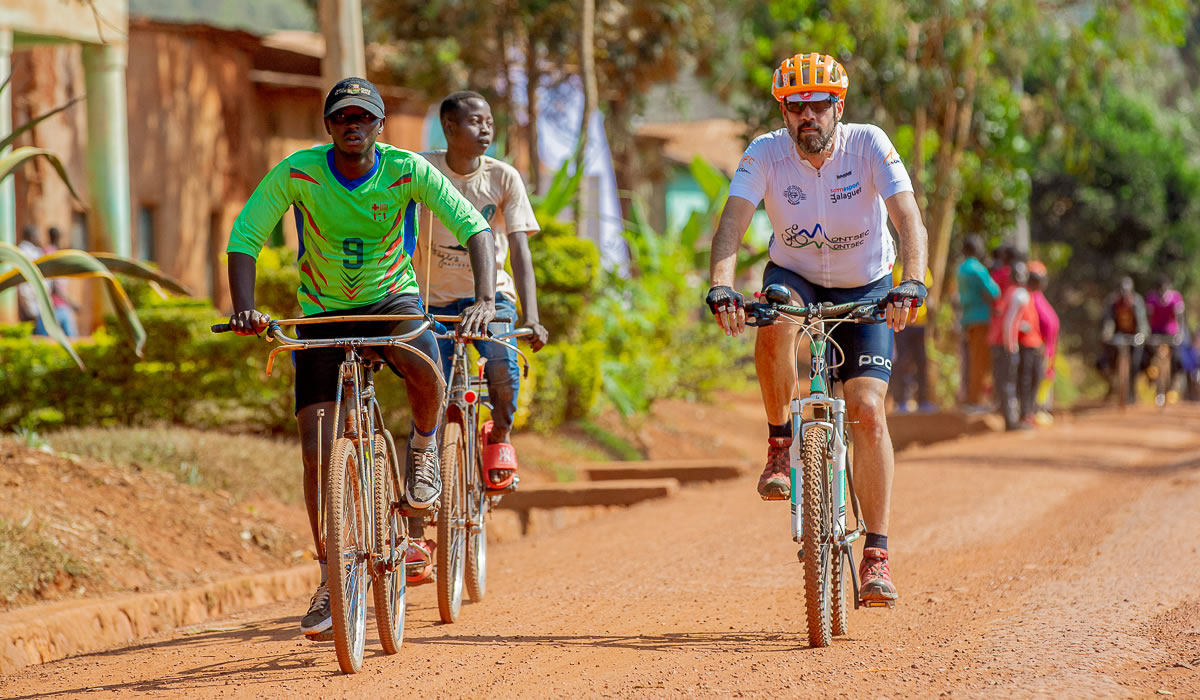
The full cycling journey usually takes approximately five days, although shorter sections are available. The route includes substantial climbs and descents, meaning that cyclists should be prepared for changing elevations and physically demanding riding conditions. Mountain bikes are generally more suitable than ordinary road bicycles because sections of the trail have rough or uneven surfaces. Travelers can also arrange guided cycling experiences with bicycle rental, luggage transfers and pre-booked accommodation.
For experienced cyclists, completing the full route offers a satisfying combination of endurance, adventure and discovery. Visitors who want a gentler experience can select individual sections, travel shorter distances or consider an electric mountain bike where available. Visit Rwanda+1
Beautiful Views of Lake Kivu
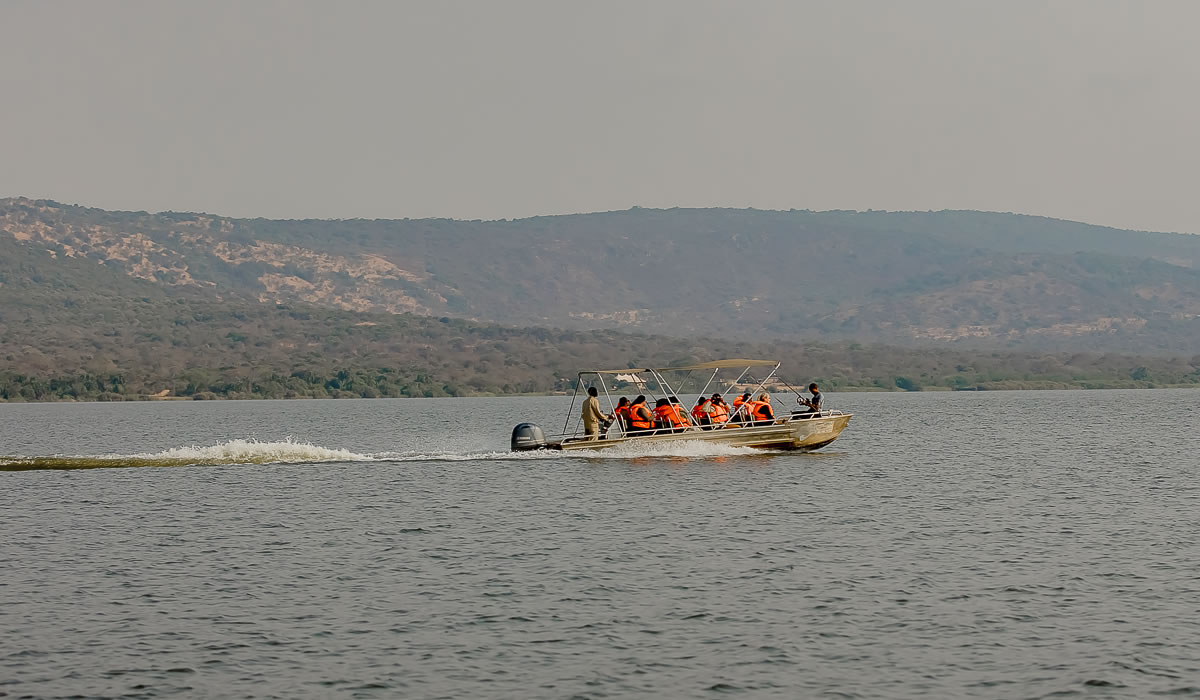
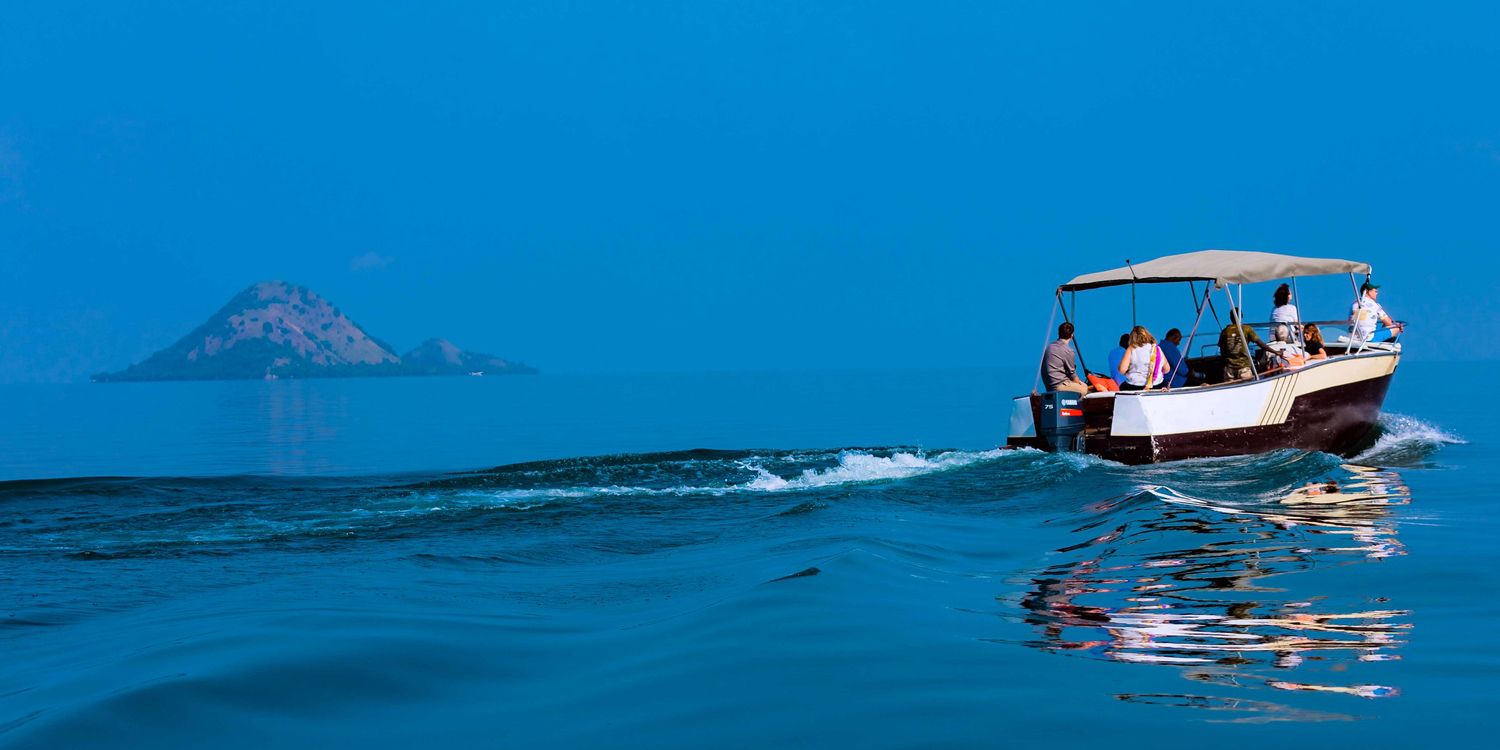
One of the greatest attractions of the Congo Nile Trail is its magnificent scenery overlooking Lake Kivu. Surrounded by green hills, terraced farmland and beautiful lakeside settlements, the lake creates a peaceful backdrop throughout much of the journey. From elevated viewpoints, travelers can admire the vast blue waters stretching toward the mountains of the Democratic Republic of Congo, while lower sections reveal quiet bays, traditional fishing boats and small communities along the shoreline.

The landscape changes continuously as the trail winds through hills, valleys and agricultural areas. Early mornings can bring soft mist over the lake, while late afternoons often offer beautiful light for landscape photography. Travelers may stop at scenic viewpoints, relax beside the water or enjoy refreshments in nearby villages. Some itineraries also allow visitors to arrange boat excursions or other lakeside activities.
Visitors who would like to spend additional time exploring the area can discover more about Lake Kivu and its beautiful destinations, including opportunities for relaxation, sightseeing and scenic excursions around Rwanda’s western lakeshore.
Experience Traditional Rwandan Village Life
The Congo Nile Trail offers more than spectacular landscapes. It also provides visitors with meaningful opportunities to discover everyday life in rural Rwanda. Along the route, travelers pass through communities where farming, fishing, trading and traditional crafts remain important parts of local livelihoods.
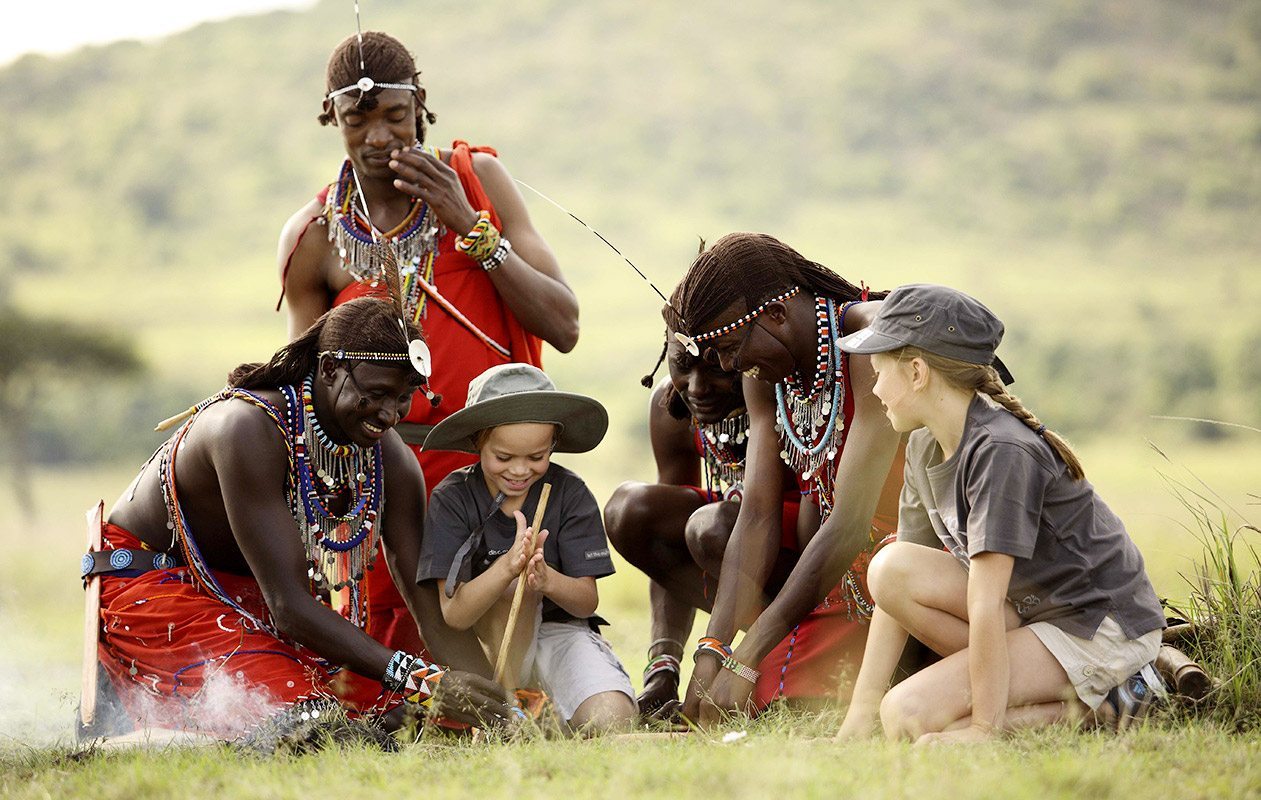
Visitors may encounter farmers tending banana plantations, residents carrying agricultural produce to nearby markets and fishermen preparing their boats along the lakeshore. These everyday experiences provide insight into the traditions and lifestyles of communities living around Lake Kivu.
Traveling with a local guide can make these encounters more informative and respectful. Guides can help visitors communicate with residents, understand local customs and arrange appropriate community visits. Staying in locally operated guesthouses, purchasing refreshments from village shops and supporting community tourism activities also help ensure that tourism benefits people living along the route.
Coffee and Tea Plantation Experiences
Western Rwanda is famous for its beautiful agricultural landscapes, particularly the coffee and tea plantations found throughout the hills surrounding Lake Kivu. Exploring the Congo Nile Trail gives travelers opportunities to discover how these important products are cultivated and prepared.

Coffee experiences may introduce visitors to local growers, coffee-washing stations and different stages of coffee processing. Depending on the location and arrangements, travelers may learn about harvesting, sorting, washing, drying and preparing coffee for consumption. These experiences provide a fascinating connection between Rwanda’s agricultural communities and the coffee enjoyed around the world.
Tea plantations create another distinctive feature of the landscape, with neatly maintained green fields stretching across hillsides. Guided visits can offer insights into tea cultivation and processing while providing excellent opportunities for photography. Rwanda’s official tourism information identifies coffee and tea experiences as important attractions along the route. Visit Rwanda+1
Best Places to Visit Along the Congo Nile Trail
Rubavu (Gisenyi)
Located at the northern end of Lake Kivu, Rubavu is a popular starting point for the Congo Nile Trail. The town offers lakeside accommodation, beautiful beaches, restaurants and opportunities for sightseeing before beginning a hiking or cycling adventure.
Karongi (Kibuye)
Karongi is one of the most scenic towns along Lake Kivu, known for its beautiful bays, surrounding hills and peaceful atmosphere. Travelers can enjoy lakeside accommodation, boat excursions and remarkable views of the lake’s numerous islands.
Nyamasheke
This region offers beautiful countryside, agricultural landscapes and access to communities along the southern sections of Lake Kivu. It is particularly attractive for travelers interested in rural scenery, photography and cultural experiences.
Rusizi (Cyangugu)
Located toward the southern end of the trail, Rusizi provides a convenient finishing point for longer hiking and cycling expeditions. Travelers can also use this area as a starting point for exploring southern Rwanda and the nearby Nyungwe region.
Best Time to Visit the Congo Nile Trail
The Congo Nile Trail can be explored throughout the year, but weather conditions play an important role in the overall experience. The relatively drier periods from June to September and December to February are generally considered particularly suitable for hiking and cycling. During these months, trails often have more manageable surfaces, making long-distance walking and mountain biking more comfortable.
The wetter periods, particularly March to May and October to November, can bring heavy showers and muddy conditions. Although the landscapes become especially green and beautiful, some sections may be more challenging or slippery. Travelers visiting during these months should allow flexibility in their schedules and prepare for changing weather. Congo Nile Trail
Regardless of the season, visitors should carry comfortable walking shoes, lightweight outdoor clothing, waterproof protection, sunscreen, drinking water and a small backpack. Cyclists should also ensure their bicycles are in good mechanical condition and carry appropriate safety equipment.
Accommodation Along the Congo Nile Trail
Accommodation along the Congo Nile Trail ranges from simple guesthouses and campsites to comfortable lakeside hotels in towns such as Rubavu and Karongi. The choice depends on the route, available facilities and the level of comfort travelers prefer. Some visitors enjoy staying in locally operated establishments because they provide opportunities to interact with communities, while others prefer established hotels overlooking Lake Kivu
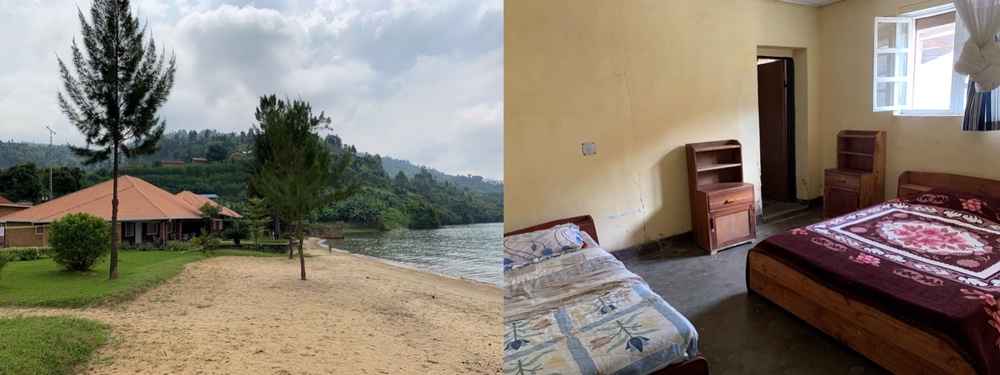
For multi-day hiking and cycling adventures, advance accommodation planning is important. The distance between suitable overnight stops can vary, and some rural sections have limited facilities. A carefully organized itinerary should account for daily walking or cycling distances, meals, drinking water, luggage arrangements and transportation at the beginning and end of the trail.
Travelers planning a longer journey can arrange accommodation and logistics through Fruits of Hope Adventure Tours to create a practical itinerary suited to their preferred travel style.
Combine the Congo Nile Trail with Other Rwanda Adventures
The Congo Nile Trail can easily form part of a longer Rwanda holiday. Travelers who enjoy wildlife experiences may combine sections of the trail with mountain gorilla trekking in Volcanoes National Park, while nature enthusiasts can explore the rainforests and walking trails of Nyungwe National Park.
A journey beginning in Kigali can continue to Volcanoes National Park before reaching Rubavu and Lake Kivu. Visitors may then explore part of the Congo Nile Trail, enjoy lakeside activities in Karongi and continue south toward Nyungwe. This creates a diverse itinerary combining wildlife, forest landscapes, outdoor adventure and local cultural experiences.
Travelers interested in discovering Rwanda beyond its national parks will find that the Congo Nile Trail provides a wonderful complement to the country’s better-known safari attractions.
20 Frequently Asked Questions About the Congo Nile Trail in Rwanda
1. What is the Congo Nile Trail in Rwanda?
The Congo Nile Trail is a scenic hiking and cycling route along Lake Kivu in western Rwanda. It passes through beautiful hills, rural villages, coffee plantations and lakeside communities.
2. How long is the Congo Nile Trail?
The Congo Nile Trail stretches approximately 227 kilometres from Rubavu in northern Rwanda to Rusizi in the south, offering spectacular scenery along Lake Kivu.
3. How many days does it take to hike the Congo Nile Trail?
Hiking the entire Congo Nile Trail generally takes around 10 days, depending on your fitness, walking speed, weather conditions and chosen itinerary.
4. How many days does it take to cycle the Congo Nile Trail?
Cycling the complete Congo Nile Trail usually takes approximately five days. Experienced cyclists may complete some sections faster, while others prefer a more relaxed journey.
5. Where does the Congo Nile Trail start and end?
The Congo Nile Trail traditionally starts in Rubavu, also known as Gisenyi, and finishes in Rusizi, near Rwanda’s southern end of Lake Kivu.
6. What is the best time to visit the Congo Nile Trail?
The best time is generally during the relatively dry seasons from June to September and December to February, when hiking and cycling conditions are often more comfortable.
7. Is the Congo Nile Trail suitable for beginners?
Yes, beginners can enjoy selected shorter sections of the Congo Nile Trail. However, the entire route involves steep hills and long distances that require reasonable physical fitness.
8. Can I explore the Congo Nile Trail in one day?
Yes. Visitors with limited time can enjoy guided day hikes or shorter cycling excursions around Rubavu, Karongi and other accessible sections of Lake Kivu.
9. Do I need a guide for the Congo Nile Trail?
A local guide is highly recommended, especially for multi-day adventures. Guides assist with navigation, cultural experiences, accommodation arrangements and understanding local communities.
10. Is the Congo Nile Trail safe for tourists?
The Congo Nile Trail is an established tourism route, but travelers should check current local conditions, use experienced guides and follow official travel advice, particularly near border areas.
11. What activities can I enjoy along the Congo Nile Trail?
Popular activities include hiking, mountain biking, landscape photography, village visits, coffee plantation experiences, birdwatching and relaxing along Lake Kivu.
12. Can I combine the Congo Nile Trail with gorilla trekking?
Yes. The Congo Nile Trail can be combined with mountain gorilla trekking in Volcanoes National Park, creating an excellent Rwanda adventure that includes wildlife and outdoor activities.
13. What accommodation is available along the Congo Nile Trail?
Accommodation includes local guesthouses, campsites and comfortable lakeside hotels. Options vary by location, so advance booking is recommended for multi-day adventures.
14. What should I pack for the Congo Nile Trail?
Pack comfortable hiking shoes, breathable clothing, a waterproof jacket, sunscreen, drinking water, a hat and a small backpack. Cyclists should also bring suitable protective equipment.
15. Can families with children explore the Congo Nile Trail?
Yes. Families can enjoy shorter and less demanding sections of the trail. The route should be selected according to the children’s ages, fitness levels and outdoor experience.
16. Are bicycles available for rent along the Congo Nile Trail?
Mountain bike rental can be arranged through selected tourism providers, particularly around popular starting points. Travelers should confirm bicycle availability, equipment and guiding services in advance.
17. Can I visit coffee and tea plantations along the Congo Nile Trail?
Yes. Some sections pass through Rwanda’s agricultural landscapes, where visitors may arrange guided coffee and tea experiences to learn about local farming and processing methods.
18. How difficult is hiking the Congo Nile Trail?
The difficulty ranges from moderate to challenging because of steep climbs, uneven trails and changing elevations. Shorter sections are generally more manageable than the full route.
19. How do I get to the Congo Nile Trail from Kigali?
Travelers can reach Rubavu from Kigali by private vehicle or public transport. The road journey typically takes around three to four hours, depending on traffic and road conditions.
20. How can I book a Congo Nile Trail hiking or cycling tour?
You can arrange a customized hiking or cycling experience through Fruits of Hope Adventure Tours, including local guides, transportation, accommodation and optional Lake Kivu excursions.
Plan Your Congo Nile Trail Adventure with Fruits of Hope Adventure Tours
The Congo Nile Trail in Rwanda is an exceptional destination for travelers who want to discover the country’s beautiful landscapes, experience authentic village life and explore the magnificent shores of Lake Kivu. From peaceful day hikes to challenging multi-day cycling expeditions, the trail offers memorable experiences for nature enthusiasts, photographers and adventurous visitors.
Whether you prefer a short guided walk, a scenic cycling adventure or an extended Rwanda itinerary combining Lake Kivu with other attractions, Fruits of Hope Adventure Tours can help you plan a personalized journey with suitable transportation, accommodation and local guiding arrangements.
Discover the beauty of western Rwanda and make the Congo Nile Trail part of your next African adventure.