
Lions in Rwanda are among the country’s most remarkable wildlife conservation success stories. Although Rwanda is internationally recognised for its endangered mountain gorillas, the country also offers excellent opportunities to experience African savannah wildlife. Today, lions roam freely within Akagera National Park, attracting wildlife enthusiasts, photographers, and travellers interested in discovering Rwanda’s natural beauty.
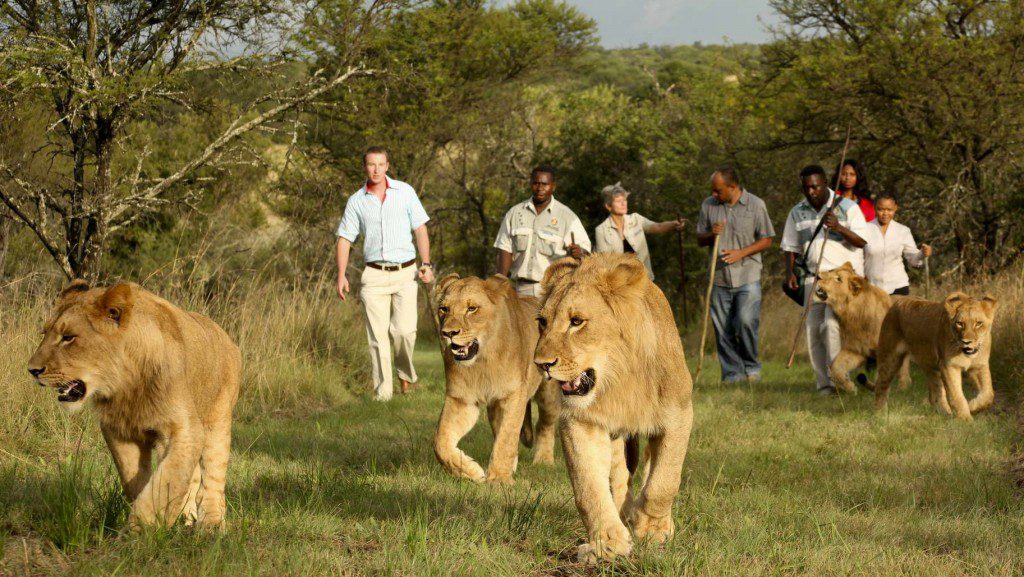
For nearly two decades, lions were absent from Rwanda following habitat destruction, human-wildlife conflict, and the effects of instability during the 1990s. Their disappearance was a major loss for the country’s biodiversity, particularly in Akagera National Park, where these powerful predators had once played an important ecological role. The absence of lions also affected the park’s reputation as a traditional African wildlife safari destination.
Fortunately, a major conservation initiative in 2015 brought lions back to Rwanda. Through collaboration between the Rwanda Development Board and African Parks, seven lions were reintroduced to Akagera National Park, beginning an important chapter in the restoration of Rwanda’s wildlife. Today, visitors can search for these magnificent predators during guided wildlife game drives in Akagera National Park while exploring one of East Africa’s inspiring conservation landscapes.
The History of Lions in Rwanda
Before their disappearance, lions in Rwanda were an important part of the natural ecosystem, especially in the savannah landscapes of Akagera National Park. The park once supported healthy populations of large mammals, including buffaloes, zebras, antelopes, elephants, and predators such as lions and leopards. These animals formed a balanced wildlife community in which large carnivores helped regulate prey populations and influence animal movements across the landscape.
However, the situation changed dramatically during the 1990s. Following the 1994 genocide against the Tutsi, increasing human settlement, agricultural expansion, livestock grazing, and human-wildlife conflict placed significant pressure on Akagera National Park. Much of the park’s former territory was reallocated for settlement and farming, reducing available wildlife habitat. Lions sometimes attacked livestock in surrounding communities, resulting in retaliatory killings and further declines in their population.
By the early 2000s, wild lions had disappeared from Akagera National Park, leaving Rwanda without a resident lion population. Their disappearance highlighted the challenges facing wildlife conservation in areas affected by habitat loss and human activities. However, improvements in park management, stronger conservation measures, and cooperation with local communities eventually created suitable conditions for the return of lions and the restoration of Akagera’s wildlife ecosystem.
The Reintroduction of Lions in Rwanda in 2015
The successful return of lions in Rwanda began in July 2015, when seven lions were transported from South Africa to Akagera National Park. The group included five females and two males selected to help establish a sustainable breeding population. This historic reintroduction was organised by African Parks in partnership with the Rwanda Development Board, marking the return of a species that had been missing from Rwanda’s natural landscape for many years.
Before being released into the park, the lions were placed in a specially prepared enclosure where conservation teams could monitor their health and help them adjust to their new surroundings. After the acclimatisation period, the animals were released into Akagera’s protected savannah habitat. Their successful adjustment represented an important step towards rebuilding the park’s predator population and restoring the ecological relationships that had existed before their disappearance.
The conservation programme continued in 2017 with the introduction of two additional male lions to strengthen genetic diversity. Since then, successful breeding has produced several litters of cubs, allowing the lion population to expand. The achievement has become an important example of wildlife restoration in Africa, demonstrating how conservation partnerships, protected habitats, and long-term wildlife monitoring can help re-establish species that have disappeared from their former territories.
Where to See Lions in Rwanda
Akagera National Park is the only national park in Rwanda where visitors can observe wild lions living in their natural environment. Located in eastern Rwanda near the Tanzanian border, the park covers approximately 1,122 square kilometres and protects a remarkable combination of savannah grasslands, acacia woodland, rolling hills, wetlands, and freshwater lakes. These landscapes provide suitable habitats for lions and other large mammals, making Akagera Rwanda’s leading destination for traditional African wildlife safaris.

Lions in Akagera National Park generally occupy savannah and woodland habitats where suitable prey is available. The park’s northern plains and other open wildlife areas can provide opportunities to observe lions resting, moving across the grasslands, or interacting with members of their prides. Because lions are wild animals that move freely throughout the park, sightings depend on their movements, weather conditions, vegetation, and the experience of safari guides. Visitors should therefore approach every game drive with realistic expectations.
A visit to Akagera also allows travellers to explore a wider variety of Rwanda’s wildlife species and beautiful natural environments. Alongside lions, visitors may encounter elephants, giraffes, zebras, buffaloes, antelopes, leopards, and rhinoceroses. Those interested in learning more about the park’s diverse animal populations can explore this detailed article about wildlife in Akagera National Park, which introduces the mammals, birds, and ecosystems that make the park an exceptional safari destination.
Lion Safari Experiences in Akagera National Park
Experiencing lions in Rwanda is one of the most exciting highlights of a wildlife safari in Akagera National Park. Guided game drives allow visitors to travel through the park’s open plains and woodland habitats while searching for lions and other wild animals. Experienced safari guides help identify animal tracks, explain predator behaviour, and navigate wildlife viewing areas where lions may be present. These excursions are suitable for wildlife lovers, nature photographers, families, and travellers experiencing their first African safari.
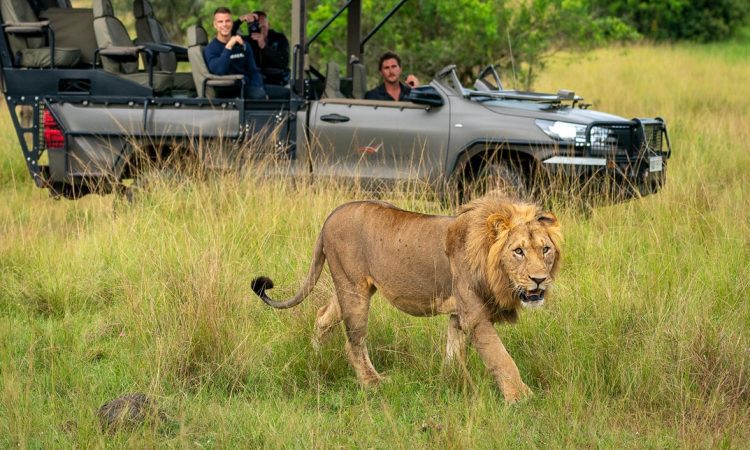
Early morning game drives are particularly rewarding because temperatures are cooler and wildlife may be more active. Lions sometimes move through the savannah during these hours before resting in shaded areas as the day becomes warmer. Afternoon game drives also provide opportunities to see predators and grazing animals, especially as temperatures begin to fall. Visitors interested in nocturnal wildlife can also enquire about authorised night game drives, which offer a different perspective on the park’s animals and their behaviour.
For travellers planning to explore the park more thoroughly, an overnight safari provides additional opportunities for wildlife observation. The 3 Days Akagera National Park Tour allows visitors to discover the park’s varied habitats while enjoying wildlife drives and other safari activities. Spending more time in Akagera can improve the opportunity to encounter lions, although sightings can never be guaranteed. Each drive presents a different experience shaped by the movements of wild animals and the natural conditions within the park.
Best Time to See Lions in Rwanda
Lions in Rwanda can be observed throughout the year because Akagera National Park remains open for wildlife safaris during both the dry and rainy seasons. However, the overall game-viewing experience can vary depending on rainfall, vegetation growth, and wildlife movements. The drier months, generally from June to September and December to February, are often considered favourable for wildlife viewing because some areas have shorter vegetation and animals may be easier to observe.
During the dry season, visitors may find it easier to spot lions moving through open grasslands or resting beneath trees. The park’s road network also provides access to different wildlife habitats, allowing guides to search for predators across suitable areas. Nevertheless, lions do not follow fixed tourist schedules, and their behaviour can change according to prey availability, temperature, and environmental conditions. Morning and late-afternoon drives generally offer comfortable temperatures and good opportunities for observing wildlife.
The rainy seasons, usually from March to May and October to November, bring greener landscapes and beautiful conditions for nature photography. Although taller vegetation can sometimes make lions more difficult to locate, the park remains an attractive safari destination. Visitors travelling during these months may also enjoy abundant birdlife, lush scenery, and fewer crowds in some periods. Regardless of the season, taking time to explore Akagera with a knowledgeable guide is one of the best approaches to searching for lions in Rwanda.
Other Wildlife to See Alongside Lions in Rwanda
Although lions are among Akagera National Park’s most impressive predators, the park is also home to an extraordinary diversity of wildlife. Akagera is Rwanda’s only Big Five safari destination, offering opportunities to see lions, leopards, elephants, African buffaloes, and rhinoceroses within the same protected landscape. The recovery of these species has helped transform the park into a significant wildlife conservation area and an increasingly attractive destination for visitors interested in classic African safaris.

Beyond the Big Five, Akagera supports giraffes, zebras, warthogs, hippos, crocodiles, and numerous species of antelopes, including impalas, topis, waterbucks, and bushbucks. The park’s savannah landscapes support large grazing mammals, while its lakes and wetlands provide essential habitats for aquatic wildlife. Birdwatchers can also discover an impressive variety of birds, including African fish eagles, kingfishers, herons, and other species associated with grassland and wetland environments.
One of the most enjoyable activities to combine with a lion safari is a Lake Ihema boat cruise in Akagera National Park. This guided water excursion provides opportunities to observe hippos, Nile crocodiles, and waterbirds while enjoying beautiful views of the surrounding wetlands. Combining game drives with a boat cruise allows visitors to experience different parts of Akagera’s ecosystem and appreciate the remarkable wildlife diversity that makes the park one of Rwanda’s most important conservation destinations.
Combining Lion Safaris with Gorilla Trekking in Rwanda
One of the greatest attractions of visiting Rwanda is the opportunity to combine a traditional wildlife safari with an unforgettable mountain gorilla trekking experience. Travellers can begin their journey in Akagera National Park, where they search for lions, elephants, giraffes, and other savannah animals, before travelling to Volcanoes National Park in northwestern Rwanda. This combination allows visitors to experience two contrasting wildlife habitats within one country, making Rwanda particularly appealing to travellers with an interest in nature and conservation.
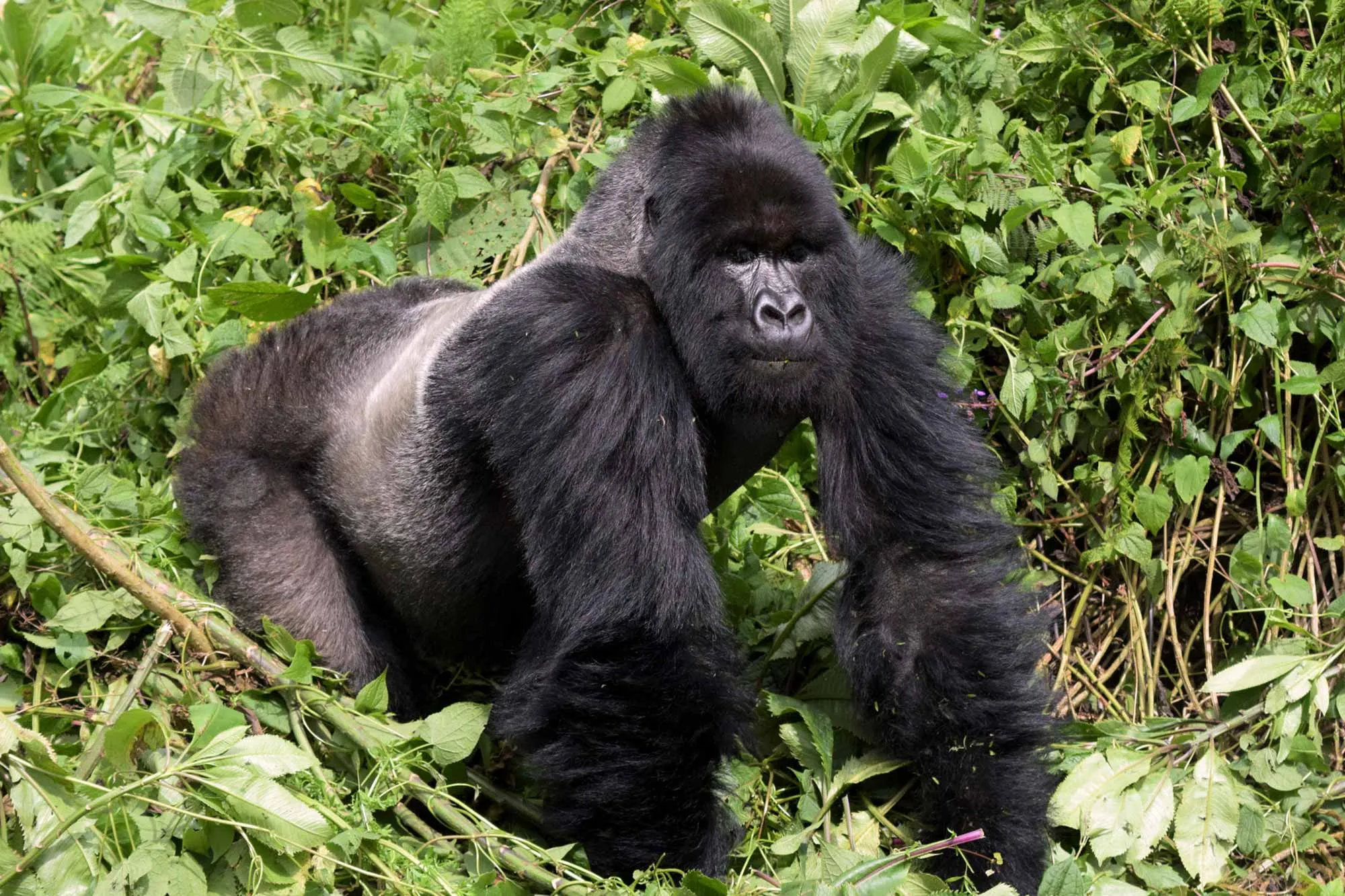
While Akagera National Park is characterised by open grasslands, lakes, and savannah wildlife, Volcanoes National Park protects mountainous forests inhabited by endangered mountain gorillas and golden monkeys. Gorilla trekking involves hiking through the forest with experienced park guides and trackers to locate a habituated gorilla family. Travellers interested in understanding the experience can read more about gorilla trekking in Volcanoes National Park, including what to expect during the activity and the importance of protecting mountain gorilla habitats.
Combining these two destinations creates a rewarding wildlife itinerary that highlights Rwanda’s conservation achievements. Visitors can enjoy the excitement of searching for lions in Akagera before experiencing the unique opportunity to observe mountain gorillas in their natural forest environment. For travellers interested in both destinations, the 6 Days Rwanda Wildlife and Gorilla Trekking Tour provides an organised safari experience covering Akagera National Park and Volcanoes National Park, bringing together savannah wildlife viewing and one of Africa’s most remarkable primate encounters.
Frequently Asked Questions About Lions in Rwanda
1. Are there lions in Rwanda today?
Yes, lions in Rwanda can be found in Akagera National Park, located in the eastern part of the country. Lions were successfully reintroduced in 2015 after disappearing from Rwanda for nearly two decades. Since their return, the population has reproduced, making Akagera an important destination for travellers interested in African wildlife safaris.
2. Where is the best place to see lions in Rwanda?
Akagera National Park is the best and only national park where tourists can see wild lions in Rwanda. The park features savannah grasslands, woodland, lakes, and wetlands that provide suitable habitats for lions and their prey. Visitors can explore these environments through guided wildlife game drives in Akagera National Park.
3. When were lions reintroduced to Rwanda?
Lions in Rwanda were reintroduced in July 2015 through a conservation partnership between African Parks and the Rwanda Development Board. Seven lions, consisting of five females and two males, were brought from South Africa to Akagera National Park. Two additional male lions were introduced in 2017 to improve genetic diversity and support the growing population.
4. What is the best time of year to see lions in Rwanda?
The best time to look for lions in Rwanda is generally during the drier months from June to September and December to February. During these periods, vegetation can be shorter, improving wildlife visibility in Akagera National Park. Early morning and late afternoon game drives are particularly recommended because lions may be more active when temperatures are cooler.
5. How many lions are there in Rwanda?
The population of lions in Rwanda has increased since the reintroduction of seven lions in 2015. Successful breeding and conservation management have helped establish a growing population in Akagera National Park. However, the exact number changes due to births, deaths, and wildlife movements, so visitors should consult recent park conservation reports for updated population estimates.
6. Can tourists see lions in Rwanda during a safari?
Yes, tourists can see lions in Rwanda during guided game drives in Akagera National Park. Experienced safari guides help visitors explore suitable wildlife habitats and identify areas where lions may be resting, hunting, or moving through the savannah. Although sightings are not guaranteed, the opportunity to observe lions in their natural environment is one of Akagera’s major attractions.
7. Why did lions disappear from Rwanda?
Lions in Rwanda disappeared because of habitat loss, human-wildlife conflict, retaliatory killings, and the effects of instability during the 1990s. Increasing settlement and livestock grazing around Akagera National Park created conflicts between communities and predators. By the early 2000s, lions had disappeared from the park, making their successful reintroduction in 2015 an important wildlife conservation achievement.
8. Can I combine a lion safari in Rwanda with gorilla trekking?
Yes, travellers can combine a lion safari in Akagera National Park with gorilla trekking in Volcanoes National Park. This combination offers an opportunity to experience lions in Rwanda’s savannah landscapes and endangered mountain gorillas in the forests of the Virunga Mountains. It is an excellent option for visitors interested in discovering Rwanda’s diverse wildlife and conservation achievements.
9. Are lions in Rwanda part of the Big Five?
Yes, lions in Rwanda are among the African Big Five found in Akagera National Park. The other four animals are elephants, leopards, African buffaloes, and rhinoceroses. Akagera is Rwanda’s only Big Five safari destination, providing visitors with opportunities to observe these iconic mammals alongside giraffes, zebras, antelopes, and numerous bird species.
10. Is it worth visiting Rwanda to see lions?
Yes, visiting Rwanda to see lions is worthwhile, particularly for travellers interested in wildlife conservation, photography, and traditional African safaris. Akagera National Park offers beautiful savannah landscapes and opportunities to observe lions alongside many other wildlife species. Fruits of Hope Adventure Tours helps travellers plan wildlife experiences in Rwanda, allowing visitors to discover the country’s remarkable conservation success while enjoying memorable safari adventures.
Experience the Conservation Success of Lions in Rwanda
The story of lions in Rwanda demonstrates how wildlife populations can recover through conservation planning, habitat protection, and sustained cooperation. After disappearing from the country for many years, lions were successfully reintroduced to Akagera National Park in 2015, restoring an important predator to Rwanda’s savannah ecosystem. Their continued presence represents a significant achievement for conservation organisations, park authorities, and the communities involved in protecting the country’s natural heritage.

Today, visiting Akagera National Park offers more than the opportunity to observe impressive African predators. It allows travellers to experience a restored ecosystem where lions, elephants, rhinoceroses, giraffes, buffaloes, and other animals live within a protected natural landscape. From early morning game drives across the savannah to peaceful boat excursions on Lake Ihema, Akagera provides memorable opportunities for wildlife observation, photography, and learning about conservation.
For travellers planning to discover lions in Rwanda, Fruits of Hope Adventure Tours offers opportunities to explore Akagera National Park and combine wildlife viewing with other unforgettable experiences across the country. Whether you are visiting Rwanda for its mountain gorillas, beautiful landscapes, or remarkable wildlife, a safari in Akagera provides the chance to witness an important conservation success story and appreciate the natural beauty of Africa’s wild landscapes.