Gorilla Trekking in Uganda
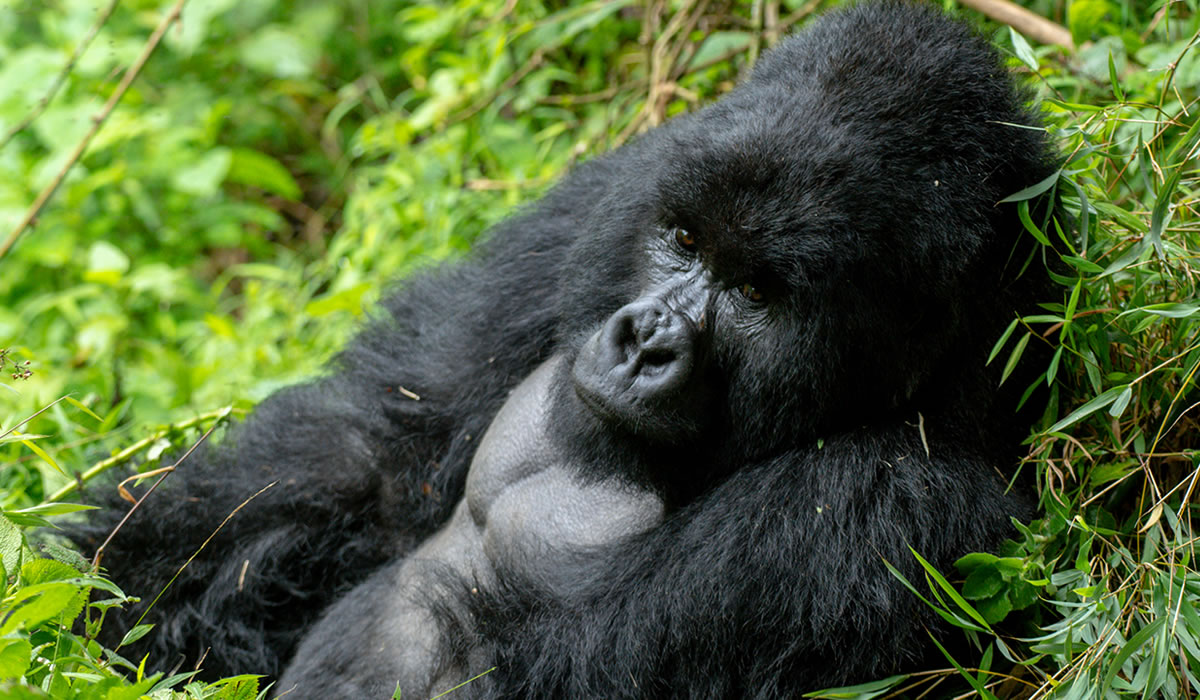
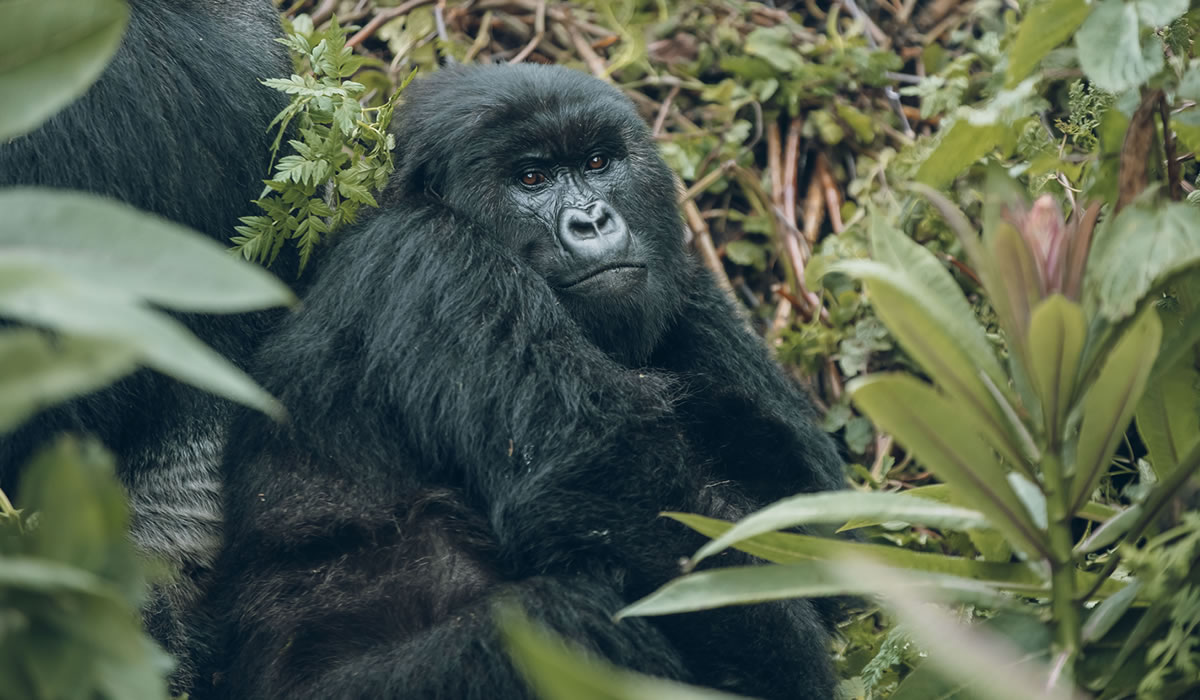
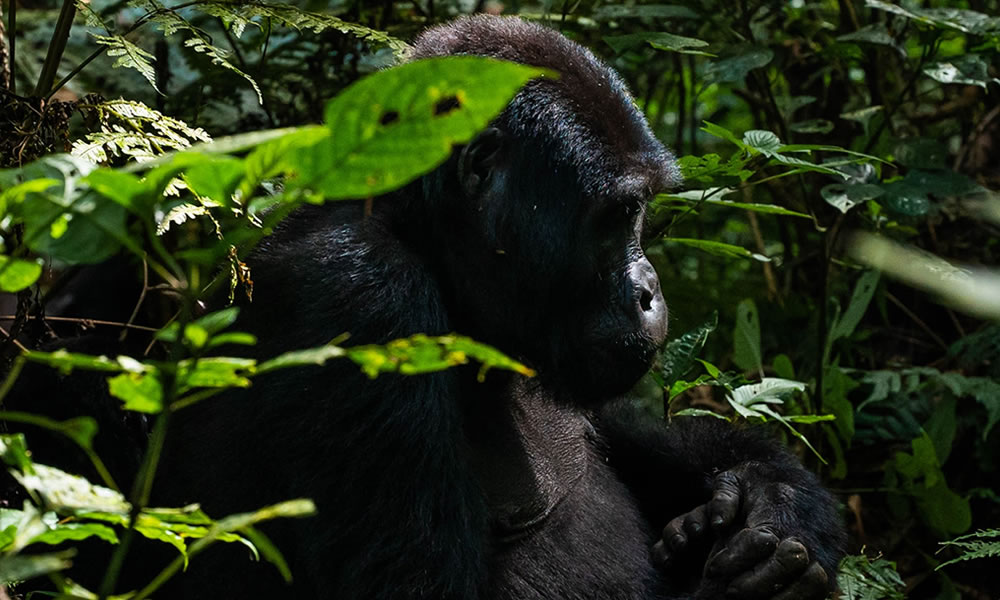
Gorilla Trekking in Uganda is one of Africa’s most extraordinary wildlife experiences, offering travellers the rare opportunity to encounter endangered mountain gorillas in their natural habitat. Deep within the mist-covered forests of southwestern Uganda, these magnificent primates live in close-knit family groups, creating unforgettable moments for nature lovers, photographers and adventure seekers. Watching a powerful silverback or playful young gorillas in the wild is an experience unlike any other.
The adventure takes place in two remarkable destinations: Bwindi Impenetrable National Park and Mgahinga Gorilla National Park . Both offer guided mountain gorilla trekking through beautiful tropical forests and breathtaking mountain landscapes. Accompanied by experienced park rangers and trackers, you will explore the forest in search of a habituated gorilla family and, once located, enjoy up to one hour observing these remarkable animals in their natural surroundings.
With Fruits of Hope Adventure Tours , your gorilla trekking safari can be thoughtfully arranged with suitable accommodation, comfortable transportation, professional guiding and assistance with gorilla trekking permits. Whether you are planning a short adventure or combining gorilla trekking with Uganda’s other wildlife destinations, we help you discover the beauty of the Pearl of Africa through a memorable and rewarding safari experience.
PLAN YOUR GORILLA TREKKING SAFARIWhere Does Gorilla Trekking in Uganda Take Place?
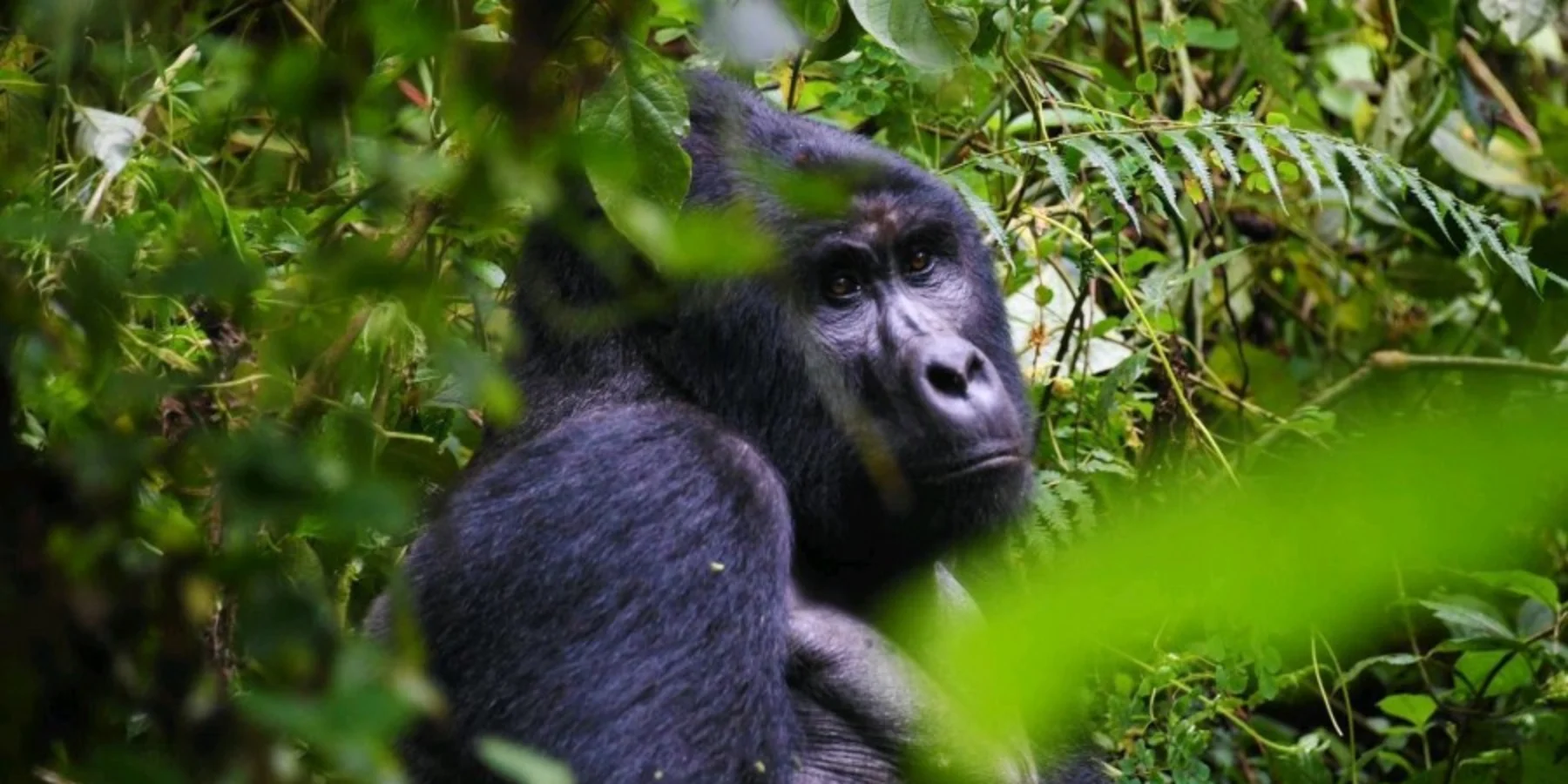
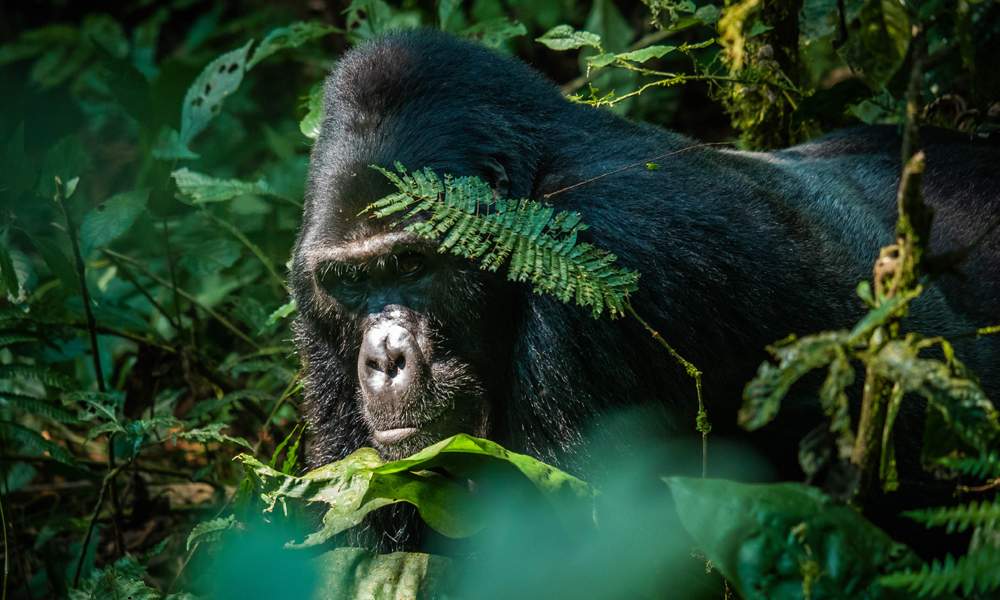
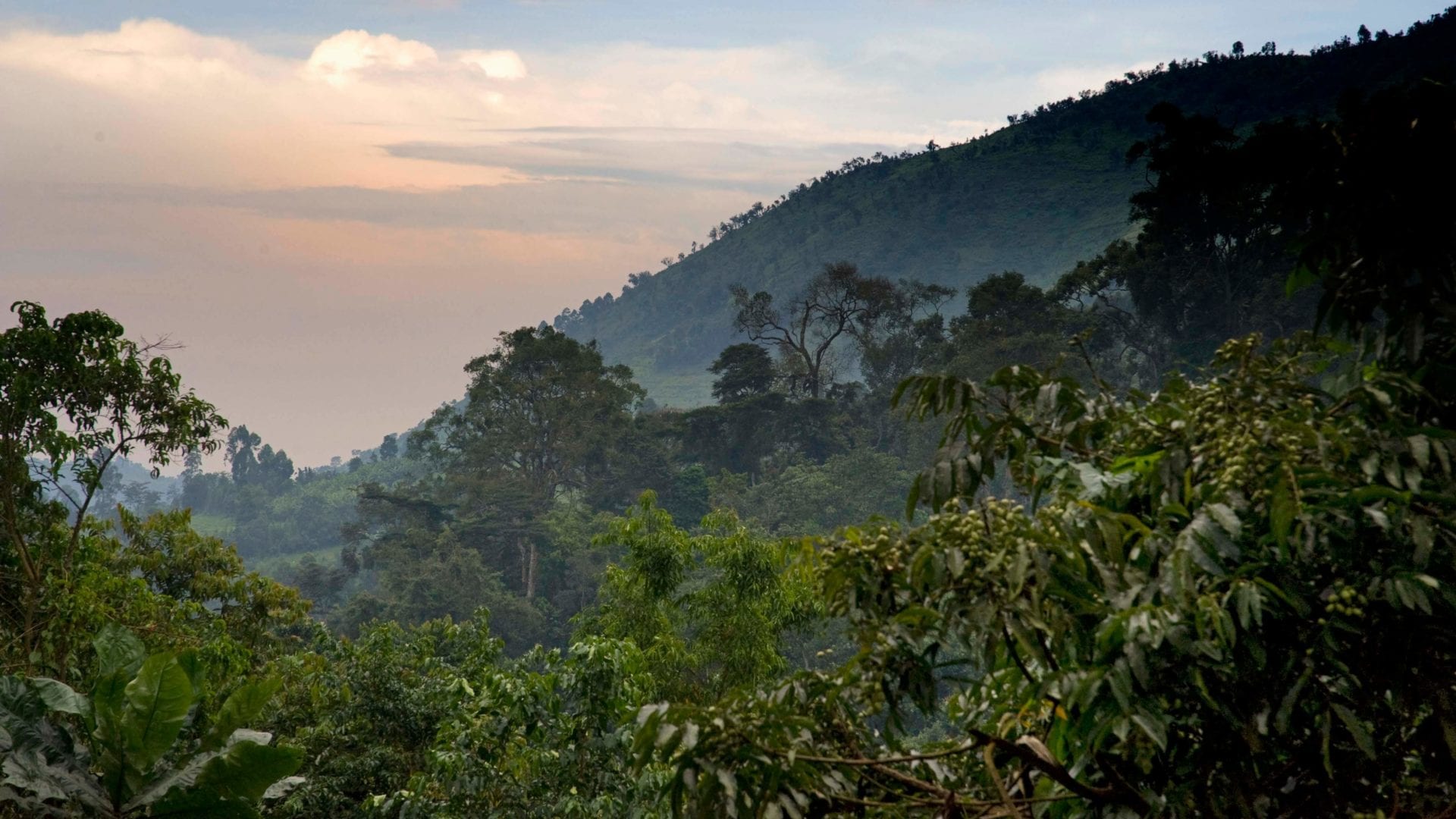
Gorilla Trekking in Uganda takes place in two remarkable protected areas in the southwestern region of the country: Bwindi Impenetrable National Park and Mgahinga Gorilla National Park . These destinations protect endangered mountain gorillas within beautiful forested landscapes, offering travellers the rare opportunity to observe these magnificent primates in their natural habitat.
Although both parks offer exceptional gorilla trekking experiences, their landscapes and trekking environments are different. Bwindi is known for its ancient, dense rainforest and several established gorilla trekking sectors, while Mgahinga offers a spectacular volcanic mountain setting within the Virunga region. Choosing between them depends on permit availability, your preferred safari route and the experience you would like to enjoy.
Bwindi Impenetrable National Park
Bwindi Impenetrable National Park is Uganda’s most famous mountain gorilla trekking destination and one of Africa’s most remarkable tropical forests. Situated in southwestern Uganda, this UNESCO World Heritage Site protects an important population of endangered mountain gorillas within a landscape of steep hills, thick vegetation and mist-covered valleys.
Gorilla trekking in Bwindi is organised across four main sectors: Buhoma, Ruhija, Rushaga and Nkuringo. Each sector provides access to habituated mountain gorilla families, with trekking routes and levels of difficulty varying according to the terrain and the daily movements of the gorillas. Visitors begin their adventure with a briefing from Uganda Wildlife Authority rangers before entering the forest accompanied by experienced guides and trackers.
Bwindi is particularly popular because of its established trekking infrastructure, variety of accommodation options and opportunities to combine gorilla encounters with other southwestern Uganda attractions. Whether you prefer comfortable mid-range accommodation or an exclusive forest lodge, Bwindi offers a memorable setting for Gorilla Trekking in Uganda.
Mgahinga Gorilla National Park
Mgahinga Gorilla National Park is another exceptional destination for mountain gorilla trekking in southwestern Uganda. Located near Kisoro along the borders with Rwanda and the Democratic Republic of Congo, the park forms part of the magnificent Virunga Conservation Area and is surrounded by the dramatic volcanic peaks of Mount Muhabura, Mount Gahinga and Mount Sabyinyo.
Unlike Bwindi’s dense rainforest landscape, Mgahinga offers a distinctive combination of bamboo forest, montane vegetation and volcanic mountain scenery. Gorilla trekking begins at the designated park briefing point, where visitors meet their rangers before setting out to locate the habituated gorilla group. The journey provides beautiful views of the surrounding mountains and opportunities to appreciate the park’s unique natural environment.
Mgahinga also offers golden monkey tracking and other outdoor experiences, making it an attractive destination for travellers seeking more than a single gorilla encounter. Its relatively small size and stunning landscape create a special atmosphere for an unforgettable wildlife adventure.
Which Park Is Best for Gorilla Trekking in Uganda?
Both Bwindi and Mgahinga offer outstanding opportunities to encounter mountain gorillas in the wild. Bwindi is often preferred by travellers looking for a wider selection of trekking sectors and accommodation, while Mgahinga appeals to visitors attracted by volcanic scenery and the opportunity to combine gorilla trekking with golden monkey tracking.
With Fruits of Hope Adventure Tours , you can plan your gorilla trekking experience around available permits, suitable accommodation and convenient travel routes. Our team can help you select the destination that best matches your interests and preferred travel arrangements.
Gorilla Trekking in Uganda Permits and Costs
Every traveller planning Gorilla Trekking in Uganda must obtain a valid gorilla trekking permit issued by the Uganda Wildlife Authority. The permit allows you to join a guided trek in either Bwindi Impenetrable National Park or Mgahinga Gorilla National Park . Permits are issued for specific trekking dates and locations, with limited spaces available each day.
Gorilla trekking permit fees depend on your visitor category. The standard published rates are shown below, together with the announced low-season discounts for eligible travellers.
| Visitor Category | Standard Permit | Low-Season Permit |
|---|---|---|
| Foreign Non-Residents | USD 800 | USD 600 |
| Foreign Residents | USD 700 | USD 500 |
| Rest of Africa | USD 500 | Confirm with UWA |
| East African Community Citizens | UGX 300,000 | Confirm with UWA |
Prices are per person, per trek and apply to Bwindi and Mgahinga. The announced low-season rates apply to April, May and November for eligible visitors; discounted permits cannot be rescheduled. Verify applicable prices, dates and eligibility before booking.
What Does a Uganda Gorilla Trekking Permit Include?
A gorilla trekking permit covers the guided trekking activity, park entrance fees for the trekking day and a contribution towards community development. Once a habituated gorilla family is located, visitors are allowed up to one hour observing the gorillas under the supervision of park rangers. The permit does not ordinarily cover accommodation, safari transportation, personal expenses or optional porter services.
How to Book Gorilla Trekking Permits in Uganda
Gorilla trekking permits should be arranged before confirming your accommodation and other safari arrangements. Permits are subject to availability, particularly during popular travel months. Visitors should confirm their preferred dates and trekking location, provide the required personal details and complete payment to secure the booking.
With Fruits of Hope Adventure Tours , you can receive assistance with permit availability, trekking locations, transportation and suitable accommodation. For Bwindi, the trekking sector also determines the most convenient lodge and access route.
Important Uganda Gorilla Trekking Permit Rules
The minimum age for gorilla trekking in Uganda is 15 years. Each habituated gorilla family is generally visited by a maximum of eight tourists per day, and the permitted observation period is limited to one hour. Visitors must attend the park briefing, follow ranger instructions and comply with conservation and health regulations.
Your permit is valid for the booked date and assigned location, and changes are governed by Uganda Wildlife Authority booking rules. Since permit availability and pricing can change, early planning is recommended for a smooth Gorilla Trekking in Uganda experience.
Book Your Gorilla Trekking Permit in Uganda
Planning an unforgettable mountain gorilla encounter? Let Fruits of Hope Adventure Tours assist you with gorilla permit arrangements, suitable lodges and private safari transportation for your preferred dates.
ENQUIRE ABOUT GORILLA PERMITSGorilla Trekking in Uganda Age Limit
The official Gorilla Trekking in Uganda age limit is 15 years, as established by the Uganda Wildlife Authority. This means travellers must be at least 15 years old to participate in mountain gorilla trekking in Bwindi Impenetrable National Park or Mgahinga Gorilla National Park . The requirement applies to both local and international visitors and is intended to protect mountain gorillas while ensuring visitor safety.
Minimum Gorilla Trekking Age: 15 years old. Travellers should provide valid identification confirming their age when arranging permits and participating in the trekking activity.
Why Is the Gorilla Trekking Age Limit 15 Years?
Mountain gorilla trekking involves walking through dense forests, uneven trails and sometimes steep mountain slopes. Depending on the location of the gorilla family, the experience may require several hours of hiking. The minimum age requirement helps ensure that participants can better manage the physical demands of the trek and follow instructions from park rangers.
The restriction also supports mountain gorilla conservation. Gorillas are vulnerable to human respiratory infections, and visitors must follow strict health and safety guidelines. Maintaining the required distance, remaining calm around the animals and following ranger instructions are essential parts of responsible Gorilla Trekking in Uganda.
Can Children Under 15 Years Go Gorilla Trekking in Uganda?
Under the standard Uganda Wildlife Authority rules, children younger than 15 years are not eligible for gorilla trekking. Parents planning a family safari should therefore confirm the ages of all participants before booking gorilla trekking permits or accommodation. Families should not assume that a child slightly younger than 15 will be permitted to trek without prior written authorisation from the park authorities.
Families travelling with younger children can still enjoy Uganda’s beautiful landscapes and wildlife through suitable alternatives, such as nature experiences, cultural visits and selected wildlife safaris. With Fruits of Hope Adventure Tours , family itineraries can be arranged so that eligible travellers enjoy gorilla trekking while younger children participate in appropriate activities with suitable supervision.
Is There a Maximum Age for Gorilla Trekking in Uganda?
There is no general maximum age limit for Gorilla Trekking in Uganda. Older travellers can participate as long as they are adequately prepared for the physical demands of trekking and meet the park’s health and safety requirements. Many senior travellers enjoy memorable gorilla encounters in Bwindi and Mgahinga with careful planning and appropriate assistance.
Travellers with limited mobility can enquire about porter assistance and specialised carrying arrangements, where available. Trekking difficulty varies with the terrain and daily movement of gorilla families, so easier routes cannot be guaranteed. Any special support requirements should be discussed and confirmed before booking.
Age Verification When Booking Gorilla Trekking Permits
When booking a gorilla trekking permit, visitors may be required to provide passport or other acceptable identification details so their age and visitor category can be verified. The age requirement applies on the trekking date, and travellers should ensure that their documents match the information used during permit registration.
Since gorilla trekking permits are limited and issued for specific dates and locations, arranging your permit in advance is important. Before travelling, confirm your eligibility, trekking sector and accommodation arrangements to avoid unnecessary complications on the day of your visit.
Plan Your Gorilla Trekking Safari in Uganda
Whether you are travelling as a couple, with family or as a senior wildlife enthusiast, Fruits of Hope Adventure Tours can help you plan a suitable gorilla trekking experience. Our team can assist with permit arrangements, private transportation, accommodation and personalised safari planning.
PLAN YOUR GORILLA TREKKING SAFARIWhat to Expect During Gorilla Trekking in Uganda
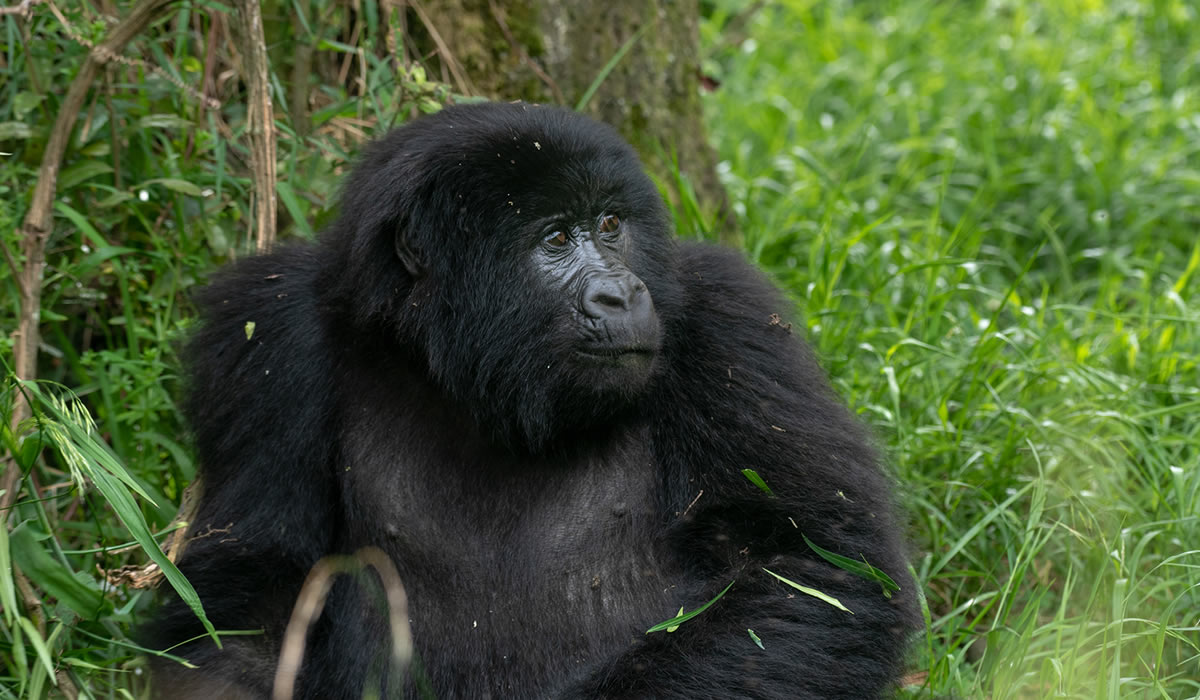
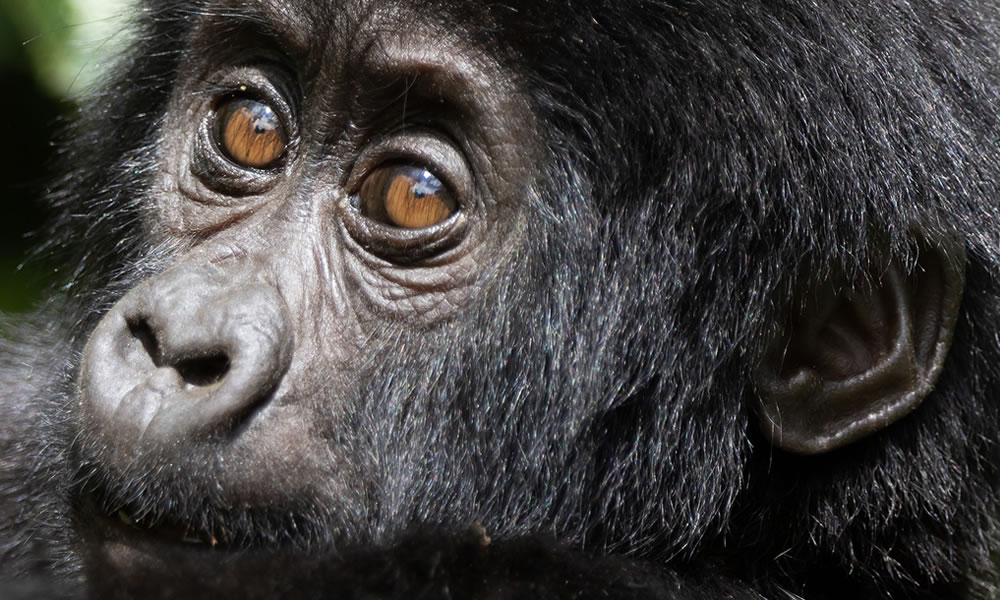
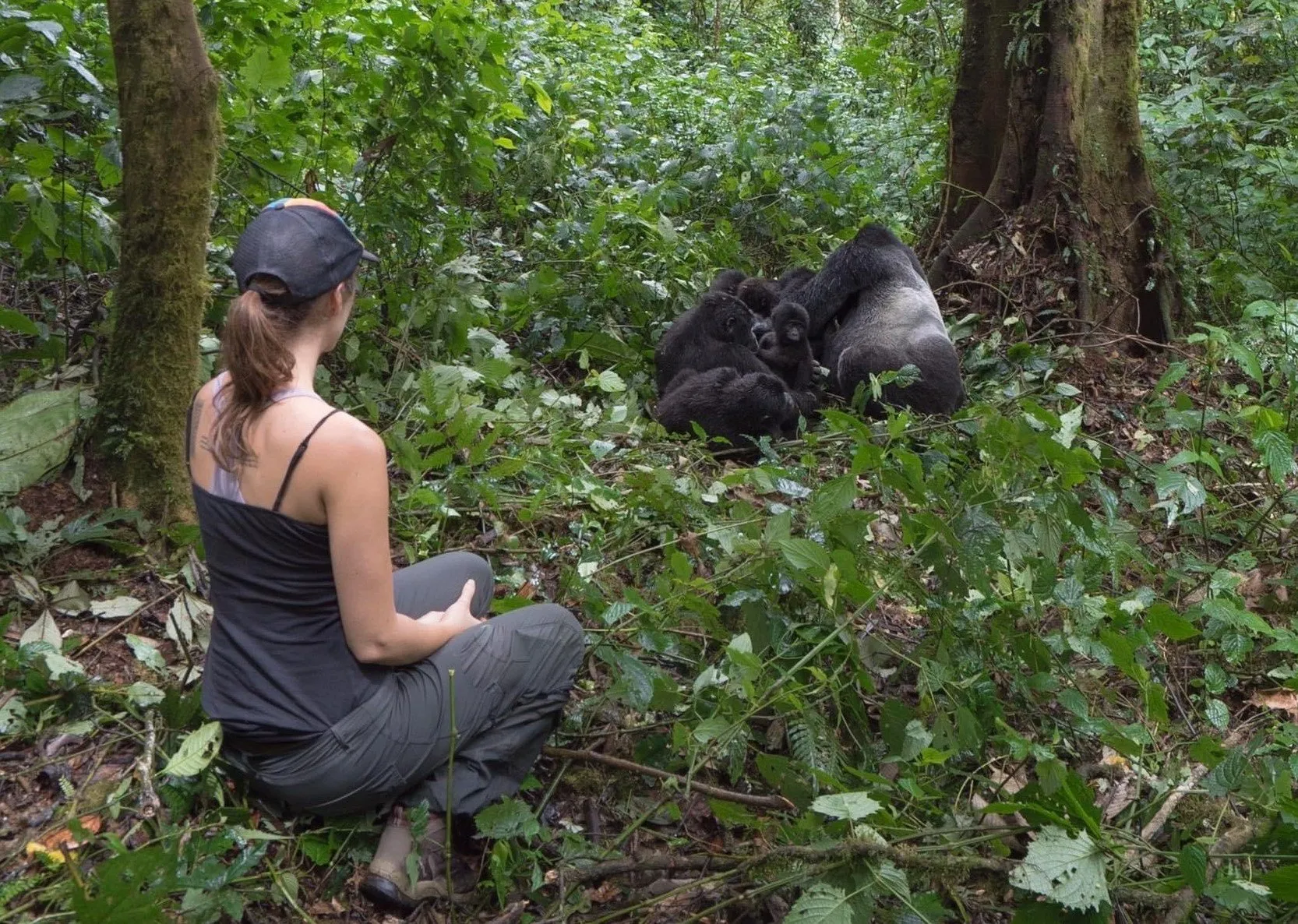
Gorilla Trekking in Uganda is an exciting and rewarding wildlife experience that begins early in the morning at the park headquarters. Visitors gather for registration and a briefing from park rangers before entering the forest. During the briefing, you will learn about trekking rules, gorilla behaviour and what to expect during the search for your assigned gorilla family.
Morning Briefing and Trek Preparation
Before the trek starts, guides and rangers explain important safety instructions and conservation rules. You will also be grouped and assigned to a habituated gorilla family in either Bwindi Impenetrable National Park or Mgahinga Gorilla National Park. At this stage, it is important to have your hiking shoes, drinking water, rain jacket and small backpack ready before you head into the forest.
The Forest Trek
The actual trek can take from one hour to several hours depending on where the gorillas are located that day. The forest trails may be steep, muddy and uneven, especially during the rainy season. Along the way, experienced trackers help guide the group through thick vegetation while sharing information about the forest, wildlife and the movement of the gorillas.
Meeting the Mountain Gorillas
Once the gorilla family is located, visitors are allowed up to one hour with the gorillas. This is the most memorable part of Gorilla Trekking in Uganda, as you watch the gorillas feed, rest, groom each other and move through the forest. You may see silverbacks, mothers with young ones and playful juveniles, all in their natural environment. Visitors are expected to remain calm, keep a respectful distance and follow all ranger instructions.
Physical Challenge and Reward
Gorilla trekking can be physically demanding, but the reward is extraordinary. The walk through the rainforest, the excitement of tracking the gorillas and the final encounter itself make the effort worthwhile. Travellers should be prepared for changing weather conditions and should expect a real nature adventure rather than a simple walk in the park.
After the Trek
After your one hour with the gorillas, you return to the starting point where you may receive a trekking certificate as a memory of your experience. Many travellers then continue to their lodge for lunch and relaxation or combine the trek with other safari experiences in southwestern Uganda. With Fruits of Hope Adventure Tours, your itinerary can be arranged to include transportation, accommodation and personalised safari support.
Plan Your Gorilla Trekking Adventure in Uganda
If you are ready to experience one of Africa’s most unforgettable wildlife encounters, contact Fruits of Hope Adventure Tours for assistance with gorilla permits, safari planning, accommodation and transport arrangements.
ENQUIRE NOWBest Time for Gorilla Trekking in Uganda
The best time for Gorilla Trekking in Uganda is generally during the drier months of June to September and December to February, when forest trails are often easier to navigate. These periods are particularly popular among travellers planning gorilla encounters in Bwindi Impenetrable National Park and Mgahinga Gorilla National Park . Although trekking takes place throughout the year, seasonal weather conditions can influence hiking difficulty and the overall forest experience.
Uganda’s mountain gorillas remain in their natural forest habitats throughout the year, meaning visitors can enjoy rewarding encounters during both dry and rainy seasons. The ideal travel period therefore depends on your preferred weather conditions, physical preparation and flexibility with travel dates.
Generally Drier Months: June to September and December to February. Generally Wetter Months: March to May and October to November. Gorilla trekking is available year-round, subject to permits, park operations and weather conditions.
Best Months for Gorilla Trekking in Uganda
June, July, August and September are among the most popular months for mountain gorilla trekking because rainfall is generally lower and forest paths may be less slippery. December, January and February also offer favourable conditions for visitors interested in combining gorilla encounters with other wildlife experiences across Uganda.
These months are especially attractive to travellers who prefer more comfortable hiking conditions. However, the popularity of the dry seasons means gorilla permits and accommodation can be in high demand, making early booking important.
Gorilla Trekking in Uganda During the Dry Season
The dry season is widely considered a favourable period for Gorilla Trekking in Uganda because forest trails are often firmer and easier to walk. While trekking still involves steep hills, dense vegetation and uneven paths, reduced rainfall can make the experience more comfortable for many visitors.
The generally clearer conditions can also provide excellent opportunities for enjoying the surrounding mountain scenery and photographing the rainforest. Nevertheless, Bwindi and Mgahinga are mountainous forest environments, and rain can occur even during the driest months. Waterproof clothing and suitable hiking boots remain essential.
Gorilla Trekking in Uganda During the Rainy Season
The wetter months, generally March to May and October to November, bring heavier rainfall to southwestern Uganda. During these periods, forest trails can become muddy and slippery, while thick vegetation and wet slopes may make hiking more physically demanding.
Despite these challenges, the rainy season offers its own beautiful experiences. The forests become exceptionally green, waterfalls and streams are often more active, and the landscapes are particularly appealing to nature photographers. Some travellers also appreciate the generally quieter tourism periods, although trekking groups and permit allocations remain regulated.
Visitors travelling during the rainy season should carry waterproof jackets, sturdy hiking boots, gloves and appropriate walking equipment. Hiring a local porter can also provide valuable assistance on difficult forest trails.
Can You Go Gorilla Trekking in Uganda All Year Round?
Yes, Gorilla Trekking in Uganda is generally available throughout the year in Bwindi Impenetrable National Park and Mgahinga Gorilla National Park. Mountain gorillas do not migrate seasonally between these parks, although individual families move within their habitats while feeding and resting.
The trekking experience varies from one day to another depending on weather, terrain and the movements of the assigned gorilla family. Some hikes may be relatively short, while others require several hours of walking. For this reason, selecting a dry-season travel date does not guarantee an easy trek or completely dry weather.
Whether you travel during June, December or the wetter months, good preparation and guidance from experienced park rangers remain important for a safe and memorable experience.
When Should You Book Gorilla Trekking Permits?
Travellers planning Gorilla Trekking in Uganda should arrange their permits as early as possible, particularly when visiting during popular months such as July, August and the December holiday period. Gorilla trekking permits are issued by the Uganda Wildlife Authority for specific dates and locations, with limited daily availability.
Booking several months ahead is a sensible approach when your travel dates are fixed or when you prefer a particular trekking sector. Accommodation and transportation should also be arranged around the confirmed permit location to avoid unnecessary long-distance transfers on trekking day.
With Fruits of Hope Adventure Tours , you can receive assistance with gorilla permit arrangements, selecting suitable accommodation and organising private transportation for your preferred travel dates.
Plan Your Gorilla Trekking Safari in Uganda
Whether you prefer the generally drier months or the beautiful green landscapes of the rainy season, Fruits of Hope Adventure Tours can help you organise an unforgettable mountain gorilla trekking adventure. Let our team assist you with permits, comfortable accommodation and a personalised safari itinerary.
PLAN YOUR GORILLA TREKKING SAFARIWhat to Wear for Gorilla Trekking in Uganda
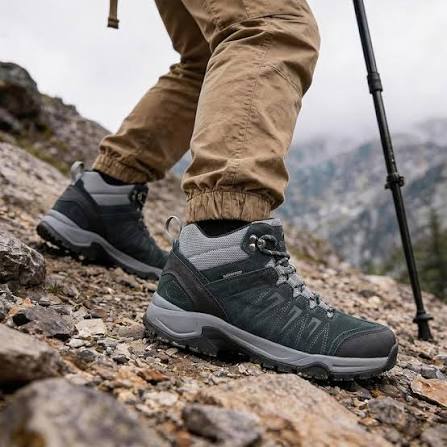
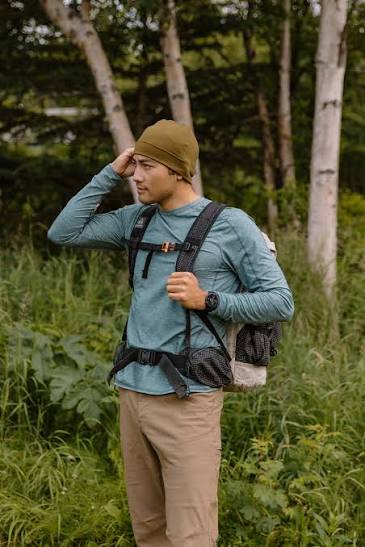
Knowing what to wear for Gorilla Trekking in Uganda is an important part of preparing for a comfortable and memorable mountain gorilla encounter. Trekking through the dense forests of Bwindi Impenetrable National Park and Mgahinga Gorilla National Park involves walking along forest trails, navigating uneven terrain and sometimes moving through thick vegetation. Wearing the right clothing helps protect you from rain, insects, scratches and slippery ground.
Uganda’s mountain forests can experience sudden rainfall and changing temperatures throughout the year. Even during the generally drier months, trails may remain muddy and the vegetation can be wet. Comfortable, breathable clothing and reliable hiking equipment will help you enjoy the experience while concentrating on the excitement of encountering endangered mountain gorillas.
Waterproof Hiking Boots
A strong pair of waterproof hiking boots is one of the most important items for Gorilla Trekking in Uganda. Forest trails can be steep, uneven and slippery, particularly after rainfall. Boots with good ankle support and deep-grip soles help maintain stability while walking through muddy paths, exposed roots and rocky sections.
Choose comfortable boots that have already been worn before your safari. New or poorly fitting footwear can cause blisters during longer treks. Lightweight waterproof hiking boots with reliable traction are generally preferable to ordinary trainers or open shoes.
Long-Sleeved Shirts and Long Trousers
Long-sleeved shirts and full-length trousers are strongly recommended when trekking through Uganda’s mountain forests. They help protect your arms and legs from scratches, insects, nettles and other vegetation encountered along the trails.
Lightweight, breathable and quick-drying fabrics are ideal because forest trekking can involve several hours of walking. Neutral colours such as olive green, brown and grey are practical choices. Tucking your trousers into your socks or wearing gaiters may also help reduce contact with insects and vegetation around your ankles.
Waterproof Jacket and Rain Gear
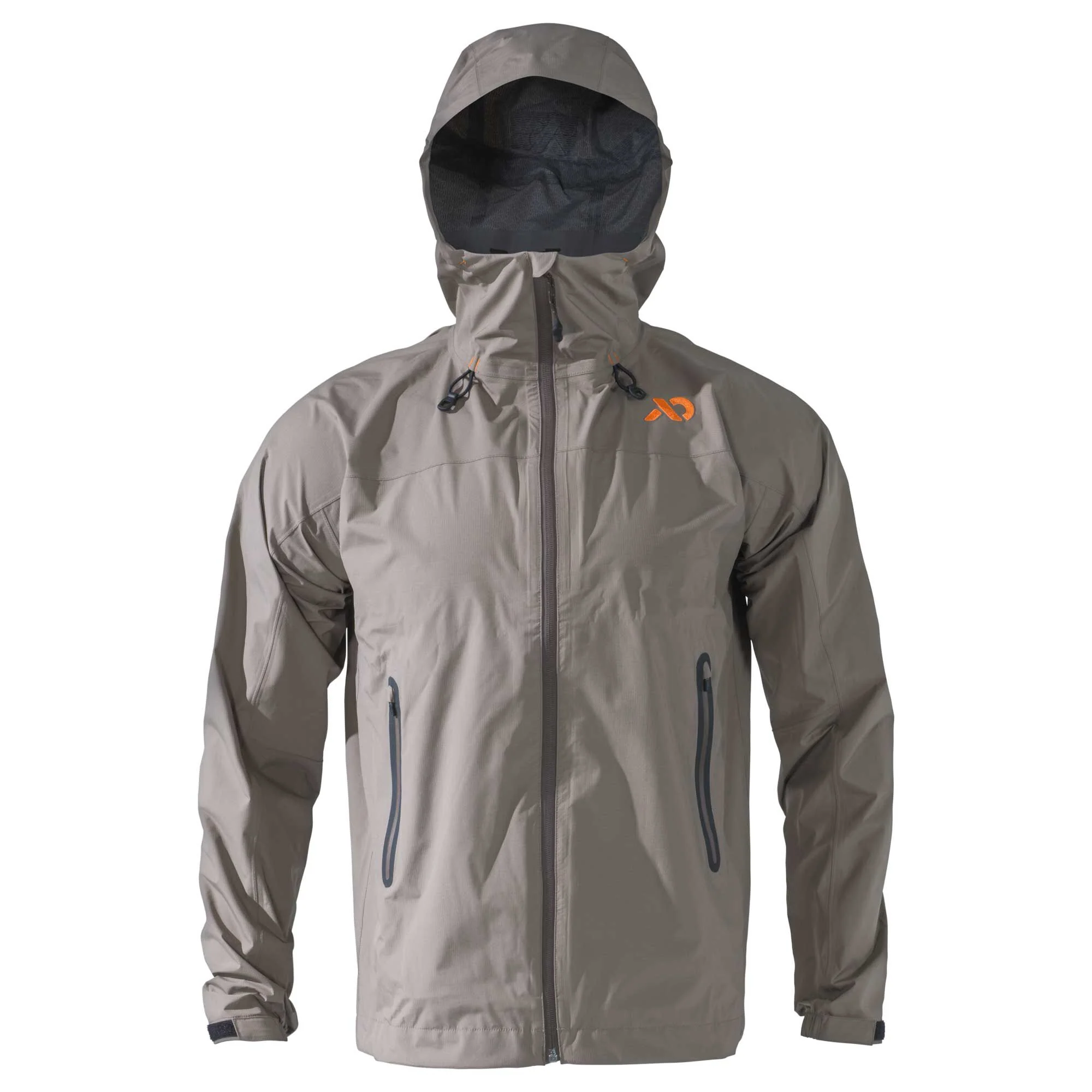
A lightweight waterproof jacket is essential for mountain gorilla trekking because rainfall can occur at any time in southwestern Uganda. A breathable rain jacket with a hood will help keep your clothing dry during sudden showers without adding unnecessary weight to your backpack.
Choose a jacket that is easy to pack and comfortable enough to wear while hiking. A waterproof cover for your backpack is also useful for protecting your camera, personal belongings and spare clothing. Even during sunny mornings, carrying rain protection is a sensible precaution.
Gardening Gloves for Hand Protection
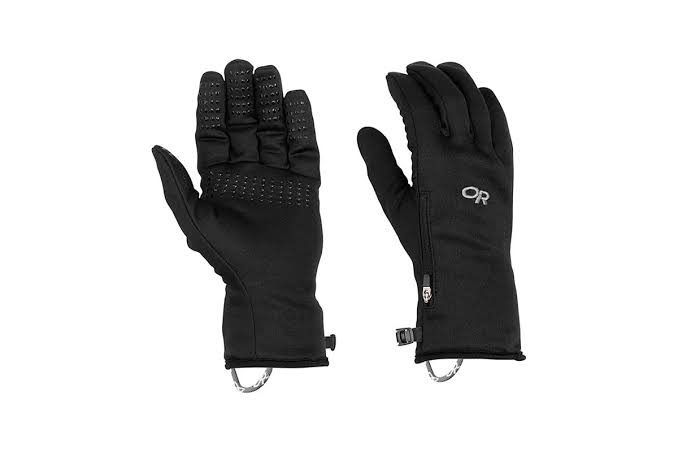
Gardening gloves or other comfortable protective gloves are particularly useful during gorilla trekking. Forest paths may require you to hold branches or use your hands for balance while walking across steep and slippery sections. Gloves help protect against scratches, rough vegetation and stinging nettles.
Lightweight gloves with a firm grip are usually sufficient. They should fit comfortably and allow you to handle your trekking equipment easily. Wearing gloves can make a noticeable difference when navigating dense vegetation.
Comfortable Hiking Socks and Gaiters
Wear comfortable, moisture-wicking hiking socks that provide cushioning inside your boots. Good-quality socks can help reduce friction and keep your feet more comfortable during longer forest walks. Carrying a spare dry pair is also useful.
Gaiters can provide additional protection from mud, moisture and vegetation entering your boots. They are especially practical during wetter months when forest trails may be muddy.
Small Backpack and Essential Trekking Supplies
A small, comfortable daypack allows you to carry drinking water, snacks, a rain jacket, personal medication and other useful items. Choose a lightweight backpack with comfortable shoulder straps and enough room for your essentials without becoming unnecessarily heavy.
Other useful items include insect repellent, sunscreen, a hat and a camera without flash. Trekking poles can also be helpful on steep trails, although you should follow ranger instructions when approaching gorillas. A local porter can assist with carrying your belongings where porter services are available.
Gorilla Trekking Packing Tip: Prioritise waterproof hiking boots, long-sleeved clothing, long trousers, a lightweight rain jacket, protective gloves and a small daypack. Comfortable, practical clothing is more important than heavy or specialised outdoor equipment.
Why Proper Clothing Matters for Gorilla Trekking in Uganda
Proper trekking clothing improves comfort and helps reduce avoidable difficulties during a forest adventure. Because the gorilla families move freely within their habitat, trekking distances and trail conditions vary from one day to another. Being prepared allows you to enjoy the forest experience with greater confidence.
Whether you are visiting Bwindi or Mgahinga, wearing suitable clothing and following the guidance of your park rangers will help you concentrate on the most exciting part of the adventure: spending up to one hour observing mountain gorillas in their natural habitat.
Prepare for Your Gorilla Trekking Safari in Uganda
Planning an unforgettable Gorilla Trekking in Uganda experience? With Fruits of Hope Adventure Tours , you can receive assistance with trekking permits, suitable accommodation, private transportation and practical safari preparation. Let us help you organise a comfortable and memorable mountain gorilla adventure.
PLAN YOUR GORILLA TREKKING SAFARIHow Difficult Is Gorilla Trekking in Uganda?
Gorilla Trekking in Uganda can be moderately challenging, depending on the location of the mountain gorillas, the forest terrain and individual fitness levels. The experience involves walking through dense vegetation, climbing steep slopes and following sometimes muddy forest trails in southwestern Uganda. Although the trek can be physically demanding, many travellers with reasonable fitness successfully complete the activity and enjoy unforgettable encounters with mountain gorillas.
The difficulty varies between Bwindi Impenetrable National Park and Mgahinga Gorilla National Park , as well as between individual gorilla families within the same park. Some trekking routes may involve shorter walks, while others require several hours of hiking through mountainous rainforest. Proper preparation and experienced park guides make the adventure more manageable and enjoyable.
Gorilla Trekking Difficulty: Moderate to challenging, depending on terrain. Typical Trekking Duration: Approximately 2–7 hours, although individual treks may be shorter or longer. Fitness Requirement: Reasonable walking fitness is recommended. Gorilla Viewing Time: Up to one hour after locating the gorilla family.
How Long Does Gorilla Trekking in Uganda Take?
The duration of Gorilla Trekking in Uganda depends largely on where the assigned gorilla family is located on the day of your visit. Mountain gorillas move freely through the forest while searching for food and suitable resting areas, meaning their location changes regularly.
Some visitors may encounter gorillas relatively close to the starting point, while others must walk for several hours before reaching their assigned family. The activity may take approximately two to seven hours, including the forest walk and gorilla encounter, although longer experiences are possible. Once the gorillas are located, visitors are allowed up to one hour observing them before returning along the forest trails with their guides.
Forest Terrain and Hiking Conditions
Uganda’s mountain gorilla habitats are characterised by steep valleys, thick forest vegetation, uneven ground and mountainous landscapes. In Bwindi Impenetrable National Park, trekkers often follow narrow forest paths before moving through denser vegetation with the assistance of experienced trackers.
Mgahinga Gorilla National Park offers a different environment, with bamboo forests and volcanic mountain slopes forming part of the trekking landscape. Both destinations can present physically demanding conditions, especially after rainfall when trails become slippery. Wearing waterproof hiking boots, long trousers and protective gloves helps make the experience more comfortable.
How Fit Do You Need to Be for Gorilla Trekking in Uganda?
You do not need to be a professional athlete to enjoy Gorilla Trekking in Uganda, but reasonable physical fitness is important. Travellers should be comfortable walking for extended periods, climbing hills and navigating uneven ground. The activity requires patience and endurance rather than speed, as the trekking group follows the pace established by the park guides.
If you are not accustomed to regular walking or hiking, preparing several weeks before your trip can be helpful. Activities such as brisk walking, gentle hill climbing and regular exercise can improve endurance and confidence on forest trails. Travellers with significant health or mobility concerns should seek appropriate medical advice and discuss their needs before booking.
Is Gorilla Trekking in Uganda Suitable for Beginners?
Yes, beginners can enjoy gorilla trekking in Uganda if they are reasonably fit and prepared for the forest environment. Many first-time trekkers successfully complete the experience without previous mountain hiking experience. However, visitors should understand that this is an outdoor wilderness activity rather than a leisurely walk on a maintained nature trail.
Park rangers provide guidance throughout the trek and explain important procedures before entering the forest. Travellers who prefer a less demanding experience should communicate their fitness levels during the morning briefing. Rangers may consider physical ability when assigning trekking groups, although the location of gorillas cannot be controlled and an easier trek cannot be guaranteed.
Can Senior Travellers Manage Gorilla Trekking in Uganda?
Senior travellers can participate in Gorilla Trekking in Uganda provided they meet the activity’s physical and health requirements. There is no general maximum age limit, and many older visitors enjoy memorable mountain gorilla encounters in Bwindi and Mgahinga.
For those who require additional assistance, local porters can help carry backpacks and provide support on difficult sections of the trail. Specialised carrying-chair arrangements may also be available for travellers with significant mobility limitations, subject to advance confirmation and additional arrangements.
Older travellers should communicate their mobility needs before the safari so that appropriate transportation, accommodation and trekking support can be discussed in advance. No particular trekking duration or easy route can be guaranteed.
Hiring a Porter During Gorilla Trekking in Uganda
Hiring a local porter is a practical way to make gorilla trekking more comfortable. Porters can assist with carrying drinking water, cameras, rain jackets and other personal belongings, allowing visitors to concentrate on walking safely through the forest.
Porters may also provide a helping hand when navigating challenging slopes and uneven ground. Their services are particularly useful for travellers who prefer not to carry heavy bags or who require additional assistance on the trail.
Porter services also provide employment opportunities for people living near Uganda’s gorilla conservation areas. Hiring local assistance is therefore a meaningful way to support neighbouring communities while improving your trekking experience.
How to Prepare for a Gorilla Trekking Adventure
Good preparation can make Gorilla Trekking in Uganda more comfortable and rewarding. Before travelling, build your walking endurance, choose suitable waterproof hiking boots and pack lightweight clothing that protects your arms and legs. A rain jacket, gardening gloves and comfortable hiking socks are particularly useful.
On trekking day, carry sufficient drinking water, suitable snacks and essential personal medication. Follow the instructions given by park rangers and take reasonable breaks when necessary. The most important consideration is to approach the experience with realistic expectations about the forest environment and the unpredictable movements of mountain gorillas.
Is Gorilla Trekking Easier in Bwindi or Mgahinga?
Both Bwindi and Mgahinga offer remarkable mountain gorilla encounters, but their trekking landscapes are different. Bwindi features dense rainforest, steep ridges and several gorilla trekking sectors, including Buhoma, Ruhija, Rushaga and Nkuringo.
Mgahinga offers volcanic slopes, bamboo vegetation and beautiful views of the Virunga Mountains. However, neither park can guarantee an easy trek. The difficulty ultimately depends on the location of the assigned gorilla family, weather conditions and each traveller’s physical ability.
With Fruits of Hope Adventure Tours , you can discuss your preferred trekking destination and mobility requirements before confirming your safari itinerary.
Plan a Comfortable Gorilla Trekking Safari in Uganda
Whether you are an experienced hiker, a first-time trekker or a senior traveller, Fruits of Hope Adventure Tours can help you plan a suitable mountain gorilla adventure. Our team can assist with trekking permits, accommodation, private transportation and special trekking arrangements where available.
PLAN YOUR GORILLA TREKKING SAFARIGorilla Trekking in Uganda Rules and Regulations
Understanding the Gorilla Trekking in Uganda rules and regulations is essential for protecting endangered mountain gorillas and ensuring a safe, respectful wildlife experience. The Uganda Wildlife Authority has established specific guidelines governing mountain gorilla encounters in Bwindi Impenetrable National Park and Mgahinga Gorilla National Park . These regulations help minimise disturbance, protect gorillas from human diseases and preserve their natural forest environment.
Before entering the forest, every visitor attends a briefing conducted by authorised park rangers. During this session, you will learn how to behave around gorillas, maintain a safe viewing distance and respond to instructions. Following these rules throughout your trek is an important part of responsible wildlife tourism.
Important Gorilla Trekking Rules: Visitors must be at least 15 years old, keep a minimum distance of 10 metres from the gorillas, avoid flash photography and spend no more than one hour with an assigned gorilla family. A maximum of eight tourists may visit a gorilla family during a standard trekking encounter.
Maintain a Safe Distance from Mountain Gorillas
Visitors participating in Gorilla Trekking in Uganda must maintain a minimum distance of 10 metres from mountain gorillas. This important rule reduces the risk of transmitting infectious diseases and helps prevent unnecessary disturbance to the animals.
Although gorillas sometimes move closer to visitors, you should never deliberately approach or attempt to touch them. If a gorilla comes towards you, remain calm and follow the instructions of your ranger. The safety of the gorillas and visitors must always take priority over photographs.
Observe the One-Hour Gorilla Viewing Limit
Once your trekking group reaches a habituated gorilla family, you are allowed up to one hour observing the animals. This period provides an extraordinary opportunity to watch gorillas feeding, resting, grooming and interacting naturally within their forest habitat.
The one-hour limit is designed to reduce prolonged human presence and minimise stress on the gorillas. Your ranger will inform the group when the observation period has ended and guide you away from the family.
Maximum Eight Visitors per Gorilla Family
Uganda Wildlife Authority limits standard gorilla trekking visits to a maximum of eight tourists per habituated gorilla family. This restriction helps control the number of people approaching mountain gorillas each day, reducing disturbance and supporting responsible tourism.
Travellers should understand that private safari transportation does not automatically mean a private gorilla trekking group. Park authorities organise trekking groups according to the daily permit allocation, park conditions and other operational considerations.
Minimum Age for Gorilla Trekking in Uganda
The minimum age for Gorilla Trekking in Uganda is 15 years. This requirement applies to visitors trekking in both Bwindi and Mgahinga Gorilla National Parks. Travellers should provide accurate personal details when obtaining their permits and carry acceptable identification.
The age restriction reflects the physical challenges of forest trekking and the need for visitors to follow conservation instructions consistently. Families with younger children should arrange alternative age-appropriate activities during the trekking excursion.
Do Not Visit Mountain Gorillas When You Are Sick
Mountain gorillas are particularly vulnerable to several human infectious diseases, including respiratory infections. Visitors experiencing symptoms of a cold, flu or another contagious illness must inform the park authorities and should not participate in the gorilla encounter.
If you need to cough or sneeze while trekking, cover your nose and mouth and turn away from the gorillas. Follow all current park health instructions, including wearing a face mask whenever required by the rangers. These precautions are essential for protecting endangered mountain gorilla populations.
Avoid Flash Photography During Gorilla Trekking
Photography is permitted during mountain gorilla trekking, but flash photography is strictly prohibited. Sudden flashes of light may disturb gorillas and interfere with their natural behaviour.
Before approaching the assigned gorilla family, ensure that your camera or smartphone flash is switched off. Take photographs quietly, avoid sudden movements and never move closer than the permitted distance simply to capture a better image.
Remain Calm and Follow Park Ranger Instructions
Mountain gorillas are wild animals, even when they are accustomed to carefully managed human visits. Travellers must remain calm, avoid loud conversations and follow the directions provided by their park rangers.
Visitors should not imitate gorilla vocalisations, attempt to attract their attention or make sudden movements. If a gorilla displays signs of agitation, follow the ranger’s instructions immediately. Never run towards or away from a gorilla without direction from the ranger.
Do Not Eat, Drink or Smoke Near Mountain Gorillas
Eating, drinking and smoking are prohibited during the gorilla tracking encounter. Food particles, discarded materials and close contact with human belongings can create unnecessary risks for the animals.
Visitors may carry drinking water and packed snacks for the forest hike, but should consume them only when and where the park rangers permit. Keep food and personal belongings securely stored while observing gorillas.
Protect the Forest and Avoid Littering
Protecting the mountain gorillas’ natural habitat is an important responsibility for every visitor. Do not leave plastic bottles, food wrappers or other waste along forest trails. All rubbish should be carried back to the designated disposal areas.
Visitors must also avoid damaging vegetation, picking plants or disturbing other wildlife. If you need to use the toilet during the trek, inform your ranger so the appropriate waste disposal procedure can be followed safely.
Attend the Morning Briefing and Carry a Valid Permit
Every participant must have a valid gorilla trekking permit for the confirmed date and designated trekking location. Visitors should arrive at the assigned park headquarters in time for registration and the mandatory briefing.
During the briefing, park authorities explain the trekking procedures, safety guidelines and group assignments. Your ranger will accompany you throughout the activity and help ensure that all visitors follow the park regulations.
Why Gorilla Trekking Rules Are Important for Conservation
The regulations governing Gorilla Trekking in Uganda are essential for the long-term protection of mountain gorillas. By controlling visitor numbers, limiting observation time and maintaining appropriate health precautions, responsible tourism helps reduce the impact of human activities on gorilla populations.
Gorilla trekking also contributes to conservation initiatives and creates employment for guides, trackers, porters and neighbouring communities. By respecting park rules, travellers support the continued protection of these remarkable animals and their forest habitats.
Plan a Responsible Gorilla Trekking Safari in Uganda
Experience the beauty of Uganda’s mountain gorillas with Fruits of Hope Adventure Tours . Our team can assist with trekking permits, suitable accommodation, private transportation and practical advice to help you prepare for an unforgettable gorilla trekking adventure.
PLAN YOUR GORILLA TREKKING SAFARIHow to Get to Gorilla Trekking Destinations in Uganda
Travelling to Uganda’s mountain gorilla trekking destinations is possible by domestic flight or private road transfer. Both Bwindi Impenetrable National Park and Mgahinga Gorilla National Park are located in southwestern Uganda. The most suitable transport option depends on your departure location, travel schedule, preferred comfort and confirmed trekking sector.
Getting to Gorilla Trekking in Uganda by Flight
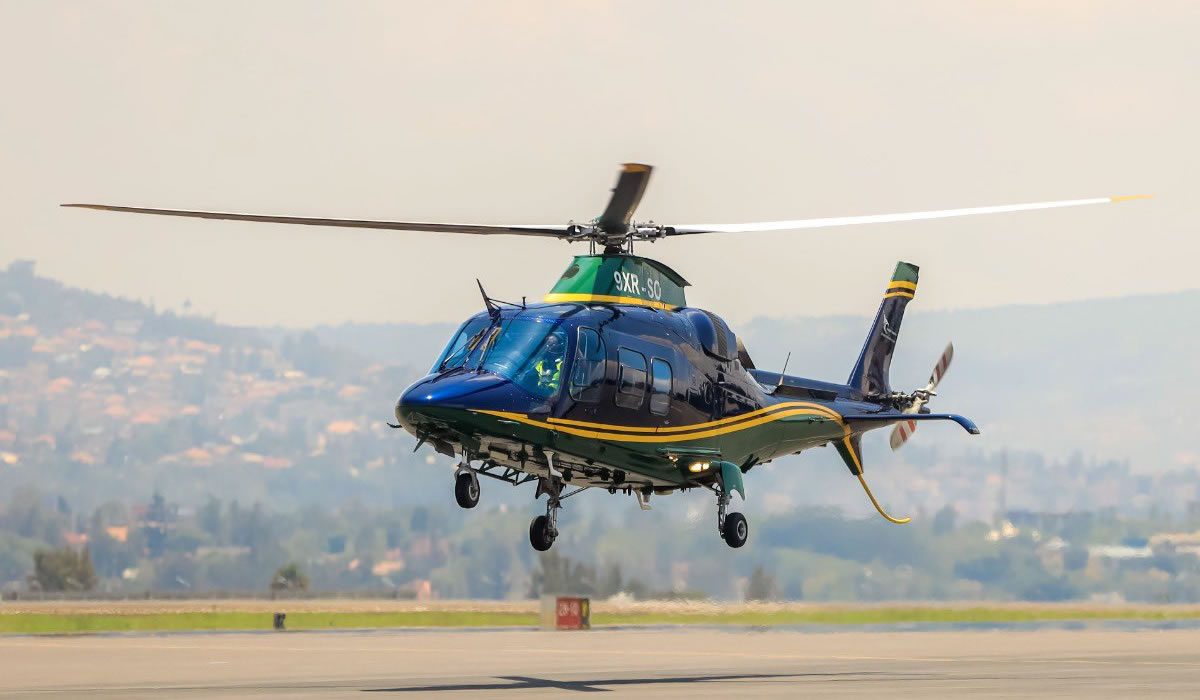
Flying is a convenient option for travellers who want to reduce long road transfers. Scheduled domestic flights operate from Entebbe to Kihihi and Kisoro airstrips, depending on the flight schedule and seat availability. The flight usually takes approximately one to one and a half hours.
Kihihi Airstrip is commonly used for the northern trekking sectors of Bwindi, particularly Buhoma. Kisoro Airstrip provides convenient access to Rushaga, Nkuringo and Mgahinga Gorilla National Park. An additional private road transfer takes you from the airstrip to your selected lodge.
Private aircraft charters may also be arranged, subject to availability and suitable landing arrangements. Helicopter flights require separate confirmation and should not be assumed to be part of standard domestic flight services.
ENQUIRE ABOUT FLY-IN GORILLA SAFARIS
Getting to Gorilla Trekking in Uganda by Road
Road travel is a popular way to reach Bwindi and Mgahinga while enjoying Uganda’s beautiful countryside. From Entebbe or Kampala, the journey normally takes approximately eight to ten hours or longer, depending on your destination, traffic and road conditions.
Travellers arriving through Kigali, Rwanda, can also reach Uganda’s southern gorilla trekking destinations by road, crossing through the appropriate border point. The journey commonly takes around four to six hours for southern Bwindi, depending on the route and immigration procedures. Other sectors may take longer.
A comfortable private 4×4 safari vehicle is recommended because the final approach roads can be steep or muddy, particularly during the rainy season. Road journeys also allow you to combine gorilla trekking with scenic stops and other wildlife destinations.
ENQUIRE ABOUT ROAD GORILLA SAFARISTravel Planning Tip: Confirm your gorilla trekking permit and sector before arranging transport. With Fruits of Hope Adventure Tours , you can organise domestic flights, private 4×4 transfers, accommodation and convenient travel connections according to your safari itinerary.
Frequently Asked Questions About Gorilla Trekking in Uganda
1. Where can I go gorilla trekking in Uganda?
Gorilla Trekking in Uganda takes place in Bwindi Impenetrable National Park and Mgahinga Gorilla National Park , both located in southwestern Uganda.
2. How much does gorilla trekking in Uganda cost?
Permit prices depend on your residency category and applicable Uganda Wildlife Authority tariffs. The permit fee is separate from accommodation, transportation and other safari services.
3. What is the minimum age for gorilla trekking in Uganda?
The minimum age for Gorilla Trekking in Uganda is 15 years. This requirement applies to both Bwindi and Mgahinga Gorilla National Parks.
4. How long does gorilla trekking in Uganda take?
Gorilla trekking typically takes approximately 2–7 hours, although durations vary depending on the gorillas’ location, forest conditions and trekking routes.
5. How much time can visitors spend with mountain gorillas?
Visitors are allowed up to one hour observing a habituated mountain gorilla family after it has been located.
6. What is the best time for gorilla trekking in Uganda?
The generally drier months of June to September and December to February are popular, although gorilla trekking is available throughout the year.
7. How difficult is gorilla trekking in Uganda?
Gorilla trekking can be moderately challenging because of steep slopes, muddy paths and uneven forest terrain. Reasonable physical fitness is recommended.
8. Are mountain gorilla sightings guaranteed in Uganda?
Gorilla sightings are highly likely during authorised treks, but they cannot be guaranteed because mountain gorillas move freely in their natural habitat.
9. What should I wear for gorilla trekking in Uganda?
Wear waterproof hiking boots, long trousers, a long-sleeved shirt and protective gloves. Carry a lightweight rain jacket and a small backpack with drinking water.
10. Can senior travellers go gorilla trekking in Uganda?
Yes. There is no general maximum age limit. Porters and specialised mobility assistance may be arranged where available, depending on individual requirements.
11. How close can visitors get to mountain gorillas?
Visitors must maintain a minimum distance of 10 metres from mountain gorillas and follow ranger instructions throughout the encounter.
12. Is photography allowed during gorilla trekking?
Yes. Visitors can photograph mountain gorillas, but flash photography is prohibited. Always remain calm and respect the required viewing distance.
13. Can I go gorilla trekking in Uganda when I am sick?
No. Visitors with contagious illnesses, including respiratory infections, should not trek because mountain gorillas are vulnerable to human diseases.
14. Can I fly to Bwindi or Mgahinga Gorilla National Park?
Yes. Domestic flights from Entebbe to Kihihi or Kisoro airstrips can reduce travelling time, followed by a road transfer to your lodge or trekking location.
15. Can I visit Uganda’s mountain gorillas from Kigali?
Yes. Travellers arriving in Kigali, Rwanda, can reach southwestern Uganda by road, subject to border requirements. This is a popular option for shorter gorilla trekking safaris.
16. How do I book a gorilla trekking safari in Uganda?
Contact Fruits of Hope Adventure Tours with your preferred dates and number of travellers for assistance with gorilla permits, accommodation and private safari transportation.