Gorilla Trekking vs Chimpanzee Tracking is one of the most important comparisons for travellers planning a primate safari in Uganda or Rwanda. Both activities offer extraordinary opportunities to observe endangered great apes in their natural forest habitats, but the experiences differ in animal behaviour, hiking difficulty, permit costs, viewing conditions and overall atmosphere. Gorilla trekking introduces visitors to the remarkable world of mountain gorillas, while chimpanzee tracking provides exciting encounters with energetic, highly intelligent primates that move through the forest canopy and communicate through distinctive calls.
For travellers visiting East Africa, understanding Gorilla Trekking vs Chimpanzee Tracking helps determine which wildlife experience best suits their interests, available time, physical fitness and travel expectations. Mountain gorillas can be encountered in Bwindi Impenetrable National Park, Mgahinga Gorilla National Park and Rwanda’s Volcanoes National Park. Chimpanzee tracking is especially popular in Uganda’s Kibale Forest National Park and Nyungwe Forest National Park in Rwanda.
While visitors sometimes choose between these two remarkable activities, combining both can create an exceptionally rewarding African safari. Through carefully organised Uganda safari experiences and Rwanda safari packages, travellers can discover the contrasting behaviours of mountain gorillas and chimpanzees while exploring some of Africa’s most beautiful tropical forests.
Gorilla Trekking vs Chimpanzee Tracking: Quick Comparison
| Comparison | Gorilla Trekking | Chimpanzee Tracking |
|---|---|---|
| Main wildlife | Mountain gorillas | Chimpanzees |
| Experience | Observing a gorilla family | Tracking an active chimpanzee community |
| Wildlife behaviour | Often calm, feeding and resting | Frequently active, climbing and calling |
| Forest environment | Mountain forests and volcanic landscapes | Tropical rainforests |
| Hiking difficulty | Moderate to challenging; sometimes strenuous | Easy to challenging, depending on terrain and chimpanzee movements |
| Standard viewing time | Up to one hour after locating gorillas | Usually up to one hour after locating chimpanzees |
| Uganda destinations | Bwindi and Mgahinga | Kibale and other designated habitats |
| Rwanda destinations | Volcanoes National Park | Nyungwe National Park |
| Photography | Often good opportunities when gorillas are visible | Can be challenging when chimpanzees move through trees |
| Uganda minimum age | 15 years | 12 years |
| Rwanda minimum age | 15 years | 15 years in Nyungwe |
| Best suited for | Travellers seeking close observation of gorilla families | Travellers interested in active primate behaviour |
| Combining both | Possible on a Uganda or Rwanda safari | Possible on a Uganda or Rwanda safari |
The Gorilla Trekking vs Chimpanzee Tracking comparison demonstrates that neither activity is universally better. Both provide distinctive wildlife encounters, and the best choice depends on the experience a traveller wants.
What Is Gorilla Trekking?
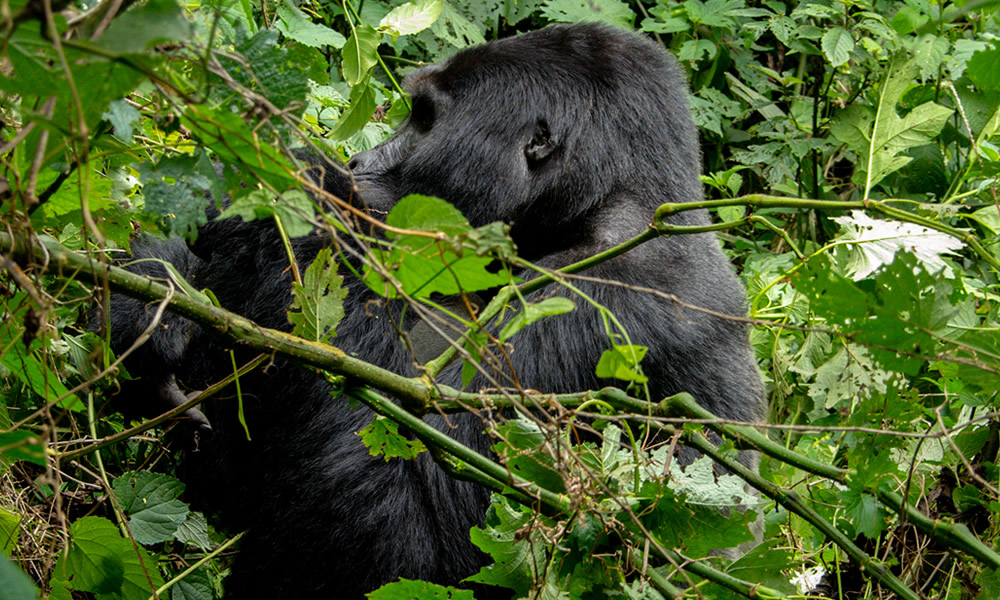

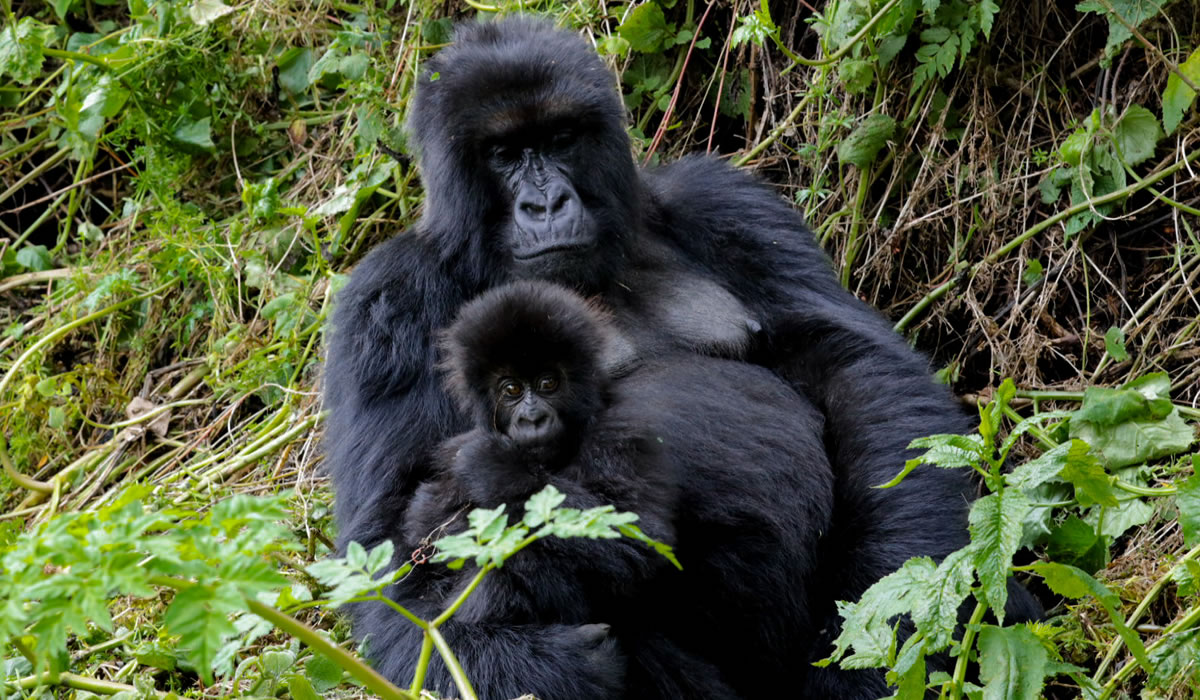
Gorilla trekking is a guided wildlife activity that involves walking through protected mountain forests to locate a habituated gorilla family. Habituation means that the gorillas have gradually become accustomed to the presence of humans under carefully managed conservation programmes, allowing authorised visitors to observe them without significantly disturbing their natural routines.
During gorilla trekking, visitors begin with a briefing by park rangers, who explain the regulations, safety requirements and expected behaviour around the gorillas. Participants are then assigned a gorilla family and guided into the forest by experienced trackers and rangers.
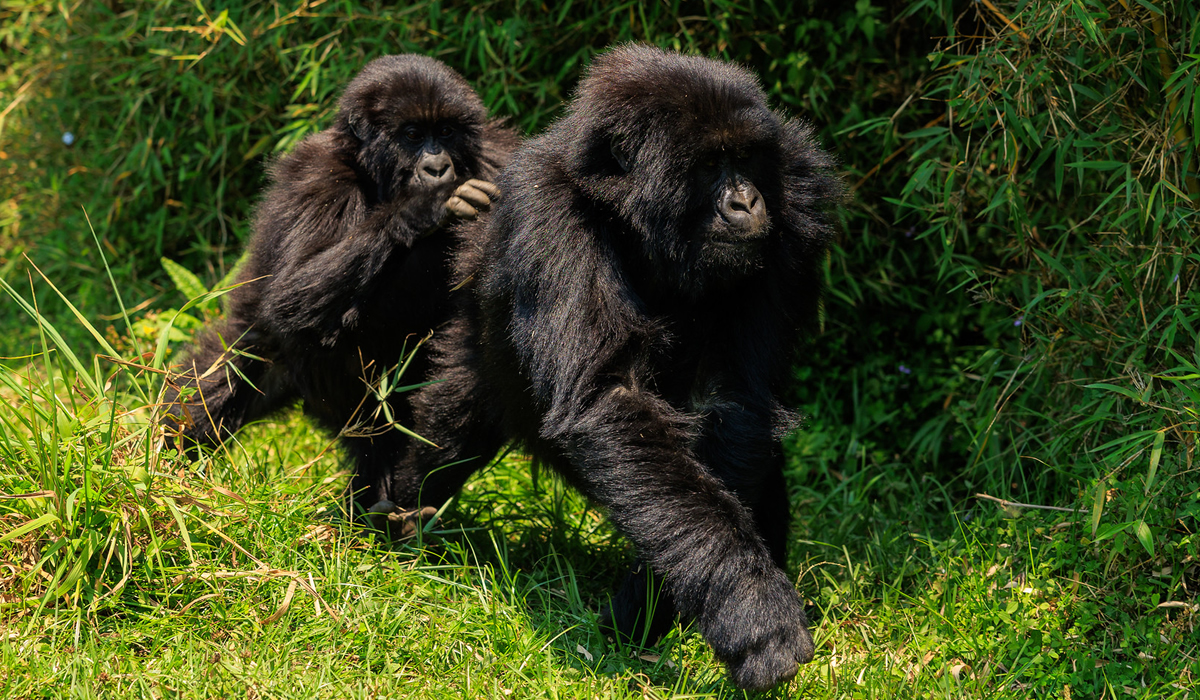
Once the family is located, visitors are generally permitted to spend up to one hour observing the animals. This is an unforgettable opportunity to see powerful silverbacks, protective mothers, playful juveniles and younger gorillas interacting naturally.
In the Gorilla Trekking vs Chimpanzee Tracking comparison, the peaceful atmosphere of many gorilla encounters is one of the defining characteristics. Visitors may watch a silverback resting beside his family, infants playing among vegetation or gorillas quietly feeding on forest plants.
Travellers can experience these encounters through gorilla trekking in Bwindi Impenetrable National Park or guided excursions to Volcanoes National Park in Rwanda.
What Is Chimpanzee Tracking?
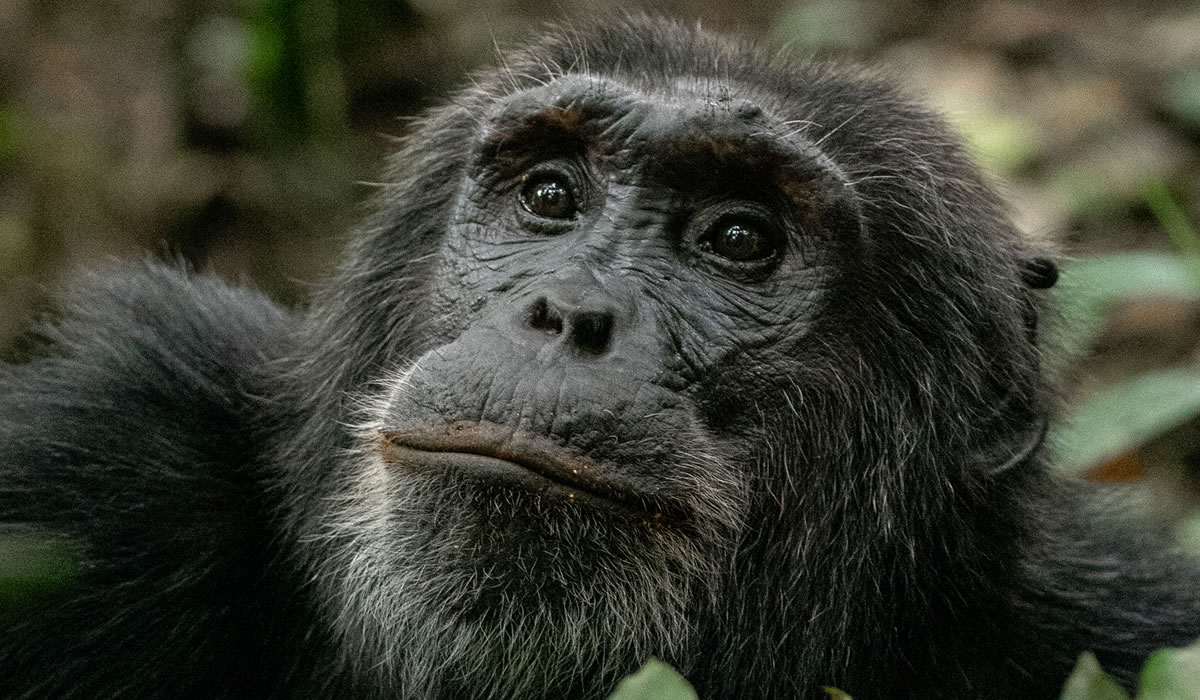

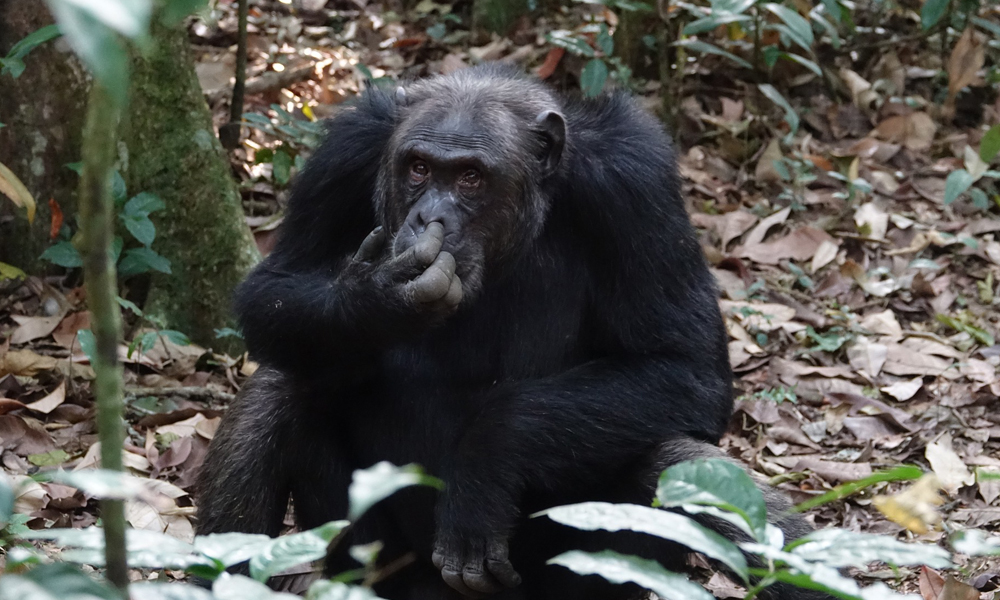
Chimpanzee tracking is a guided forest experience in which visitors walk with trained rangers to locate a habituated community of wild chimpanzees. Unlike gorillas, chimpanzees are often highly mobile, travelling between feeding areas, climbing trees and communicating across considerable distances.
The tracking experience usually begins with a forest briefing, after which visitors follow established trails and ranger instructions while searching for the chimpanzees. Their distinctive vocalisations can often be heard before the animals are visible.
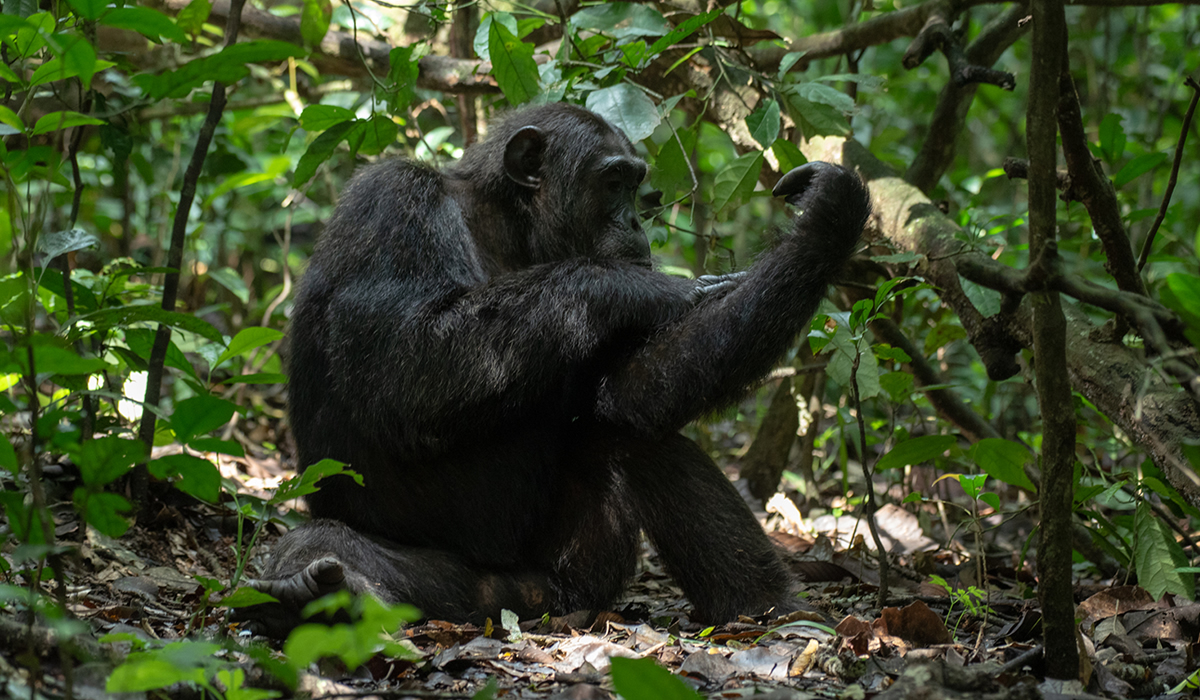
Once located, chimpanzees may be seen feeding, grooming, resting, climbing, playing or interacting with other community members. Some encounters involve observing chimpanzees high in the trees, while others offer opportunities to see them moving across the forest floor.
When considering Gorilla Trekking vs Chimpanzee Tracking, chimpanzee tracking is particularly attractive to visitors interested in animal intelligence, communication, tool use and complex social behaviour.
Uganda’s Kibale Forest National Park is one of the best-known destinations for this activity. Travellers can explore the 3 Days Kibale Chimpanzee Tracking Tour, which combines forest tracking with additional nature experiences.
In Rwanda, chimpanzee encounters are available through guided excursions in Nyungwe Forest National Park.
Gorilla Trekking vs Chimpanzee Tracking: Differences in the Wildlife Encounter
The atmosphere of each encounter is one of the main differences between gorilla trekking and chimpanzee tracking.
Gorilla Trekking – A Peaceful Family Encounter
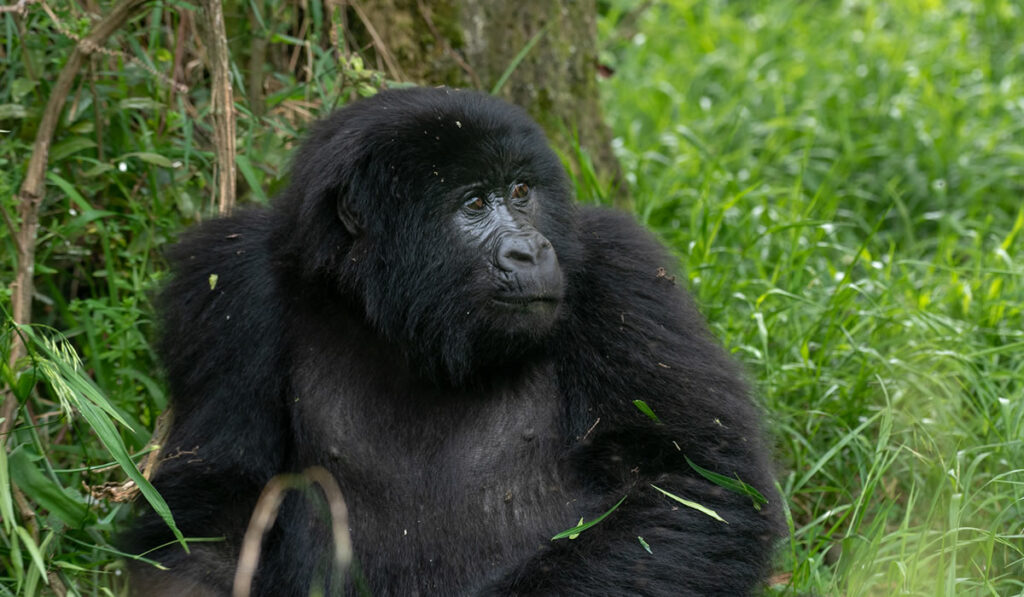
Mountain gorillas often spend substantial periods feeding, resting and interacting within their family groups. This can create a calm and intimate wildlife experience, particularly when visitors encounter a family resting or feeding in an accessible clearing.
Silverbacks are among the most impressive animals to observe because of their enormous size, muscular build and role in protecting their families. Young gorillas may play together, climb vegetation or remain close to their mothers.
Although gorilla encounters are sometimes relatively calm, the animals remain wild and may move suddenly. Visitors must follow ranger instructions throughout the experience.
Chimpanzee Tracking – An Active Forest Adventure
Chimpanzees can be much more active during wildlife encounters. Visitors may see them climbing, calling, searching for food and moving between different parts of the forest.
Their social behaviour is particularly fascinating because chimpanzee communities have complicated relationships involving cooperation, grooming, competition and changing group associations.
Some chimpanzees may remain in trees for extended periods, making binoculars and a camera with a suitable zoom lens useful.
The Gorilla Trekking vs Chimpanzee Tracking experience therefore differs considerably in movement, sound and observation style. Gorillas can provide extended opportunities to observe family interactions, while chimpanzees may offer energetic encounters filled with vocal communication and rapid movement.
Which Is Bigger and Stronger: Gorillas or Chimpanzees?
Gorillas are the largest living primates and are considerably heavier than chimpanzees. Adult male gorillas commonly weigh approximately 140–200 kilograms, although body size varies according to subspecies and individual characteristics.
Their broad shoulders, muscular arms, powerful jaws and large bodies make them physically impressive animals. Adult silverbacks play important protective roles within gorilla families and may use chest beating, postures and vocalisations during social displays.
Chimpanzees are smaller, with adult males commonly weighing approximately 40–60 kilograms. However, they are extremely strong relative to their body size and are especially agile when climbing trees and moving through forest environments.
When examining Gorilla Trekking vs Chimpanzee Tracking, these physical differences help explain why the animals behave and move differently during encounters. Gorillas often remain on the forest floor, while chimpanzees frequently use the trees and surrounding vegetation.
Both are wild animals that deserve respect, and neither should be approached outside authorised wildlife activities.
Gorilla Intelligence vs Chimpanzee Intelligence
Gorillas and chimpanzees are among the most intelligent animals on Earth. Both demonstrate memory, emotional responses, learning abilities and complex communication systems.
Chimpanzees are particularly well known for using tools. Some populations use sticks to collect termites, leaves to obtain water and other objects to access food. These skills can be learned socially and passed between individuals.
Gorillas also demonstrate sophisticated intelligence, including problem-solving, communication and strong social relationships. Wild gorillas have occasionally been observed using objects as tools, while captive gorillas have demonstrated various learning abilities.
In the Gorilla Trekking vs Chimpanzee Tracking comparison, both species offer opportunities to observe intelligence in natural settings. Chimpanzee tracking is often especially rewarding for visitors interested in complex social activity, while gorilla trekking provides excellent opportunities to observe family relationships and protective behaviour.
There is no simple scientific basis for declaring either species universally more intelligent because different forms of intelligence involve different abilities.
Gorilla Trekking vs Chimpanzee Tracking: Which Is More Difficult?
The physical difficulty of a primate safari depends on the park, forest conditions, weather, terrain and location of the animals.
Gorilla Trekking Difficulty
Mountain gorilla trekking can involve steep slopes, thick vegetation, slippery paths and uneven forest terrain. Trekking duration varies because gorilla families move freely through protected habitats.
Some gorilla families may be reached after a relatively manageable walk, while others require several hours of hiking. The final approach can also involve walking away from established trails.
Visitors should have reasonable mobility, comfortable hiking boots and suitable outdoor clothing. Porter assistance may be available at certain trekking locations.
Chimpanzee Tracking Difficulty
Chimpanzee tracking also requires walking through forest environments, although conditions vary significantly between destinations.
In Kibale Forest National Park, visitors may encounter relatively established forest trails, but the location of chimpanzees can require additional walking. In Nyungwe, steep and uneven terrain may make some tracking experiences physically demanding.
Chimpanzees can move quickly, sometimes requiring visitors to adjust their route with the guidance of rangers.
When comparing Gorilla Trekking vs Chimpanzee Tracking, neither activity should automatically be described as easy. Gorilla trekking can involve more demanding mountain terrain, but chimpanzee tracking can also be strenuous depending on the forest and the animals’ movements.
Travellers with mobility concerns should discuss their requirements before booking.
Gorilla Trekking vs Chimpanzee Tracking: Permit Costs in Uganda and Rwanda
Permit costs are an important consideration for travellers choosing between the two experiences. These are government or park-authorised wildlife activity fees, separate from safari accommodation, transport and other travel expenses.
Uganda Gorilla Trekking Permit Costs
Uganda’s standard gorilla trekking permit for foreign non-residents is USD 800 per person. This applies to authorised gorilla trekking in Bwindi Impenetrable National Park and Mgahinga Gorilla National Park.
The Uganda Wildlife Authority has also introduced discounted low-season rates for eligible foreign non-resident visitors during April, May and November. These permits are subject to specific conditions, including restrictions on rescheduling.
Uganda Chimpanzee Tracking Permit Costs
For Kibale National Park, the standard foreign non-resident chimpanzee tracking permit is USD 250 for activities undertaken before the revised tariff takes effect.
Beginning 1 January 2027, the published standard foreign non-resident rate increases to USD 300 per person.
Eligible low-season chimpanzee tracking permits may be available at different rates, subject to Uganda Wildlife Authority conditions.
Rwanda Gorilla and Chimpanzee Permit Costs
Rwanda’s standard international visitor gorilla trekking permit is USD 1,500 per person in Volcanoes National Park, subject to any applicable special rates or exemptions.
Chimpanzee tracking in Nyungwe has a separate pricing structure, and travellers should confirm the tariff applicable to their travel dates and visitor category.
Gorilla Trekking vs Chimpanzee Tracking Permit Cost Comparison
The following table summarises the standard permit costs for international visitors, highlighting important differences between Uganda and Rwanda.
| Destination | Primate Experience | Permit Cost | Important Information |
|---|---|---|---|
| Uganda | Gorilla Trekking | USD 800 | Standard foreign non-resident rate for Bwindi and Mgahinga. |
| Uganda | Chimpanzee Tracking | USD 250 | Standard foreign non-resident rate in Kibale before 1 January 2027. |
| Uganda | Chimpanzee Tracking from 2027 | USD 300 | Published standard foreign non-resident rate effective 1 January 2027. |
| Rwanda | Gorilla Trekking | USD 1,500 | Standard international visitor rate for Volcanoes National Park. |
| Rwanda | Chimpanzee Tracking | Confirm applicable tariff | Nyungwe National Park. Rates depend on visitor category and applicable park tariffs. |
Important Permit Information: All prices are per person and refer to the visitor categories specified. Special seasonal rates, eligibility conditions and park tariff revisions may apply. Travellers should confirm the applicable permit cost before booking.
Which Primate Experience Is More Affordable?
The Gorilla Trekking vs Chimpanzee Tracking cost comparison shows that chimpanzee tracking generally requires a smaller permit budget than mountain gorilla trekking. However, the total safari expense also depends on accommodation, private transport, travel duration and additional activities.
For visitors planning several destinations, a carefully organised Uganda safari itinerary can combine both activities while reducing unnecessary travel between parks.
Best Places for Gorilla Trekking in Uganda
Bwindi Impenetrable National Park
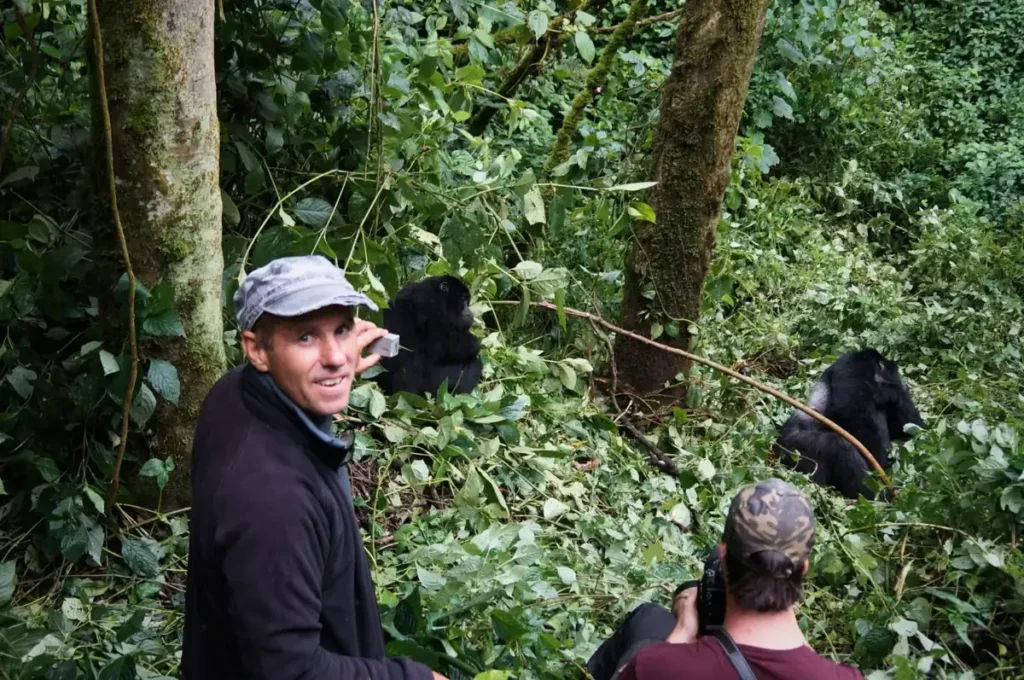
Bwindi Impenetrable National Park is one of Africa’s leading mountain gorilla destinations. Located in southwestern Uganda, this protected rainforest contains several habituated gorilla families available for regulated tourism.
Bwindi has four established trekking sectors: Buhoma, Ruhija, Rushaga and Nkuringo. Each offers a different forest setting, accommodation options and access routes.
Trekking begins with a ranger briefing, followed by a guided forest walk to locate the assigned gorilla family.
Mgahinga Gorilla National Park
Mgahinga Gorilla National Park lies within Uganda’s Virunga volcanic region and provides another exceptional setting for mountain gorilla trekking.
The park is known for its beautiful volcanic landscapes, bamboo vegetation and opportunities to combine gorilla trekking with golden monkey tracking.
For travellers interested in Gorilla Trekking vs Chimpanzee Tracking, Uganda provides the advantage of experiencing gorillas in the southwest before travelling to Kibale for chimpanzee tracking.
Best Places for Chimpanzee Tracking in Uganda
Kibale Forest National Park
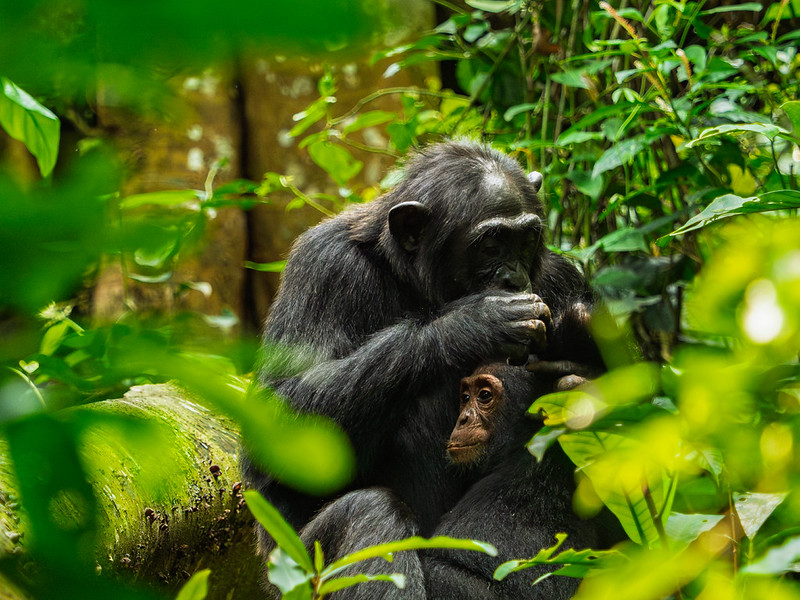
Kibale Forest National Park is one of Uganda’s most popular chimpanzee tracking destinations. Its tropical rainforest supports a variety of primates and provides excellent opportunities for guided wildlife observation.
Chimpanzee tracking commonly begins at the Kanyanchu visitor area, where participants receive a briefing before entering the forest with trained rangers.
Visitors may observe chimpanzees feeding, grooming, resting or moving between trees, while also encountering other forest wildlife.
The 3 Days Kibale Chimpanzee Tracking Tour is suitable for travellers primarily interested in chimpanzees and forest experiences.
Other Chimpanzee Tracking Destinations
Uganda also provides authorised chimpanzee experiences in selected other forest and conservation areas, including Kyambura Gorge in the Queen Elizabeth landscape.
However, activity availability, permit arrangements and visitor conditions vary between locations.
When considering Gorilla Trekking vs Chimpanzee Tracking in Uganda, Kibale is particularly convenient for combining chimpanzee encounters with a broader itinerary involving Bwindi, scenic crater lakes and wildlife game drives.
Gorilla Trekking and Chimpanzee Tracking in Rwanda
Rwanda is another excellent destination for travellers interested in observing great apes in protected forest environments.
Gorilla Trekking in Volcanoes National Park
Volcanoes National Park is Rwanda’s principal mountain gorilla trekking destination.
Located in the Virunga Mountains near Musanze, the park provides authorised encounters with habituated mountain gorilla families in a spectacular volcanic landscape.
Its relatively convenient road access from Kigali makes it particularly attractive for travellers with limited time.
Visitors can explore available Rwanda safari packages that include mountain gorilla trekking alongside cultural and scenic activities.
Chimpanzee Tracking in Nyungwe Forest National Park
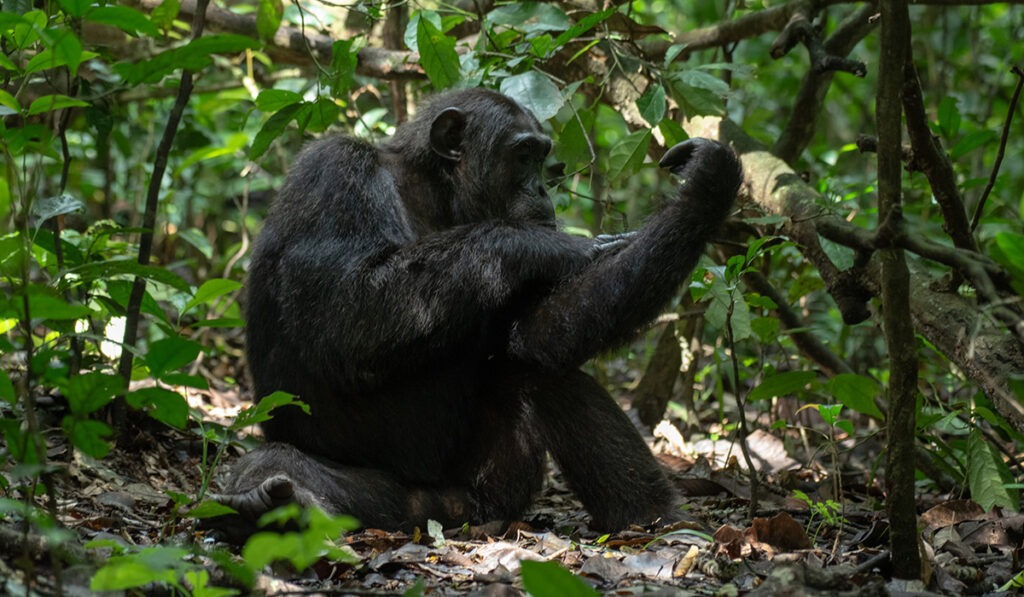
Nyungwe Forest National Park is Rwanda’s leading chimpanzee tracking destination.
The park contains extensive montane rainforest, numerous primate species and a network of forest trails. Chimpanzee encounters may involve observing individuals moving through the forest canopy or communicating between different areas.
Travellers interested in this destination can consider the 5 Days Nyungwe Forest National Park Tour, which combines chimpanzee tracking with additional forest experiences.
The Gorilla Trekking vs Chimpanzee Tracking comparison in Rwanda allows visitors to appreciate two very different ecosystems: the volcanic mountain forests of the north and the extensive rainforest of the southwest.
Best Time for Gorilla Trekking and Chimpanzee Tracking
Both experiences are available throughout the year, although weather conditions can influence the ease of travelling and walking through the forest.
The relatively drier periods of June to September and December to February are popular for trekking in Uganda and Rwanda. Forest paths may be less muddy during these months, although rainfall remains possible.
The wetter seasons can bring lush vegetation, beautiful photography conditions and changing wildlife feeding patterns.
Chimpanzees may sometimes be easier to locate when food is readily available in particular forest areas, but sightings and tracking conditions vary considerably.
For travellers deciding on Gorilla Trekking vs Chimpanzee Tracking, the ideal travel period should consider permit availability, weather preferences, accommodation arrangements and the wider safari itinerary rather than relying on one month as universally best.
Minimum Age for Gorilla and Chimpanzee Tracking
Age requirements are important for families planning a primate safari.
In Uganda, the minimum age for standard gorilla trekking is 15 years, while the Uganda Wildlife Authority’s published minimum age for chimpanzee tracking is 12 years.
In Rwanda, visitors must generally be at least 15 years old for gorilla trekking in Volcanoes National Park and chimpanzee tracking in Nyungwe Forest National Park.
Age requirements can affect which experiences a family can include in its itinerary. Parents travelling with younger children should arrange alternative activities and suitable supervision during restricted trekking excursions.
The Gorilla Trekking vs Chimpanzee Tracking comparison therefore becomes particularly relevant when organising family holidays involving children or teenagers.
Photography – Which Experience Is Better?
Both gorilla trekking and chimpanzee tracking offer exceptional wildlife photography opportunities, although the photographic conditions differ.
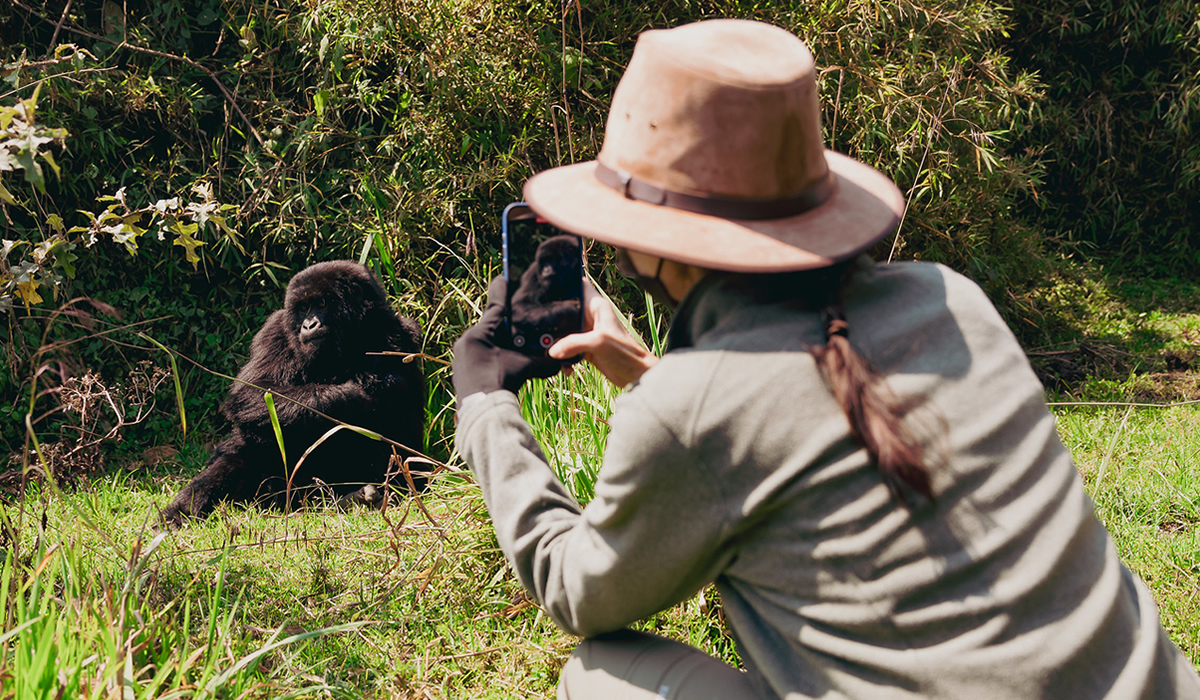
Gorilla trekking can provide beautiful opportunities to photograph family interactions, facial expressions, silverbacks and young gorillas. However, photography depends on vegetation, animal positions, lighting and ranger instructions.
Chimpanzee tracking is particularly interesting for action photography. Visitors may capture chimpanzees climbing, grooming or interacting with other members of the community.
Their rapid movement and position high in the forest canopy can make photography more challenging.
When comparing Gorilla Trekking vs Chimpanzee Tracking, visitors should consider whether they prefer photographing relatively calm family scenes or more active primate behaviour.
A camera with good low-light performance, suitable zoom capability and adequate battery power is useful for either activity. Flash photography should not be used during protected primate encounters.
Can You Combine Gorilla Trekking and Chimpanzee Tracking on One Safari?
Yes. Combining both experiences is one of the most rewarding ways to explore the great apes of East Africa.
Uganda is particularly well suited to this combination because visitors can track mountain gorillas in Bwindi and chimpanzees in Kibale during one extended journey.
A well-organised itinerary allows travellers to enjoy different forest environments, observe contrasting animal behaviour and experience additional attractions between trekking destinations.
Sample 5-Day Uganda Gorilla and Chimpanzee Safari
Day 1 – Arrival and Transfer to Bwindi: Arrive at Entebbe International Airport and continue towards Bwindi, using a suitable domestic flight or road arrangement. Check in at your lodge and prepare for gorilla trekking.
Day 2 – Mountain Gorilla Trekking: Attend the morning briefing and trek with Uganda Wildlife Authority rangers to locate a habituated gorilla family. Spend up to one hour observing the gorillas before returning to your lodge.
Day 3 – Transfer to Kibale Forest: Travel towards Kibale Forest National Park, enjoying scenic countryside and selected stops where time permits.
Day 4 – Chimpanzee Tracking: Enter Kibale Forest with trained rangers for an exciting chimpanzee tracking experience. An optional guided community or wetland visit may be arranged afterwards.
Day 5 – Return to Entebbe: Travel back to Entebbe for your onward flight or an additional night, depending on your international schedule.
This itinerary can be explored through the 5 Days Gorilla Trekking in Bwindi and Chimpanzee Tracking in Kibale safari.
Travellers planning a longer holiday can also combine primate encounters with wildlife game drives, boat cruises and cultural experiences.
Gorilla Trekking vs Chimpanzee Tracking: Which Should You Choose?
Choosing between these activities depends on the type of encounter you hope to experience.
Choose Gorilla Trekking If You Prefer
Gorilla trekking is ideal for travellers who dream of seeing mountain gorillas in their natural habitat, observing silverback-led family groups and enjoying a rare wildlife encounter in magnificent mountain forests.
It is particularly rewarding for visitors interested in conservation, wildlife photography and the social relationships of great apes.
Choose Chimpanzee Tracking If You Prefer
Chimpanzee tracking is especially suitable for visitors fascinated by animal intelligence, vocal communication, climbing behaviour and active social interactions.
It also provides an excellent opportunity to explore beautiful tropical forests and observe other primate species.
Choose Both for a Complete Primate Safari
For travellers who have sufficient time, combining both activities provides the most comprehensive experience.
The Gorilla Trekking vs Chimpanzee Tracking decision does not have to involve choosing only one. A combined itinerary allows visitors to understand how these two great apes differ while appreciating the conservation importance of their forest habitats.
What to Wear and Pack for Gorilla and Chimpanzee Tracking
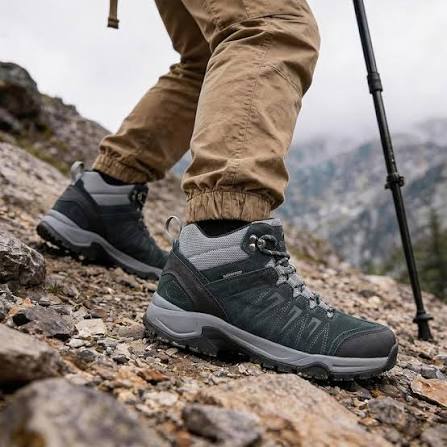
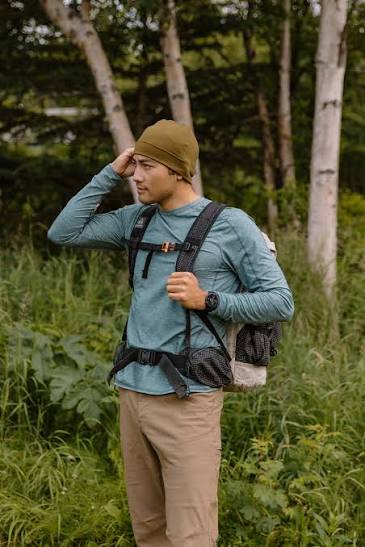
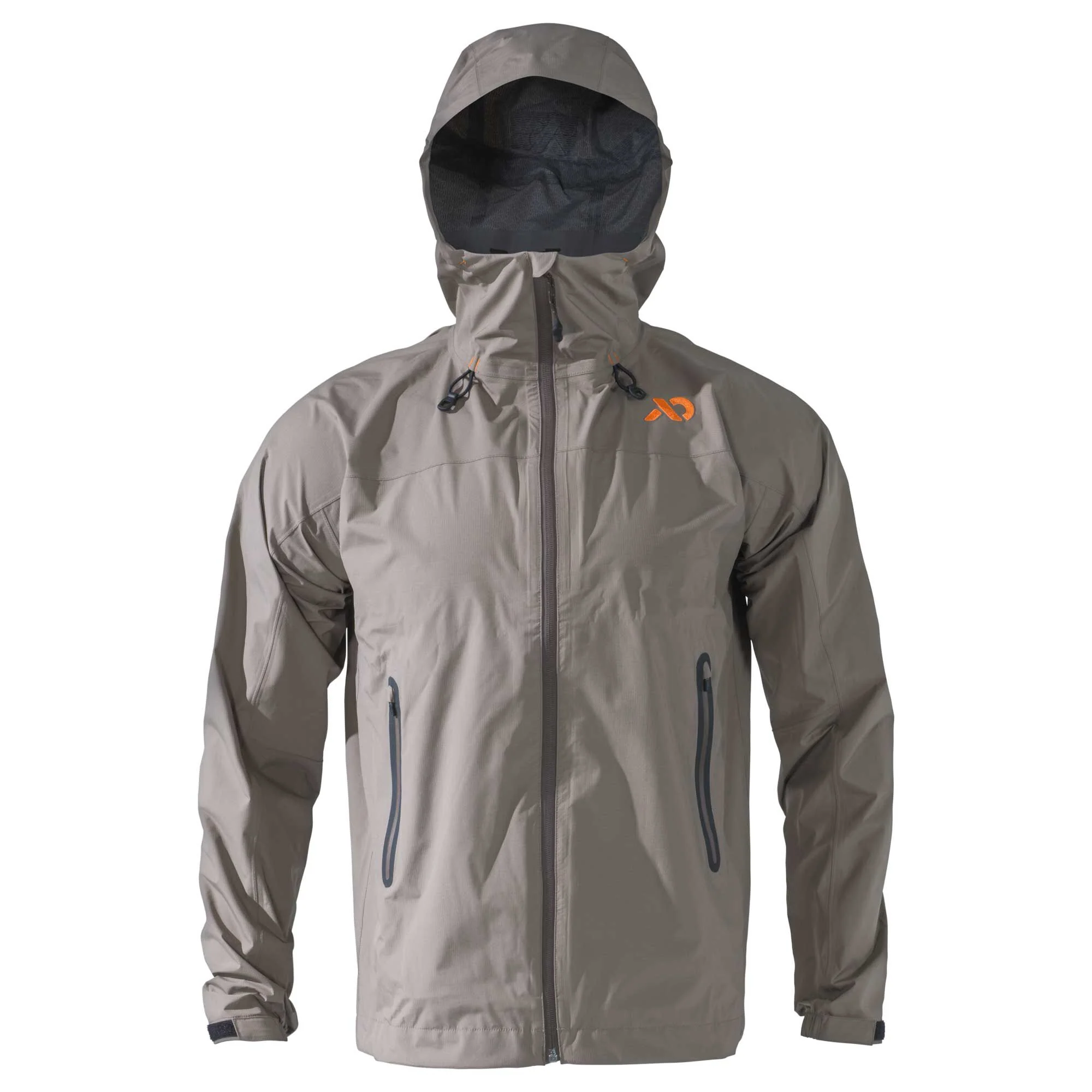
Proper preparation helps visitors remain comfortable while walking through forest environments.
Useful items include sturdy waterproof hiking boots, long trousers, long-sleeved shirts, lightweight rain protection, gardening gloves, insect repellent, drinking water and a small daypack.
A walking stick may be helpful in steep or slippery terrain, while porter assistance can make some gorilla trekking experiences more manageable.
Travellers should also carry any essential personal medication and use appropriate sun protection.
The Gorilla Trekking vs Chimpanzee Tracking experience can involve different walking conditions, but suitable footwear and weather-resistant clothing are important for both activities.
Conservation and Responsible Primate Tourism
Gorillas and chimpanzees face serious conservation challenges, including habitat loss, disease transmission, poaching and increasing pressure on forest ecosystems.
Protected national parks in Uganda and Rwanda play important roles in conserving these animals and supporting surrounding communities.
Responsible tourism contributes through regulated visitor permits, ranger employment, conservation activities and community initiatives connected to protected areas.
Travellers must follow wildlife protection rules, maintain the required distance from primates, avoid trekking when ill and refrain from feeding or touching animals.
The Gorilla Trekking vs Chimpanzee Tracking comparison also highlights the importance of protecting both species rather than viewing one as more valuable than the other.
Visitors can support conservation by choosing responsible Uganda safaris and Rwanda safari experiences that respect national park regulations and local communities.
Frequently Asked Questions About Gorilla Trekking and Chimpanzee Tracking
1. What Is the Main Difference Between Gorilla Trekking and Chimpanzee Tracking?
Gorilla trekking involves locating and observing a habituated gorilla family, while chimpanzee tracking focuses on finding and watching an often more active chimpanzee community.
2. Which Is Better, Gorilla Trekking or Chimpanzee Tracking?
Neither is universally better. Gorilla trekking offers remarkable family encounters, while chimpanzee tracking is especially appealing for observing energetic behaviour and social communication.
3. Is Gorilla Trekking More Expensive Than Chimpanzee Tracking?
Yes, standard gorilla trekking permits are generally more expensive than chimpanzee tracking permits in Uganda and Rwanda. The complete safari cost also depends on accommodation and transportation.
4. Which Activity Is More Physically Difficult?
Gorilla trekking may involve strenuous mountain hiking, while chimpanzee tracking can require extensive forest walking. Actual difficulty depends on the terrain and location of the animals.
5. Can I See Gorillas and Chimpanzees in Uganda?
Yes. Travellers can see mountain gorillas in Bwindi or Mgahinga and track chimpanzees in Kibale and other authorised habitats.
6. Can I See Gorillas and Chimpanzees in Rwanda?
Yes. Gorilla trekking is available in Volcanoes National Park, while chimpanzee tracking takes place in Nyungwe Forest National Park.
7. How Long Can I Spend With Gorillas?
Standard gorilla trekking generally permits up to one hour observing the assigned gorilla family after it has been located.
8. How Long Can I Spend With Chimpanzees?
Standard chimpanzee tracking usually permits up to one hour with a habituated community after locating the animals. Special habituation experiences follow different arrangements.
9. What Is the Minimum Age for Gorilla Trekking?
The minimum age for gorilla trekking in both Uganda and Rwanda is generally 15 years.
10. What Is the Minimum Age for Chimpanzee Tracking?
Uganda Wildlife Authority guidance sets the minimum age at 12 years for chimpanzee tracking in Uganda. Nyungwe Forest National Park in Rwanda requires participants to be at least 15 years old.
11. Is Chimpanzee Tracking Suitable for Wildlife Photography?
Yes. Chimpanzee tracking provides exciting photography opportunities, although rapid movement and forest lighting can make it challenging.
12. Can I Book Gorilla Trekking and Chimpanzee Tracking Together?
Yes. The 5 Days Gorilla Trekking in Bwindi and Chimpanzee Tracking in Kibale is an example of a combined Uganda primate safari.
13. What Is the Best Month for Gorilla and Chimpanzee Tracking?
June to September and December to February are popular periods because conditions are often relatively drier, although both activities operate throughout the year.
14. Are Gorilla and Chimpanzee Sightings Guaranteed?
No wildlife sighting can be absolutely guaranteed. Experienced trackers work to locate habituated groups, but animal movements and forest conditions remain unpredictable.
15. How Can I Book a Gorilla and Chimpanzee Safari?
You can contact Fruits of Hope Adventure Tours to discuss travel dates, permit arrangements, accommodation preferences and a personalised primate safari itinerary.
Book Your Gorilla Trekking and Chimpanzee Tracking Safari With Fruits of Hope Adventure Tours
The Gorilla Trekking vs Chimpanzee Tracking comparison reveals two extraordinary wildlife experiences that introduce visitors to the remarkable intelligence, behaviour and natural habitats of Africa’s great apes. Mountain gorillas offer unforgettable encounters with powerful silverbacks and close-knit family groups, while chimpanzees provide exciting opportunities to observe social communication, movement and complex forest behaviour.
Both experiences deserve a place on the itinerary of travellers interested in African wildlife and conservation. Whether you choose gorilla trekking in Bwindi, chimpanzee tracking in Kibale, gorilla trekking in Rwanda or a longer journey through both countries, a professionally organised safari provides greater convenience and comfort.
At Fruits of Hope Adventure Tours, we help travellers arrange personalised Uganda safari experiences and Rwanda wildlife holidays. Our services include itinerary planning, accommodation arrangements, private transportation, professional guiding and coordination of authorised trekking permits.
Visitors interested in both activities can explore our 5 Days Gorilla Trekking in Bwindi and Chimpanzee Tracking in Kibale or request a customised itinerary suited to their preferred travel dates and interests.
Contact Fruits of Hope Adventure Tours to Book Your Gorilla and Chimpanzee Safari and discover two of Africa’s most remarkable primates in their natural forest habitats.