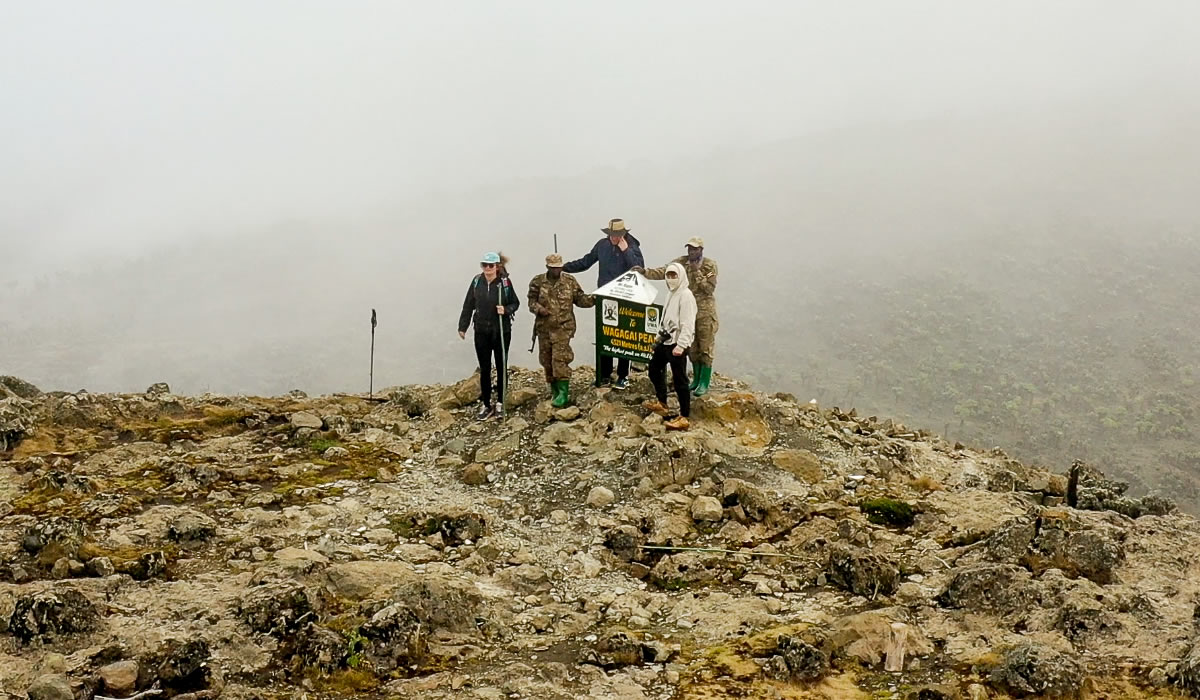
The Mount Elgon Hiking Experience in Uganda is one of East Africa's most rewarding outdoor…

Mountain Hiking in Volcanoes National Park Rwanda – Best Volcano Trails
Mountain Hiking in Volcanoes National Park offers an unforgettable journey through Rwanda’s dramatic Virunga Mountains, where forested slopes, volcanic peaks, and sweeping highland views create a remarkable setting for adventure. Located in northwestern Rwanda, the park is famous for mountain gorillas, but its guided hikes are equally rewarding for travelers who enjoy nature, physical challenges, and spectacular scenery.
The national park protects the Rwandan slopes of five Virunga volcanoes: Mount Karisimbi, Mount Bisoke, Mount Muhabura, Mount Gahinga, and Mount Sabyinyo. The wider mountain range extends into Uganda and the Democratic Republic of Congo. Across these mountains, visitors encounter bamboo forest, montane vegetation, heathland, and exposed high-altitude landscapes shaped by centuries of volcanic activity.
Mountain Hiking in Volcanoes National Park is not a single experience. Some visitors choose the popular day hike to Bisoke’s crater lake, while experienced hikers may prefer the demanding two-day ascent of Karisimbi. Shorter nature trails and conservation-focused walks provide alternatives for those who want to explore without tackling a major summit.
Mountain weather and trail conditions can change unexpectedly. With authorized guides, Mountain Hiking in Volcanoes National Park becomes a memorable part of a Rwanda safari.
Enquire Now – Plan Your Mountain Hiking Adventure
Highlights of Mountain Hiking in Volcanoes National Park
- Climb Mount Karisimbi, Rwanda’s highest peak at 4,507 metres.
- Reach the crater lake at the summit of Mount Bisoke.
- Enjoy beautiful views of the Virunga volcanic chain.
- Explore bamboo forests, montane woodland, and heathland.
- Discover the Dian Fossey conservation story on a guided walk.
- Choose challenging summits or shorter nature trails.
- Combine hiking with gorilla trekking and cultural activities.
- Experience Rwanda’s highland scenery with authorized park guides.
Best Volcanoes for Mountain Hiking in Volcanoes National Park
1. Mount Karisimbi – Rwanda’s Highest Mountain
Mount Karisimbi rises to 4,507 metres above sea level and is the highest volcano in the Virunga range. Its name is associated with the pale cloud cover that often surrounds its summit. This spectacular peak attracts fit, determined travelers seeking one of Rwanda’s most demanding hiking experiences.
The usual Karisimbi expedition takes two days, including an overnight camp on the mountain. Hikers pass through forest and gradually enter colder, more open vegetation zones. The final ascent can be exhausting because of steep terrain, altitude, and unpredictable weather. An early summit attempt on the second day is followed by the descent.
Mountain Hiking in Volcanoes National Park on Karisimbi requires endurance, warm clothing, suitable footwear, and carefully arranged camping equipment. Those who reach the summit in favorable weather can enjoy extraordinary views across the Virunga landscape.
Typical duration: Two days, including overnight camping. Difficulty: Strenuous.
2. Mount Bisoke – The Summit Crater Lake
Mount Bisoke, sometimes called Visoke, stands at approximately 3,711 metres. It is one of the most popular options for Mountain Hiking in Volcanoes National Park because its summit contains a beautiful crater lake. The trail passes through green forest and increasingly open high-altitude vegetation before arriving at the striking volcanic basin.
A guided round-trip hike generally takes around six to eight hours, although weather, individual fitness, and trail conditions affect the timing. The climb does not require technical mountaineering skills, but slippery mud, stinging plants, and steep sections make it physically demanding. Swimming in the crater lake is prohibited.
Mountain Hiking in Volcanoes National Park on Bisoke suits active travelers wanting a full-day challenge and a memorable natural landmark. It can also be combined with gorilla trekking on a separate day. Explore our 4 Days Rwanda Gorillas and Mount Bisoke Hiking Tour for a suitable itinerary idea.
Typical duration: Six to eight hours. Difficulty: Moderate to challenging.
3. Mount Muhabura – A Demanding Volcanic Climb
Mount Muhabura, also written Muhavura, rises to approximately 4,127 metres on the Rwanda–Uganda border. Its distinct cone shape dominates the skyline, and the summit offers remarkable panoramas on clear days. Compared with Bisoke, its long, steep ascent requires particularly good stamina.
Mountain Hiking in Volcanoes National Park on Muhabura is usually planned as a challenging full-day activity. The terrain becomes increasingly exposed at higher elevations, where cold winds, mist, and fatigue can affect progress. Hikers should begin well rested and follow the pace established by their official guide.
The mountain attracts experienced walkers who enjoy physical challenges more than leisurely nature excursions. Anyone unfamiliar with high-altitude hiking should discuss their fitness and preparation before choosing this route.
Typical duration: A demanding full day. Difficulty: Challenging to strenuous.
4. Mount Gahinga – Bamboo Forest and Highland Views
Mount Gahinga, at approximately 3,474 metres, lies along the Rwanda–Uganda border. Its lower elevation does not mean the walk is effortless: forest trails, muddy ground, and mountain weather still require preparation. The slopes support bamboo vegetation and provide habitats for birds and other wildlife.
Mountain Hiking in Volcanoes National Park can include Gahinga when the relevant Rwanda-side activity and hiking permit are available. Rwanda’s official tourism booking system lists Gahinga as a hiking product, although operating arrangements should be checked before confirming an itinerary. The mountain can also be approached through Uganda’s Mgahinga Gorilla National Park on its established routes.
Gahinga is attractive to hikers interested in forest scenery rather than simply reaching the region’s highest elevation. Ask your operator to clarify the approved route, meeting point, and expected duration.
Difficulty: Moderate to challenging, depending on route and conditions.
5. Mount Sabyinyo – The Jagged Virunga Landmark
Mount Sabyinyo is recognizable by its rugged, tooth-like peaks near the borders of Rwanda, Uganda, and the Democratic Republic of Congo. Its jagged ridgelines provide some of the most dramatic scenery in the Virunga landscape.
For travelers researching Mountain Hiking in Volcanoes National Park, it is important to distinguish Sabyinyo sightseeing and Rwanda-side park activities from a full summit climb. The established ladder-assisted summit trail is normally approached from Uganda’s Mgahinga Gorilla National Park. Rwanda’s tourism booking portal also lists a Sabyinyo visitor product, but travelers should confirm exactly what route that permit covers rather than assuming it reaches the summit.
Even without climbing the summit, Sabyinyo forms a spectacular backdrop for photographs and viewpoints around the Musanze region.
Other Guided Hiking Experiences
Dian Fossey Tomb and Karisoke Research Area
Mountain Hiking in Volcanoes National Park also includes conservation-focused walks through the forest. One of the best known leads to the resting place of Dian Fossey, the American primatologist whose work transformed the understanding and protection of mountain gorillas.
The trail explores the area between Karisimbi and Bisoke where Fossey established the Karisoke Research Centre in 1967. Visitors learn about her research, the history of gorilla protection, and the challenges of conserving an endangered species. The walk is shorter than a volcano summit hike but can still be muddy.
Read more about Hiking the Dian Fossey Tomb in Rwanda.
Lake Ngezi Nature Walk
Lake Ngezi rests in a volcanic depression near Mount Bisoke. This shorter walk offers a scenic introduction to the forest and is often better suited to travelers who do not want a full summit climb. The excursion may take around three hours, depending on conditions.
Mountain Hiking in Volcanoes National Park therefore offers more than steep climbs: visitors can select rewarding nature experiences matched to their available time and fitness.
Best Time for Mountain Hiking in Volcanoes National Park
The relatively dry months of June to September and December to February are generally preferred for Mountain Hiking in Volcanoes National Park. Trails may be less muddy, and clear periods can improve visibility across the volcanic range. Nevertheless, showers, mist, and low temperatures remain possible at any time of year.
March to May and October to November are usually wetter. Heavy rainfall can make steep tracks slippery and increase the physical effort needed to climb. Forests are especially lush during these months, creating beautiful scenery for visitors prepared for challenging conditions.
Rather than choosing a season alone, consider the mountain’s elevation, your fitness, permit availability, and the flexibility of your travel schedule. A successful hike depends more on preparation and safe decisions than on an expectation of perfect weather.
Fitness, Safety, and Hiking Preparation
Mountain Hiking in Volcanoes National Park requires realistic preparation. Karisimbi and Muhabura are demanding ascents, while Bisoke can also challenge active travelers because of its slippery slopes. Build stamina with regular walking, uphill training, or other appropriate exercise before your trip.
High altitude can cause headaches, unusual fatigue, or breathing difficulties. Travelers with relevant medical concerns should consult a qualified clinician before attempting strenuous climbs. Drink water regularly, maintain a steady pace, and immediately tell your guide if you feel unwell.
Authorized park guides lead the hikes and may adjust plans according to weather, trail safety, and participant wellbeing. Follow their instructions, remain on designated paths, and never approach wildlife. Mountain Hiking in Volcanoes National Park should be enjoyable, but reaching a summit must never take priority over safety.
What to Pack for Volcano Hiking
Bring reliable hiking boots with good grip, long trousers, a long-sleeved shirt, waterproof outerwear, warm layers, and gloves. A hat, sunscreen, drinking water, snacks, a small daypack, and any personal medication are also useful. Trekking poles or a walking stick can provide extra stability on muddy ground.
For the two-day Karisimbi trip, ask about camping equipment, sleeping arrangements, meals, and porter assistance before departure. Porters may be available on selected hikes and can help carry equipment. Mountain Hiking in Volcanoes National Park is considerably more comfortable when clothing and supplies match the route and forecast.
Permits and Rules for Mountain Hiking in Volcanoes National Park
Each organized hike requires the appropriate permit and guided arrangements. Prices, departure times, group limits, and available activities can change, so confirm details before paying. The Rwanda Development Board booking system lists separate experiences for Bisoke, Karisimbi, Muhabura, Gahinga, and other park activities.
For several major volcano hikes, the minimum age is 15 years. Visitors commonly report for early morning registration and ranger briefings, although the exact meeting arrangements depend on the activity. A gorilla trekking permit does not cover a volcano climb.
To protect the ecosystem, remain with your guide, avoid disturbing animals, do not collect plants, and take litter out of the park. Responsible Mountain Hiking in Volcanoes National Park helps preserve fragile highland habitats for future visitors.
Wildlife and Birdwatching Along the Trails
The Virunga forest supports golden monkeys, mountain gorillas, numerous forest birds, and other wildlife. Sightings during a volcano hike are unpredictable; dedicated primate tracking excursions are the correct way to plan for a gorilla or golden monkey encounter.
Mountain Hiking in Volcanoes National Park remains rewarding even without large mammals because hikers can enjoy bird calls, changing vegetation, and panoramic scenery. Birdwatching enthusiasts can explore our guide to birding in Volcanoes National Park.
Other Activities to Combine with Mountain Hiking
Mountain Hiking in Volcanoes National Park pairs well with a dedicated gorilla trekking experience, which involves guided searches for habituated gorilla families under strict conservation rules. Golden monkey tracking is another memorable activity in the bamboo forest. Both require their own permits and are usually planned for separate days.
Visitors can also enjoy the Iby’iwacu Community Experience to discover local traditions, dance, and community initiatives. Scenic excursions to the Twin Lakes of Burera and Ruhondo provide a gentler day after a demanding climb.
Getting to Volcanoes National Park
The park lies near Musanze in northwestern Rwanda, usually around two to three hours by road from Kigali, depending on the starting point and traffic. Travelers landing at Kigali International Airport can continue to accommodation around Musanze or Kinigi.
Because guided hikes often begin early, staying near the park the previous night is generally preferable. Mountain Hiking in Volcanoes National Park is easier to organize when the correct meeting point, departure time, and transfer arrangements have been confirmed in advance.
Why Choose Fruits of Hope Adventure Tours?
Fruits of Hope Adventure Tours helps travelers organize Mountain Hiking in Volcanoes National Park based on their goals, travel dates, and physical ability. Whether you are interested in Bisoke’s crater lake or Karisimbi’s high summit, an appropriate itinerary should allow time for preparation, guiding, and recovery.
We can also help combine hiking with gorilla trekking, golden monkey tracking, accommodation, and cultural visits. Travelers receive a plan shaped around their preferred experiences rather than an unrealistic promise to climb every volcano in one short trip.
Frequently Asked Questions
Which volcano is best for a first-time hiker?
Mount Bisoke is a popular option for physically fit recreational hikers, but it is not an effortless walk. Lake Ngezi is worth considering for those who want a shorter nature trail. The best choice depends on ability and conditions.
How long does it take to hike Mount Karisimbi?
Karisimbi is normally a two-day trek with an overnight camp. It is one of the most strenuous options for Mountain Hiking in Volcanoes National Park and requires suitable fitness and equipment.
Can I hike Mount Gahinga from Rwanda?
Rwanda’s official permit system lists a Gahinga activity. The exact hiking route and operating arrangements should be confirmed when booking. Uganda also offers established Gahinga hiking experiences.
Can I reach Mount Sabyinyo’s summit from Rwanda?
The established full summit climb is generally approached from Uganda. Rwanda lists a Sabyinyo visitor activity, but visitors should clarify its route before booking and should not assume it includes the summit.
When are the best months for volcano hiking?
June to September and December to February are relatively drier periods. However, Mountain Hiking in Volcanoes National Park can involve rain, fog, and slippery ground during any month.
Do I need a separate hiking permit?
Yes. Different hiking activities require specific permits. Booking a gorilla trek does not authorize a summit climb, and some hikes have age and group-size restrictions.
Will I see gorillas during my hike?
Mountain gorillas inhabit the forest, but a summit or nature hike does not guarantee a sighting. Book a dedicated gorilla trekking activity if encountering gorillas is your main goal.
How difficult is the Mount Bisoke trail?
The ascent involves steep, potentially slippery terrain and typically occupies much of a day. A reasonable level of fitness, suitable footwear, and readiness for changing weather are important.
What should I wear for mountain hiking?
Wear sturdy waterproof boots, long trousers, warm layers, and a rain jacket. Bring gloves and a walking aid if needed. Mountain Hiking in Volcanoes National Park can be cool and wet even during drier months.
Can I combine hiking and gorilla trekking?
Yes. Plan the experiences on separate days, allowing time for rest after a strenuous climb. Permits and guiding arrangements must be confirmed for each activity.
Book Your Rwanda Volcano Hiking Adventure
Experience Mountain Hiking in Volcanoes National Park with breathtaking volcanic landscapes, forest trails, crater lakes, and unforgettable views. Fruits of Hope Adventure Tours can help you choose a suitable route, arrange the relevant experiences, and combine your hike with a memorable Rwanda safari.
Related Posts