What is the best country for a safari in Africa? This is one of the…
Cultural Tours in Rwanda
Rwanda is widely known for its breathtaking landscapes and unforgettable wildlife safaris, but the country also offers a rich cultural heritage that fascinates tourists from around the world. Rwanda is a place where traditions, history, and modern development come together to create meaningful cultural experiences. Cultural Tours in Rwanda allow tourists to go beyond wildlife encounters and discover the heart of the country through its people, traditions, art, music, and historical landmarks. From vibrant city life to rural village communities, Rwanda provides authentic cultural experiences that leave a lasting impression on visitors.
Discovering Kigali’s Cultural Heritage
Most cultural tours in Rwanda begin in the capital city of Kigali, one of the cleanest and most organised cities in Africa. Kigali serves as the country’s political, cultural, and economic center, making it an excellent starting point for tourists interested in understanding Rwanda’s past and present.
One of the most important cultural sites in the city is the Kigali Genocide Memorial. This powerful memorial honours the victims of the Genocide against the Tutsi in Rwanda and provides insight into Rwanda’s journey toward healing and reconciliation. Many tourists find the memorial to be a deeply moving experience that helps them better understand the country’s resilience and transformation.
Beyond historical sites, Kigali also offers vibrant art galleries, craft markets, and cultural centers where tourists can explore local creativity. Handmade baskets, colourful fabrics, and traditional wood carvings are among the popular souvenirs that reflect Rwanda’s artistic traditions.
Visiting Traditional Villages
One of the most rewarding aspects of cultural tours in Rwanda is visiting rural communities. These experiences allow tourists to connect with local people and learn about traditional ways of life.
Near Volcanoes National Park, tourists can visit community cultural centers where local residents share their traditions through storytelling, dance, and music. These villages often demonstrate traditional farming practices, cooking techniques, and craft-making skills.
Tourists may also participate in activities such as basket weaving, banana beer brewing, or traditional cooking demonstrations. These interactive experiences provide a deeper appreciation of Rwanda’s culture while supporting local communities through tourism.
The Iby’Iwacu Cultural Village Experience
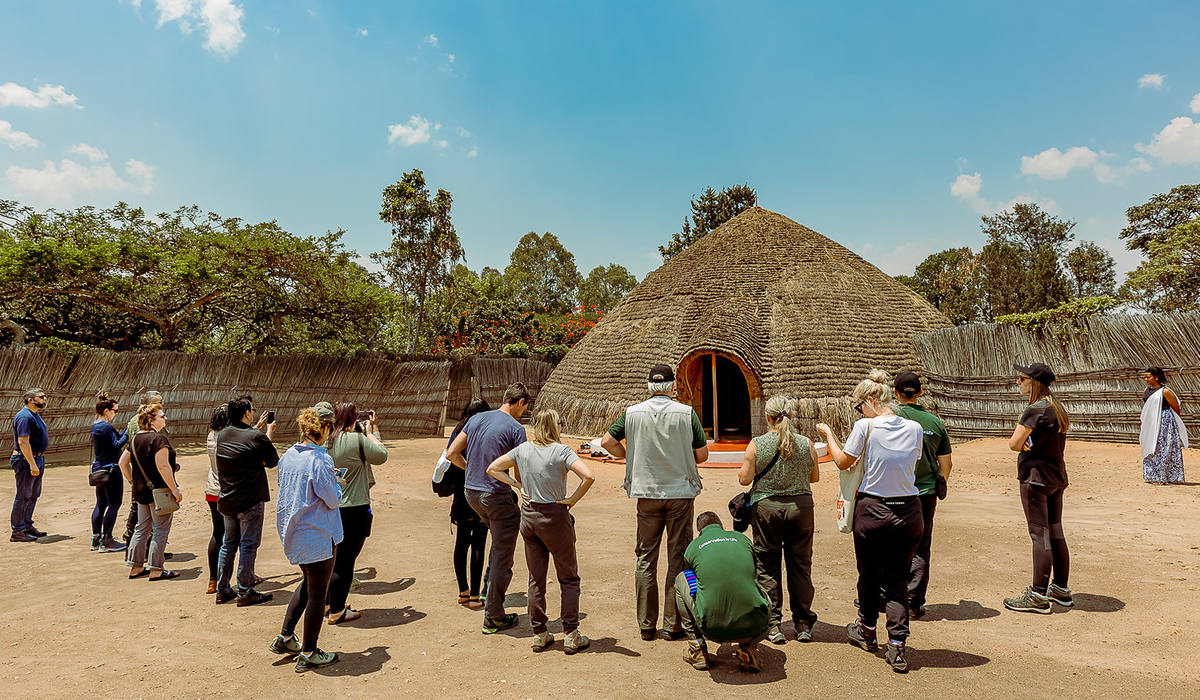
One of the most popular cultural attractions in Rwanda is the Iby’Iwacu Cultural Village, located near Volcanoes National Park. This cultural village was established to promote local heritage while providing economic opportunities for former poachers and community members.
At the village, tourists can learn about Rwanda’s traditional leadership systems, medicinal plants, and royal customs. Visitors may even take part in traditional ceremonies and witness energetic performances of Rwandan dance and drumming.
One of the highlights is the chance to dress in traditional attire and experience a mock coronation ceremony, offering tourists a glimpse into the customs of Rwanda’s historic kingdoms.
Traditional Music and Dance
Music and dance are central elements of Rwandan culture. During cultural tours, tourists often experience traditional performances that showcase the country’s rich artistic heritage.
Rwandan dances typically feature rhythmic drumming, powerful singing, and energetic choreography. One of the most famous forms of traditional dance is the Intore dance, historically performed by warriors in Rwanda’s ancient kingdom.
The Intore Dance is known for its dramatic movements and elaborate costumes made from grass and beads. Performers leap and spin gracefully while maintaining perfect rhythm with the drumbeats.
Watching these performances allows tourists to experience the pride and identity deeply rooted in Rwanda’s cultural traditions.
Exploring Rwanda’s Coffee Culture
Rwanda has gained international recognition for producing high-quality coffee, and coffee tours have become an increasingly popular cultural activity for tourists.
Coffee plantations across the country offer guided tours that explain the journey from coffee bean to cup. During these visits, tourists learn about the cultivation, harvesting, washing, and roasting processes that create Rwanda’s distinctive coffee flavours.
Many coffee cooperatives welcome visitors and provide tastings where tourists can sample freshly brewed Rwandan coffee. These experiences also support local farmers and highlight Rwanda’s growing reputation in the global coffee industry.
Cultural Experiences Around Lake Kivu
Another wonderful destination for cultural exploration is the scenic Lake Kivu, one of Africa’s most beautiful freshwater lakes. Towns along the lake offer opportunities for tourists to experience local fishing traditions, lakeside markets, and vibrant community life.
Tourists can observe fishermen setting out in traditional wooden boats at sunset or visit small villages where local artisans produce handmade crafts. These relaxed lakeside experiences provide insight into everyday life in Rwanda’s western region.
Lake Kivu also offers a peaceful atmosphere where tourists can combine cultural exploration with relaxation after visiting national parks.
Local Markets and Handicrafts
Rwandan markets are lively places where tourists can experience the country’s daily rhythm. Markets in cities like Kigali and smaller towns showcase colourful displays of fresh produce, fabrics, spices, and handcrafted goods.
Handmade baskets, known locally as “Agaseke,” are among Rwanda’s most famous crafts. These beautifully woven baskets symbolise peace and unity and are often purchased by tourists as meaningful souvenirs.
Other popular handicrafts include wood carvings, beadwork, pottery, and traditional textiles. Buying these items directly from artisans supports local craftsmanship and helps preserve Rwanda’s cultural heritage.
Community-Based Tourism
Cultural tours in Rwanda are closely linked to community-based tourism initiatives. Many programs are designed to ensure that tourism benefits local residents while protecting cultural traditions.
Organisations such as the Rwanda Development Board promote sustainable tourism projects that empower communities living near national parks and cultural sites.
By participating in village tours, cultural performances, and craft workshops, tourists contribute directly to local economic development. These initiatives create jobs, support education, and encourage the preservation of traditional knowledge.
A Cultural Journey Through Rwanda
Cultural tours in Rwanda offer tourists an opportunity to experience the country beyond its wildlife safaris. By exploring historical sites, visiting traditional villages, and engaging with local communities, visitors gain a deeper understanding of Rwanda’s identity and resilience.
From the moving stories shared at the Kigali Genocide Memorial to the vibrant performances at the Iby’Iwacu Cultural Village, Rwanda’s cultural experiences provide powerful and memorable moments.
For tourists seeking authentic encounters with people, traditions, and history, Rwanda offers a cultural journey that is both enriching and inspiring. Exploring these cultural treasures allows visitors to appreciate the spirit of a nation that has transformed itself while proudly preserving its heritage.
Related Posts