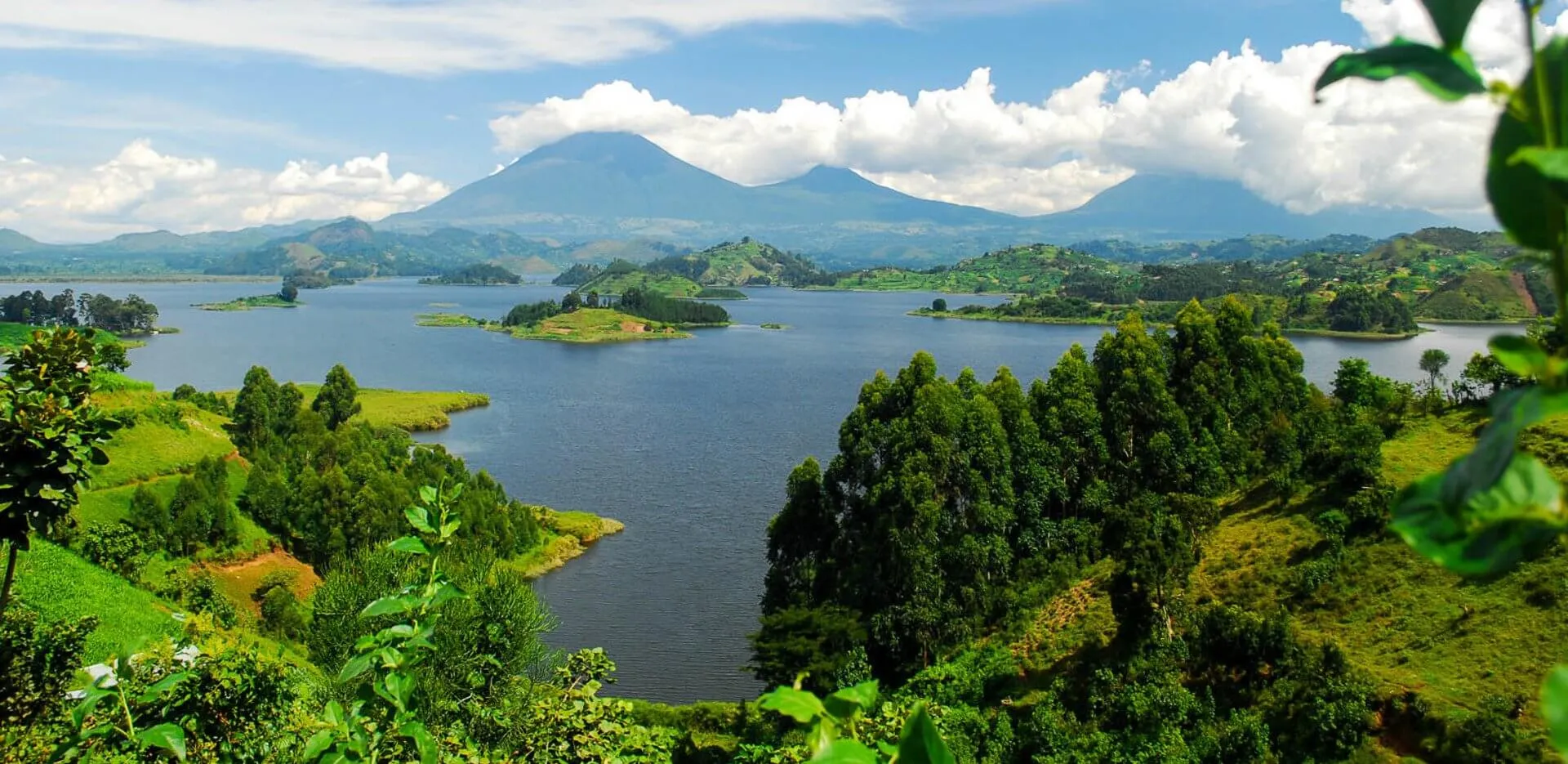
Lake Mburo National Park is one of Uganda’s most beautiful and accessible wildlife destinations, offering memorable safari experiences among rolling savannah grasslands, acacia woodlands, rocky hills, wetlands and peaceful freshwater lakes. Located in southwestern Uganda between Masaka and Mbarara, the park is particularly attractive for travelers seeking rewarding wildlife encounters without the long journeys associated with some of the country’s larger protected areas. Visitors can enjoy game drives, guided walking safaris, horseback riding, birdwatching and scenic boat cruises while discovering Uganda’s remarkable natural beauty.
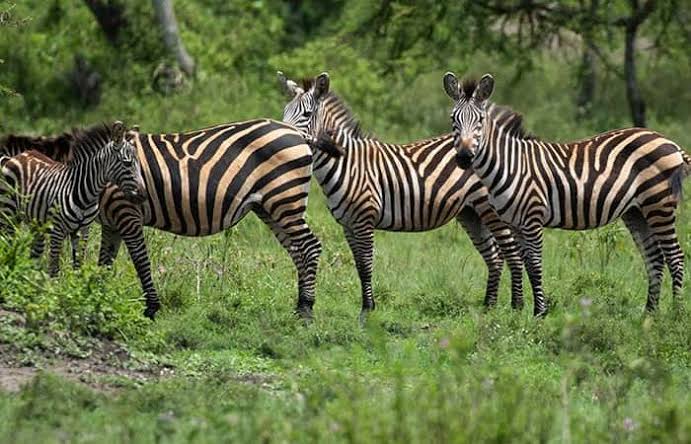
Although Lake Mburo National Park is smaller than many of Uganda’s famous wildlife destinations, its remarkable mixture of habitats supports a diverse collection of animals and birds. The park is particularly well known for its Burchell’s zebras, impalas, elands, buffaloes, giraffes and beautiful antelope species. Travelers can combine a visit with Uganda wildlife safari adventures, enjoy a boat cruise on Lake Mburo, continue toward Bwindi Impenetrable National Park and contact Fruits of Hope Adventure Tours for a personalized journey.
Where Is Lake Mburo National Park Located?
Lake Mburo National Park is situated in Kiruhura District in western Uganda, near the Kampala–Masaka–Mbarara highway. The park lies approximately four to five hours by road from Kampala, depending on traffic, departure location and road conditions. Its convenient position makes it an excellent stopover for visitors traveling from Entebbe or Kampala toward Bwindi, Queen Elizabeth National Park and other southwestern destinations. Travelers can explore Uganda’s top safari destinations, discover Queen Elizabeth National Park, plan Bwindi gorilla trekking or arrange a private road safari.
The park covers approximately 370 square kilometres according to the commonly published park profile. Its landscape includes open grasslands, acacia woodland, forest patches, rocky ridges, swamps and several lakes. These different habitats provide opportunities to observe wildlife in a relatively compact area, making the destination particularly appealing for short holidays, weekend escapes and photography safaris.
Wildlife in Lake Mburo National Park
Lake Mburo National Park is famous for its remarkable population of zebras and antelopes. Burchell’s zebras are among the most recognizable animals in the park and can frequently be observed grazing across the open savannah. Other mammals include impalas, elands, topis, waterbucks, bushbucks, oribis, reedbucks, warthogs and African buffaloes. The park is especially important because it protects Uganda’s most established impala population and offers excellent opportunities to encounter some of the country’s distinctive grazing animals.
Visitors may also encounter giraffes, which were reintroduced to the park through conservation translocations beginning in 2015. Leopards and spotted hyenas are present, although sightings are less predictable than those of zebras or antelopes. Lions are exceptionally rare and should not be treated as a guaranteed attraction. Travelers interested in traditional Big Five wildlife experiences can combine Lake Mburo with Queen Elizabeth National Park or Murchison Falls National Park.
The park’s lakes and wetlands support another fascinating collection of animals. Hippopotamuses occupy the water, Nile crocodiles may be observed along the shoreline, and buffaloes or waterbucks occasionally approach the lake to drink. These aquatic environments also attract diverse birdlife, creating excellent opportunities for wildlife photography during a guided Lake Mburo boat cruise.
Best Things to Do in Lake Mburo National Park
Game Drives – Discover Zebras, Giraffes and Antelopes
Game drives are among the most popular activities in Lake Mburo National Park. Visitors travel through scenic savannah landscapes in safari vehicles, exploring grasslands, acacia woodland, rocky hills and lakeside environments in search of wildlife. Early morning and late afternoon drives are particularly rewarding because temperatures are often cooler and many grazing animals are active. Common sightings include zebras, impalas, buffaloes, elands, topis, warthogs and giraffes.
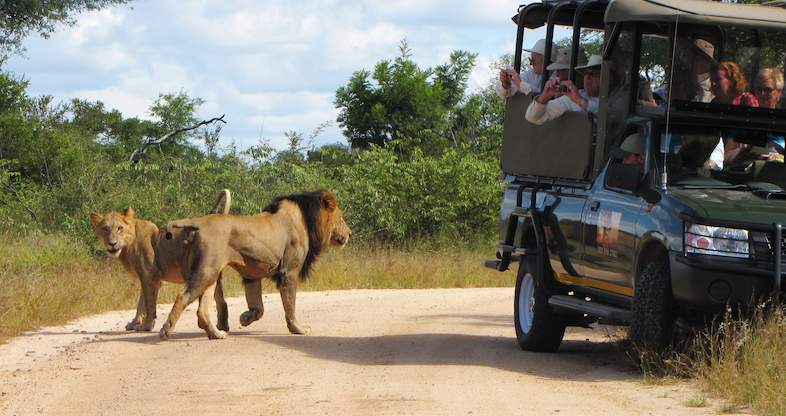
Lake Mburo’s network of wildlife tracks provides access to different habitats, allowing travelers to experience changing scenery during a relatively short excursion. The Zebra Track, Impala Track and other designated routes provide opportunities to explore sections of the park where various animal species occur. Travelers interested in additional wildlife experiences can explore Queen Elizabeth National Park safaris, discover Murchison Falls wildlife adventures and request a private game drive.
Boat Cruise on Lake Mburo – Hippos, Crocodiles and Waterbirds
A boat cruise on Lake Mburo is one of the park’s most relaxing wildlife activities. Visitors travel across the calm waters while enjoying beautiful views of surrounding hills, lakeside vegetation and animals living near the shoreline. Hippos are frequently encountered, while crocodiles, buffaloes and different antelope species may also be observed. Birdwatchers can look for African fish eagles, pied kingfishers, herons, egrets and other water-associated birds.
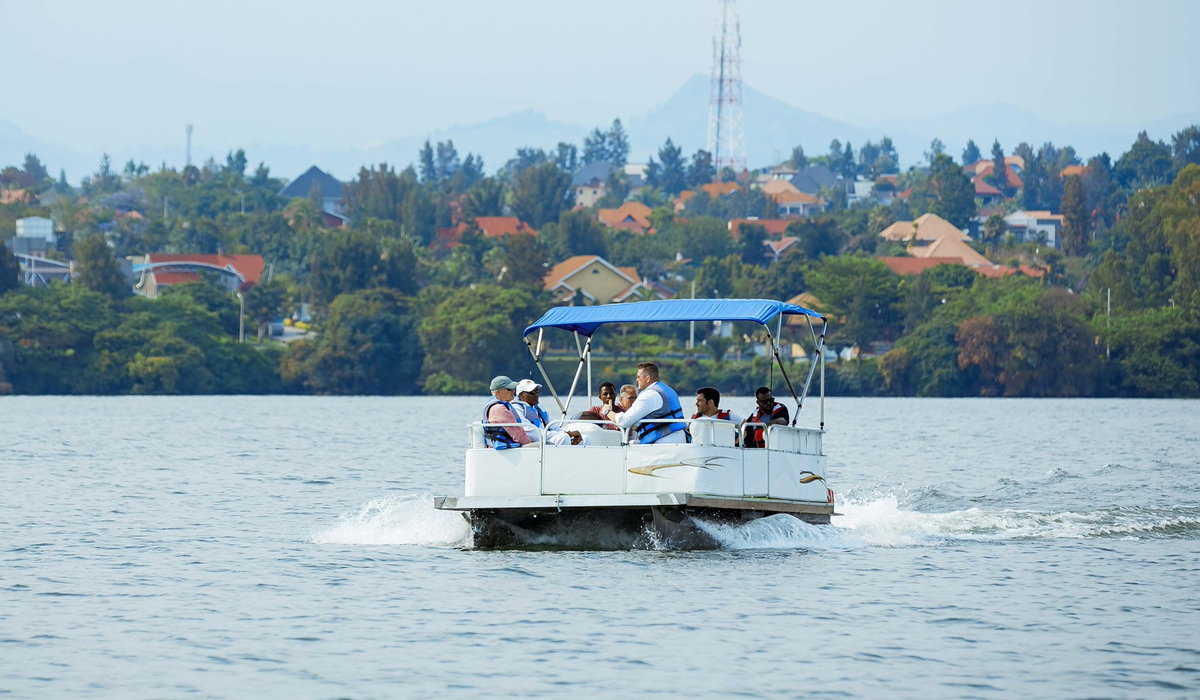
The boat safari provides a completely different perspective from traditional game drives and is especially attractive for families, couples, photographers and travelers seeking peaceful wildlife encounters. Visitors can learn more about the Boat Cruise on Lake Mburo in Uganda or contact Fruits of Hope Adventure Tours to include the excursion in a private safari itinerary.
Guided Walking Safaris – Experience Wildlife on Foot
Lake Mburo National Park is one of Uganda’s outstanding destinations for guided walking safaris. Unlike traditional vehicle-based game viewing, walking safaris allow visitors to appreciate the savannah environment at a slower pace while accompanied by an authorized ranger. Participants can learn about animal footprints, plants, bird calls, insects and the ecological relationships that support the park’s wildlife.
Depending on the selected route and wildlife movements, visitors may observe zebras, impalas, giraffes and other animals from appropriate viewing distances. Walking safaris are conducted under professional supervision, and participants must follow all safety instructions. This activity is particularly rewarding for travelers who enjoy photography, nature interpretation and outdoor adventure.
Horseback Riding Safaris – A Unique African Wildlife Experience
Horseback riding provides another extraordinary way to experience Lake Mburo National Park. Guided horseback excursions allow visitors to explore selected savannah landscapes while observing wildlife from a different perspective. Moving quietly through open grasslands creates an atmosphere that is very different from a conventional game drive, especially when zebras and antelopes are grazing nearby.
Horseback experiences are associated with specialist operators and accommodation properties around the park, including Mihingo Lodge. Riding routes, suitability for beginners, age restrictions and available schedules should be confirmed before booking. Couples, photographers and adventure travelers can request a horseback safari alongside their other Lake Mburo activities.
Night Game Drives – Searching for Nocturnal Wildlife
Night game drives provide an opportunity to discover wildlife that becomes more active after sunset. Under authorized guiding arrangements, visitors may search for leopards, spotted hyenas, bushbabies, genets and other nocturnal animals. A night drive offers a completely different atmosphere, with unfamiliar sounds, changing animal behavior and opportunities to observe the savannah after dark.
Leopard sightings are possible but never guaranteed. Night game drives should be arranged through authorized operators following Uganda Wildlife Authority regulations and designated routes. Travelers interested in photography or unusual wildlife experiences can include this activity in a longer overnight safari.
Birdwatching in Lake Mburo National Park
Lake Mburo National Park is an excellent destination for birdwatching because its woodlands, wetlands, lakes and grasslands support hundreds of recorded bird species. The park is particularly attractive for visitors searching for birds associated with papyrus swamps and acacia environments. Depending on the season and habitat, birdwatchers may encounter African fish eagles, pied kingfishers, African finfoots, papyrus gonoleks, herons, egrets, ground hornbills and a wide variety of smaller woodland birds.
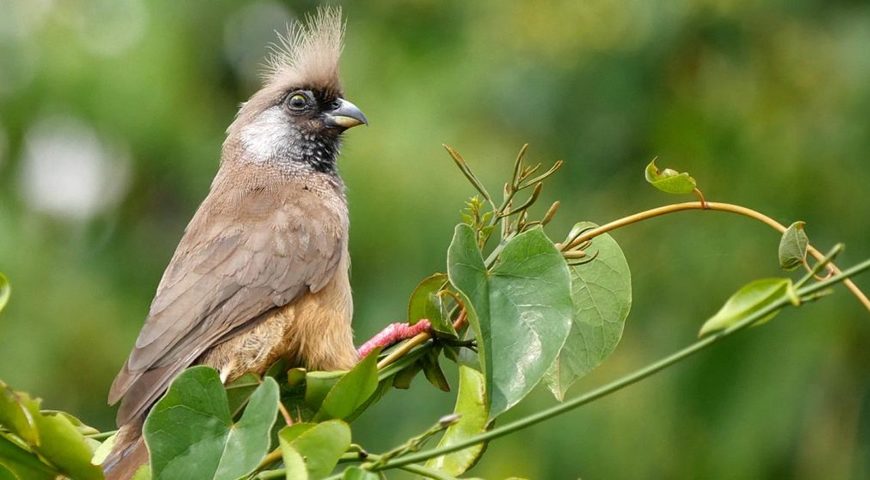
Rubanga Forest offers opportunities to explore a different habitat from the open savannah, while lakeside areas are attractive for waterbirds. The elusive African finfoot is one of the most interesting species associated with Lake Mburo, particularly where vegetation overhangs quiet stretches of water. Birding enthusiasts can arrange a Lake Mburo boat cruise or request a specialized birdwatching safari.
Best Accommodation in Lake Mburo National Park
Lake Mburo offers accommodation choices ranging from budget-friendly camps to comfortable mid-range properties and luxury lodges. Travelers looking for a premium experience can consider Mihingo Lodge, known for its attractive setting and connection to horseback safari activities. Other options include Rwakobo Rock, Arcadia Cottages Lake Mburo and selected lodges or tented camps around the park.
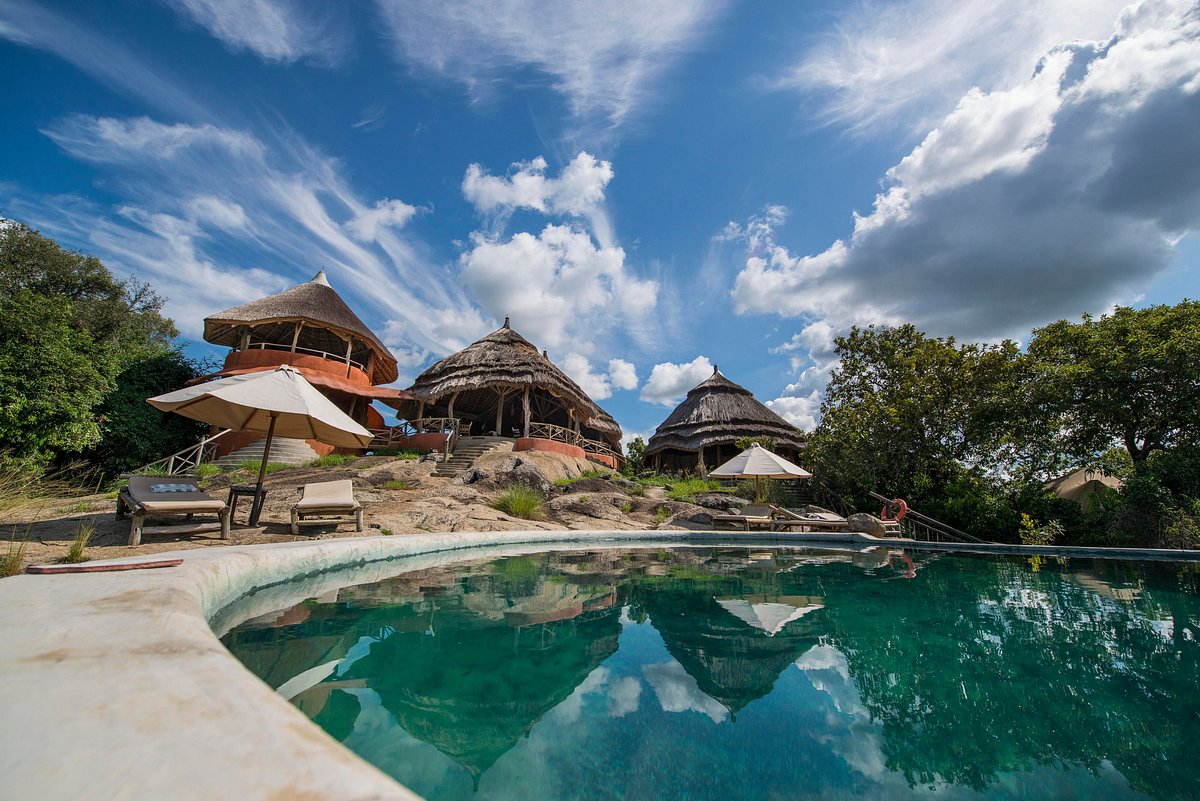
The best accommodation depends on travel budget, preferred comfort level, wildlife activities and whether visitors are staying for one or several nights. Couples may prefer scenic lodges with peaceful surroundings, while families and small groups may prioritize convenient access and suitable room arrangements. Fruits of Hope Adventure Tours can help travelers select safari accommodation and combine Lake Mburo with other destinations in Uganda’s safari circuit.
Best Time to Visit Lake Mburo National Park
Lake Mburo National Park can be visited throughout the year. The relatively dry seasons, generally from June to August and December to February, are popular because some wildlife may become easier to observe near remaining water sources. Grass can be shorter in some areas, and conditions may be more convenient for guided walks and game drives.
The wetter months bring beautiful green landscapes, fresh vegetation and excellent opportunities for birdwatching. Rainfall can make certain tracks muddy, so travelers should prepare with suitable footwear, protective clothing and a reliable safari vehicle. Visitors can explore the Best Time to Visit Uganda and request a seasonal safari itinerary based on their preferred activities.
How to Get to Lake Mburo National Park from Kampala or Entebbe
Lake Mburo is conveniently accessible by road from Kampala and Entebbe through the Masaka–Mbarara highway. The journey from Kampala commonly takes approximately four to five hours, although traffic, road conditions and sightseeing stops may increase travel time. Travelers arriving at Entebbe International Airport can arrange private transfers directly toward the park or spend a night near Entebbe before beginning their journey.
For visitors continuing to Bwindi, Lake Mburo provides an excellent opportunity to break up the long southwestern journey. A carefully planned itinerary can include a boat cruise or afternoon game drive on arrival, followed by a morning walking safari before continuing toward the gorilla trekking region. Travelers can discover Bwindi Impenetrable National Park, review the 3 Days Uganda Gorilla Trekking Safari and arrange private transportation.
Recommended Lake Mburo National Park Safari Itineraries
1 Day Lake Mburo Wildlife Safari from Kampala
A one-day safari is suitable for travelers with limited time who want a short introduction to Uganda’s wildlife. The day begins with an early departure from Kampala, followed by a journey toward Lake Mburo National Park. On arrival, guests enjoy a guided game drive searching for zebras, impalas, giraffes and buffaloes before returning to Kampala later in the day. Because road transfers take several hours each way, this itinerary requires an early start and offers less time inside the park than an overnight safari.
2 Days Lake Mburo National Park Safari
A two-day safari offers a more relaxed experience with opportunities to combine several activities. On the first day, travelers depart Kampala or Entebbe, arrive at Lake Mburo and enjoy an afternoon game drive or scheduled boat cruise. After spending the night at a selected lodge, the second day can include a guided walking safari or additional wildlife viewing before returning to Kampala. This option is excellent for couples, families, photographers and weekend travelers.
3 Days Lake Mburo Wildlife and Nature Safari
A three-day itinerary is ideal for visitors who want to experience Lake Mburo’s full range of attractions without rushing. The safari may include morning and afternoon game drives, a Lake Mburo boat cruise, guided walking experiences, birdwatching and optional horseback riding. Additional time allows guests to relax at their accommodation and appreciate the surrounding countryside. Travelers can contact Fruits of Hope Adventure Tours for a customized three-day itinerary.
Why Lake Mburo National Park Is Worth Visiting
Lake Mburo National Park stands out because of its peaceful atmosphere, diverse landscapes and opportunities to experience wildlife in several different ways. Unlike parks where nearly all game viewing takes place inside vehicles, Lake Mburo offers authorized walking safaris, horseback excursions and scenic boat cruises alongside traditional game drives. These experiences create an appealing combination of adventure, relaxation and wildlife discovery.
The park is especially suitable for first-time safari travelers, birdwatchers, couples, families and photographers. Its location makes it convenient for short holidays or as an overnight stop on a longer itinerary through southwestern Uganda. Whether watching zebras grazing beneath acacia trees, photographing a giraffe against the hills or enjoying a quiet boat journey past hippos, Lake Mburo provides memorable experiences in a beautiful natural environment.
Frequently Asked Questions About Lake Mburo National Park
1. Where is Lake Mburo National Park located?
Lake Mburo National Park is located in southwestern Uganda, near the Masaka–Mbarara highway in Kiruhura District. It is approximately four to five hours from Kampala by road, making it one of the more accessible savannah national parks for visitors beginning their safari in central Uganda.
2. What animals can be seen in Lake Mburo National Park?
Lake Mburo National Park is famous for zebras, impalas, elands, buffaloes, topis, giraffes, warthogs, waterbucks and other antelopes. Hippos and crocodiles inhabit its lakes, while leopards and spotted hyenas are present but less commonly observed. The park also supports numerous bird species.
3. What are the best activities in Lake Mburo National Park?
Popular activities include morning and afternoon game drives, night game drives, guided walking safaris, horseback riding, birdwatching and boat cruises. Visitors can explore the Boat Cruise on Lake Mburo in Uganda for more details.
4. Can tourists see zebras in Lake Mburo National Park?
Yes. Lake Mburo is one of Uganda’s best destinations for observing Burchell’s zebras in their natural habitat. Zebras are commonly encountered on open grasslands during game drives and may also be seen during authorized walking or horseback safaris.
5. Are there lions in Lake Mburo National Park?
Lions are not a reliable wildlife attraction in Lake Mburo. Although occasional sightings have been reported, the park is better known for zebras, antelopes, buffaloes and giraffes. Travelers prioritizing lion encounters may prefer Queen Elizabeth National Park.
6. Are there elephants in Lake Mburo National Park?
Lake Mburo is not an elephant-viewing destination because it does not have an established resident elephant population. Visitors who want to observe elephants can combine their holiday with Queen Elizabeth or Murchison Falls National Park.
7. Can visitors enjoy a boat cruise in Lake Mburo National Park?
Yes. Guided boat cruises allow travelers to enjoy the lake’s scenery while searching for hippos, crocodiles, buffaloes and waterbirds. Explore the Lake Mburo boat cruise experience for further information.
8. Can tourists do walking safaris in Lake Mburo National Park?
Yes. Lake Mburo is an excellent destination for authorized guided walking safaris. Visitors explore designated areas with trained personnel while learning about wildlife behavior, plants, tracks and the surrounding ecosystem. Walking independently among wild animals is not permitted.
9. Is horseback riding available in Lake Mburo National Park?
Yes. Horseback safari experiences can be arranged through specialist operators around the park, subject to availability and riding requirements. These excursions provide opportunities to observe savannah wildlife from a different perspective.
10. What is the best time to visit Lake Mburo National Park?
The relatively dry seasons from June to August and December to February are popular for wildlife viewing. However, the park is accessible throughout the year, and wetter periods provide lush scenery and rewarding birdwatching opportunities. Read more about the best time to visit Uganda.
Book Your Lake Mburo National Park Safari with Fruits of Hope Adventure Tours
Discover the beautiful wildlife and peaceful landscapes of Lake Mburo National Park with Fruits of Hope Adventure Tours. Whether you want a one-day safari from Kampala, a two-day wildlife adventure or a longer holiday combining Lake Mburo with gorilla trekking in Bwindi, our team can help organize comfortable transportation, suitable accommodation and memorable activities.

Explore Uganda’s safari attractions, discover the Lake Mburo Boat Cruise, combine your journey with Bwindi gorilla trekking or contact Fruits of Hope Adventure Tours to plan your safari.