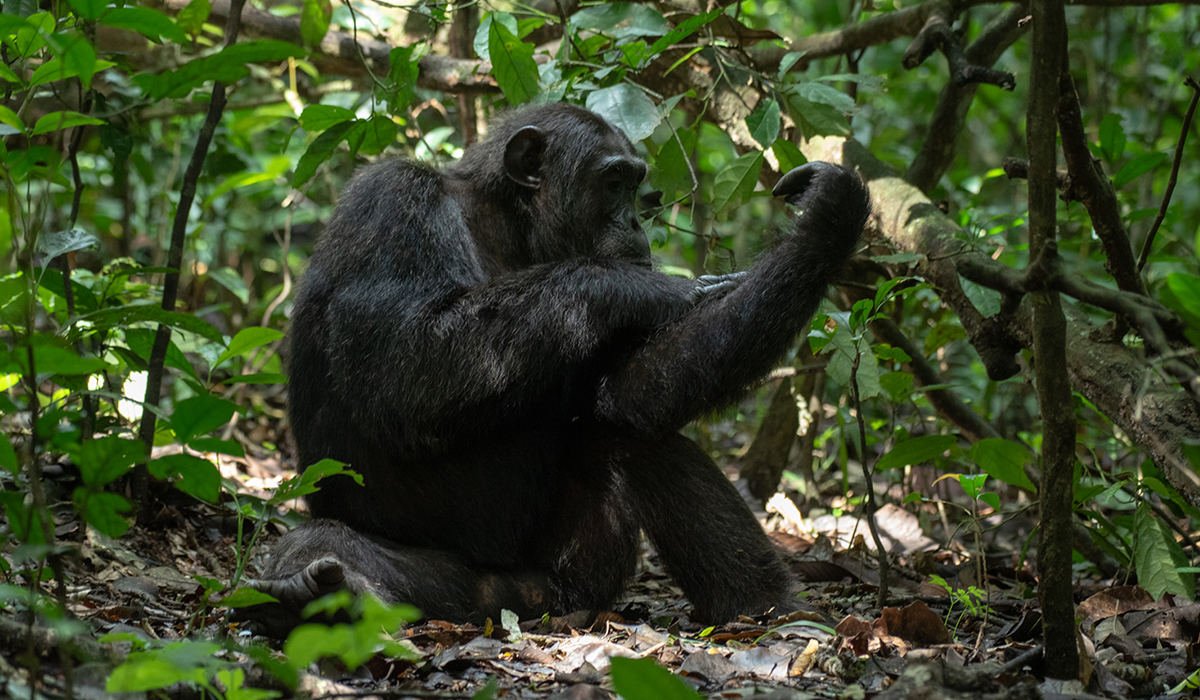
When comparing gorilla vs chimpanzee, many people wonder which animal is bigger, stronger, or more…
Rwanda Mountains: Africa’s Breathtaking Rooftop
Nestled in the heart of East Africa, Rwanda may be a small country, but its landscapes feel anything but. Often called the “Land of a Thousand Hills,” Rwanda’s terrain shapes nearly every aspect of life, from the weather and farming traditions to the wildlife and culture that make the country unique. Its mountains are some of the most striking and diverse on the continent, with mist-covered volcanoes, ancient forests, and rolling ridges stretching as far as the eye can see.
The Virunga Mountains/Volcanoes
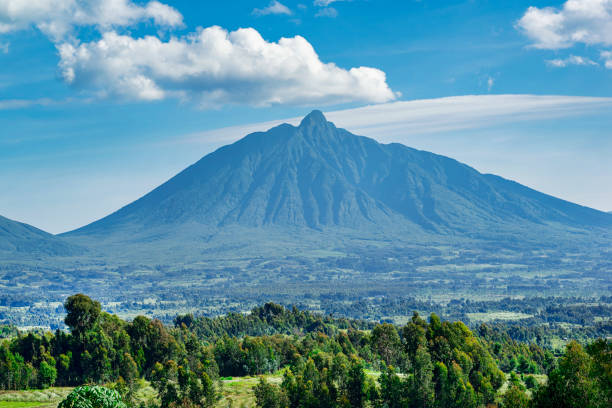
The most famous of the Rwanda mountains are the Virunga Volcanoes, a chain of towering volcanic peaks that span the borders of Rwanda, Uganda, and the Democratic Republic of Congo. Five of these volcanoes lie within Rwanda’s Volcanoes National Park: Mount Karisimbi, Mount Bisoke, Mount Muhabura, Mount Gahinga, and Mount Sabyinyo.
Mount Karisimbi is the highest point in Rwanda, rising to 4,507 metres above sea level. Its name comes from a Kinyarwanda word meaning “white shell,” inspired by the hail that often covers its summit. The mountain sits on the border between Rwanda and the DRC and offers adventurous hikers a challenging but unforgettable two-day climb. Along the way, the landscape changes dramatically, from bamboo forests and dense woodlands to open terrain near the peak, where the sweeping view stretches across two countries.
Mountain Gorillas
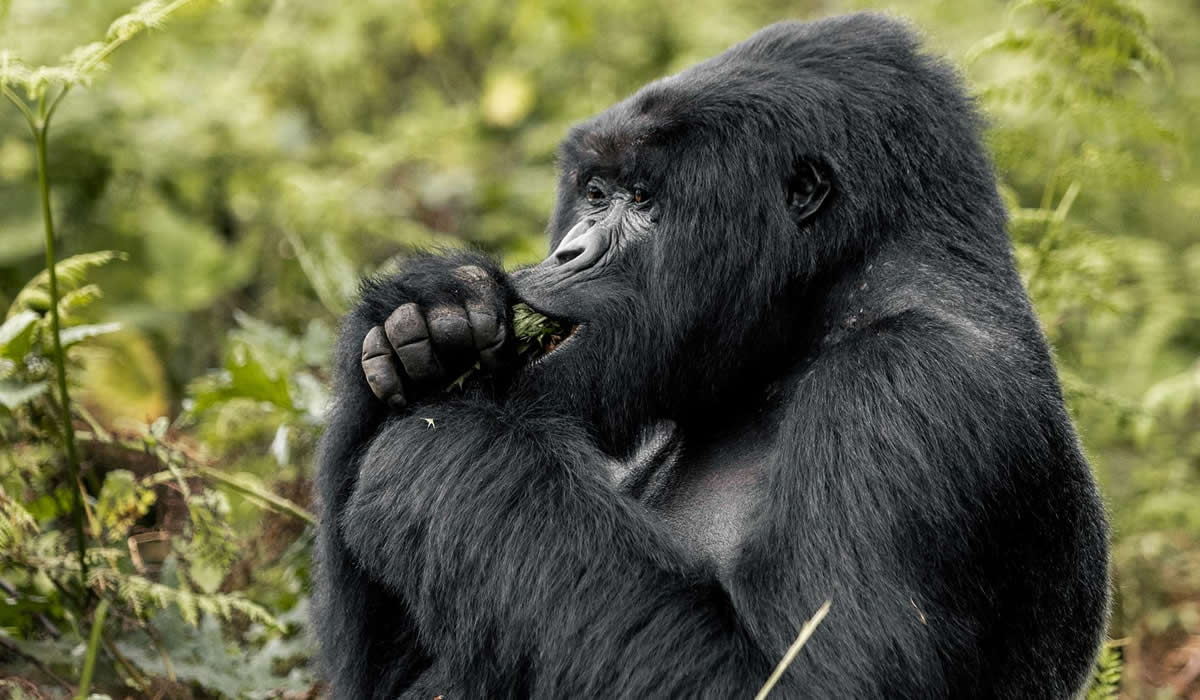
The greatest treasure the mountains have to offer, no account of the Rwanda mountains would be complete without mentioning their most famous inhabitants. The bamboo and Hagenia forests covering the lower slopes of the Virungas are home to roughly half of the world’s remaining mountain gorillas, a species so critically endangered that every individual is known by name. Gorilla trekking in Volcanoes National Park is a transformative experience: guided groups venture into the dense forest canopy, and when a silverback finally emerges from the vegetation mere metres away, the encounter leaves most visitors speechless.
Beyond gorillas, the forests shelter golden monkeys, forest buffalo, over 180 bird species, and a remarkable diversity of Afromontane flora. The ecological richness of these highlands is a direct product of the volcanic soils and the cool, moist climate that the mountains generate, conditions that support life in great abundance.
Mount Bisoke and Its Stunning Crater Lake
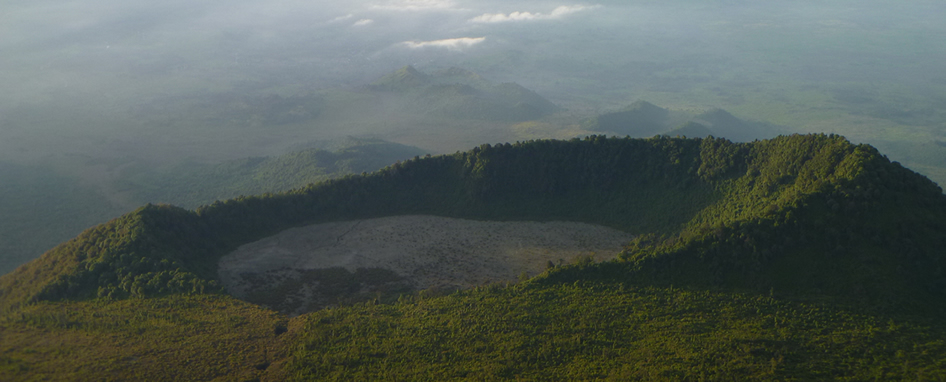
Among the many hiking opportunities in the Rwanda mountains, Mount Bisoke stands out as one of the most rewarding. The trail climbs steadily through dense rainforest before reaching the rim of an extinct volcano, where a beautiful crater lake sits nestled within the summit.
On clear days, hikers can enjoy panoramic views of neighbouring peaks rising above a sea of clouds. The hike typically takes five to six hours round-trip, and porters and guides are available to make the ascent more accessible.
The Congo-Nile Divide and Rwanda’s Endless Hills
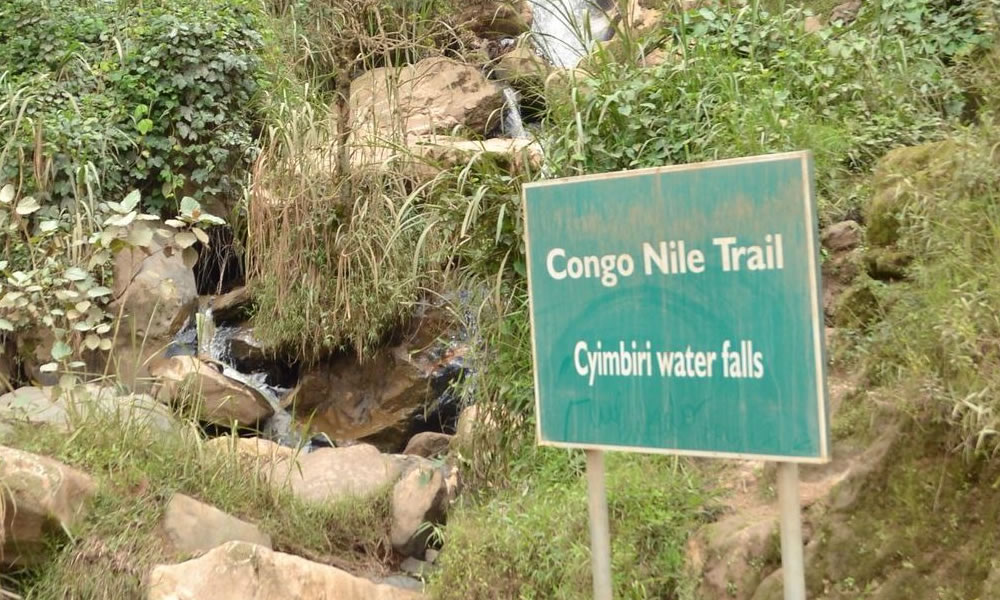
While the Virunga volcanoes are the most famous part of the Rwanda mountains, the country’s highlands extend far beyond the northern border region. The Congo-Nile Divide runs through much of western Rwanda, forming a massive ridge that separates two of Africa’s largest river systems.
Travellers exploring this area are treated to sweeping views of terraced hillsides, tea plantations, and rural communities perched high above the valleys below. These landscapes are the reason Rwanda earned its nickname as the Land of a Thousand Hills.
Further south, the mountain chain leads into Nyungwe Forest, one of Africa’s oldest rainforests. Rising to nearly 3,000 metres, this remarkable ecosystem contains over 1,000 plant species, numerous primates, and hundreds of bird species. Visitors can even cross a suspended canopy walkway for a unique perspective over the forest canopy.
Why the Rwanda Mountains Matter
The Rwanda mountains are far more than a tourist attraction. They play a crucial role in shaping the country’s climate, agriculture, and way of life. The highlands capture moisture from passing air currents, creating the rainfall that sustains Rwanda’s fertile farmland. Tea and pyrethrum grown on the mountain slopes are among the country’s most valuable agricultural exports.
Perhaps most importantly, the Rwanda mountains are home to millions of people whose communities have adapted to life in the highlands over generations. Terraced farms, winding footpaths, and hillside villages have become defining features of the landscape.
For visitors, the Rwanda mountains offer something increasingly rare in today’s world: a chance to experience wild and beautiful landscapes where conservation and local communities work hand in hand.
Related Posts