
Snow-Capped Mountains in Africa are among the continent’s most surprising natural attractions, revealing a landscape that extends far beyond tropical forests, golden savannahs and hot deserts. Although much of Africa experiences warm climates, some of its highest mountains rise into cold alpine environments where snow, frost and ice can occur. One fascinating example is Mount Karisimbi in Rwanda, a magnificent volcano reaching 4,507 metres above sea level. Located within the Virunga Mountains on the Rwanda–Democratic Republic of Congo border, Karisimbi offers challenging high-altitude hiking, remarkable volcanic scenery and occasional white summit conditions that surprise visitors exploring East Africa.
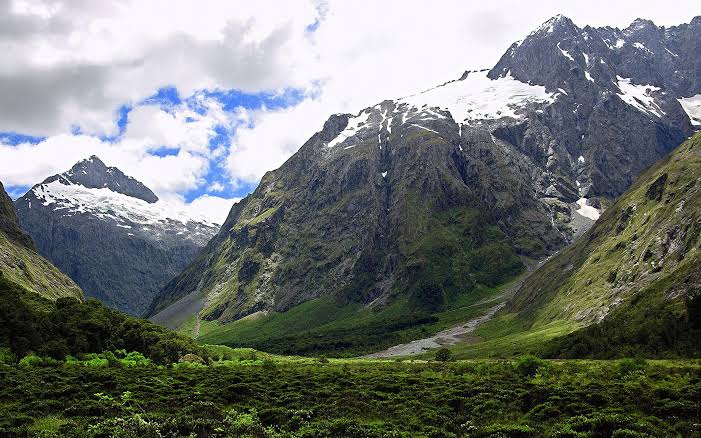
For travelers seeking a mountain adventure beyond traditional wildlife safaris, Mount Karisimbi provides an extraordinary opportunity to discover Rwanda’s dramatic highland environment. The mountain rises above bamboo forests, mist-covered valleys and unique alpine vegetation within the wider Volcanoes National Park Rwanda region. Visitors can combine the climb with gorilla trekking in Volcanoes National Park, explore Rwanda’s magnificent mountains, discover climbing volcano mountains in Rwanda and plan a private hiking safari.
Are There Snow-Capped Mountains in Africa?
Yes. Africa has several mountain ranges where snow falls seasonally or where glacial ice persists at high altitude. The most famous examples include Mount Kilimanjaro in Tanzania, Mount Kenya in Kenya and the Rwenzori Mountains between Uganda and the Democratic Republic of Congo. Snow-Capped Mountains in Africa,Seasonal snow also occurs in Morocco’s Atlas Mountains and in highlands of southern Africa. These landscapes demonstrate how elevation, temperature, moisture and regional weather conditions influence Africa’s remarkable environmental diversity.
However, not every mountain that occasionally appears white has permanent snow or glaciers. Mount Karisimbi is an excellent example: its summit can experience snowfall, frost or other frozen precipitation, but it is not permanently glaciated. Snow-Capped Mountains in Africa,For travelers exploring Rwanda safari destinations, the mountain offers a distinctive high-altitude experience alongside the country’s famous forests and wildlife attractions.
Mount Karisimbi – Rwanda’s Highest Volcano
Mount Karisimbi is an inactive volcano forming part of the Virunga volcanic chain. At approximately 4,507 metres (14,787 feet), it is the highest peak in Rwanda and the tallest of the eight major Virunga volcanoes. Its location along the Rwanda–Democratic Republic of Congo border creates spectacular views across neighboring mountains, forested slopes and volcanic valleys.
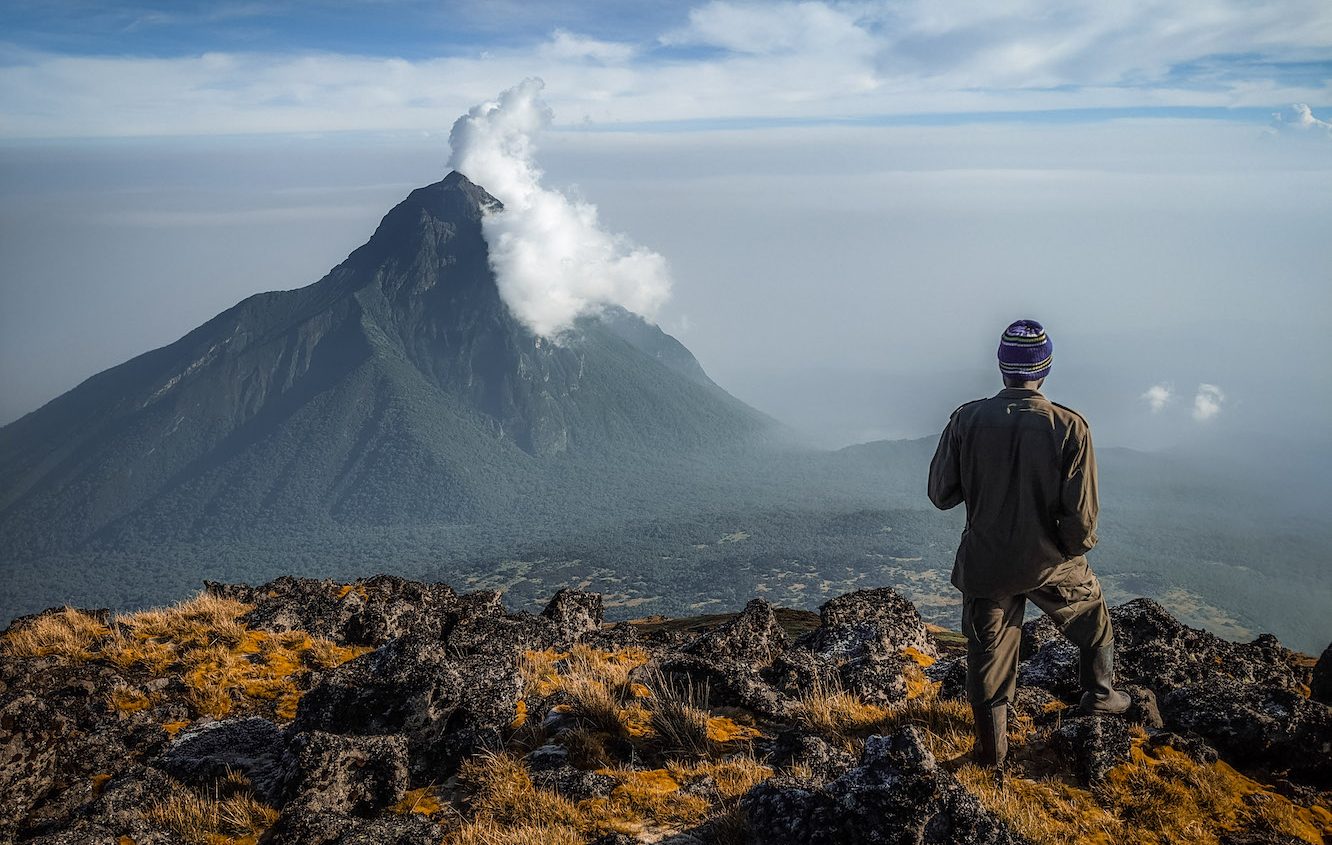
The name Karisimbi is commonly associated with the Kinyarwanda word amasimbi, referring to a white, shell-like appearance linked to snow or icy conditions near the summit. Snow-Capped Mountains in Africa,This name reflects the mountain’s unusual high-altitude climate, which differs considerably from the warmer conditions experienced in Kigali and other lower-elevation destinations.
Mount Karisimbi is also important to Rwanda’s natural heritage because it forms part of the protected mountain landscape associated with endangered mountain gorillas. Travelers can explore Rwanda’s volcanic mountains, read about mountain climbing in Rwanda and discover tourist attractions around Musanze.
Does Mount Karisimbi Have Snow?
Mount Karisimbi can receive snow at its summit, particularly when cold temperatures combine with suitable weather conditions. Visitors may also encounter frost, rime ice or frozen precipitation that gives vegetation and rocky surfaces a white appearance. Snow-Capped Mountains in Africa,These conditions can make the mountain look snow-covered, even though it does not support permanent glaciers like Kilimanjaro or the Rwenzori Mountains.
Rwanda’s official tourism information identifies June, July and August among the periods when snow may be found at the summit. Nevertheless, snow is not guaranteed during any particular month or hiking departure. A visitor may reach the summit and encounter clear volcanic rock, dense clouds, frost or a temporary white covering, depending on recent weather.
For this reason, Mount Karisimbi is best promoted as a high-altitude volcano with occasional snow, rather than as a permanently snow-covered mountain. Its beautiful landscapes, challenging trail and panoramic mountain views remain rewarding even when the summit is completely snow-free.
Where Is Mount Karisimbi Located?
Mount Karisimbi is located in northwestern Rwanda within the Virunga Mountains, near the Democratic Republic of Congo border. The mountain is accessible through the Volcanoes National Park tourism area around Musanze and Kinigi. Visitors normally begin their journey in Kigali, traveling approximately two and a half to three hours by road toward the park region.
The mountain is surrounded by other spectacular volcanic peaks, including Mount Bisoke to the east and Mount Mikeno toward the Democratic Republic of Congo. Snow-Capped Mountains in Africa,This concentration of volcanic mountains creates one of East Africa’s most impressive highland landscapes.
Travelers can combine a Karisimbi hike with Volcanoes National Park attractions, Musanze sightseeing experiences, Rwanda mountain adventures and a personalized Rwanda safari.
Hiking Mount Karisimbi – A Two-Day Mountain Adventure
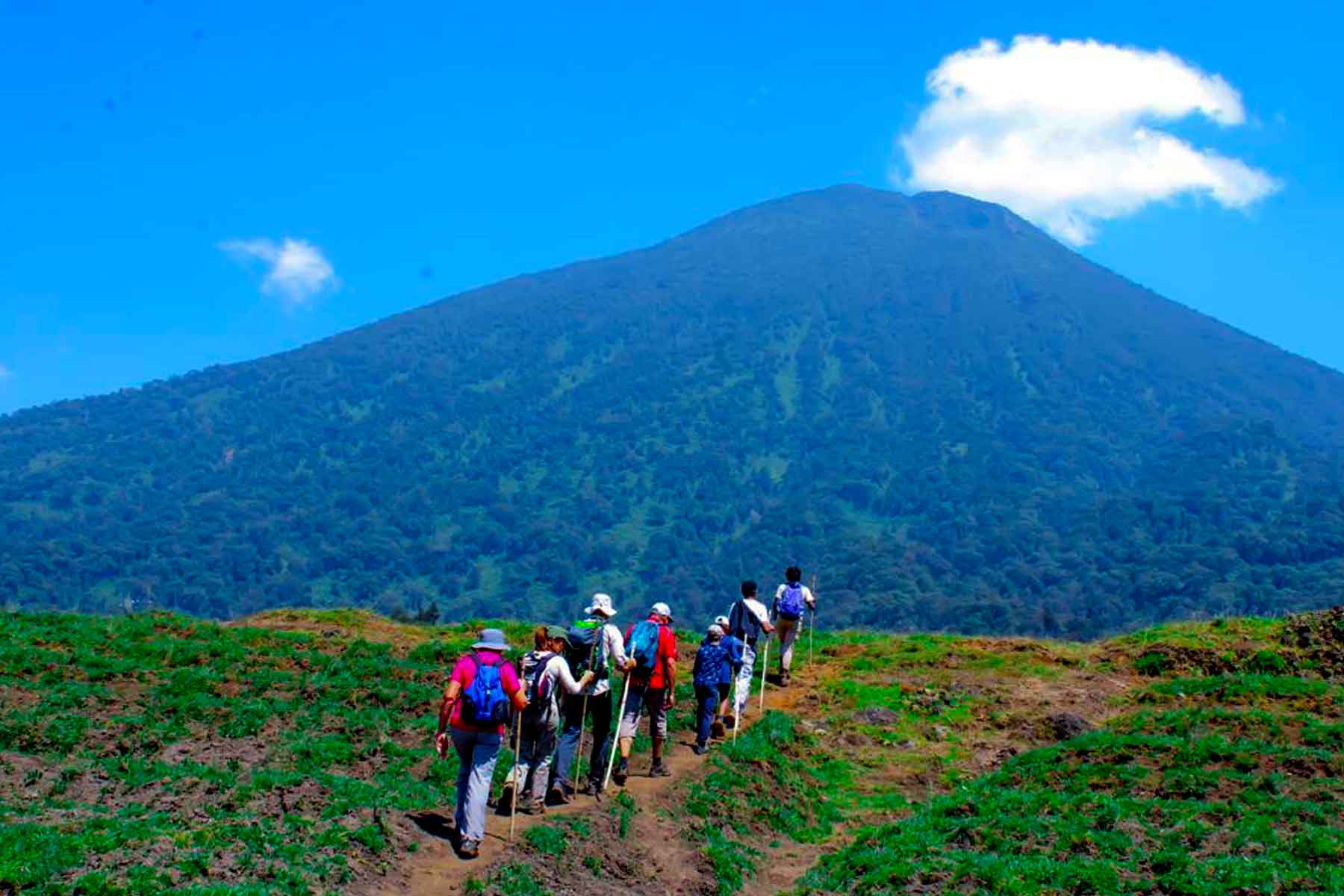
Climbing Mount Karisimbi is one of Rwanda’s most demanding and rewarding mountain hiking experiences. The standard ascent is organized over two days, allowing climbers to gradually progress through different vegetation zones before camping overnight and reaching the summit the following morning. The trek requires good physical fitness, adequate preparation and the ability to cope with steep paths and high-altitude conditions.
Day 1: Hiking Through Forests and Highland Vegetation
The first day begins with an early reporting time at the designated park registration point, followed by an official briefing and transfer toward the hiking trail. Accompanied by authorized guides and support personnel, climbers begin walking through lush forest environments before ascending into increasingly open mountain vegetation.
The landscape changes dramatically with elevation. Snow-Capped Mountains in Africa,Bamboo and montane vegetation gradually give way to giant heathers, highland plants and exposed slopes. Hiking conditions may become muddy, while mist and intermittent rain can reduce visibility. The first day’s ascent usually ends at a designated campsite at approximately 3,700 metres, where visitors spend the night before the summit attempt.
Day 2: Reaching the Summit of Mount Karisimbi
The second day normally begins early in the morning when climbers leave camp for the summit. Higher sections of the mountain feature colder temperatures, stronger winds and more exposed volcanic terrain. Depending on the weather, hikers may encounter frost, ice or occasional snow near the summit.
Reaching 4,507 metres provides a memorable sense of achievement and, when visibility permits, spectacular views across the Virunga volcanic landscape. After spending time at the summit, climbers descend through the highland vegetation and forest to the designated trail exit point.
The route is challenging, and weather conditions can substantially affect hiking duration. Travelers can explore volcano climbing in Rwanda, discover the wider Virunga Mountains and request a guided Karisimbi hiking package.
Mount Karisimbi Hiking Permit Cost
Rwanda’s official tourism booking portal lists the Mount Karisimbi hiking permit at USD 400 for a foreign adult visitor. Different rates apply to eligible Rwandan citizens, East African citizens and qualifying resident categories. The published minimum hiking age is 15 years, and the maximum group size is 12 hikers.
The hiking permit should not be confused with a mountain gorilla trekking permit, which is a separate activity with a separate fee. Camp equipment, porters, food, accommodation before and after the hike, and transportation should be clearly checked in the tour quotation rather than assumed to be included in the permit price.
Travelers can explore Rwanda hiking experiences, compare Volcanoes National Park activities and request a full Karisimbi hiking cost breakdown.
How Difficult Is Mount Karisimbi Hiking?
Mount Karisimbi is considered a strenuous mountain hike because of its altitude, steep terrain, changing weather and overnight camping requirements. Although technical mountaineering skills are not normally necessary on the standard route, visitors must be prepared for long walking periods, slippery sections and exposure to low temperatures.
Altitude is an important consideration because the summit rises well above 4,000 metres. Some hikers may experience headache, fatigue, dizziness or other symptoms associated with altitude sickness. Visitors should maintain an appropriate pace, stay hydrated, follow their guides’ instructions and descend if serious altitude-related symptoms develop.
The mountain is generally better suited to active travelers with prior hiking experience than to visitors seeking a short, casual nature walk. Those wanting an alternative can explore Mount Bisoke and other Rwanda volcano hikes before choosing their preferred adventure.
What Wildlife Can Be Found Around Mount Karisimbi?
Mount Karisimbi forms part of the broader Virunga ecosystem, which supports exceptional biodiversity across different elevations. Lower forest environments provide habitat for important primate populations, including mountain gorillas and golden monkeys, as well as numerous bird species and other forest animals.
However, climbing Karisimbi is primarily a mountain hiking experience, not a substitute for an authorized mountain gorilla trek. Wildlife encounters along the hiking trail are unpredictable, and visitors should not expect to approach gorillas without a separate permitted trekking activity.
Travelers can combine a mountain hiking itinerary with gorilla trekking in Volcanoes National Park, golden monkey tracking and a visit to the Ellen DeGeneres Campus of the Dian Fossey Gorilla Fund.
Best Time to Hike Mount Karisimbi in Rwanda
Mount Karisimbi can be climbed during suitable operating conditions throughout the year, but Rwanda’s relatively dry periods from June to September and December to February are generally preferred for mountain hiking. During these months, some trails may be less muddy and visibility may improve, although weather remains unpredictable at high altitude.
Visitors whose main interest is seeing snow should understand that dry-season hiking does not guarantee snow at the summit. High elevations can experience cold nights and frost, but the appearance and persistence of snow depend on actual weather conditions rather than fixed tourist seasons.
For the most enjoyable experience, travelers should prioritize safe conditions, appropriate equipment and adequate fitness instead of planning around a promised snowfall. Explore Rwanda’s volcano hiking opportunities or request seasonal travel advice.
What to Pack for Mount Karisimbi Hiking
A successful Karisimbi hike requires more equipment than an ordinary nature walk. Hikers should carry waterproof boots with strong grip, warm layers, a waterproof jacket, gloves, a warm hat and suitable hiking trousers. Because the route involves overnight camping, appropriate sleeping equipment and protection against low temperatures are essential.
Other useful items include a headlamp, sufficient drinking water, high-energy snacks, trekking poles, personal medication, a first-aid kit and a waterproof covering for bags and electronics. Porters can assist with selected equipment, while hiking guides help travelers follow authorized routes and safety procedures.
Before departure, visitors should confirm exactly which camping equipment, meals and support services are supplied by their hiking operator.
Other Famous Snow-Capped Mountains in Africa
Although Mount Karisimbi is one of Rwanda’s most fascinating high-altitude peaks, several other African mountains are better known for persistent ice or seasonal snowfall.
The difference between these destinations is important for travelers interested in snowy scenery. Kilimanjaro, Mount Kenya and the Rwenzori Mountains retain glacier ice, although it is shrinking rapidly. Mount Karisimbi offers occasional summit snow and a challenging volcanic hike without permanent glaciation.
For travelers wanting to explore Rwanda’s mountains, visit Rwanda Mountains: Africa’s Breathtaking Rooftop or discover the best volcanic hiking routes in Rwanda.
Combine Mount Karisimbi Hiking with Gorilla Trekking
One of the best ways to experience Rwanda’s highland landscapes is to combine a Mount Karisimbi hike with mountain gorilla trekking in Volcanoes National Park. These activities provide two very different encounters with the Virunga environment: one focused on reaching a high volcanic summit and the other on observing endangered mountain gorillas in their natural habitat.
Because Karisimbi hiking involves substantial physical effort, travelers should arrange enough time for rest between activities. A combined itinerary of four or five days may be more comfortable than attempting both excursions on consecutive mornings without recovery time.
Visitors can explore gorilla trekking in Volcanoes National Park, discover golden monkey tracking, review Rwanda safari packages and request a customized combined hiking safari.
Recommended 4-Day Mount Karisimbi Hiking Safari
Day 1: Kigali to Volcanoes National Park
Arrive in Kigali or begin your journey from your hotel before driving toward Musanze and the Volcanoes National Park region. Enjoy beautiful views of Rwanda’s rolling hills, check into your selected accommodation and receive an introduction to the following day’s hiking arrangements.
Day 2: Begin the Mount Karisimbi Ascent
After an early breakfast, proceed to the designated registration point for a briefing and transfer to the hiking trail. Begin the ascent through forest and montane vegetation with authorized guides before reaching the overnight campsite on the mountain. Enjoy dinner and prepare for the early summit attempt.
Day 3: Summit Mount Karisimbi and Descend
Begin the final ascent early in the morning, making your way toward the 4,507-metre summit. Depending on weather conditions, enjoy dramatic volcano views and possibly observe frost or temporary snow. Descend to the trail exit point and return to your lodge for a well-deserved rest.
Day 4: Musanze Activities and Return to Kigali
After breakfast, enjoy a relaxed morning and consider visiting a cultural attraction or conservation education site around Musanze before returning to Kigali. Travelers with additional time can extend their holiday for mountain gorilla trekking, golden monkey tracking or Lake Kivu relaxation.
Explore tourist things to do in Musanze, Volcanoes National Park attractions and personalized Rwanda safari planning.
Frequently Asked Questions About Snow-Capped Mountains in Africa
1. Are there Snow-Capped Mountains in Africa?
Yes. Snow-Capped Mountains in Africa include Mount Kilimanjaro in Tanzania, Mount Kenya in Kenya and the Rwenzori Mountains between Uganda and the Democratic Republic of Congo. Seasonal or occasional snowfall also occurs on other high peaks, including Mount Karisimbi in Rwanda.
2. Is Mount Karisimbi one of the Snow-Capped Mountains in Africa?
Mount Karisimbi is among the African mountains that can experience snow, frost and icy summit conditions. However, it does not have permanent glaciers and should not be described as snow-covered throughout the year.
3. Does it snow in Rwanda?
Yes. Snowfall can occur at high elevations on Mount Karisimbi, although it is uncommon across Rwanda generally. Most parts of the country experience tropical highland climates without regular snowfall.
4. What is the highest mountain in Rwanda?
Mount Karisimbi is Rwanda’s highest mountain, rising approximately 4,507 metres above sea level. It forms part of the Virunga volcanic range on the border with the Democratic Republic of Congo.
5. How long does it take to hike Mount Karisimbi?
The standard Mount Karisimbi hike normally takes two days, including an overnight stay at a mountain campsite. The first day involves ascending through different vegetation zones, while the second includes the summit attempt and descent.
6. How difficult is Mount Karisimbi hiking?
Mount Karisimbi hiking is physically demanding because of the mountain’s altitude, steep trails, cold temperatures and potentially muddy conditions. It is better suited to reasonably fit travelers who are comfortable with sustained mountain walking.
7. What is the best time to see snow on Mount Karisimbi?
Snow and frost depend on local weather conditions and cannot be guaranteed. Rwanda’s official tourism information identifies June, July and August among periods when snow may be found near the summit. Hiking should be planned primarily around suitable weather and trail conditions.
8. How much does a Mount Karisimbi hiking permit cost?
Rwanda’s official booking portal lists the foreign adult hiking permit at USD 400. Additional costs may apply for transport, camping equipment, meals, porters and accommodation. Travelers should request a complete quotation before booking.
9. What is the minimum age for climbing Mount Karisimbi?
The minimum age listed by Rwanda’s official tourism booking system is 15 years. Climbers should also have suitable physical fitness and be prepared for high-altitude conditions.
10. Can Mount Karisimbi hiking be combined with gorilla trekking?
Yes. Travelers can combine the two-day Mount Karisimbi hike with authorized mountain gorilla trekking in Volcanoes National Park. A separate gorilla trekking permit is required, and additional rest time is recommended between demanding activities. Explore gorilla trekking in Volcanoes National Park.
11. Which Snow-Capped Mountains in Africa have glaciers?
Africa’s remaining mountain glacier systems occur on Mount Kilimanjaro, Mount Kenya and the Rwenzori Mountains. These glaciers have been shrinking significantly, and their future depends on continuing climatic changes.
12. Can tourists climb Mount Karisimbi without a guide?
Mount Karisimbi hiking is managed through authorized Volcanoes National Park arrangements. Visitors should book the applicable permit and participate with the required professional guiding and support arrangements rather than attempting an independent, unauthorized ascent.
13. Is Mount Karisimbi an active volcano?
Mount Karisimbi is an inactive volcano within the Virunga Mountain range. Although it is part of a volcanically active region, Karisimbi itself is not known for ongoing eruptive activity.
14. What wildlife can visitors see near Mount Karisimbi?
The wider Volcanoes National Park ecosystem supports mountain gorillas, golden monkeys, forest birds and other wildlife. Sightings during the Karisimbi hike are unpredictable, and visitors need separate permits for organized gorilla or golden monkey trekking.
15. Why is Mount Karisimbi famous among Snow-Capped Mountains in Africa?
Mount Karisimbi is famous for being Rwanda’s highest mountain, its challenging two-day hiking route, spectacular Virunga volcano scenery and occasional white summit conditions. It offers a distinctive high-altitude adventure in a country better known internationally for mountain gorilla trekking.
Book Your Mount Karisimbi Hiking Safari with Fruits of Hope Adventure Tours
Discover one of Rwanda’s most extraordinary mountain adventures with Fruits of Hope Adventure Tours. Whether you want to climb Mount Karisimbi, explore the Virunga volcanic landscape or combine your hike with mountain gorilla trekking, our team can help organize suitable accommodation, private transportation, activity permits and professional guiding arrangements.
Explore Climbing Volcano Mountains in Rwanda, discover Volcanoes National Park Rwanda, compare Rwanda Safari Packages, learn about gorilla trekking in Volcanoes National Park and contact our safari team for a personalized quotation.