
What do gorillas eat? This is one of the most interesting questions asked by travellers planning to see mountain gorillas in Rwanda. Despite their enormous size, muscular bodies, and impressive strength, gorillas survive mainly on a plant-based diet.What do gorillas eat? , These fascinating primates spend several hours each day feeding on leaves, stems, shoots, and other vegetation found naturally in their forest habitats. Their feeding habits are an important part of their daily lives and contribute to their survival in the wild.
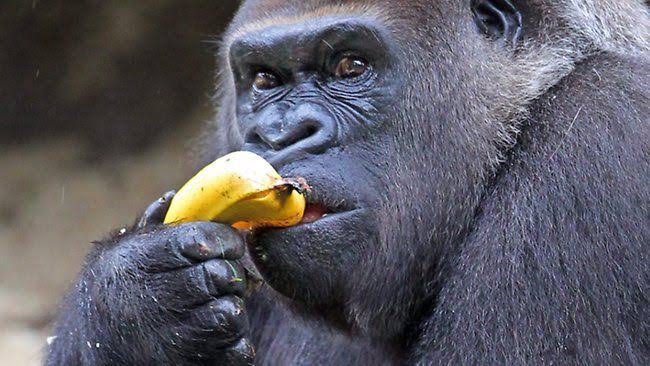
A fully grown silverback gorilla can weigh more than 180 kilograms, making it one of the most powerful primates in the world. Looking at their muscular bodies, many people assume that gorillas must consume large quantities of meat or animal protein. However, mountain gorillas are primarily herbivores, obtaining most of their nutrients from plants. What do gorillas eat? ,Their digestive systems are specially adapted to process fibrous vegetation, allowing them to maintain their impressive body size without relying on a carnivorous diet.
Understanding what gorillas eat provides valuable insight into their behaviour, movements, and relationship with the natural environment. In Rwanda, mountain gorillas live within the protected forests of Volcanoes National Park, where visitors can observe their feeding habits during organised gorilla trekking experiences.What do gorillas eat? Travellers interested in these remarkable primates can explore the most interesting facts about mountain gorillas in Rwanda before planning a journey to see them in their natural habitat.
What Do Gorillas Eat in Rwanda’s Mountain Forests?
Mountain gorillas living in Rwanda primarily consume vegetation found in the high-altitude forests of the Virunga Mountains. Their diet includes leaves, tender stems, roots, shoots, climbing plants, and other edible forest materials. Unlike western lowland gorillas, which consume more fruit, mountain gorillas have limited access to fruit-bearing trees because of the cooler temperatures and higher elevations of their habitat. As a result, their diet depends heavily on herbaceous plants available throughout the forest.
Research has identified dozens of plant species eaten by mountain gorillas in the Virunga region. Among their preferred foods are wild celery, thistles, nettles, bamboo shoots, and several climbing plants. These foods provide nutrients that support growth, muscle development, and everyday activities. Gorilla families move through different forest areas searching for suitable vegetation, with their feeding locations influenced by plant availability, habitat conditions, and the distribution of their favourite food species.
Visitors exploring the natural mountain gorilla habitats of Volcanoes National Park may observe gorillas carefully selecting particular plant parts before eating. What do gorillas eat? They use their strong hands, flexible lips, and powerful jaws to remove leaves, break stems, and handle vegetation. This selective feeding behaviour allows them to obtain suitable food while avoiding unwanted plant material. Watching gorillas feed in their natural habitat provides a fascinating understanding of how closely these animals depend on Rwanda’s protected mountain forests.
What Are the Favourite Foods of Mountain Gorillas?
One of the favourite foods of mountain gorillas is wild celery, a plant commonly found in the forests of the Virunga Mountains. Gorillas feed on its tender stems and other suitable parts, which provide important nutrients. What do gorillas eat? Thistles and nettles are also frequently consumed, alongside various climbing plants and leafy vegetation. Although these plants may appear ordinary, they form an essential part of the mountain gorilla diet and help support the nutritional requirements of these large primates.
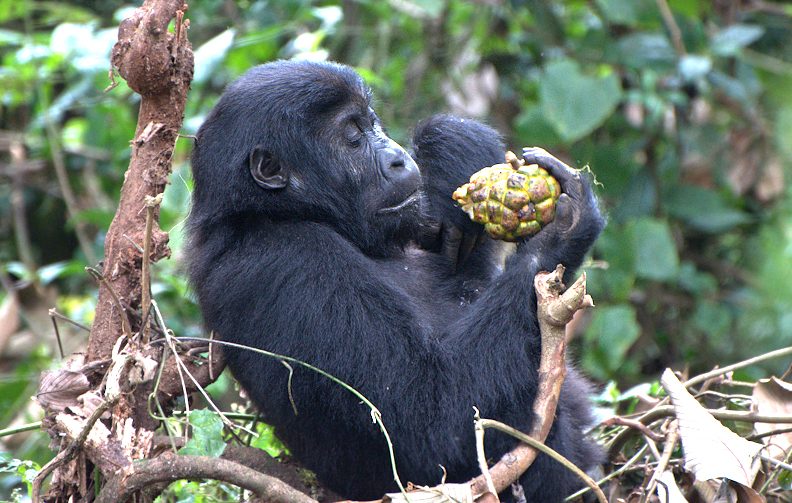
Bamboo shoots are another important food source, particularly during periods when young shoots are available. Mountain gorillas may spend considerable time feeding in bamboo-rich forest areas because the young shoots are tender and nutritious. What do gorillas eat? The availability of bamboo changes throughout the year, influencing the feeding patterns and movements of some gorilla families. Other foods occasionally consumed include flowers, bark, roots, and limited quantities of wild fruits, depending on the vegetation growing within their home ranges.
What gorillas eat can also vary between different gorilla populations and geographical locations. Mountain gorillas in Rwanda and neighbouring parts of the Virunga Mountains generally rely heavily on leafy vegetation, while gorillas living in lower-altitude forests may consume a more diverse range of fruits and other plant materials.What do gorillas eat? Travellers interested in observing these feeding habits can consider the three-day Volcanoes National Park Rwanda gorilla trekking tour, which provides an opportunity to encounter mountain gorillas in the forest.
How Much Food Do Silverback Gorillas Eat Every Day?
A mature silverback gorilla requires a substantial amount of food to support its large body and maintain energy throughout the day. Adult male mountain gorillas can consume approximately 18 kilograms, or 40 pounds, of vegetation daily, although their actual intake varies. This impressive quantity reflects the amount of plant material needed to obtain sufficient energy and nutrients. Female gorillas and younger members of a gorilla family generally consume smaller quantities because of differences in their body size and nutritional requirements.
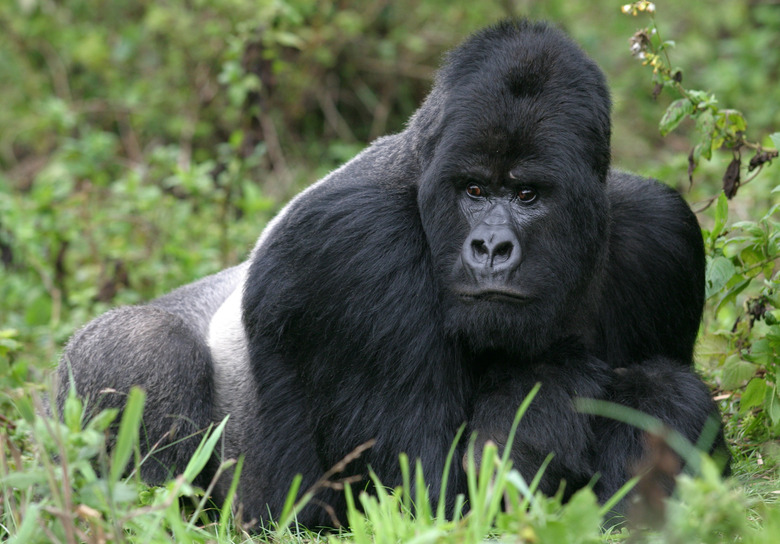
Mountain gorillas spend several hours feeding because their diet consists largely of plant material that requires considerable processing and digestion.What do gorillas eat? Their strong jaws and large chewing muscles allow them to break down tough stems and fibrous leaves. Inside their digestive systems, specialised microorganisms help ferment plant fibre, making it possible to extract energy from vegetation. This adaptation is one of the reasons gorillas can develop and maintain powerful bodies while consuming a diet dominated by plants.
Feeding takes place throughout the day, usually alternating with periods of movement, social interaction, and rest. A silverback often influences the movements of his family group as they travel between feeding areas and resting locations. What do gorillas eat? During a three-day Rwanda gorilla trekking safari experience, visitors may observe a silverback selecting vegetation, younger gorillas feeding nearby, or family members resting after consuming large quantities of forest plants.
Do Gorillas Eat Meat or Other Animals?
Mountain gorillas are primarily herbivorous and do not normally hunt large animals for food. Their diet consists almost entirely of vegetation, including leaves, stems, shoots, and roots. Although gorillas have powerful jaws and long canine teeth, these physical features are not evidence of a meat-based diet. Their canine teeth are particularly important in social displays and competition, while their other teeth help process plant material. Unlike chimpanzees, mountain gorillas are not known for regularly hunting mammals.
However, gorillas may occasionally consume small insects and other invertebrates. Some observations have recorded mountain gorillas feeding on ants, beetles, and other tiny animals, although these foods contribute very little to their overall diet.What do gorillas eat? Plant material remains their primary source of nutrition. Gorillas may also occasionally ingest soil, a behaviour researchers have investigated in relation to mineral intake and other possible physiological benefits, although the precise reasons can vary and are not completely understood.
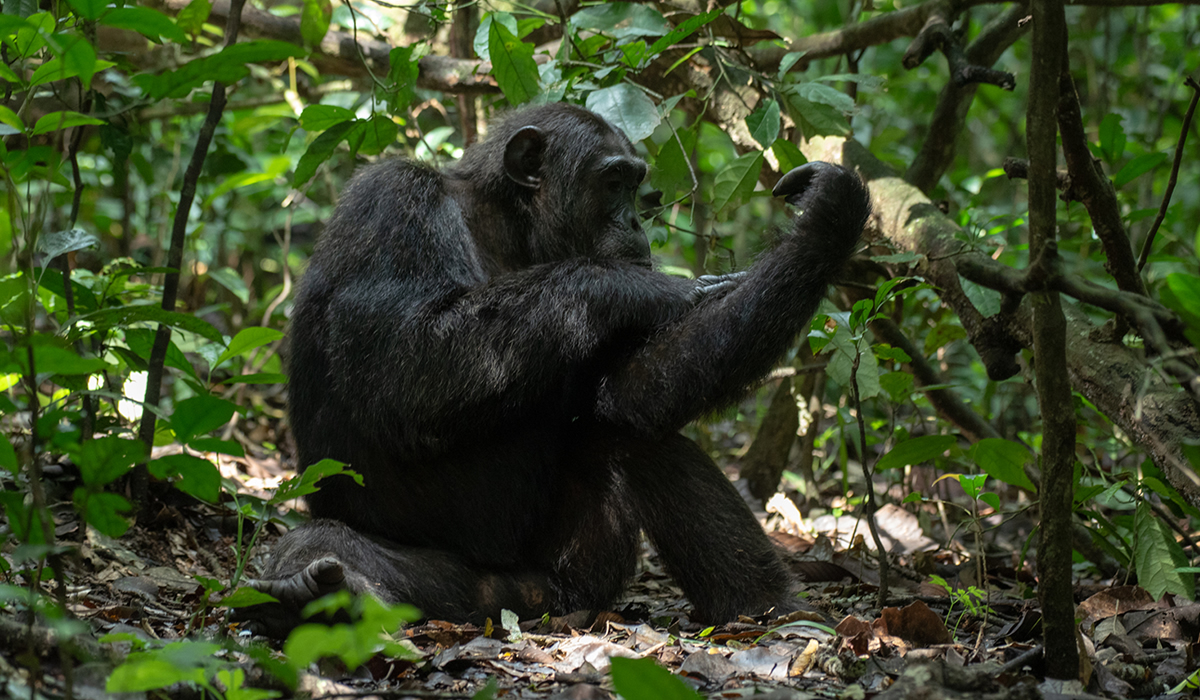
The feeding habits of gorillas differ from those of other African primates, particularly chimpanzees, which consume a more varied diet that includes fruits, insects, and occasionally meat. Travellers interested in understanding these differences can explore Rwanda’s wildlife and primate safari experiences or combine mountain gorilla trekking with chimpanzee tracking in Nyungwe Forest National Park. Observing different primates in their natural environments provides valuable opportunities to appreciate how animals adapt their feeding behaviour to the habitats in which they live.
Do Mountain Gorillas Drink Water?
One of the most surprising facts about mountain gorillas is that they rarely need to drink water directly from rivers or streams.What do gorillas eat? This behaviour is closely connected to what gorillas eat because much of their daily water intake comes from the plants they consume. Fresh leaves, tender stems, bamboo shoots, and other succulent vegetation contain significant moisture, helping gorillas meet their hydration requirements while feeding.
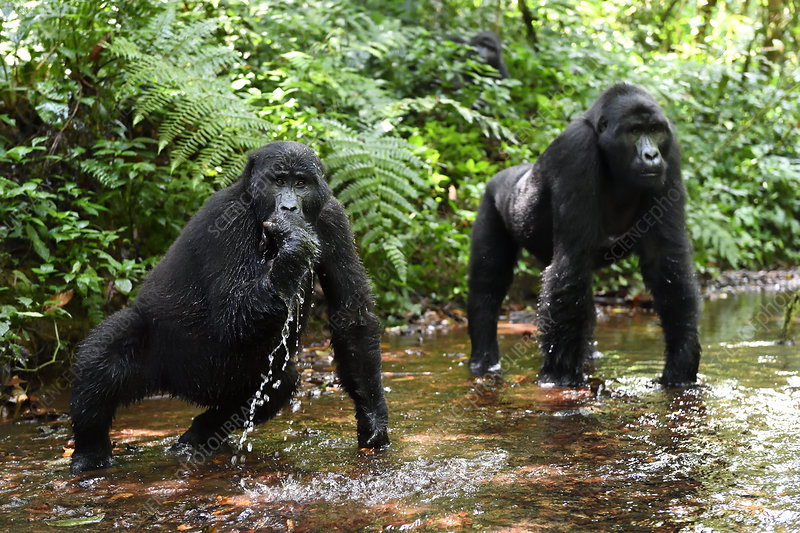
The forests of Volcanoes National Park experience regular rainfall, cool temperatures, and high humidity, creating favourable conditions for moisture-rich vegetation. What do gorillas eat? Morning dew and rainwater collecting on leaves may provide additional moisture. Because mountain gorillas consume substantial quantities of fresh plant material, they can obtain much of the water needed for normal bodily functions without frequently visiting natural water sources. However, they remain capable of drinking water when necessary.
For visitors taking part in the two-day Rwanda mountain gorilla tracking experience, it is common to observe gorillas eating vegetation without seeing them stop for a drink. What do gorillas eat? This natural behaviour demonstrates how well mountain gorillas have adapted to their environment. Their diet provides both essential nutrients and moisture, allowing them to survive within the mist-covered forests of Rwanda’s mountainous landscapes.
How Do Baby Gorillas Learn What to Eat?
Baby gorillas begin their lives depending on their mothers for milk, warmth, and protection. During their earliest months, infants spend much of their time clinging to their mothers as the family travels through the forest. As they grow older, they gradually become interested in the vegetation consumed by adult gorillas. What do gorillas eat? Young gorillas may begin exploring leaves, stems, and other plant materials while continuing to nurse, slowly becoming familiar with the foods available in their natural environment.
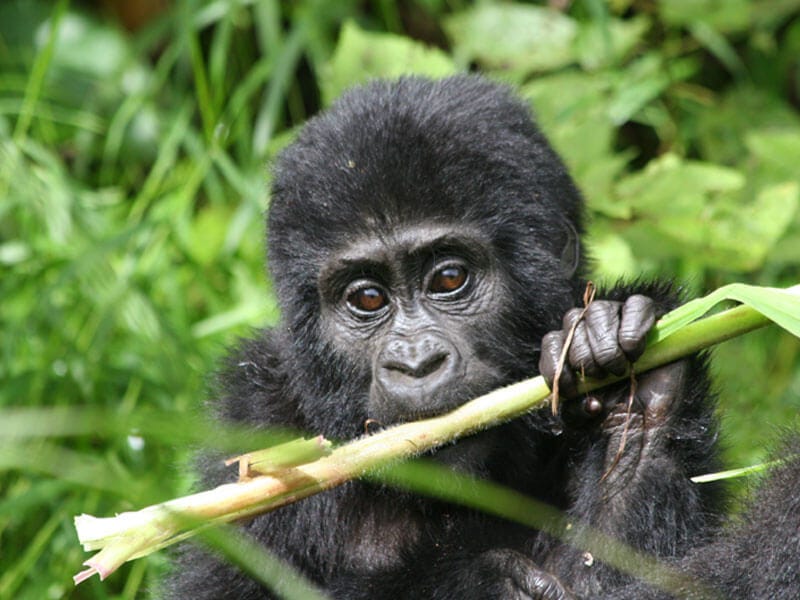
Learning what to eat is an important part of a young gorilla’s development. Juveniles observe their mothers and other family members selecting vegetation, removing unwanted plant parts, and feeding. What do gorillas eat? Through observation and exploration, they gradually develop their own feeding skills. Some young gorillas may experiment with different leaves and shoots before learning which materials are suitable. These activities contribute to their growing independence and help them adapt to life within the forest ecosystem.
Visitors exploring the remarkable mountain gorilla families of Rwanda may observe younger gorillas copying adults, investigating vegetation, or playing among plants while other members of the family feed. Such interactions demonstrate the social nature of mountain gorillas and the importance of learning within family groups. Watching these behaviours during a guided trek offers a deeper understanding of how young gorillas develop the skills needed to survive in the wild.
Why Are Gorillas So Strong If They Only Eat Plants?
Many people wonder how gorillas develop such powerful bodies when their diet consists mainly of vegetation. The answer involves their natural anatomy, genetics, muscle development, and ability to obtain nutrients from plant foods. Mountain gorillas possess large muscles that support climbing, travelling, feeding, and other physical activities. Their muscular appearance is a normal characteristic of their species rather than the result of consuming meat or following a protein-rich animal-based diet.
The plants eaten by mountain gorillas provide nutrients needed for growth and maintenance, including protein, carbohydrates, minerals, and other essential substances. Gorillas also have specialised digestive systems that allow microorganisms to ferment fibrous vegetation and release usable energy. These adaptations enable them to obtain nutritional benefits from leaves, stems, and other foods that humans cannot digest as efficiently. Their large body size and digestive capacity allow them to process considerable quantities of vegetation each day.
A silverback’s strength is especially important for protecting his family, establishing social dominance, and responding to potential threats. However, mountain gorillas are generally peaceful animals that spend much of their time feeding, resting, and interacting with family members. Visitors taking part in the five-day gorilla trekking safari in Rwanda may observe the impressive physical appearance of a silverback while also witnessing the calm feeding and social behaviour that characterises these remarkable primates.
Why the Mountain Gorilla Diet Matters for Conservation
Understanding what gorillas eat is essential for protecting their natural habitats and ensuring their long-term survival. Mountain gorillas depend on forest vegetation for food, moisture, shelter, and suitable living conditions. When forests are cleared, damaged, or disturbed, the availability of important food plants can decline. Habitat loss and fragmentation may also affect the movements of gorilla families, making it more difficult for them to access suitable feeding areas and maintain their natural behaviours.
Conservation organisations and park authorities work to protect the vegetation and ecosystems that support mountain gorillas. These efforts include habitat monitoring, anti-poaching patrols, environmental education, and community conservation programmes. Scientists also study the feeding habits of gorillas to understand how changes in vegetation influence their movements, nutrition, and population health. Protecting the forests of Volcanoes National Park is therefore essential for maintaining the food resources required by Rwanda’s endangered mountain gorillas.
Tourism contributes to these conservation efforts through regulated gorilla trekking activities and associated conservation funding. Visitors participating in guided gorilla trekking adventures in Volcanoes National Park have the opportunity to learn about the importance of preserving mountain gorilla habitats. Responsible tourism can also support nearby communities through employment and tourism-related opportunities, strengthening the connection between wildlife protection and sustainable local development.
Experience Mountain Gorilla Feeding Habits in Rwanda
One of the most memorable ways to understand what gorillas eat is to observe them feeding in their natural forest habitat. Gorilla trekking in Volcanoes National Park provides visitors with the opportunity to encounter habituated mountain gorilla families under the guidance of trained park rangers and trackers. During the experience, travellers hike through forest vegetation in search of an assigned gorilla group, following established conservation regulations designed to protect both visitors and wildlife.
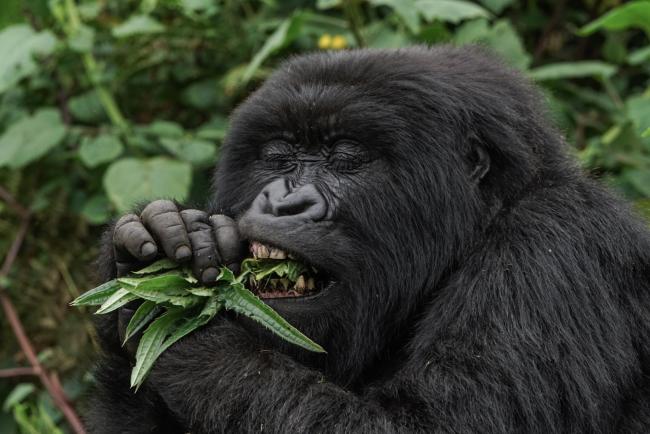
Once the gorilla family is located, visitors are generally permitted to spend up to one hour observing the animals. During this time, they may watch a silverback feeding on tender stems, adult females selecting leaves, or young gorillas exploring vegetation. Other natural behaviours, including grooming, resting, and social interaction, may also be observed. Every encounter is different because gorillas move freely within their habitat and behave according to their natural daily routines.
Travellers interested in combining gorilla trekking with other primate encounters can consider the four-day gorilla and golden monkey tracking tour. This experience provides opportunities to discover different primate species and learn about their behaviour within Rwanda’s protected forests. Fruits of Hope Adventure Tours helps travellers explore these wildlife destinations through organised safari experiences that highlight Rwanda’s remarkable biodiversity and conservation achievements.
What Do Gorillas Eat – Second Wildlife Image
Frequently Asked Questions About What Gorillas Eat
1. What do gorillas eat in the wild?
Gorillas in the wild primarily eat vegetation, including leaves, stems, shoots, roots, and other edible plant materials. Their exact diet depends on their species and habitat. Mountain gorillas living in Rwanda’s Volcanoes National Park mainly consume wild celery, thistles, nettles, bamboo shoots, and other forest plants. Western lowland gorillas generally consume more fruit because they inhabit forests where fruit-bearing trees are more abundant.
2. What do mountain gorillas eat in Rwanda?
Mountain gorillas in Rwanda mainly eat leaves, tender stems, bamboo shoots, wild celery, thistles, and climbing vegetation. These foods are naturally available in the forests of Volcanoes National Park and provide nutrients needed to maintain their large bodies. Their feeding preferences may change according to vegetation availability, although leafy plants remain the foundation of their diet.
3. Do gorillas eat meat?
Mountain gorillas do not normally eat meat and are primarily herbivorous animals. Their diet is dominated by vegetation, although they may occasionally consume small insects and other invertebrates. Unlike chimpanzees, which sometimes hunt smaller animals, mountain gorillas are not known for regularly hunting mammals for food.
4. How much food does a silverback gorilla eat daily?
A mature silverback gorilla can consume approximately 18 kilograms, or 40 pounds, of vegetation daily, although this amount can vary. Their large body size and nutritional requirements mean they must spend considerable time feeding. Leaves, stems, shoots, and other forest plants provide the nutrients needed to support their growth and daily activities.
5. Do gorillas eat bananas in the wild?
Wild mountain gorillas do not normally consume cultivated bananas as part of their natural forest diet. Their main foods are leaves, stems, shoots, and other naturally occurring vegetation. While some gorillas living near agricultural areas may occasionally encounter cultivated plants, bananas are not a regular food source for mountain gorillas living within protected forests.
6. What do baby gorillas eat?
Baby gorillas initially depend on their mothers’ milk for nutrition. As they grow, they gradually begin exploring solid foods such as leaves, stems, and tender shoots while continuing to nurse. Young gorillas learn feeding behaviours by observing their mothers and other members of the family group, eventually becoming capable of finding and eating vegetation independently.
7. Do gorillas drink water every day?
Mountain gorillas rarely need to drink water directly because they obtain much of their moisture from the plants they consume. Fresh leaves, bamboo shoots, and tender stems contain water that supports their daily hydration requirements. Morning dew and rainwater on vegetation may provide additional moisture, although gorillas can drink water when necessary.
8. How many hours do gorillas spend eating?
Mountain gorillas spend several hours each day feeding and searching for suitable vegetation. Their daily activities generally alternate between feeding, travelling, resting, and social interaction. The amount of time devoted to eating varies depending on vegetation availability, environmental conditions, and the movements of the gorilla family.
9. Why are gorillas so strong if they only eat plants?
Gorillas develop powerful muscles through their natural anatomy, genetics, growth, and nutritional adaptations. Their plant-based diet provides nutrients that support muscle development and overall health. Their digestive systems also help them obtain energy from fibrous vegetation, allowing them to maintain large, muscular bodies without depending on meat.
10. Can tourists watch mountain gorillas eating in Rwanda?
Yes, visitors can observe mountain gorillas feeding during guided gorilla trekking experiences in Volcanoes National Park. Once a habituated gorilla family is located, tourists may spend up to one hour observing natural behaviours, including feeding, resting, grooming, and social interaction. Travellers can explore the three-day Rwanda gorilla trekking safari itinerary to learn more about experiencing these remarkable animals in their natural habitat.
Discover What Gorillas Eat During a Rwanda Gorilla Safari
What do gorillas eat? The answer highlights the extraordinary relationship between mountain gorillas and the forests they inhabit. Despite their enormous size and strength, these animals depend primarily on vegetation, including leaves, stems, bamboo shoots, and other plants. Their specialised digestive systems and selective feeding habits allow them to obtain essential nutrients from natural forest resources while maintaining their powerful bodies and active social lives.
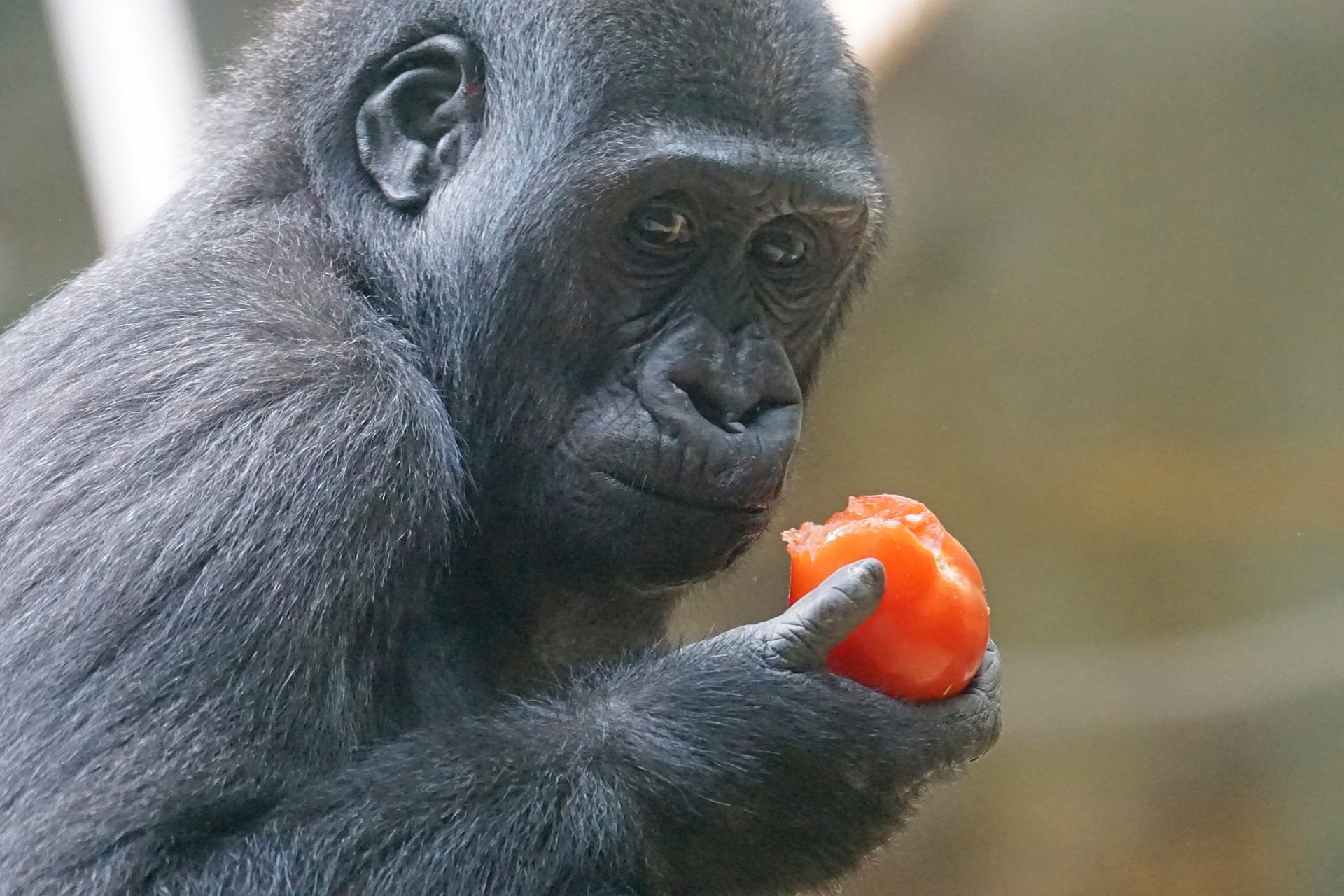
Understanding the mountain gorilla diet also emphasises the importance of habitat conservation. Every protected forest area contributes to the availability of food plants and the continued survival of these endangered primates. By protecting Volcanoes National Park and supporting responsible tourism, Rwanda helps safeguard the ecosystems that mountain gorillas depend on. Visitors can also learn more about Rwanda’s mountain gorilla conservation and wildlife experiences when planning their safari adventures.
Fruits of Hope Adventure Tours offers opportunities to explore Rwanda’s mountain gorilla habitats through carefully planned safari experiences. Whether you are interested in observing a silverback feeding, watching young gorillas learn from their mothers, or discovering the beautiful landscapes of the Virunga Mountains, gorilla trekking provides an unforgettable wildlife encounter. Explore the available Rwanda gorilla trekking tours and safari experiences and discover the fascinating feeding habits of mountain gorillas in their natural forest environment.